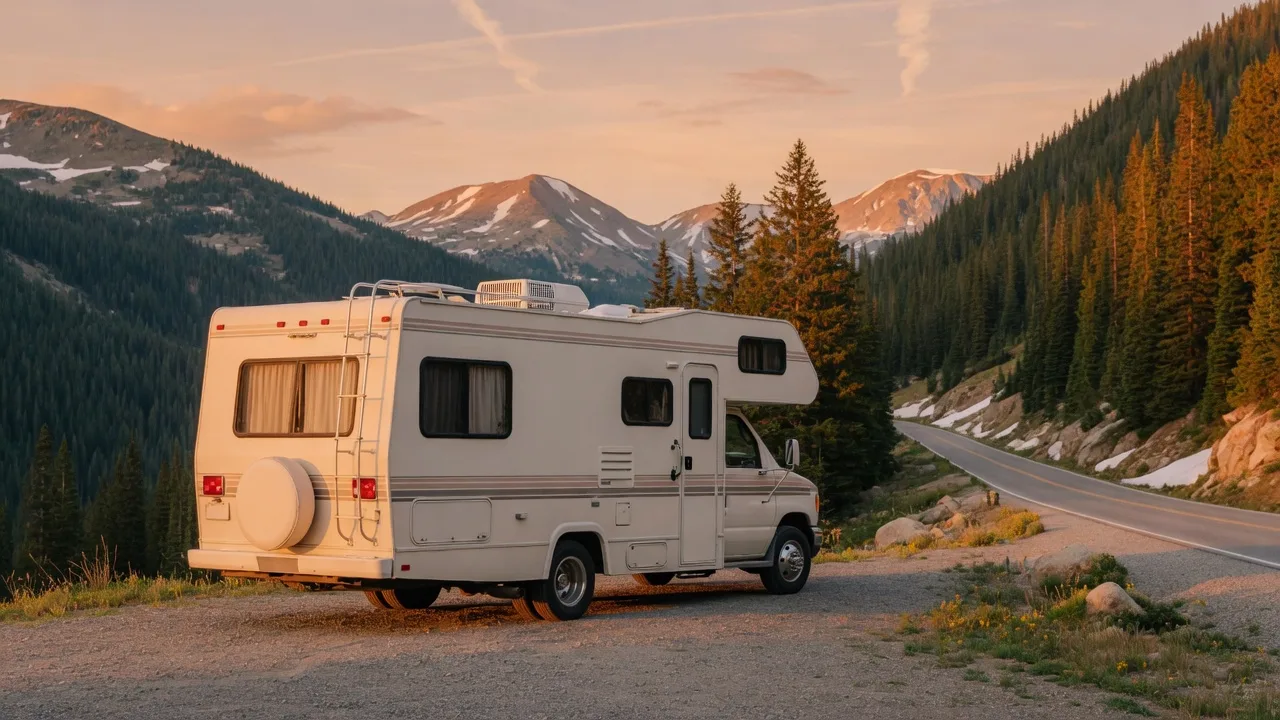
The IRS does not treat every RV loan as deductible 'mortgage interest' — only debt secured by a qualified residence that meets the sleeping, cooking, and toilet facilities test in Publication 936, with strict acquisition debt limits.
What makes an RV a 'qualified residence' for tax purposes
Per IRS Publication 936 (2025 edition, applicable for 2026 tax years), a second home qualifies for the mortgage interest deduction only if it has sleeping, cooking, and toilet facilities. An RV that meets these three tests can be treated as a second home, but the loan must be secured by the RV (or the land if the RV is permanently affixed in a way that creates a security interest under state law). Typical chattel RV loans secured only by the vehicle as personal property generally do not qualify as acquisition indebtedness under 26 USC 163(h).
The publication is explicit: you can treat only one second home as a qualified home in any year. If you rent it out part of the year, you must also use it as a home during the year for more than the greater of 14 days or 10% of the days you rent it. Data as of June 2026. The current text of Publication 936 and your specific loan documents control; the rules have been stable but always verify the latest IRS guidance before claiming the deduction.
A 'second home not rented out' can be treated as qualified even if you do not use it during the year, but for RVers who use the rig as their primary residence part of the year or rent it, the use tests become material. The deduction is limited to interest on acquisition debt (debt used to buy, build, or substantially improve the qualified residence) and is subject to the overall home mortgage interest caps in effect for the tax year.
- Qualified residence test (Pub 936): sleeping + cooking + toilet facilities required for RV to count as second home
- Loan must be secured by the qualified residence (chattel loans often fail this)
- Only one second home per year can be treated as qualified
- If rented part-year, personal use test applies (greater of 14 days or 10% of rental days)
- Acquisition debt only — not cash-out or equity used for other purposes
Real 2026 rate environment and when financing makes sense
Federal Reserve Senior Loan Officer Opinion Survey data and lender surveys for early 2026 show RV loan rates for prime credit (FICO 740+) typically ranging 6.5–9.5% APR, a premium to new auto loans that reflects faster depreciation and the collateral's mobility. Longer 'RV mortgage' products for high-value Class A and fifth-wheels may carry different terms, sometimes 15–20+ years, but availability is limited and underwriting is stricter.
Paying cash avoids the depreciation risk premium in the rate and the complexity of proving the deduction. Financing can make sense when the after-tax cost of the loan (if the interest is deductible) is lower than the opportunity cost of the cash, or when preserving liquidity for other uses is important. The math only works if the RV actually meets the qualified residence test and the debt is properly secured — many buyers discover after the fact that their loan does not qualify.
Points paid on a loan secured by a second home are subject to additional limits and are often amortized over the life of the loan rather than deducted upfront. Always use the worksheets in the current Publication 936 and retain the settlement statement and security instrument.
Practical decision framework and common pitfalls
Before signing a loan, obtain the exact security instrument language and ask the lender in writing whether the loan is structured as acquisition indebtedness secured by a qualified residence under the rules in Publication 936. If the RV does not have the required facilities or the loan is a standard chattel loan without a mortgage-like security filing, the interest is almost certainly personal interest and not deductible.
Refinancing an existing RV loan or using a HELOC on your primary home to 'pay cash' for an RV purchase generally does not produce deductible interest on the new debt unless the proceeds are traced to buying, building, or substantially improving a qualified residence that secures the debt. The tracing rules are strict.
Grandfathered debt rules from pre-2018 may still apply to older loans, but new 2026 purchases are under current law. The publication contains detailed examples and worksheets; relying on lender marketing language instead of the actual code and pub is a common and expensive mistake.
Frequently asked questions
Can the interest on my RV loan be deducted as mortgage interest?›
Only if the RV meets the sleeping, cooking, and toilet facilities test to be a qualified second home and the loan is secured by that residence as acquisition indebtedness per IRS Publication 936 and 26 USC 163(h). Most standard RV loans secured only by the vehicle as personal property do not qualify.
What if I use a HELOC on my house to buy the RV?›
The interest on the HELOC is deductible only to the extent the proceeds were used to buy, build, or substantially improve the home that secures the HELOC (your main home or a qualified second home). Using it to buy an RV is generally not deductible under current rules.
How do I know if my RV has the required facilities?›
It must have sleeping accommodations, cooking facilities, and a toilet. Publication 936 is explicit on this test for any residence, including RVs treated as second homes. If it does not, it is not a qualified residence for the deduction.
Data as of June 2026 — what should I verify before claiming the deduction?›
The current IRS Publication 936 (irs.gov), the exact text of 26 USC 163(h), your specific loan documents and security instrument, and whether the RV meets the facilities test. Keep worksheets, Form 1098 if issued, and the settlement statement. Rules and forms can change; the latest IRS publications control.
Continue your research on PickRV
Sources
- 1.IRS Publication 936 (2025) — Home Mortgage Interest Deduction, qualified residence test for second homes including RVsIRSgovernment or university source
- 2.IRS Publication 936 (2025) on irs.gov — full text and worksheetsIRSgovernment or university source
- 3.26 USC 163(h) — Interest, qualified residence interest definition and limitsU.S. Code / Cornell LIIgovernment or university source
- 4.Topic No. 505, Interest Expense — IRS overview of mortgage interest rulesIRSgovernment or university source
- 5.Federal Reserve Senior Loan Officer Opinion Survey — RV loan rate ranges (context for 2026)Federal Reservegovernment or university source
- 6.CFPB resources on RV loans and consumer classification (for rate and product context)CFPBgovernment or university source
- 7.IRS guidance on tracing debt proceeds and home equity rules post-TCJAIRSgovernment or university source
- 8.NADA / RV industry valuation data (for depreciation context in financing decisions)NADAcompany or industry source
Sources are a mix of government and university publications and the company or industry documentation for the specific equipment, store policy or standard discussed — each row above says which one it is, so you can weigh it yourself. Last verified 2026-06-05. Report broken links to support@pickrv.com.
Ready to roll?
Pick a rig. Write the road.
Complete nightly price on every listing — your exact total itemized before you pay · 48h full rental refund. Every rig near you, one checkout.
Related reads


Plan around this guide · 3
Hub anchors · mega-guides · cost calculator — one click each.
Related on PickRV
Tell us when you want to travel.
Owners list their own rigs on PickRV. Add your dates and we'll email you when one is listed for them — nothing else, no spam.
Was this guide helpful?