PickRV camping directory
RV Campgrounds Directory
What each site costs, what it hooks up to, and how far ahead to book. We list what we can verify — this directory is not exhaustive.
- 20
- campgrounds in 13 states
- $16–$55
- nightly at these sites
- 5–6 mo
- book ahead at park campgrounds
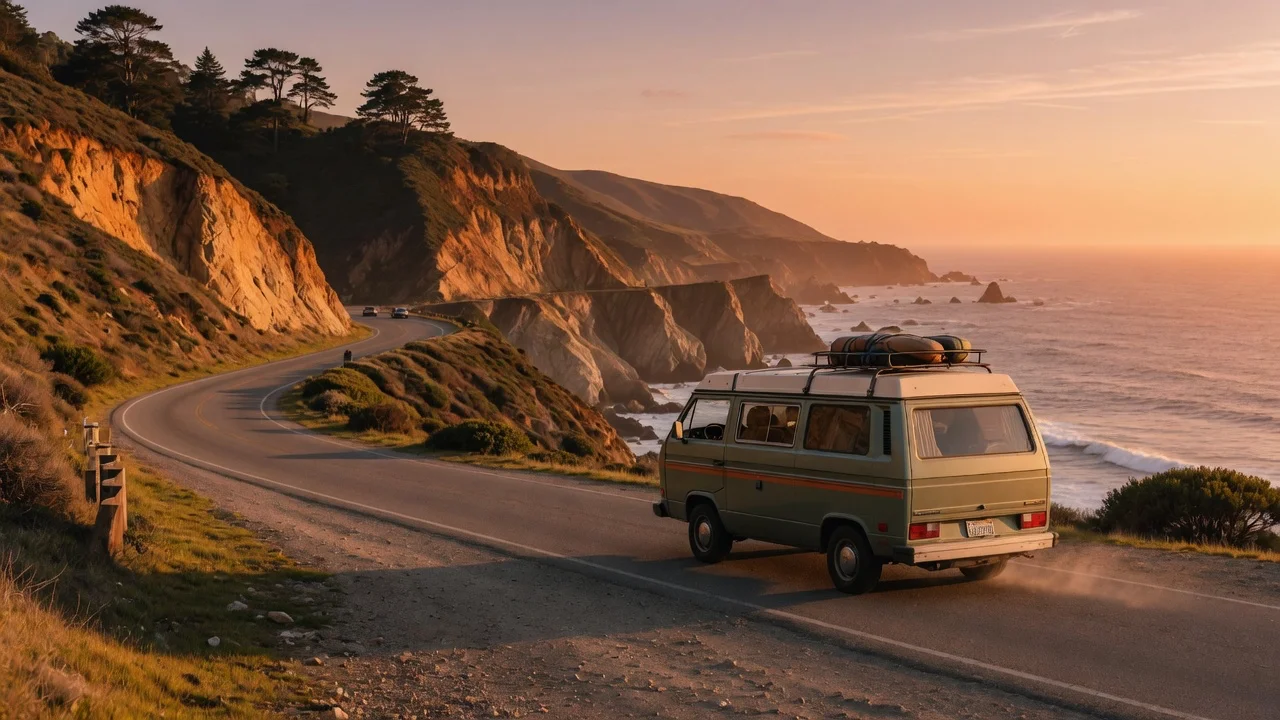
California
All California campgrounds →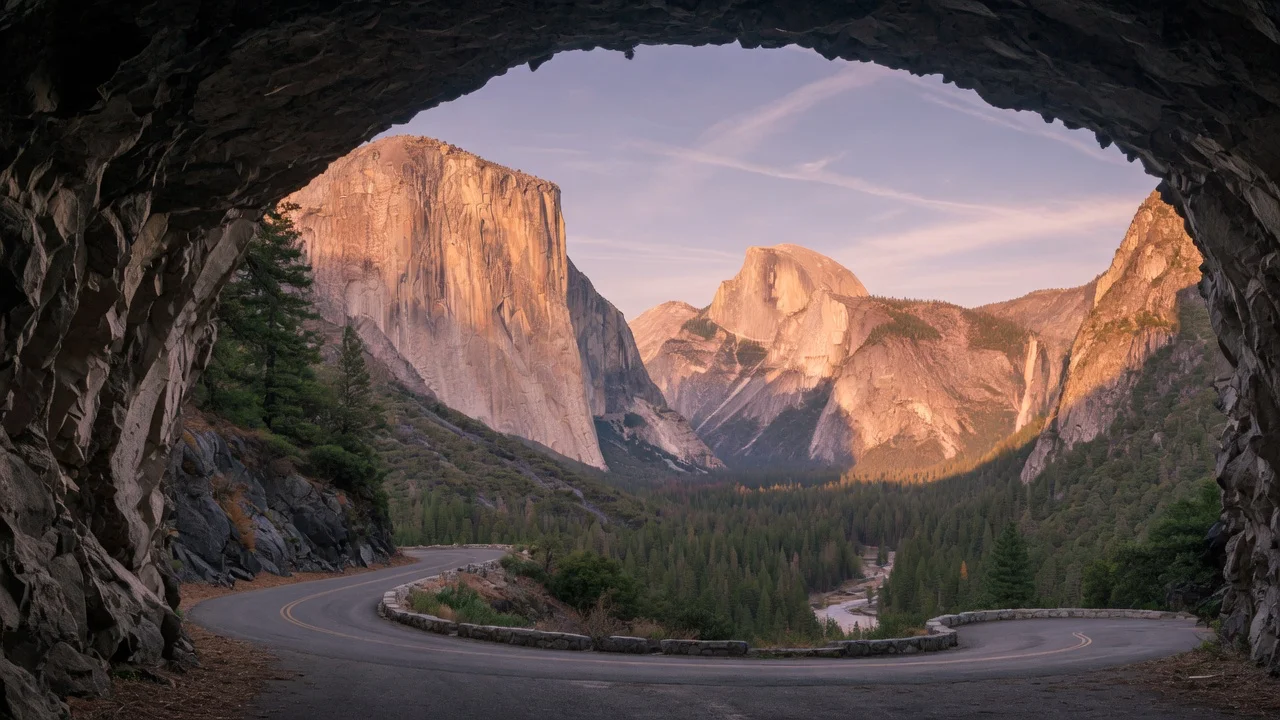
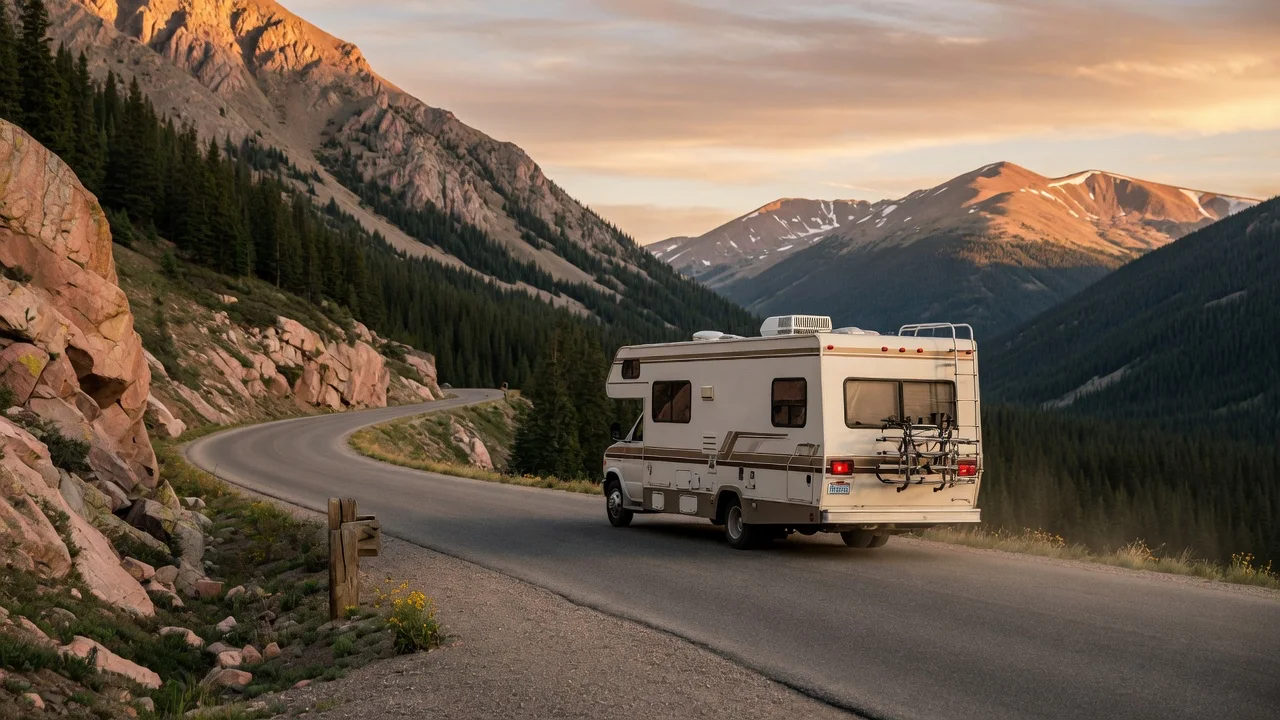
Colorado
All Colorado campgrounds →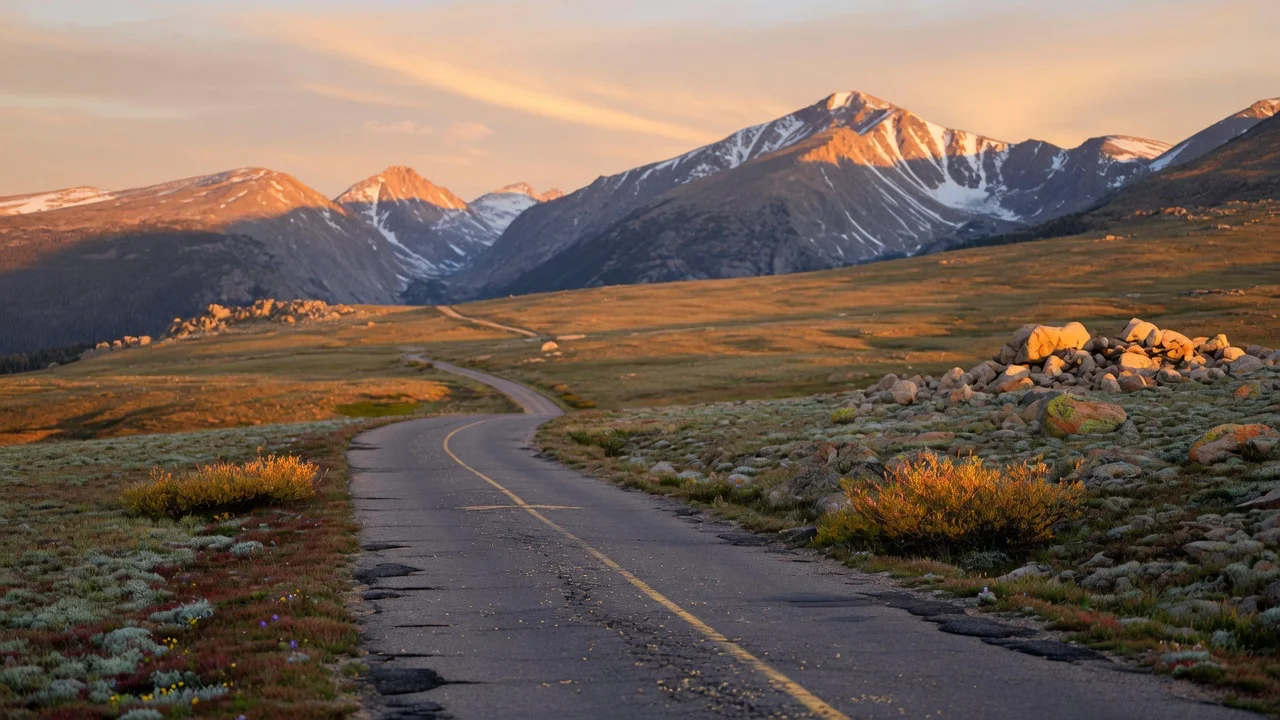
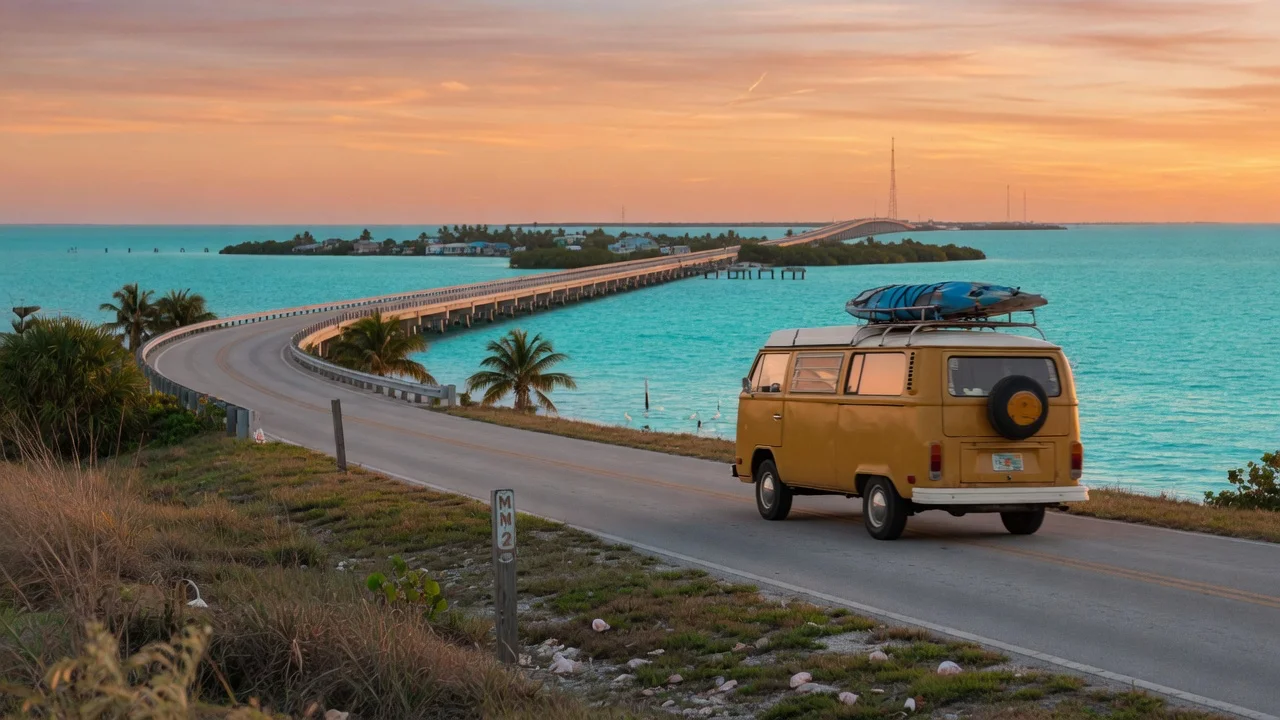
Florida
All Florida campgrounds →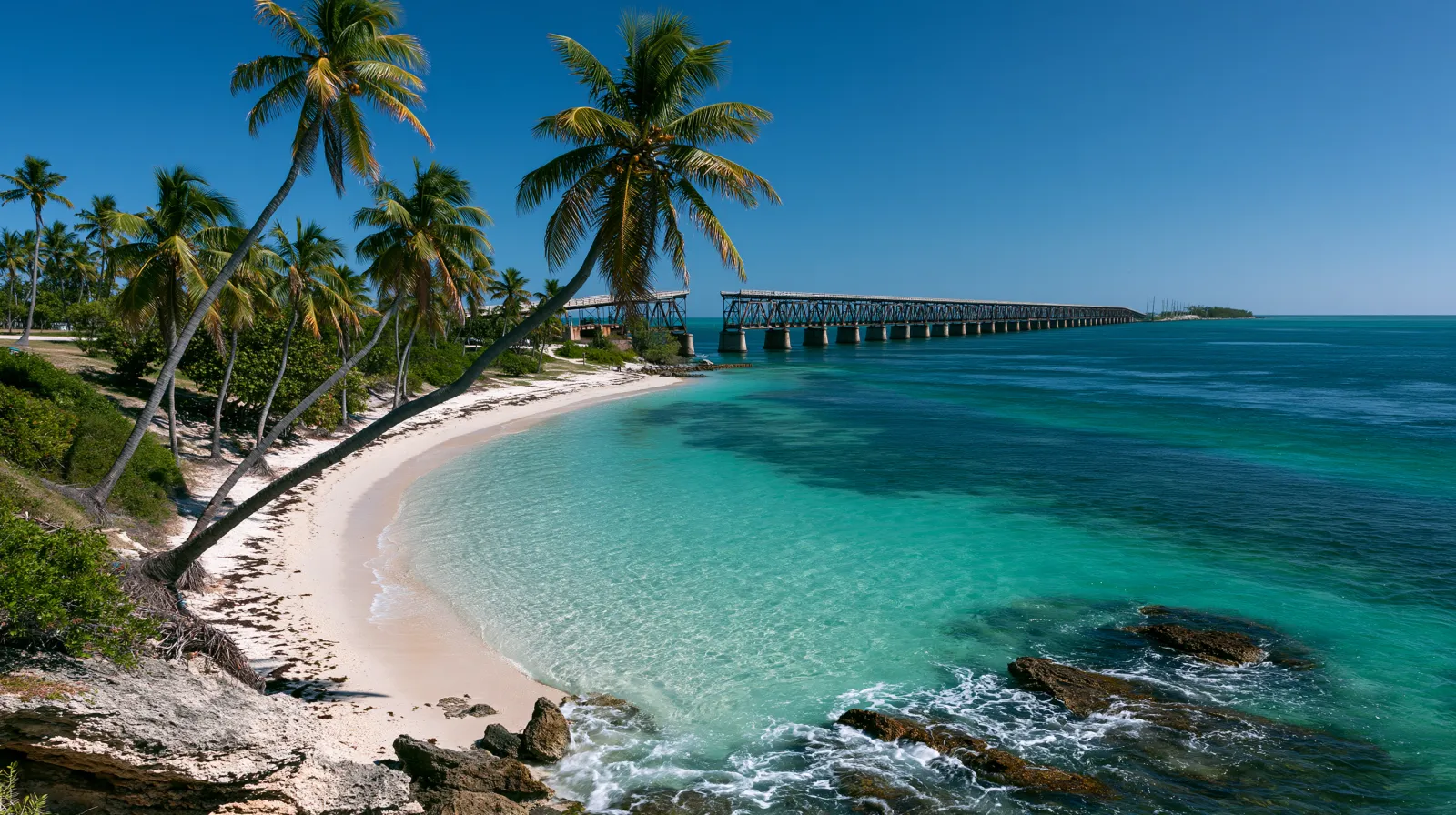
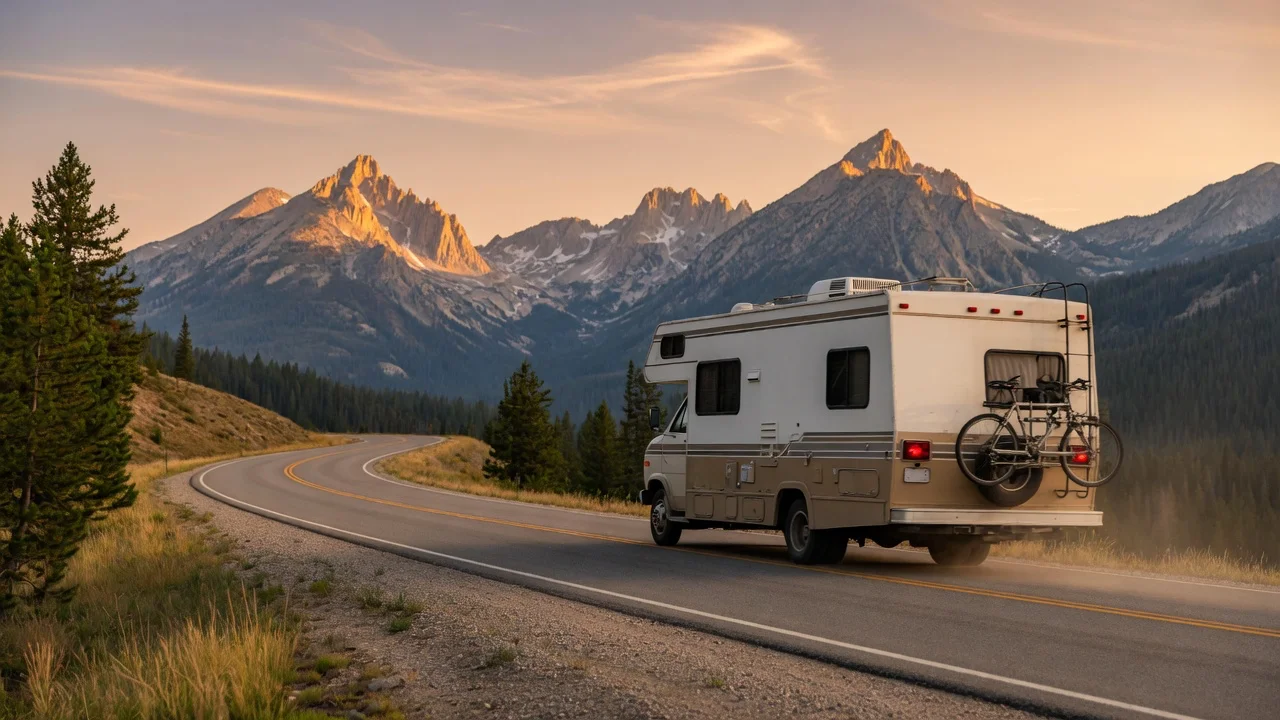
Idaho
All Idaho campgrounds →
Michigan
All Michigan campgrounds →
Minnesota
All Minnesota campgrounds →
Montana
All Montana campgrounds →
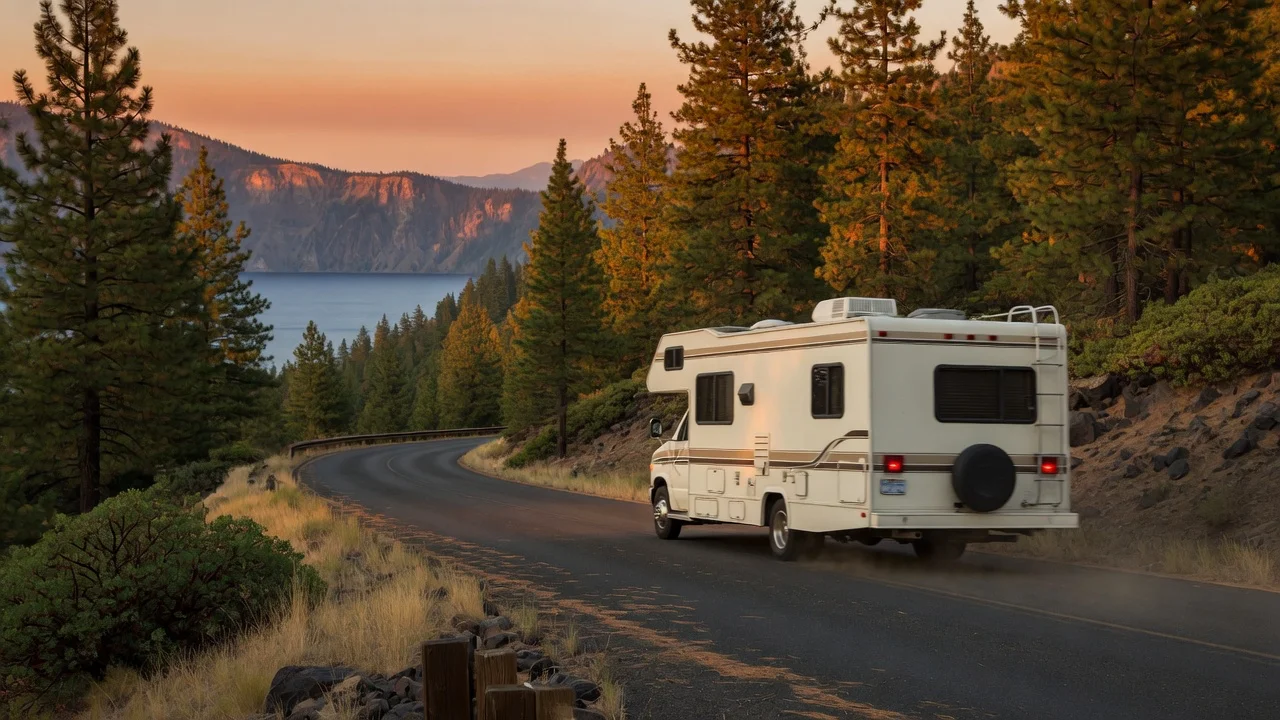
Oregon
All Oregon campgrounds →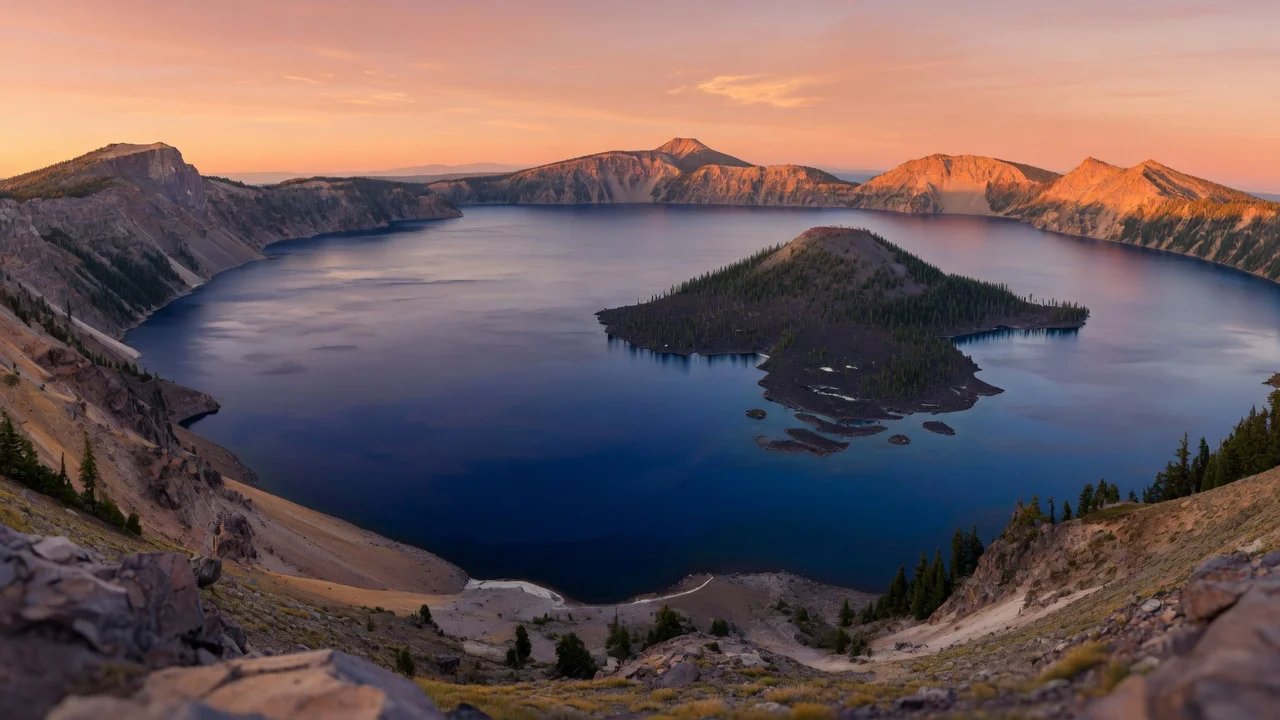
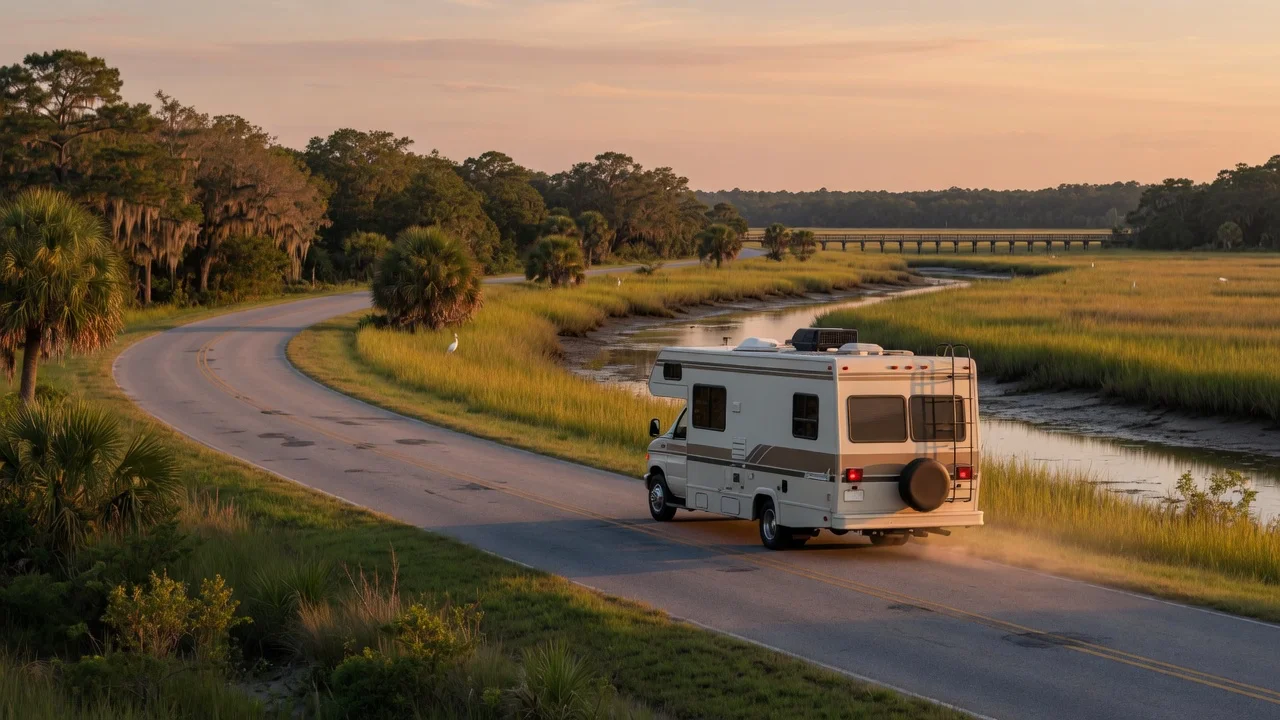
South Carolina
All South Carolina campgrounds →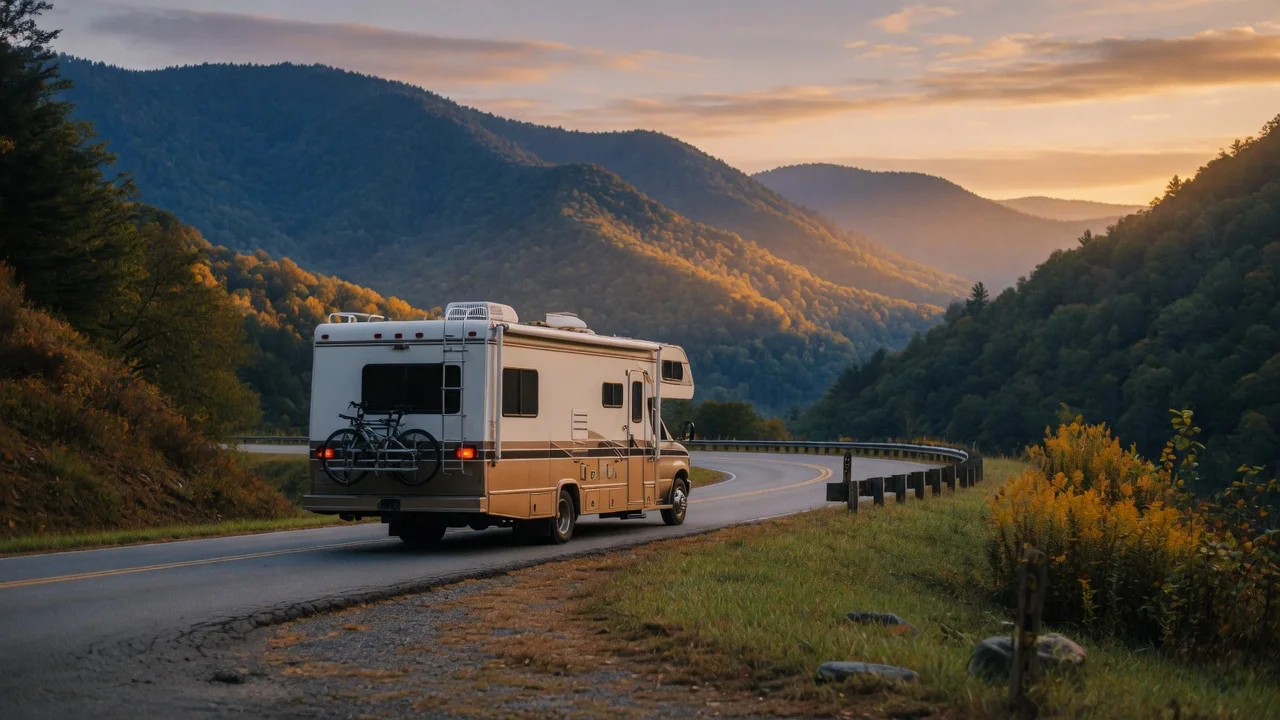
Tennessee
All Tennessee campgrounds →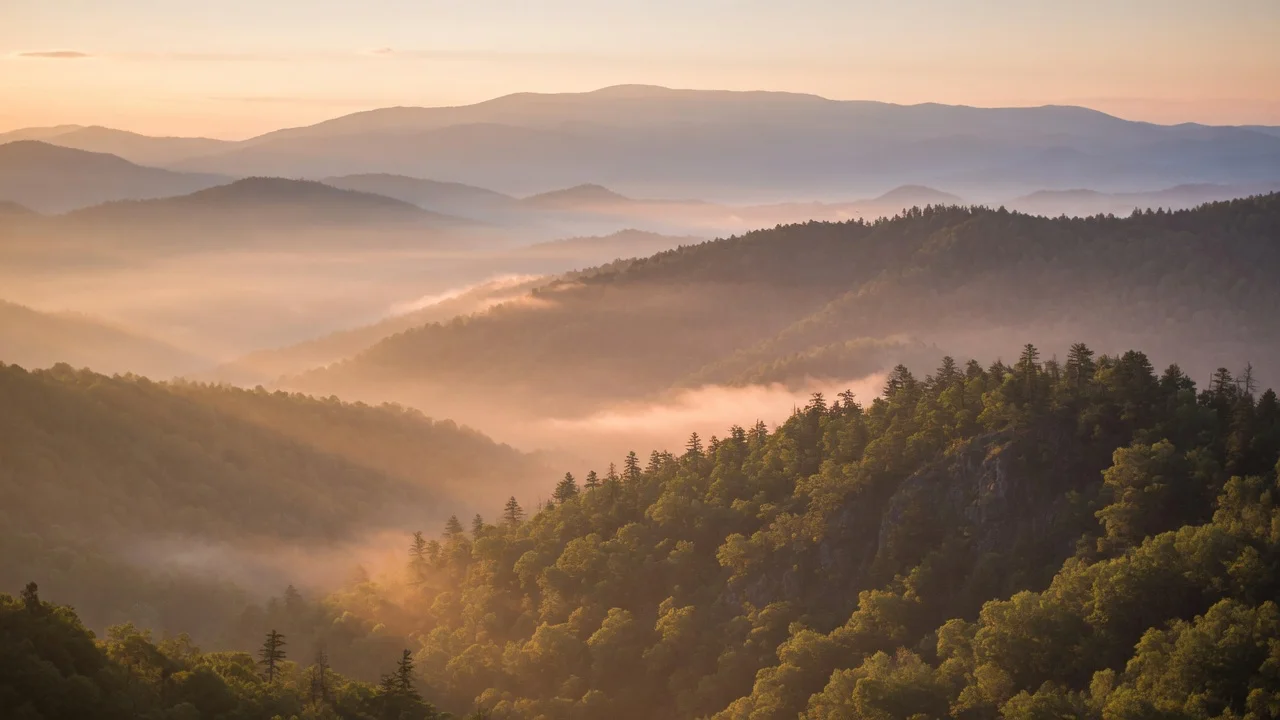
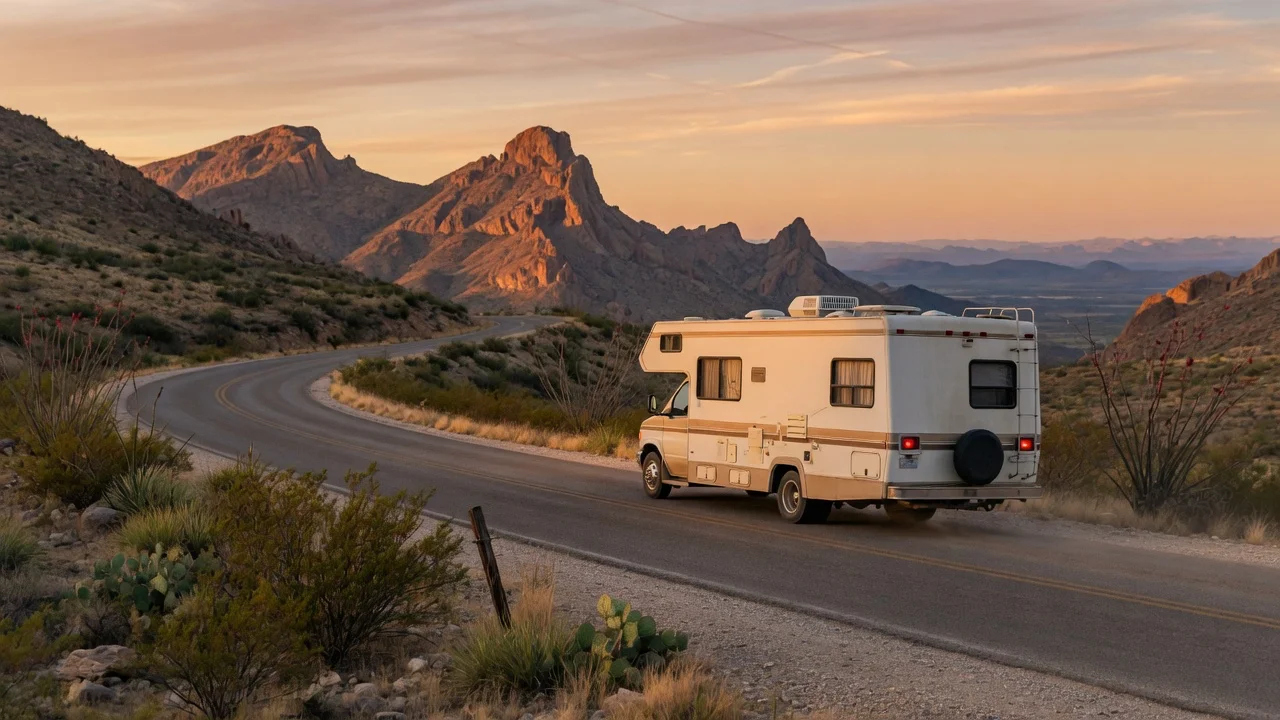
Texas
All Texas campgrounds →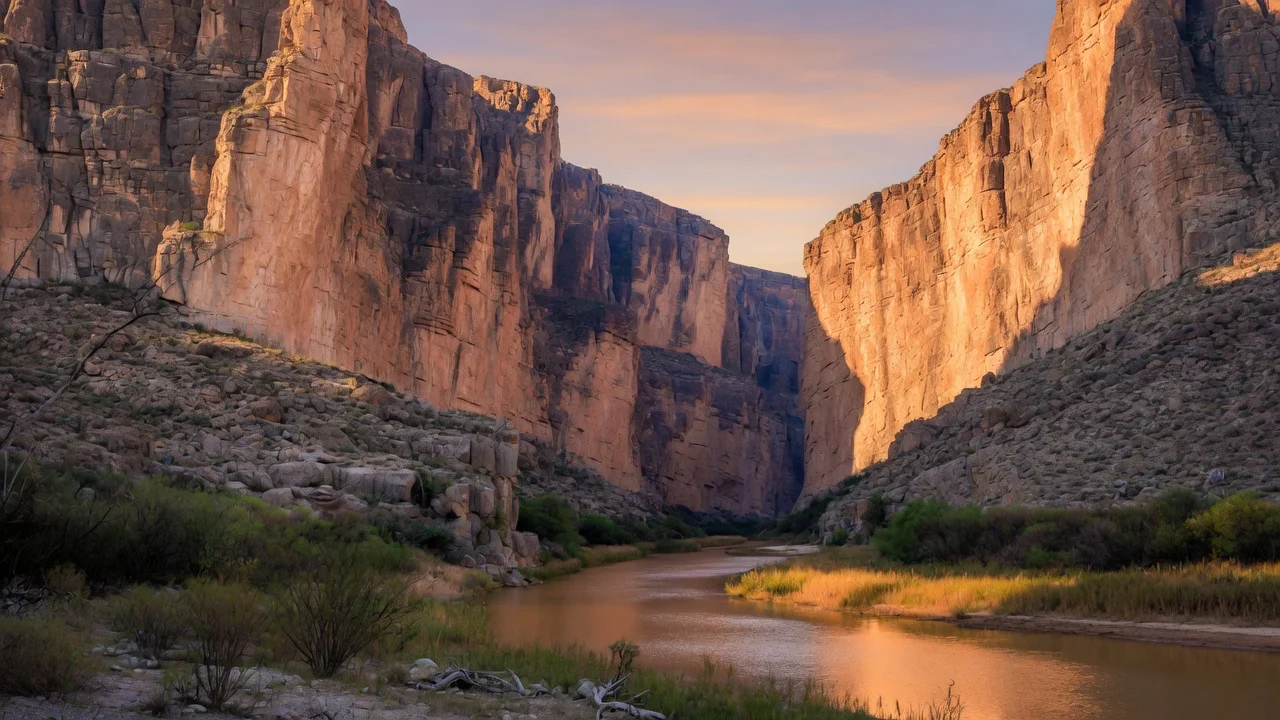
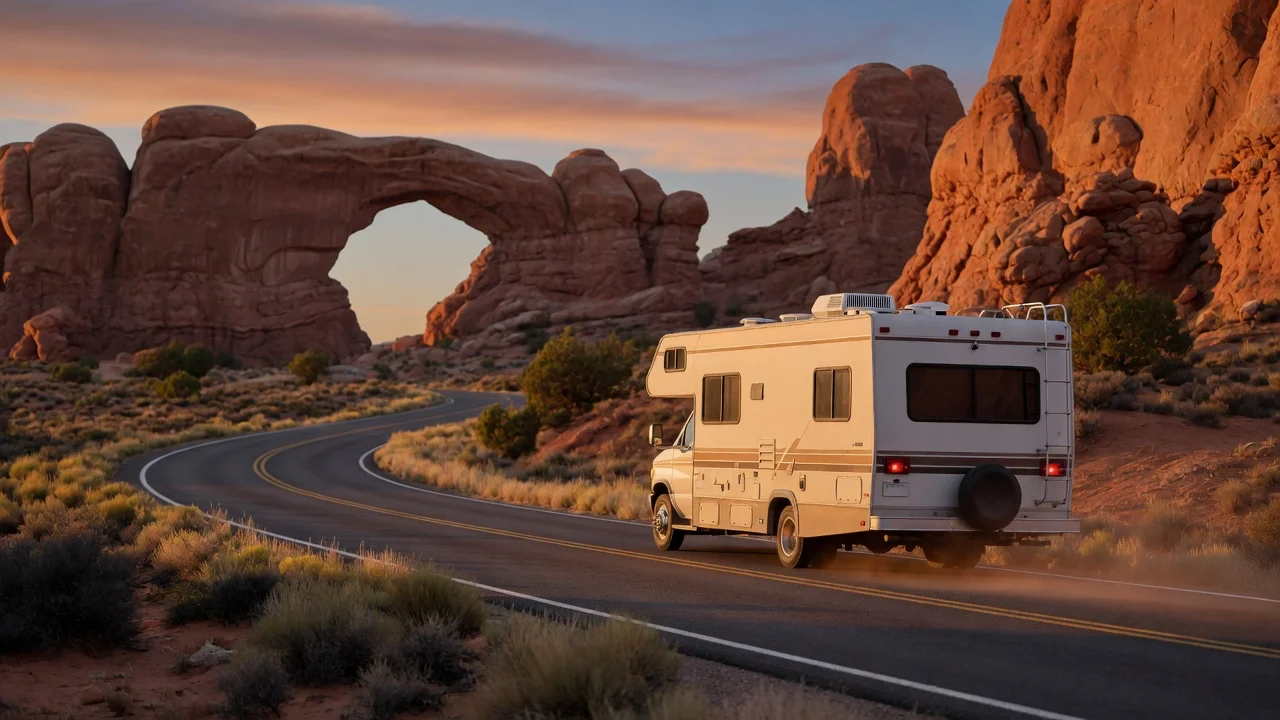
Utah
All Utah campgrounds →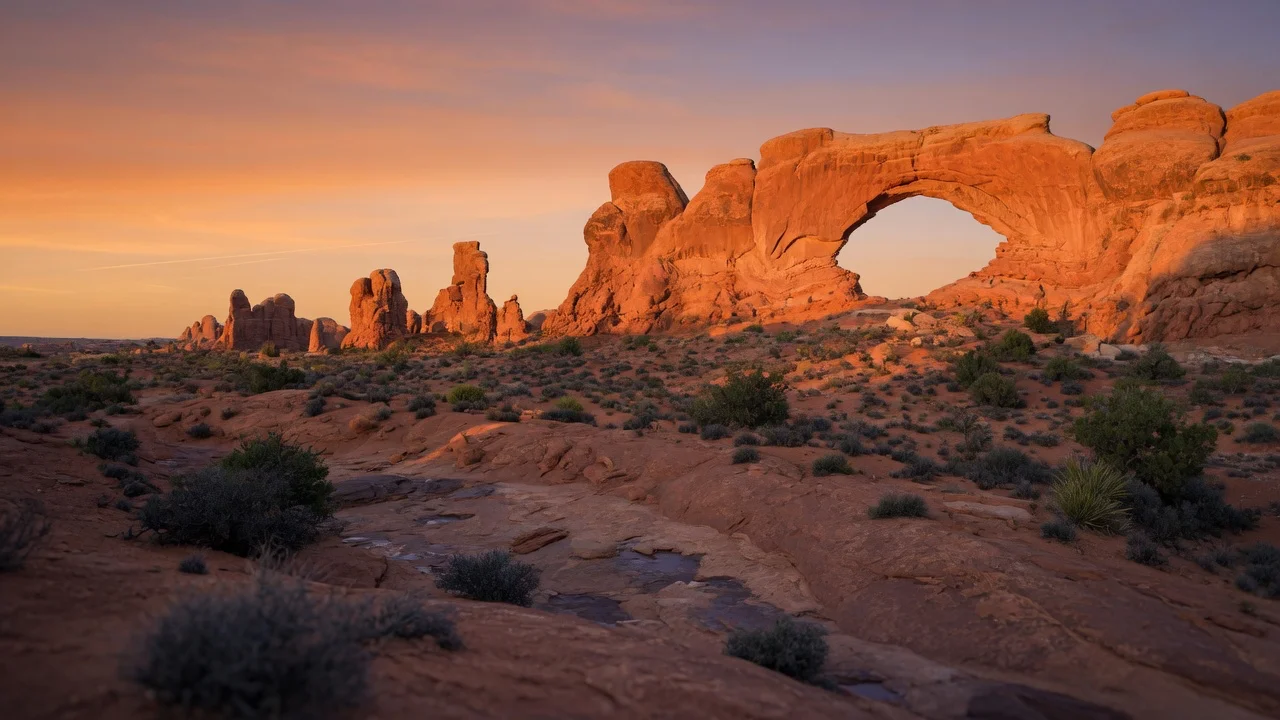
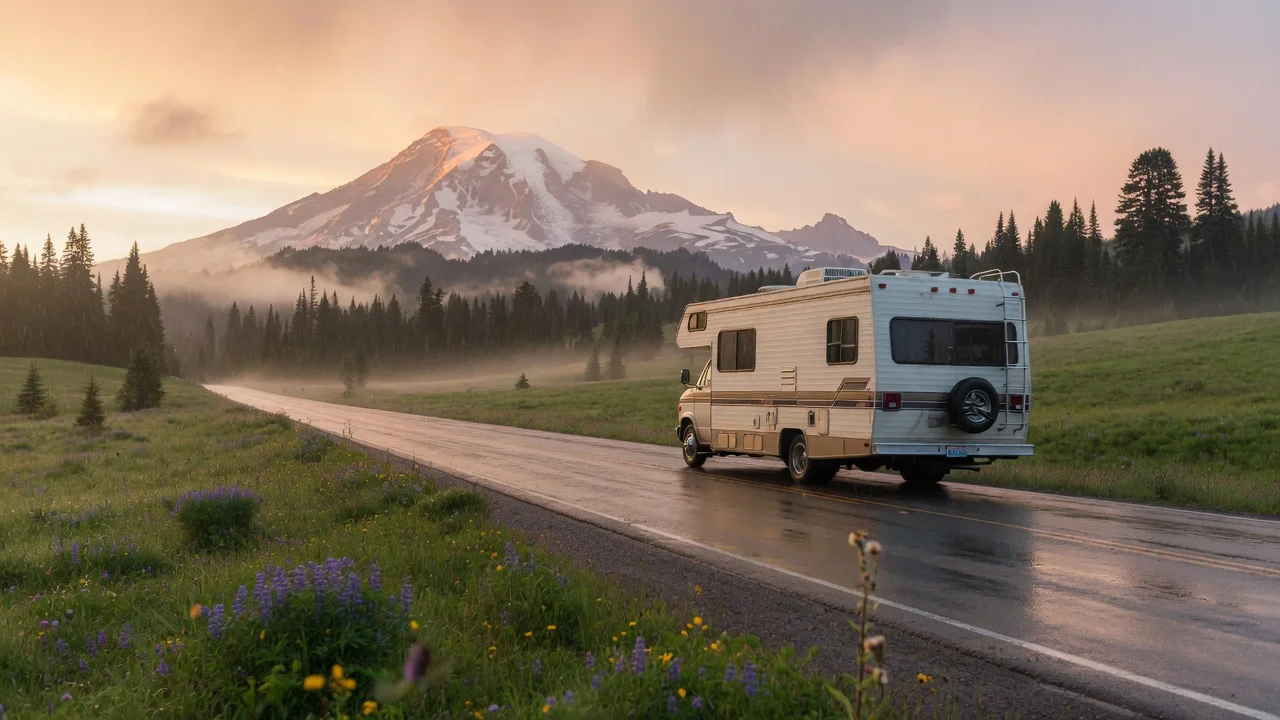
Washington
All Washington campgrounds →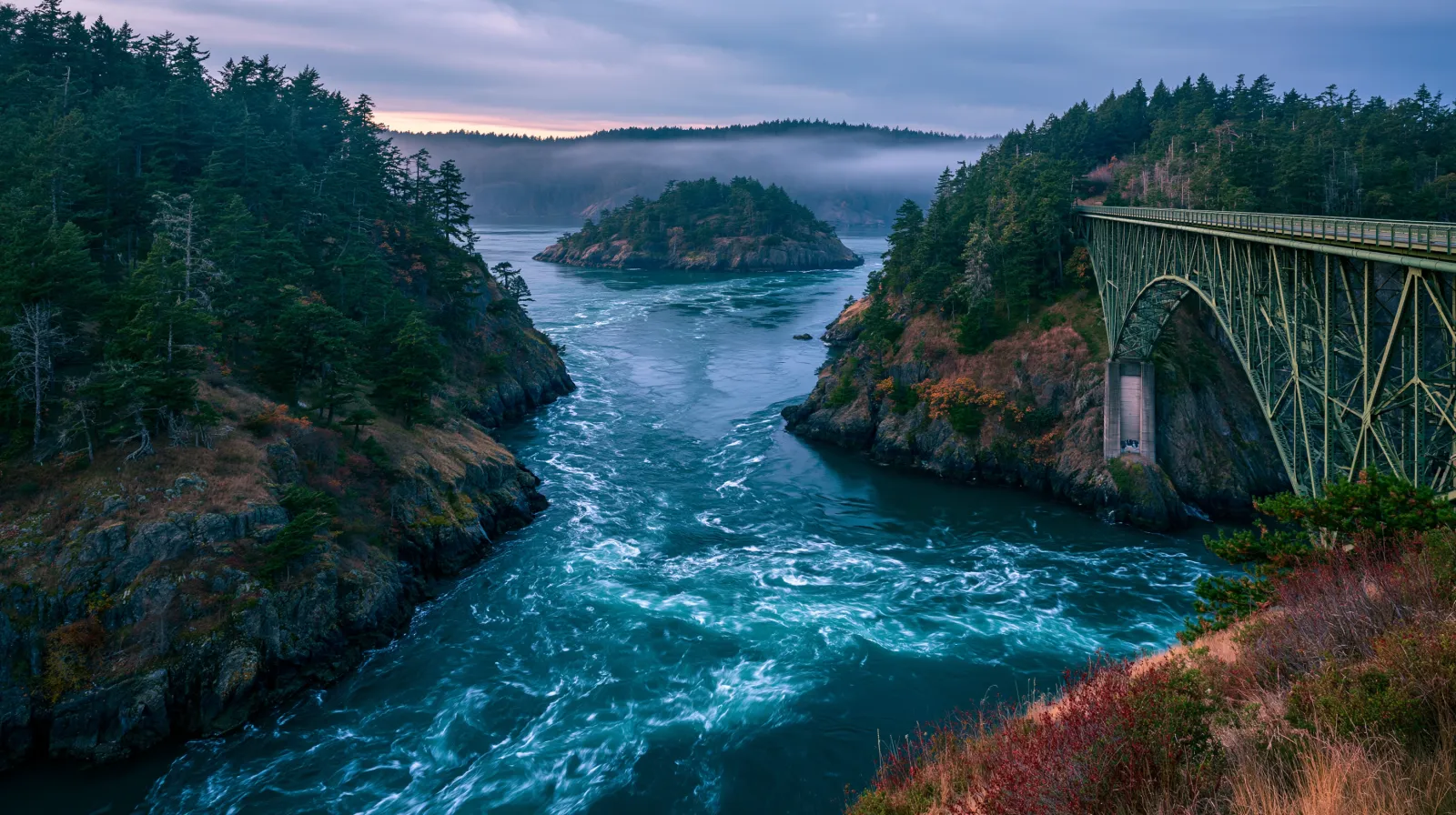
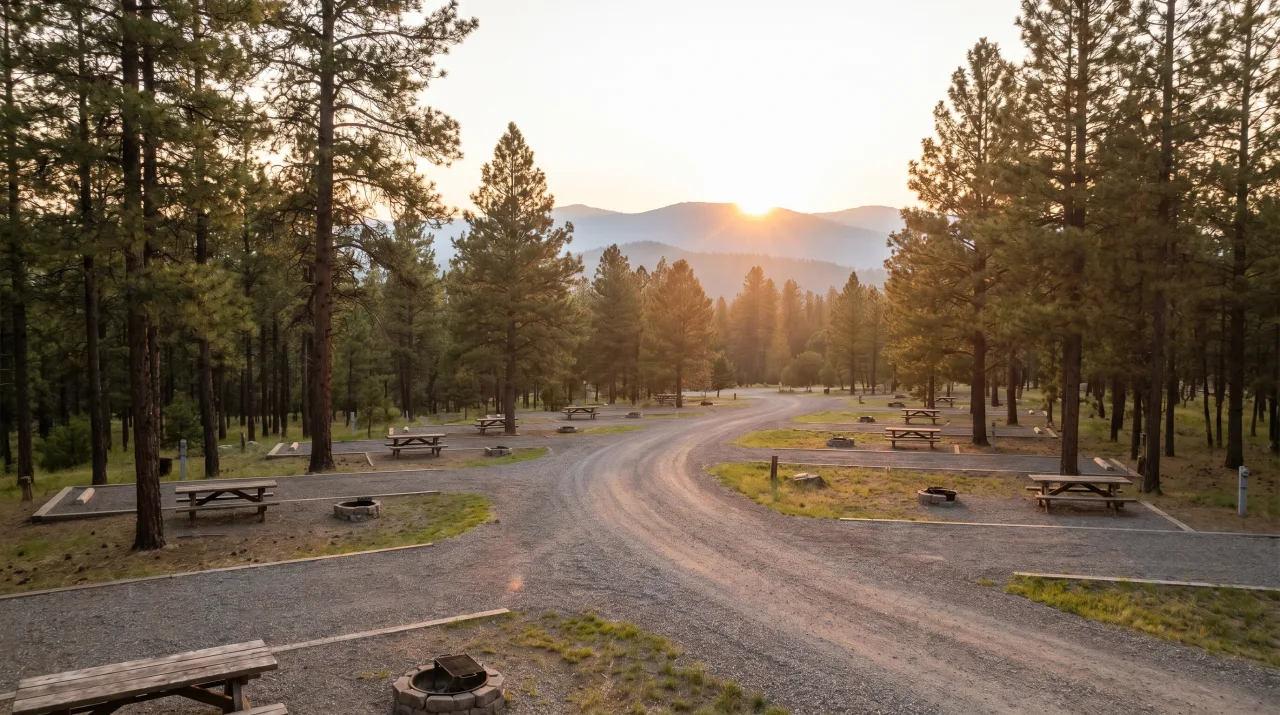
What an RV campground actually is
An RV campground is any site set up to park and (usually) plug in a recreational vehicle overnight — from a bare gravel pad on public land to a full-service resort with a pool and a fitness room. What separates one from the next is mostly the hookups: full hookups give you water, electric, and sewer right at the site; partial hookups usually mean water and electric with a shared dump station; electric-only sites skip the water line; and dry or 'boondocking' sites give you nothing but a place to level the rig, which is why big fresh and gray tanks matter off-grid.
Cost tracks almost directly with those amenities. Dispersed camping on public land is often free, developed public and state-park campgrounds commonly run in the low tens of dollars a night, private RV parks sit higher, and destination resorts climb well past a hundred a night in peak season. Location and season swing every one of those numbers — a lakefront site on a holiday weekend is a different price than the same site midweek in the shoulder season.
Booking windows matter as much as price. The most sought-after national- and state-park campgrounds open reservations months ahead and sell out in minutes, while private parks are more forgiving and dispersed sites are first-come. Use the directory above to filter by hookups, pet policy, and dump-station access, jump into a state's deeper campground guide, and — when you have a site picked — line up an RV to drive straight to it.
Hookup types, explained
- Full hookups
- Water, electric (30/50-amp), and sewer piped to the site — you can stay put for days without moving to dump.
- Partial hookups
- Typically water + electric at the site; you empty tanks at a shared dump station on your way out.
- Electric only
- A power pedestal but no water line — fill your fresh tank before you arrive and manage gray/black tanks yourself.
- Dry / boondocking
- No hookups at all. Common on BLM and national-forest land; you run on battery, fresh-tank water, and your own waste capacity.
What a night typically costs
Boondocking on most BLM and USFS land — usually a 14-day stay limit, no services.
Developed campgrounds with restrooms; hookups vary site to site.
Full hookups plus amenities like laundry, wifi, and a camp store.
Destination resorts with pools and premium sites; peaks on holidays.
RV campground FAQ
How much do RV campgrounds cost?
What's the difference between full and partial hookups?
How far ahead should I book an RV campground?
Can you camp for free in an RV?
Do RV campgrounds have length limits?
Your next step
A pad is only half a booking.
Hookups, max length and pull-through access are all questions about the vehicle. If you don't own one, owners list theirs on PickRV — this is the honest state of that side today.
What you'll see there
Nothing is bookable on PickRV yet — the search page says so in those words. What it shows instead are labelled sample rigs, so you can see what a listing looks like before there is one to book.
What you'd pay
The complete price sits on every listing, and the exact total is itemized before you pay — nothing appears at the last step.
If plans change
Full rental refund 48h+ before pickup on every booking, in every state.
Tell us when you want to go.
Nothing is bookable today. Dated requests are what we take to owners, so give us the window you actually want — you get one email the day a rig covers it, and nothing else.