Travel with kindness to all that lives
Wildlife, state by state
An alligator gliding through the Everglades, a bull moose at dawn in Alaska, a desert bighorn on a canyon rim. 494 animal guides across all 50 states — the best months to watch, and the RV-friendly habitats where you have a real chance.
494animal guides
50states
Facts from wildlife agencies
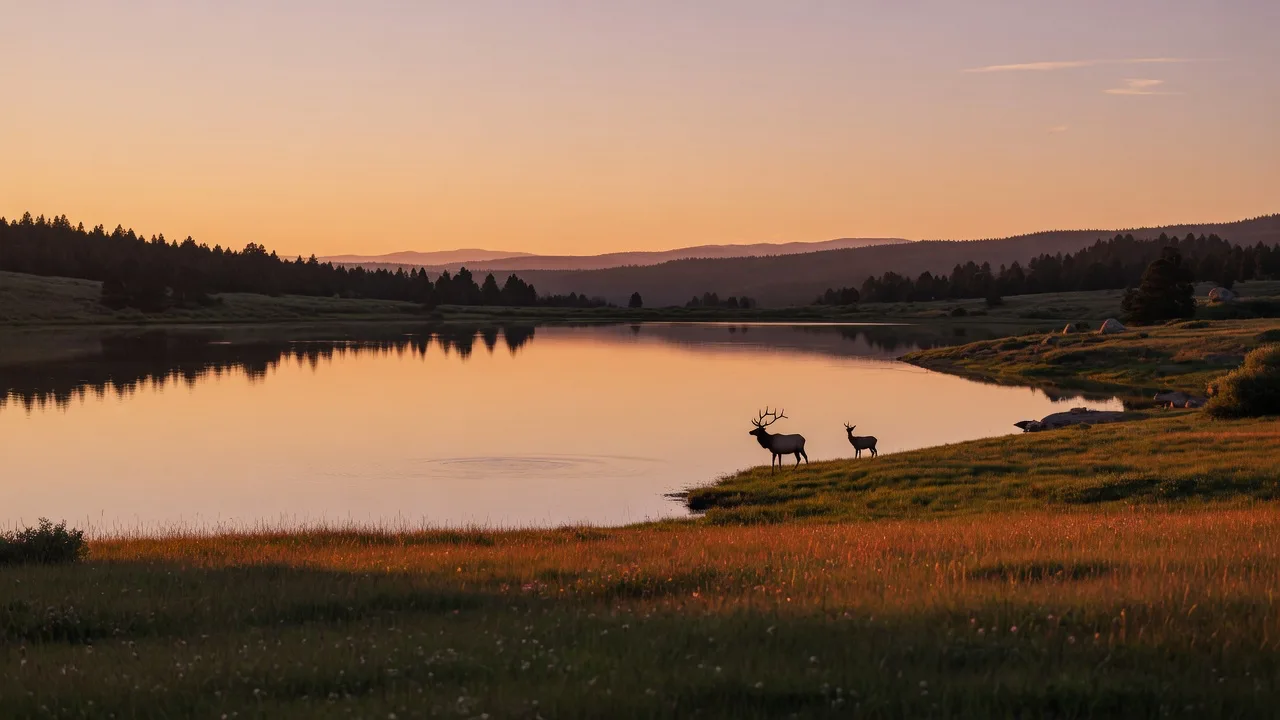
Featured species
Meet the locals
Species you can actually meet on the road. Tap any card for its full viewing guide — best months, habitats, and how to base an RV trip around it.
The wildlife calendar
When to watch, month by month
Timing is the whole game. Each bar counts how many of the 494 guides hit their peak viewing window that month — aggregated live from the dataset, so it moves with the wildlife, not with us.
- 104Jan
- 105Feb
- 158Mar
- 209Apr
- 262May
- 230Jun
- 195Jul
- 177Aug
- 197Sep
- 156Oct
- 107Nov
- 85Dec
Peak month: May·262 species at their best. Species with a year-round window count in every month.
All 50 states
Browse by state
Every animal row links straight into its full guide — real photo where we have one, a silhouette until it lands. Cards pack to their natural height, so a two-species state sits as comfortably as a forty-species one.
- YellowhammerSpringAlabama's official state bird, namesake of the Yellowhammer State.
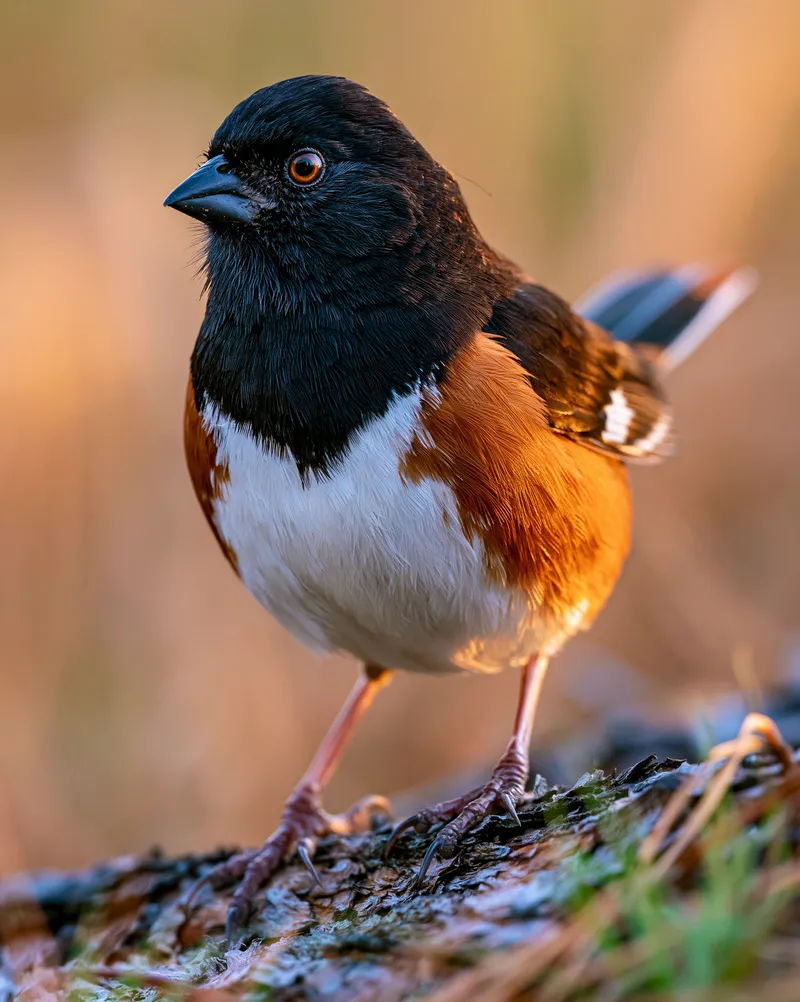 Eastern TowheeSpringMale: black hood, rufous sides, white belly, red eye.
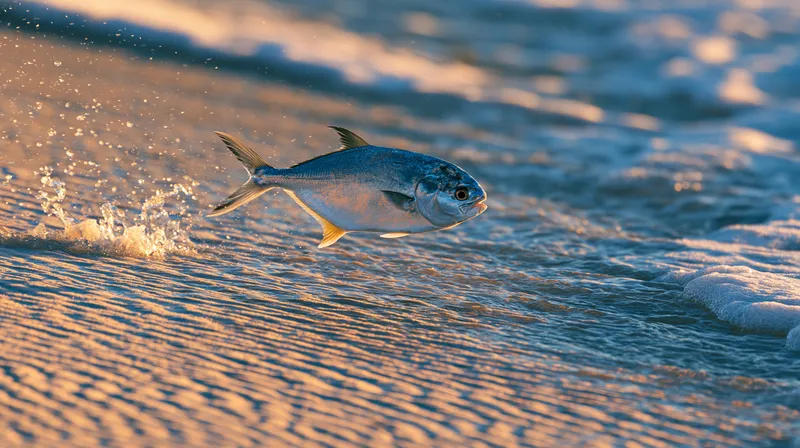 PompanoSpringPrized for its fight and flavor, found along sandy Gulf beaches.
- Pine woods tree frogSummerSmall tree frog with distinctive drumming call, found in pine flatwoods and cypress domes.
- Alaska mooseSummerLargest moose subspecies on Earth; bulls reach 1,600 lb.
- Grizzly bearSummerCoastal brown bears congregate at salmon runs in summer.
- Polar bear mothers with cubsFallPolar bears gather along the Arctic coast near Kaktovik in autumn, waiting for sea ice to form.
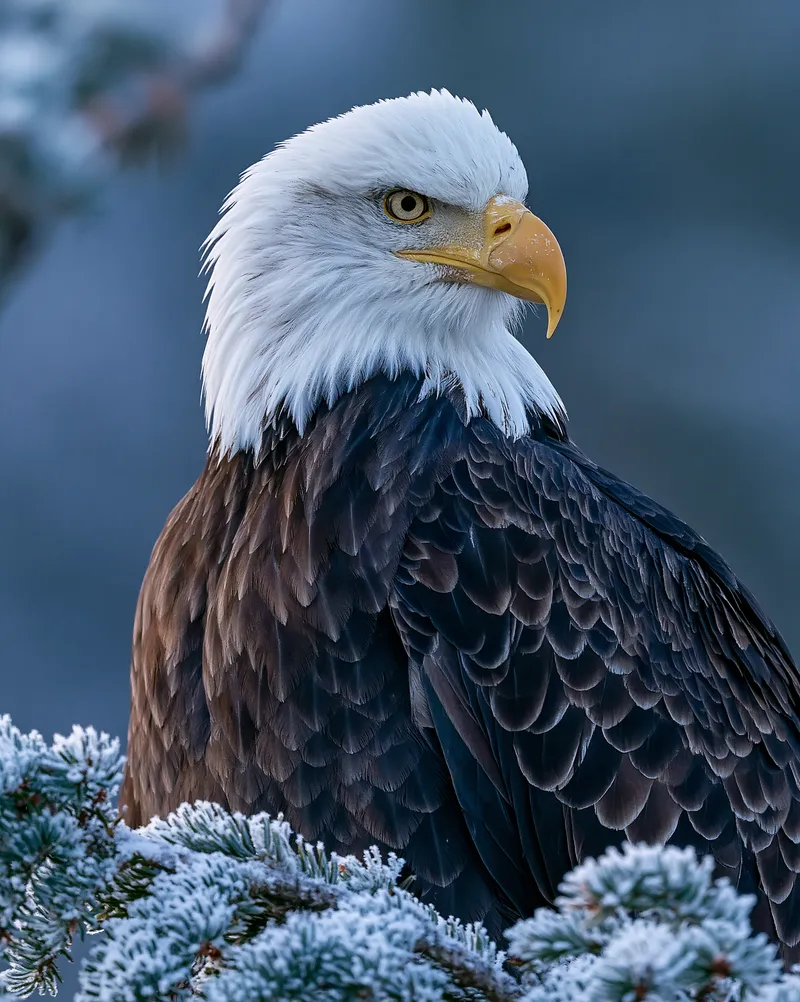 Bald EagleFallBald eagles gather in huge numbers to feast on spawning salmon.
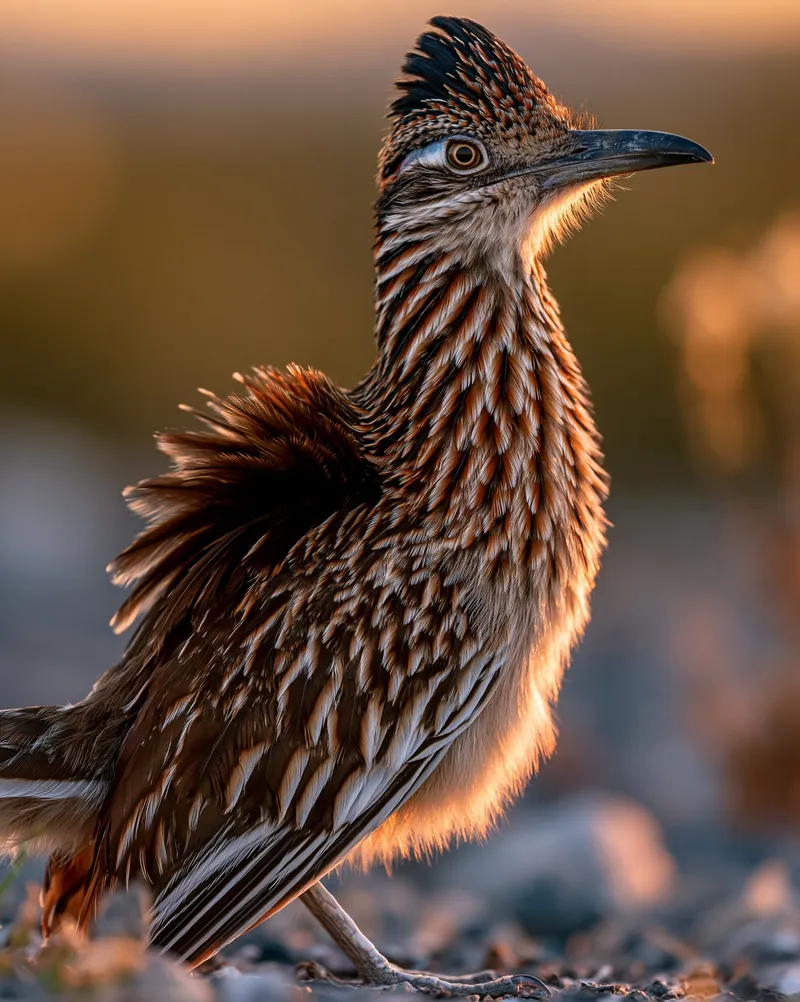 Greater roadrunnerSpringIconic desert ground-cuckoo; runs up to 20 mph, eats rattlesnakes.
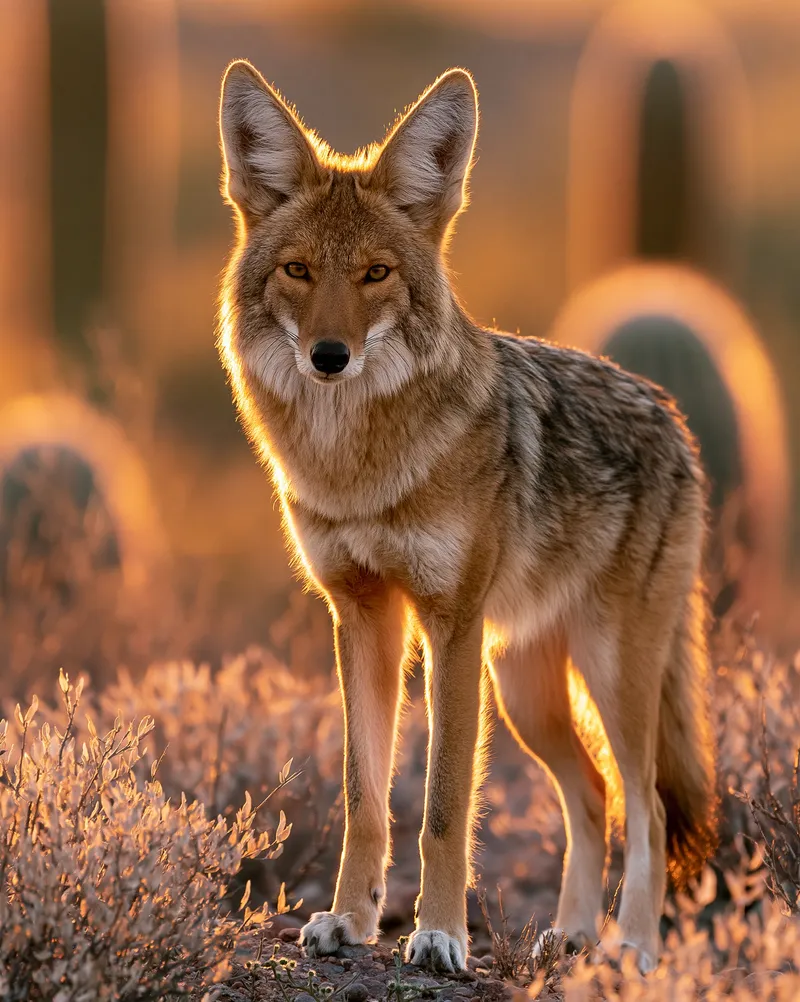 CoyoteFallCoyotes are common in Arizona's deserts and urban edges.
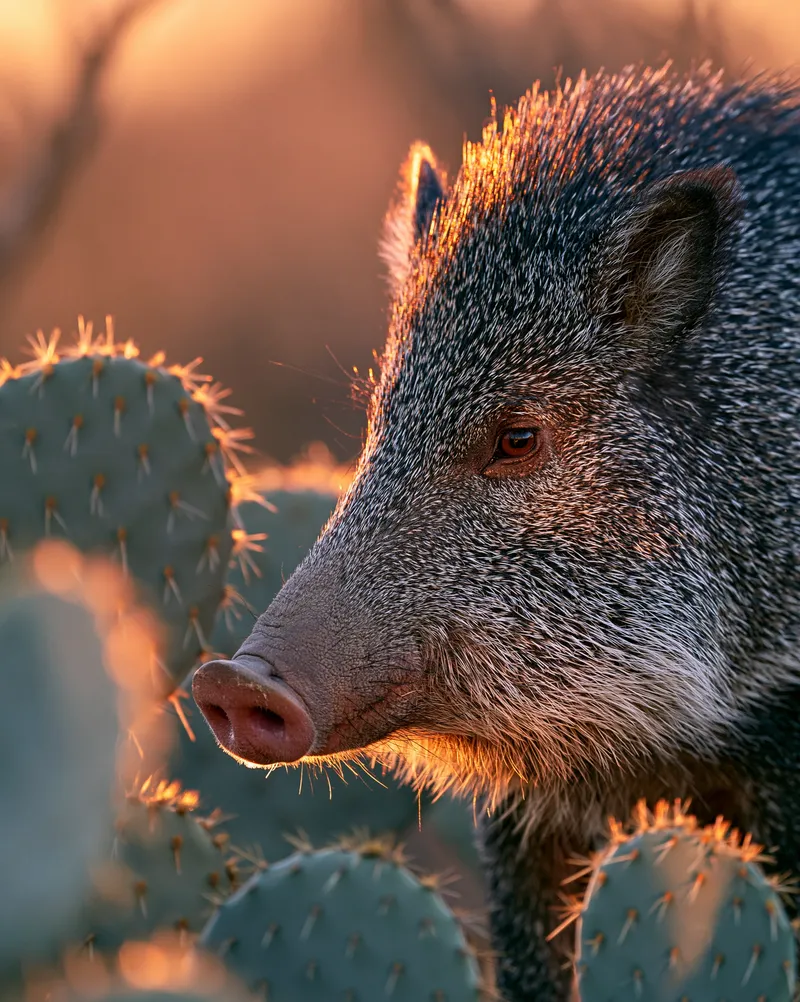 Collared PeccaryWinterJavelina are not pigs, but peccaries; they thrive in desert scrub and rely on prickly pear.
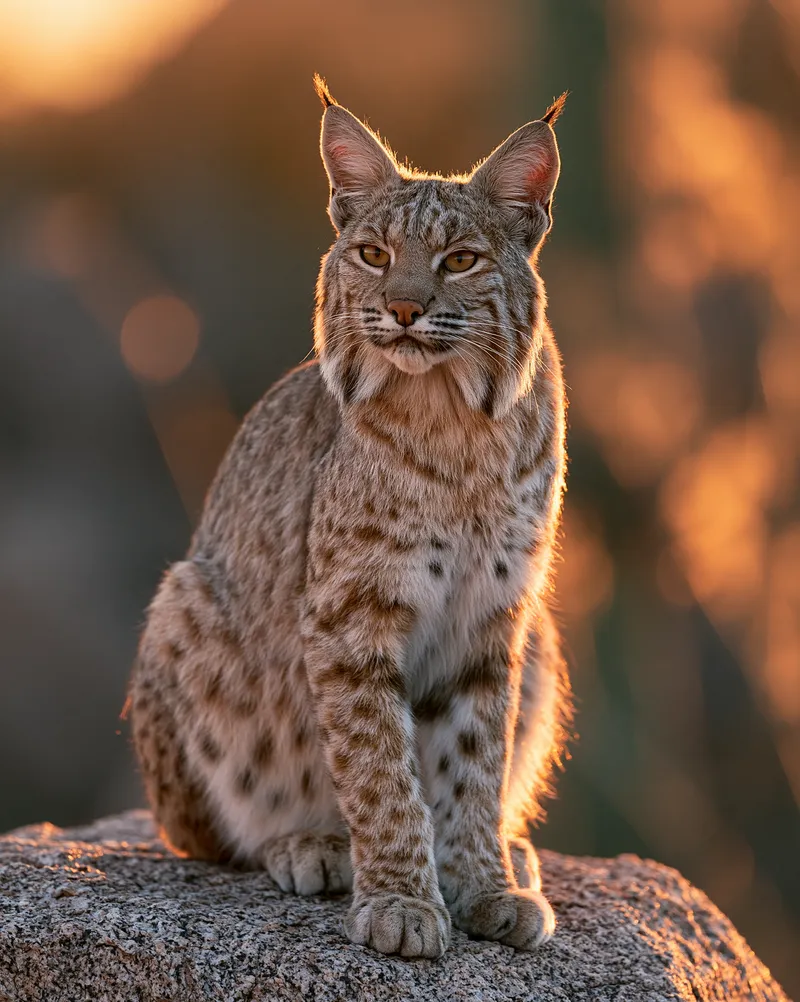 BobcatWinterBobcats thrive in Arizona's deserts and mountains, especially near brushy cover.
- White-tailed deerFallArkansas's state mammal, common in Ozark forests.
- ElkFallBoxley Valley's river-bottom hayfields hold the restored herd at dawn and dusk.
- American black bearSpringThe onetime Bear State has its bears back in the Ozark and Ouachita hills.
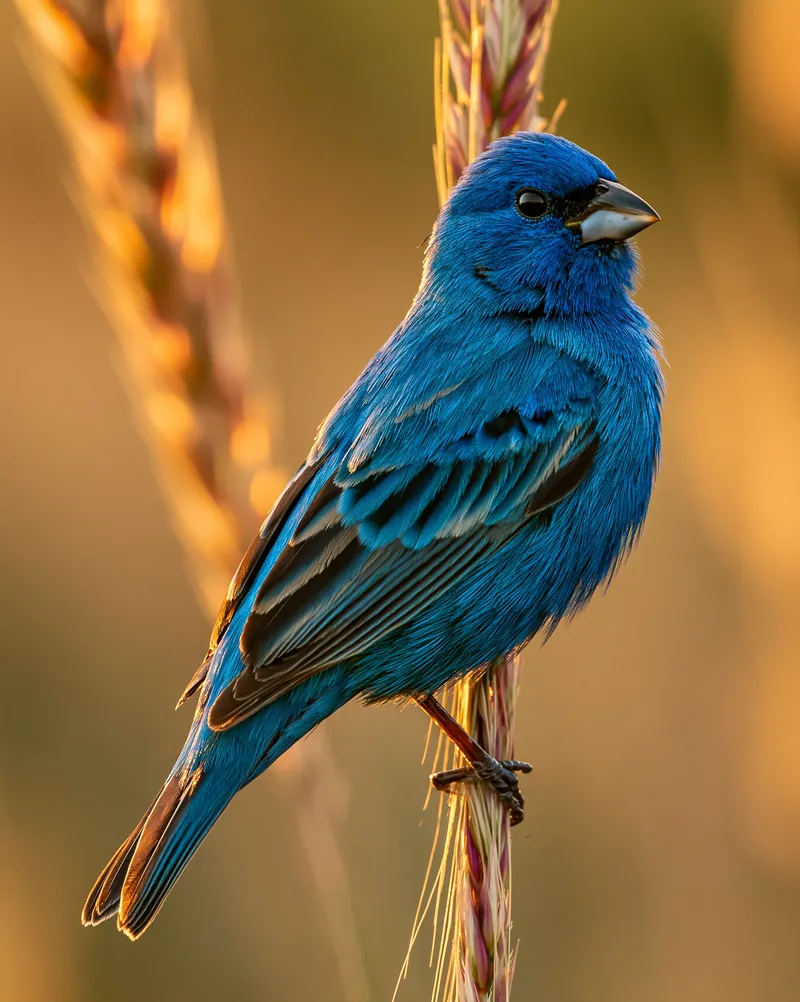 Indigo BuntingSummerMale is vivid blue; often perches on exposed twigs singing.
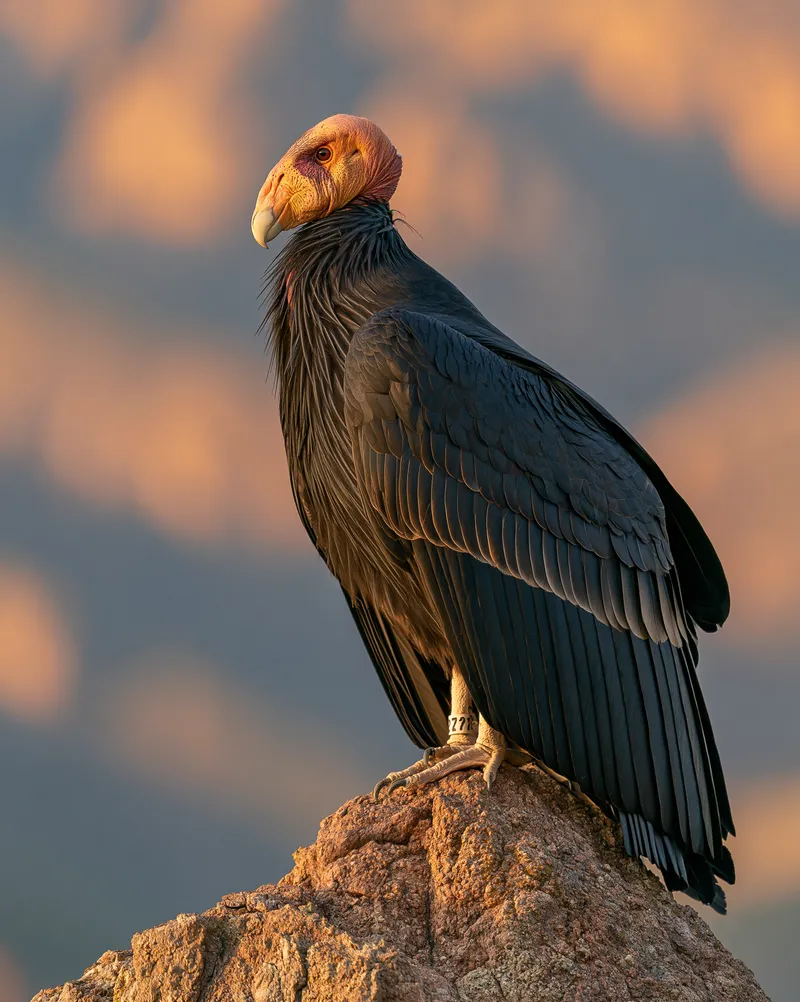 California condorWinterLargest North American land bird; 9.5 ft wingspan.
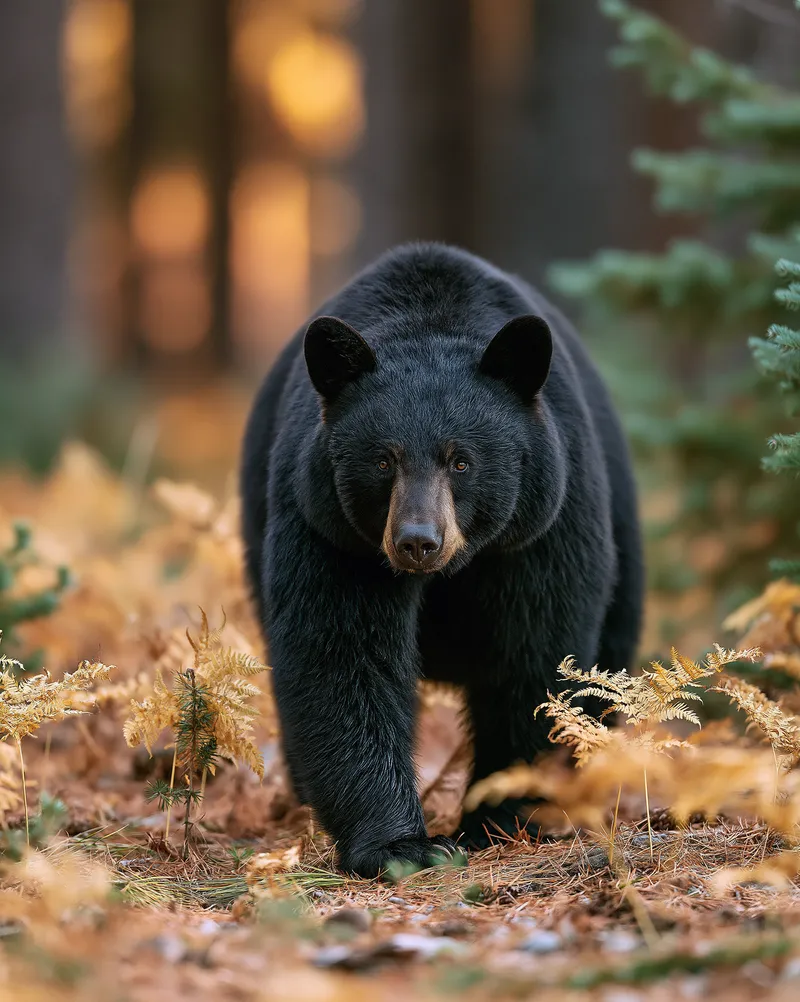 American black bearSummerCinnamon is a rare color phase of black bears, more common in western states.
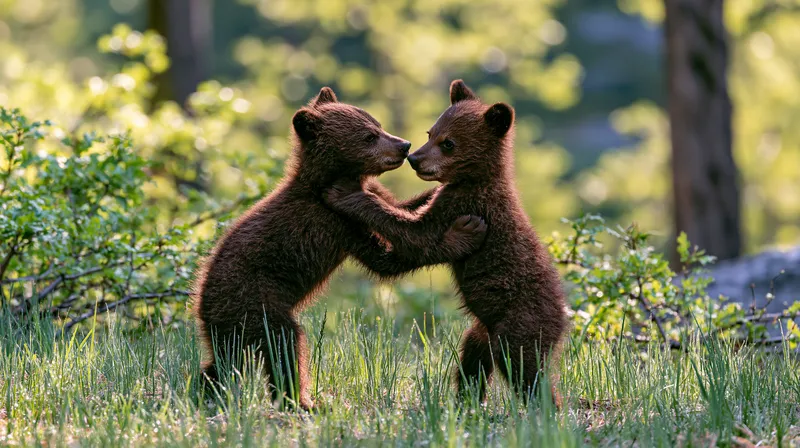 American black bear cubsSpringCubs are born in winter dens and emerge in spring to play and learn.
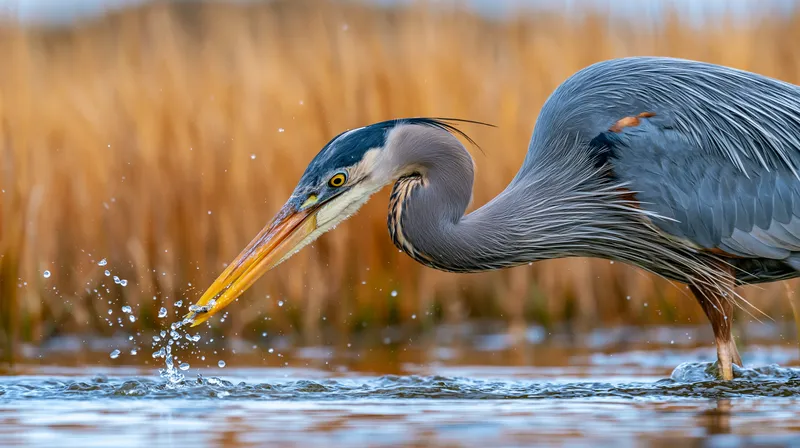 Great Blue HeronWinterTall wading bird often seen motionless in tidal marshes.
- Rocky Mountain elkFallSeptember rut draws photographers; bugles audible at distance.
- MooseSummerMoose are the largest deer species, found in wet meadows.
- Bighorn SheepSummerColorado's state mammal, found in rugged alpine and canyon habitats.
- PronghornFallPronghorn are the fastest land animal in North America, capable of sustained high speeds.
- American robinSpringAs Connecticut's state bird, it is a herald of New England spring.
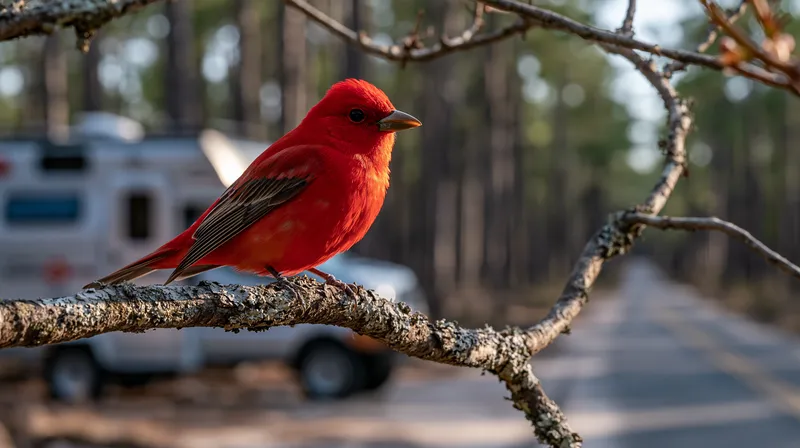
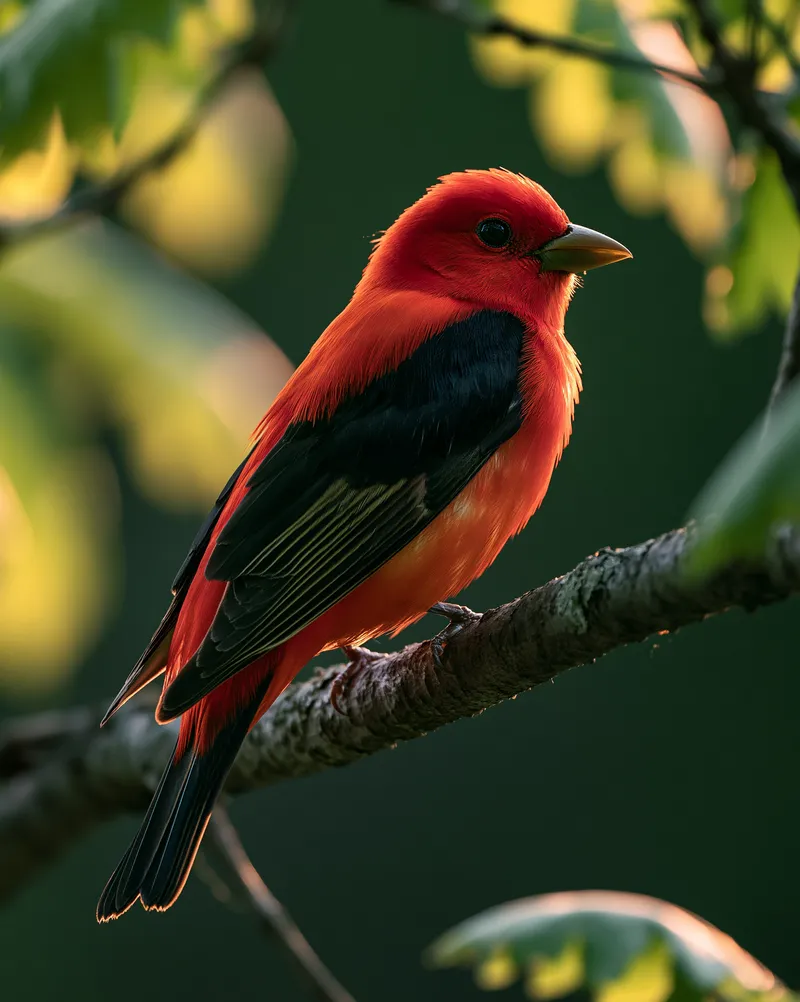 Scarlet TanagerSummerBrilliant red male with black wings, migratory from South America.
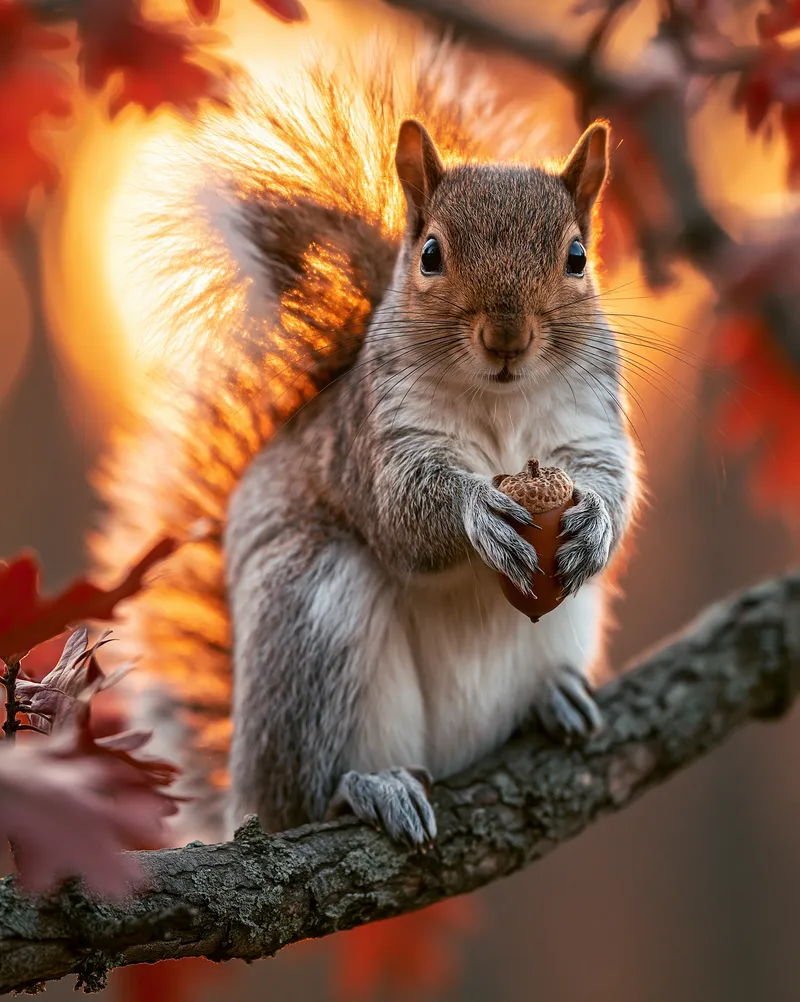 Gray squirrelFallThrives in oak forests; often seen gathering acorns in fall.
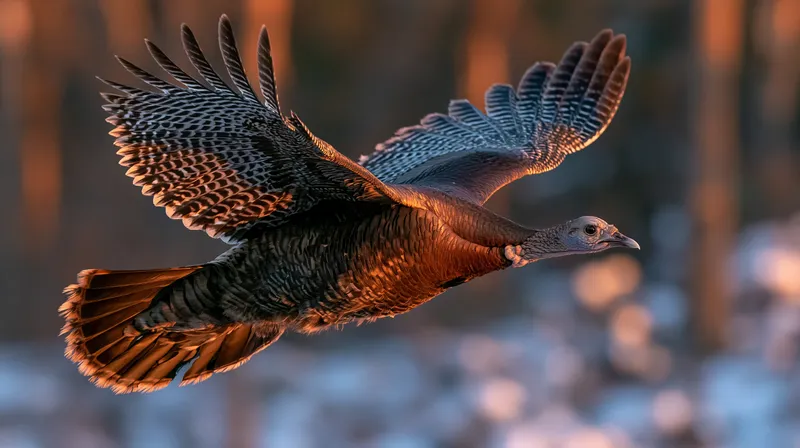 Wild turkeyWinterWinter’s quiet woods often reveal turkey tracks in fresh snow.
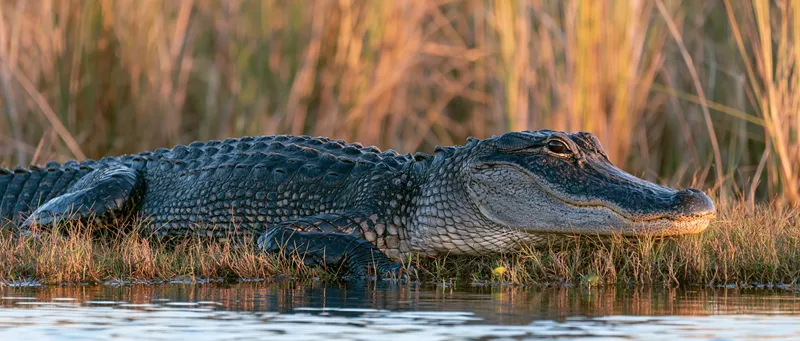 American alligatorSpringFlorida's official state reptile; ~1.3M wild population per FWC.
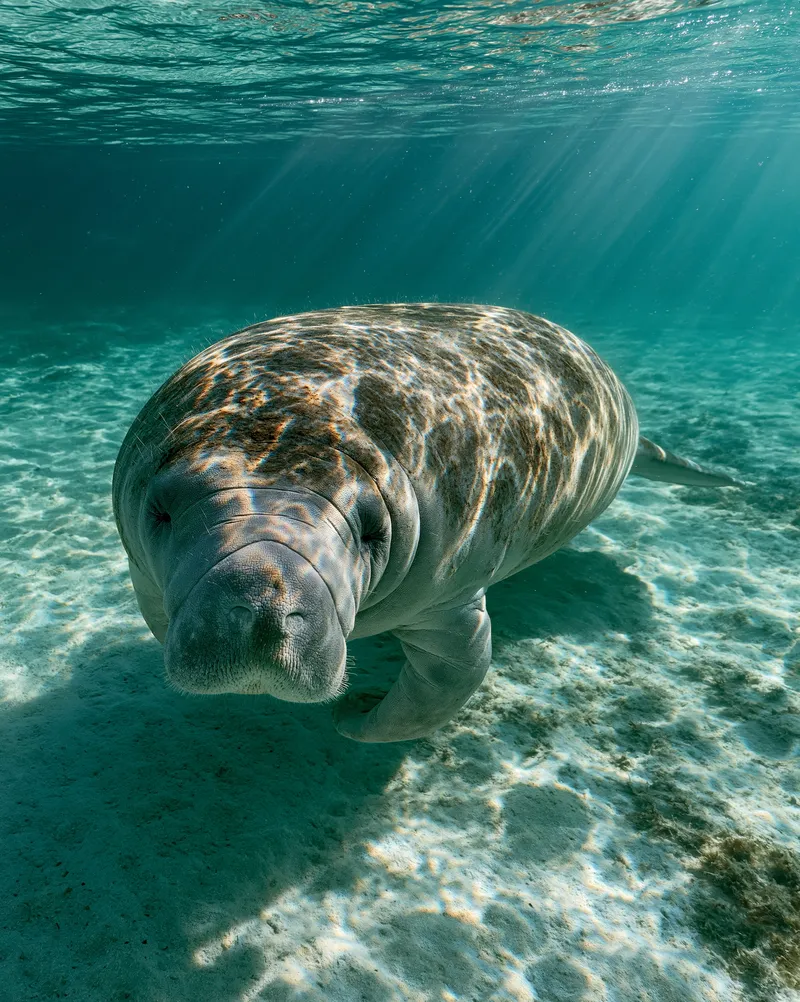 West Indian manateeWinterFlorida's official state marine mammal; gather at warm springs in winter.
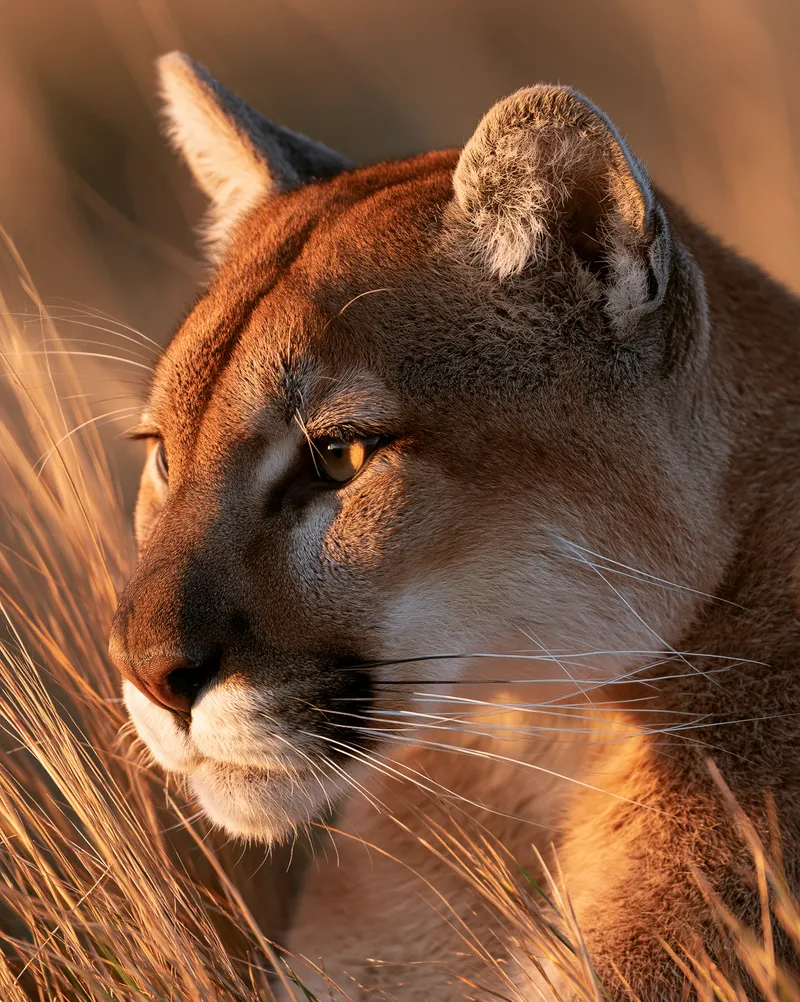 Florida pantherWinterElusive and solitary, mostly nocturnal.
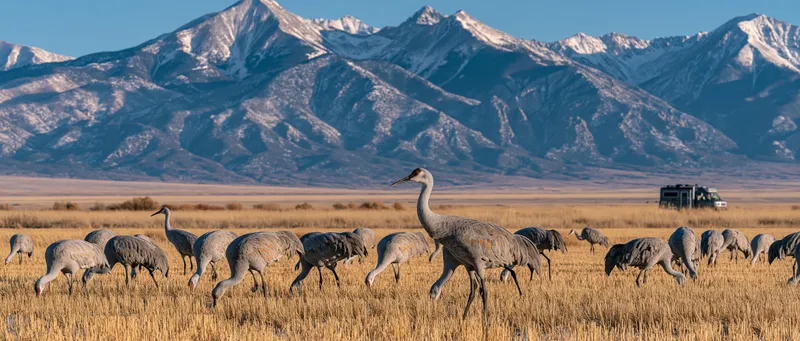
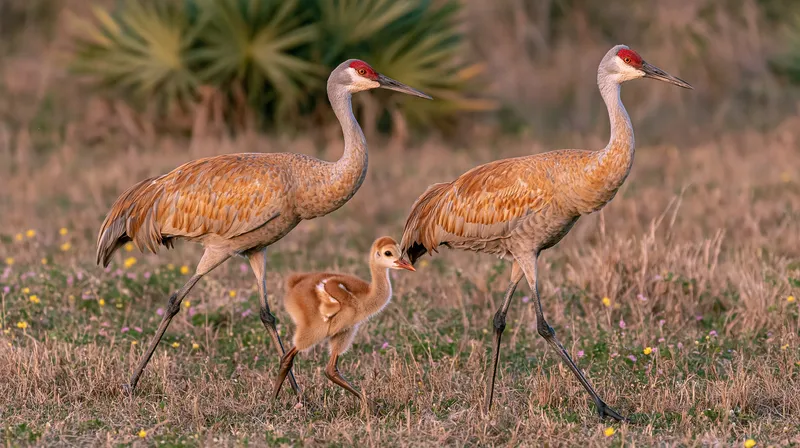 Sandhill craneWinterMonogamous and mate for life, often seen in pairs on prairies.
- Brown thrasherSummerGeorgia's official state bird; a rich songster of southern thickets.
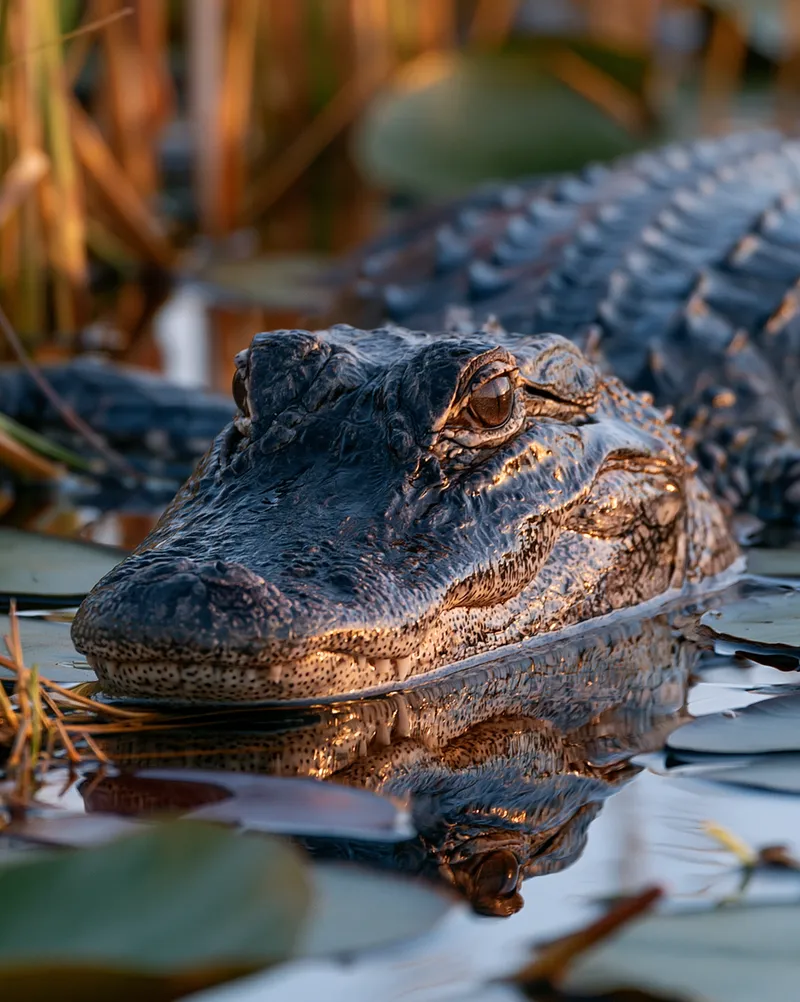 American alligatorSummerGeorgia's only crocodilian; common in southern wetlands.
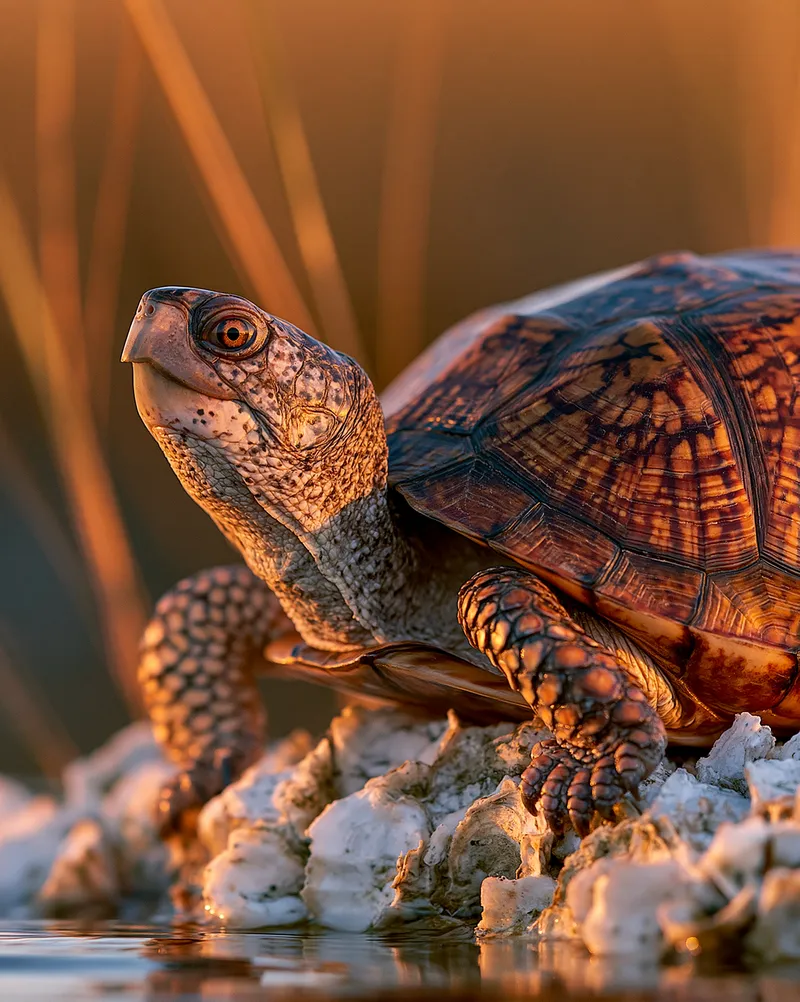 Diamondback terrapinSummerDiamondback terrapins inhabit brackish tidal marshes along the Georgia coast.
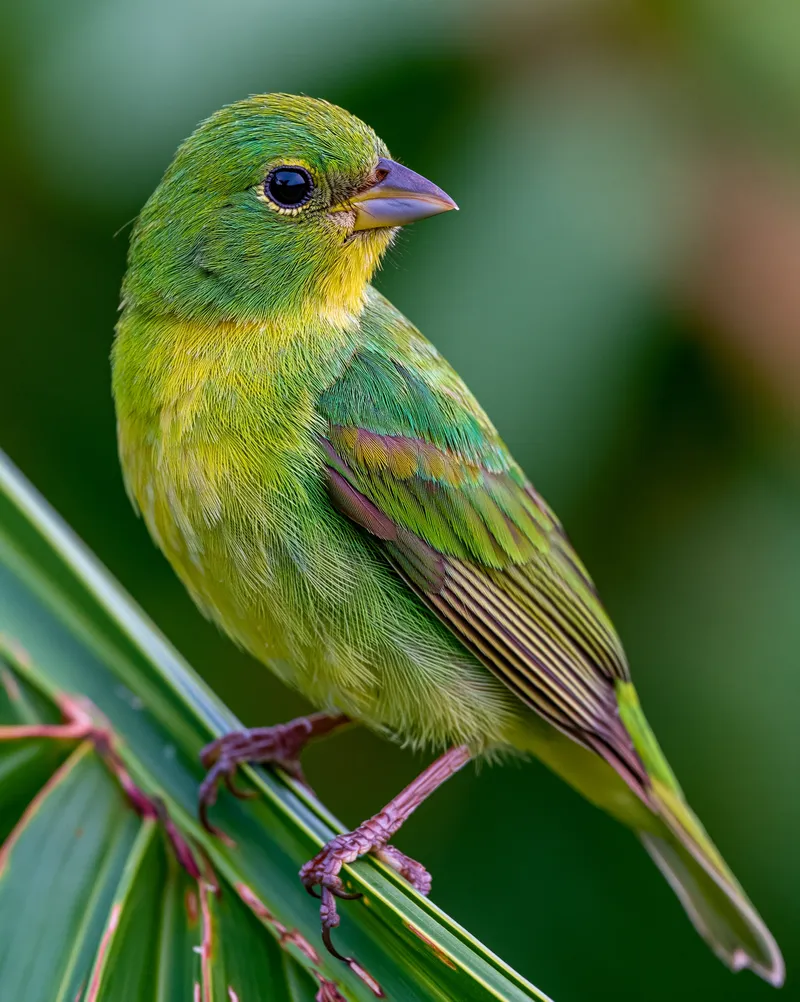 Painted BuntingSummerFemale is dull greenish-yellow with no blue or red, often confused with other finches
- Cutthroat troutSummerIdaho's state fish, native to clear Rocky Mountain water.
- MooseSummerMoose are the largest deer; watch for them in marshy meadows and lakes.
- Mule DeerSummerEasily seen in sagebrush foothills of Sun Valley during summer. Stotting is a signature gait.
- Bighorn SheepWinterTrue icons of the high desert and canyon rims.
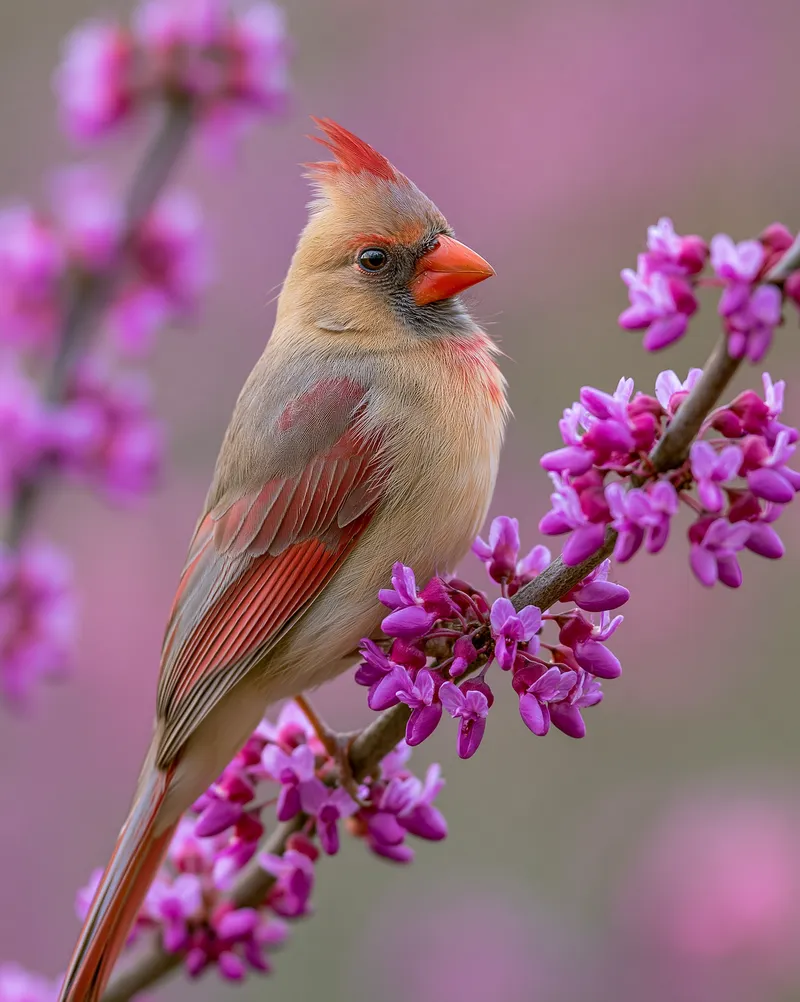
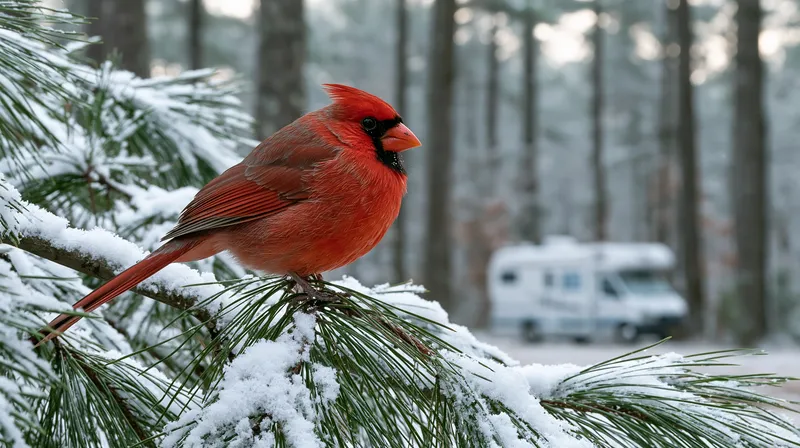
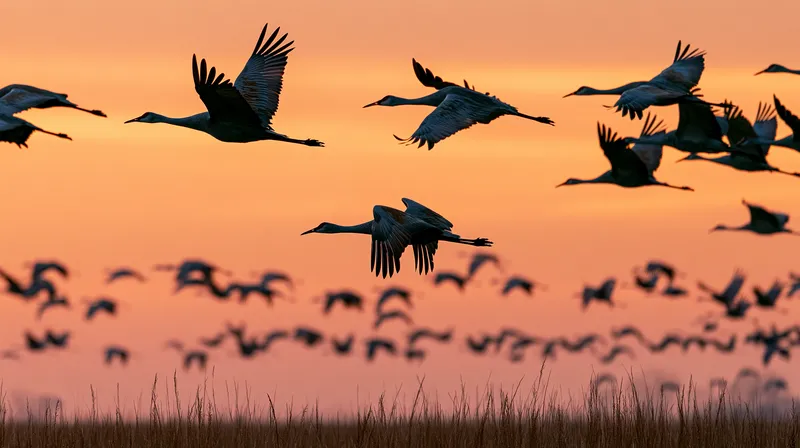
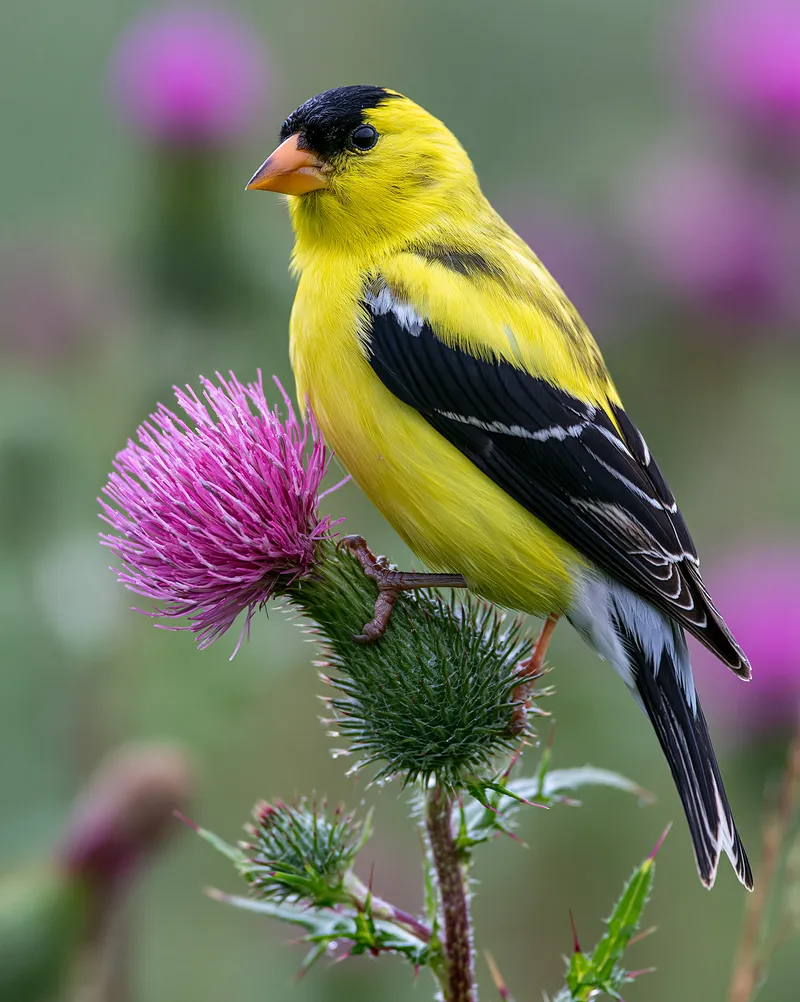
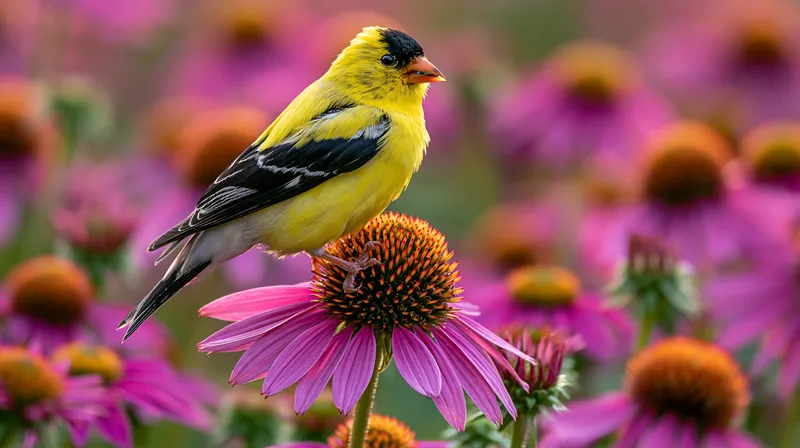 American goldfinchSummerIowa's state bird, it flashes gold over prairie and roadside thistle.
- Bald eagleWinterEagles crowd the open tailwater below the Mississippi River dams all winter.
- American white pelicanFallNine-foot wingspans wheel over Saylorville and Red Rock on migration.
- Wild turkeySpringWiped out once, flocks now work every wooded river corridor in the state.
- American bisonFallKansas's state mammal, it roams the surviving tallgrass prairie.
- Greater prairie-chickenSpringMales boom on dawn leks each spring, orange air sacs flared over the tallgrass.
- Sandhill craneSpringGreat migration flights funnel through Cheyenne Bottoms and Quivira.
- Black-tailed prairie dogSpringDaylight-busy burrow towns still dot the shortgrass west of the state.
- Thoroughbred horseSpringKentucky's state horse, the heart of Bluegrass country.
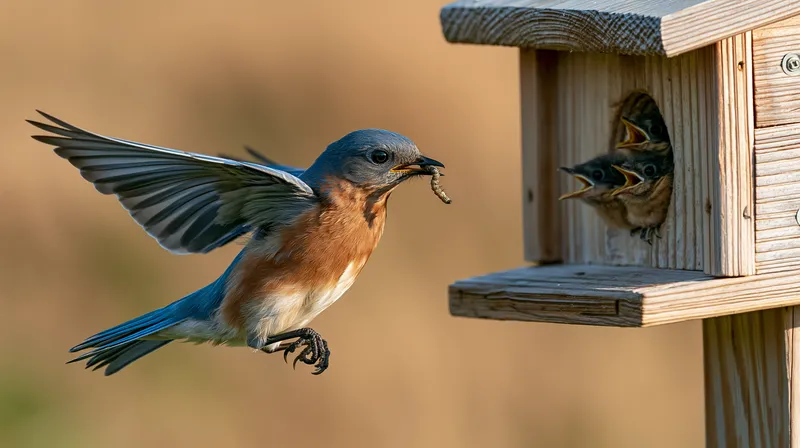 Eastern BluebirdSummerA cheerful thrush often seen perched on wires in open fields.
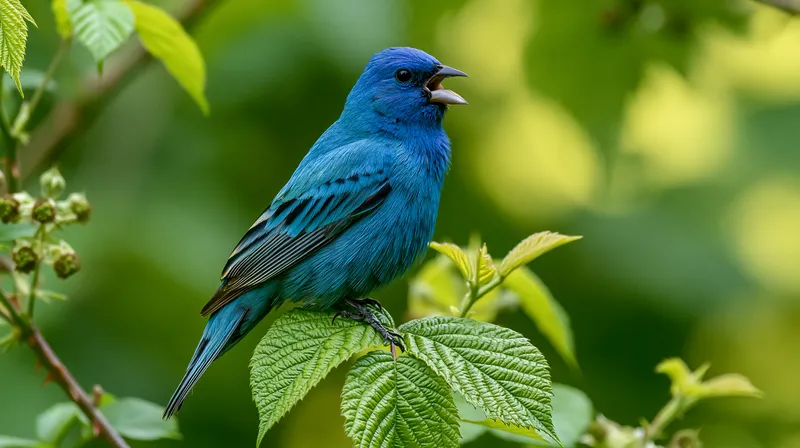 Indigo BuntingSummerMales are blue; females and juveniles are warm brown with faint streaks
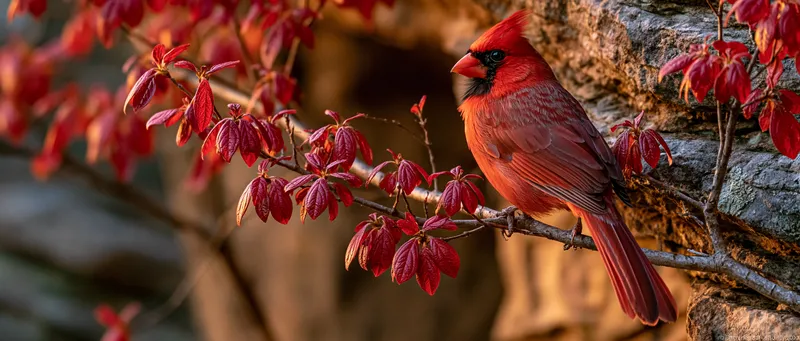 Northern CardinalWinterMale's brilliant red plumage stands out against autumn foliage in the gorge.
- Brown pelicanSummerAs the state bird, the brown pelican is the emblem of the 'Pelican State' on the Gulf.
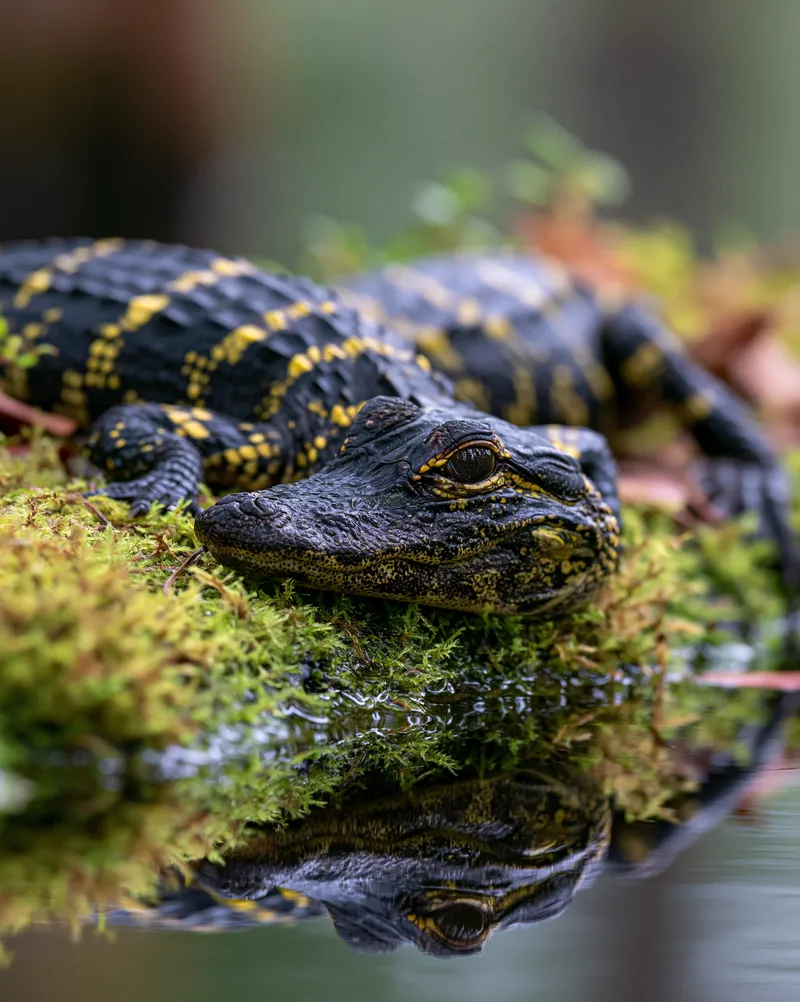 American alligatorSpringOften seen basking on logs or banks in still, warm water
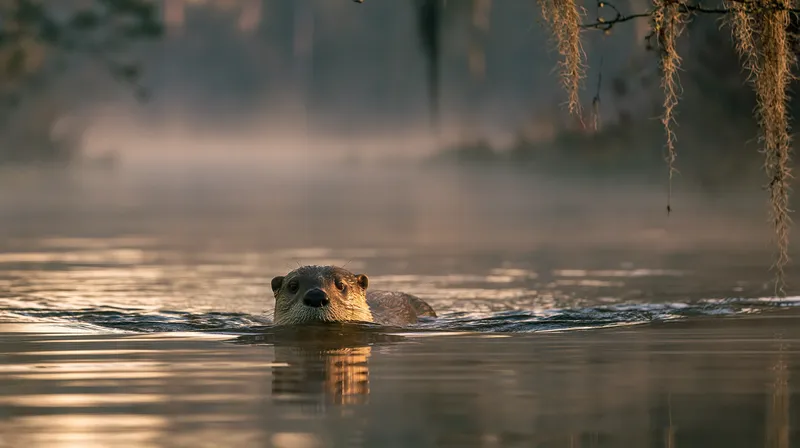 River otterSpringSleek, playful aquatic mammal often seen at dawn.
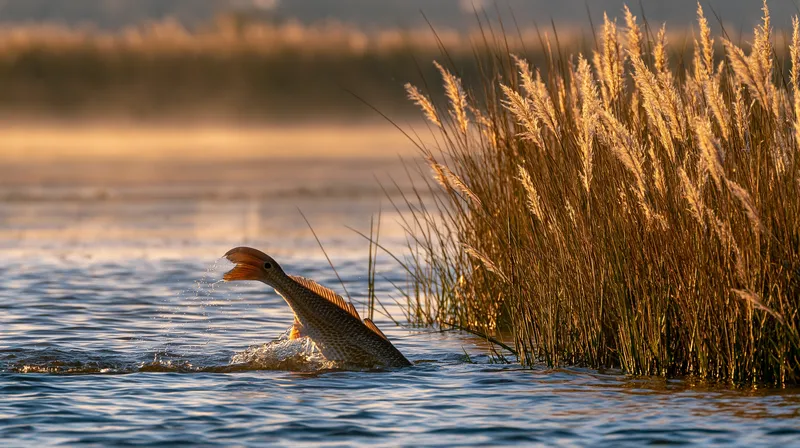 RedfishSummerRed drum are copper-bronze with a distinctive black tail spot
- MooseSummerMaine's official state animal; bulls reach 1,200 lb; favor boreal forests near water.
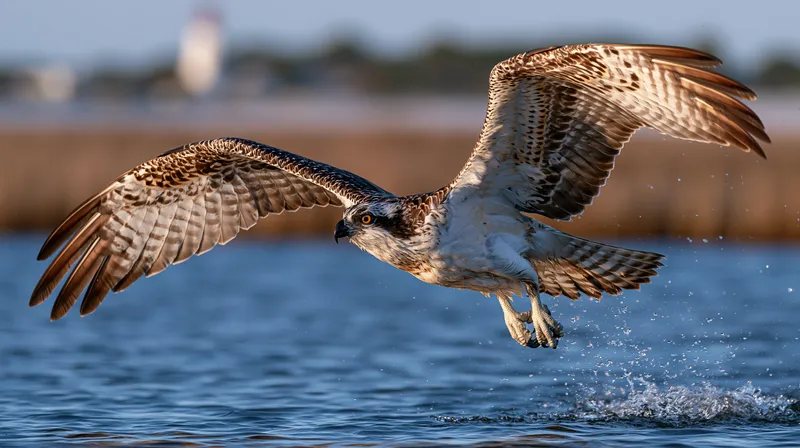
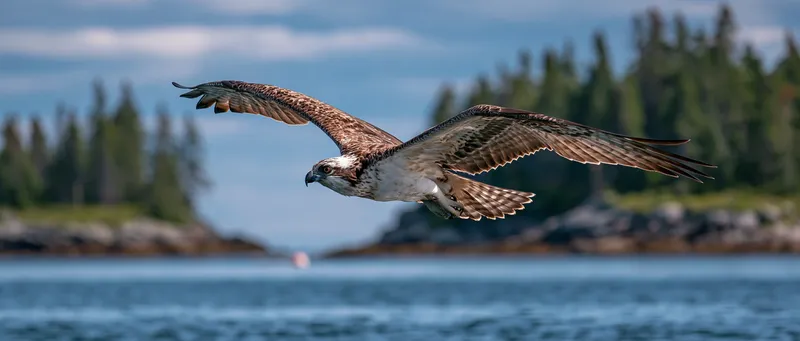 OspreySummerNests on channel markers and platforms, plunges for fish.
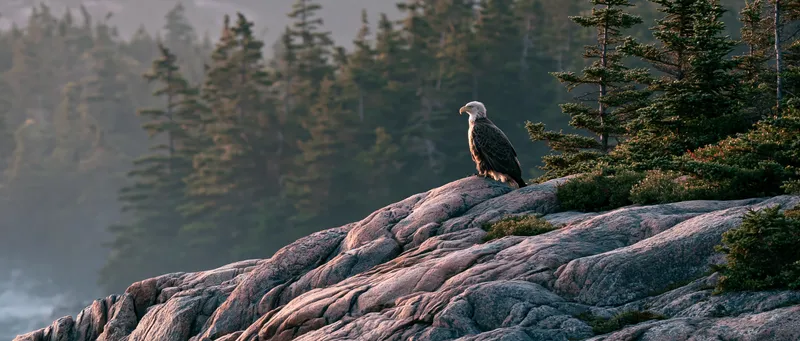 Bald EagleSummerBald eagles thrive along Maine's rocky coast and inland lakes.
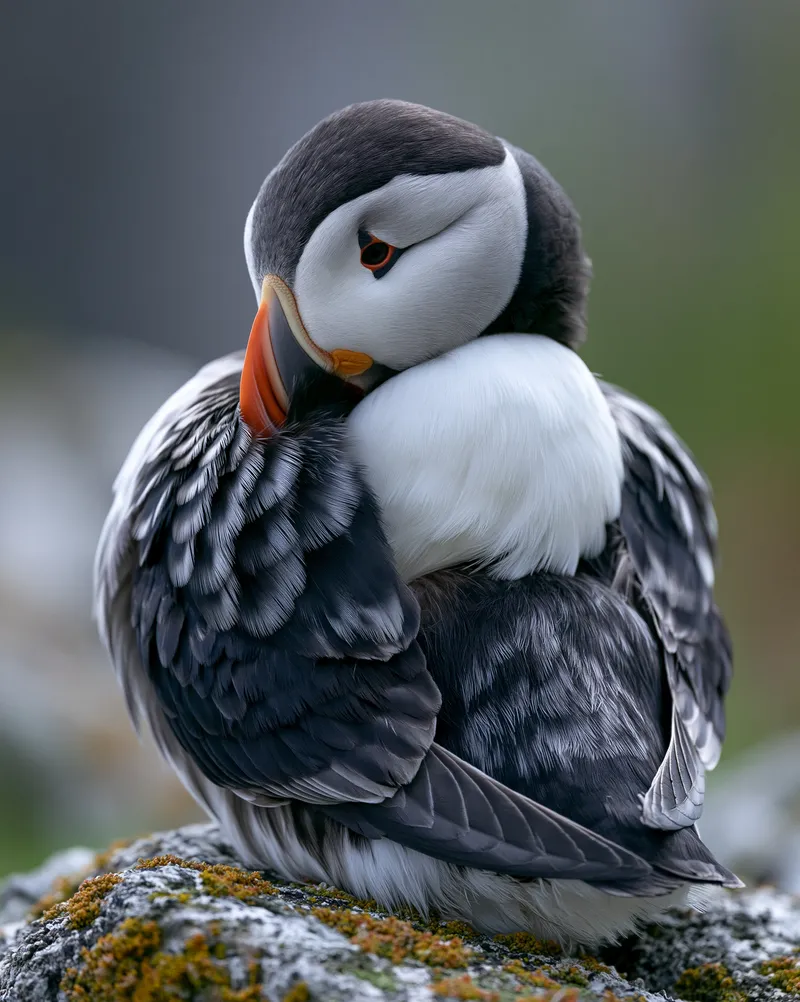 Atlantic puffinSummerAtlantic puffins are seabirds that return to Maine's islands each spring.
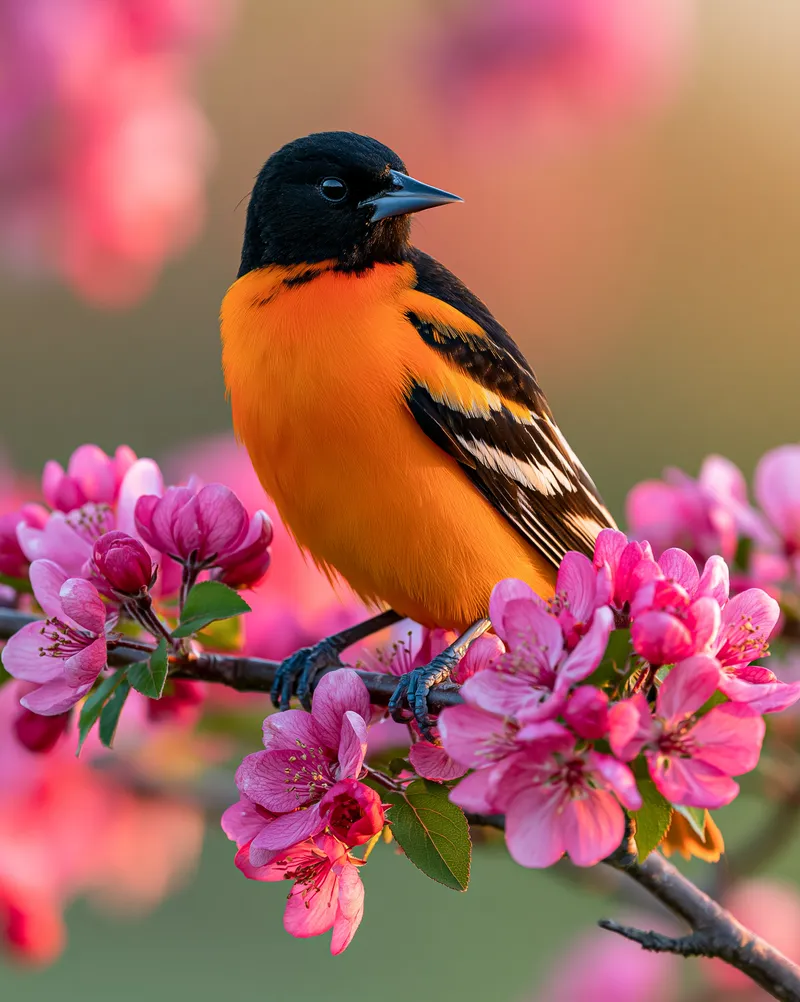
- Black-capped chickadeeWinterMassachusetts's state bird; a friendly year-round companion.
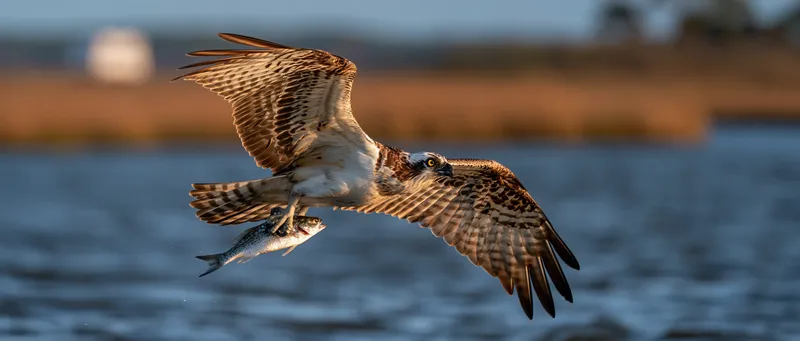
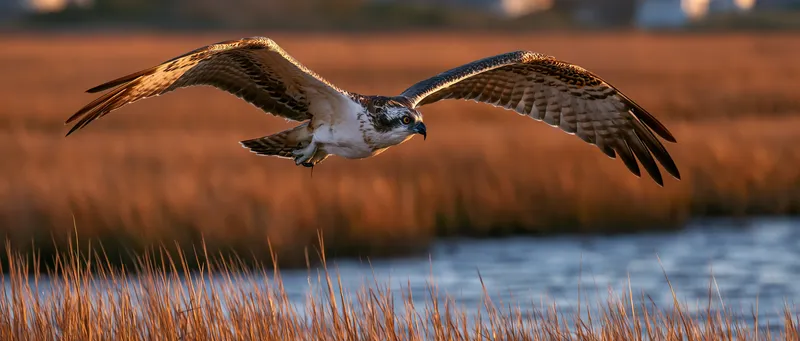 OspreySummerOspreys nest on platforms and hunt fish in shallow waters.
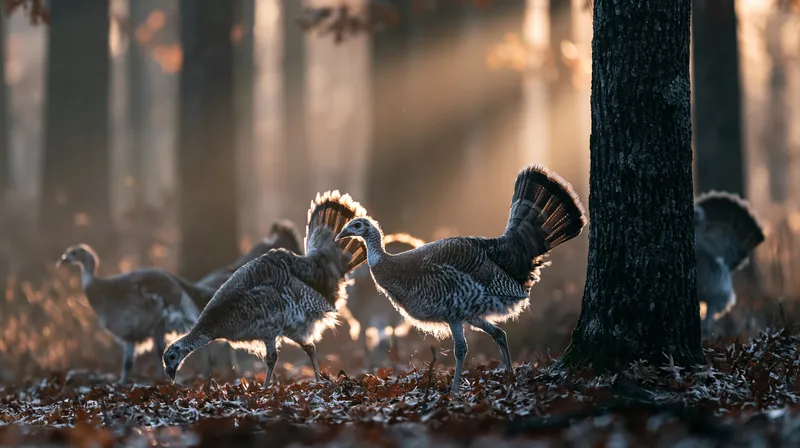 Wild turkeyFallThrives in mixed forests and agricultural edges; wary but widespread
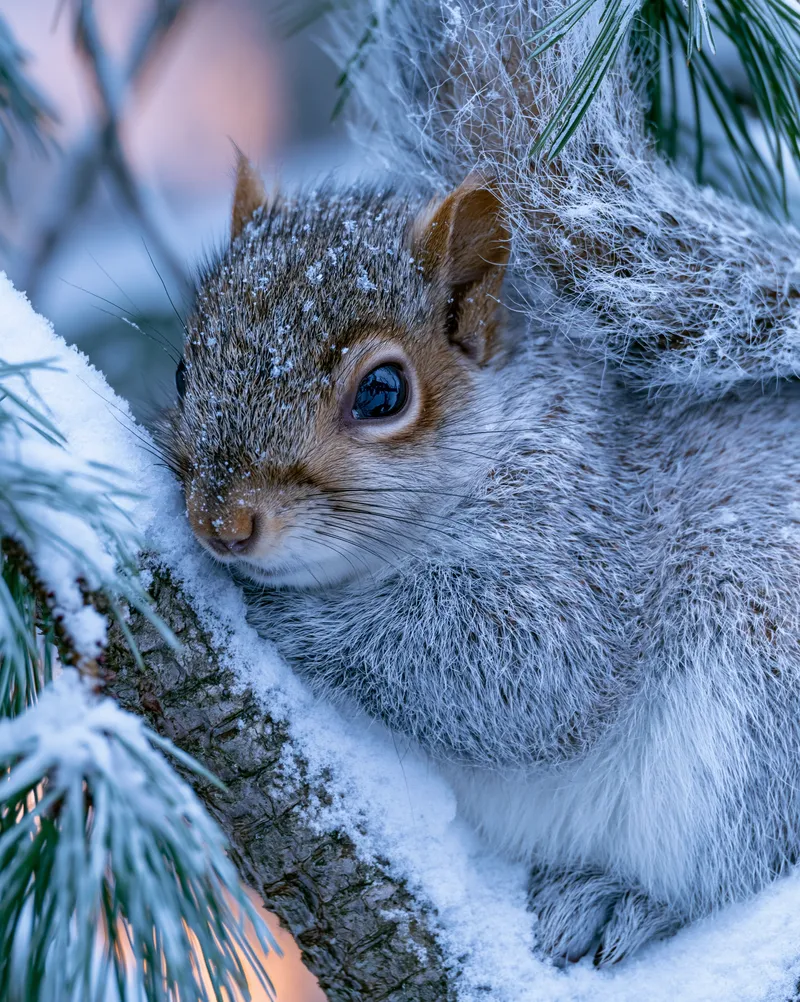 Gray squirrelWinterOften seen caching acorns under snow in winter
- White-tailed deerFallMichigan's state game mammal, common across its north woods.
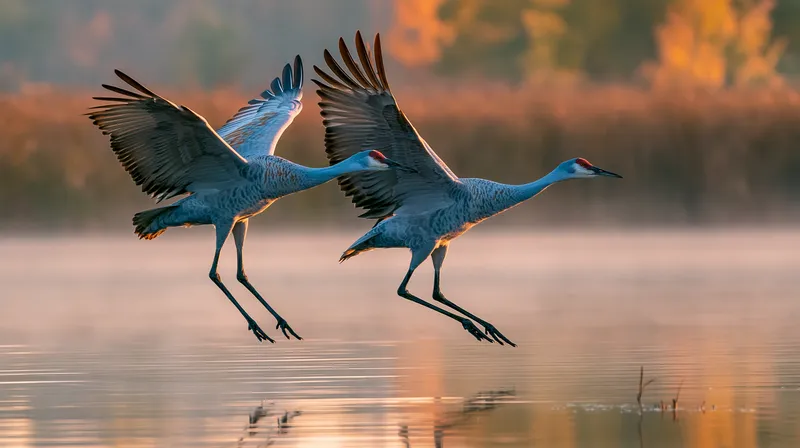 Sandhill CraneFallLarge gray crane with red forehead, often feeds in harvested fields.
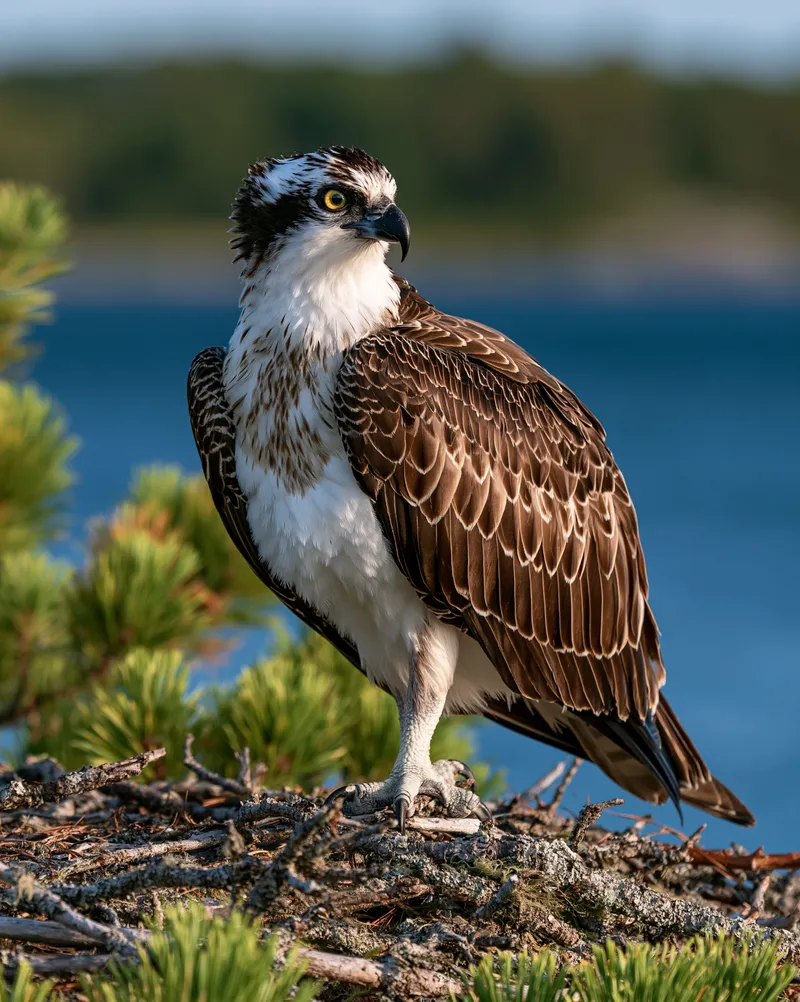 OspreySummerOspreys return to Michigan each spring to nest on platforms or dead trees.
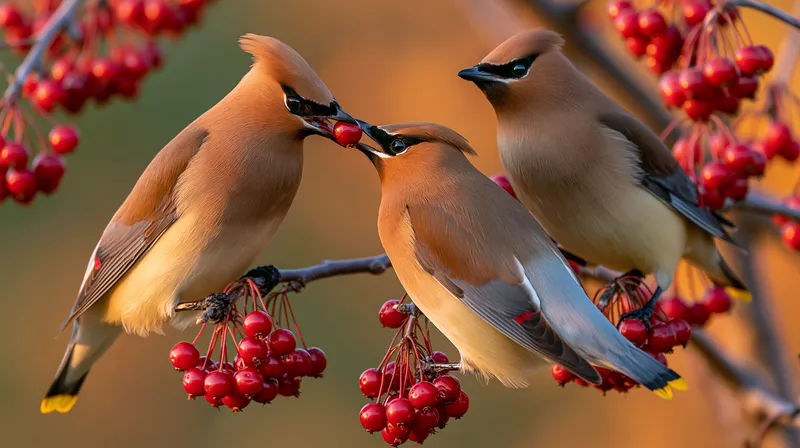 Cedar WaxwingFallFeeds almost exclusively on fruit, especially serviceberries and cherries.
- Common loonSummerMinnesota's state bird; its call carries across the north woods lakes.
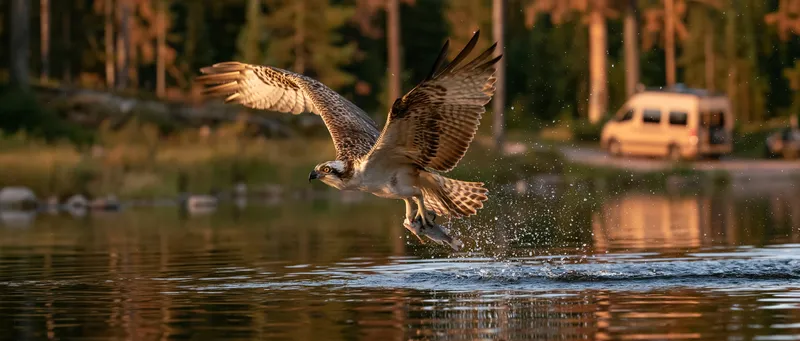 OspreySummerOften seen perched on dead snags near water
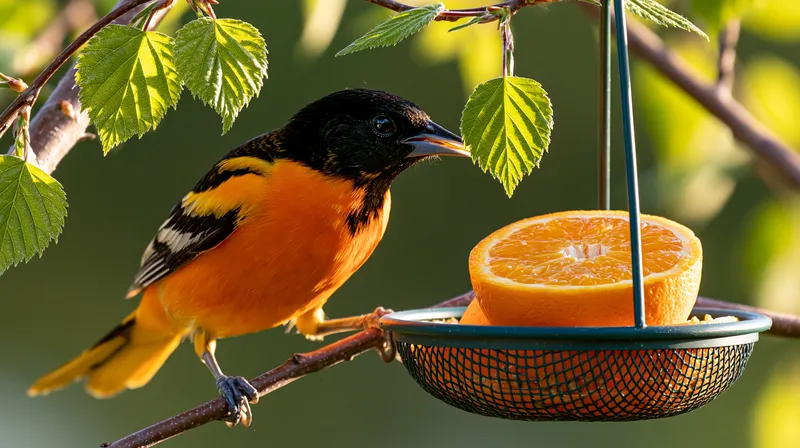 Baltimore OrioleSummerMale Baltimore Orioles are vivid orange and black, known for hanging nest pouches.
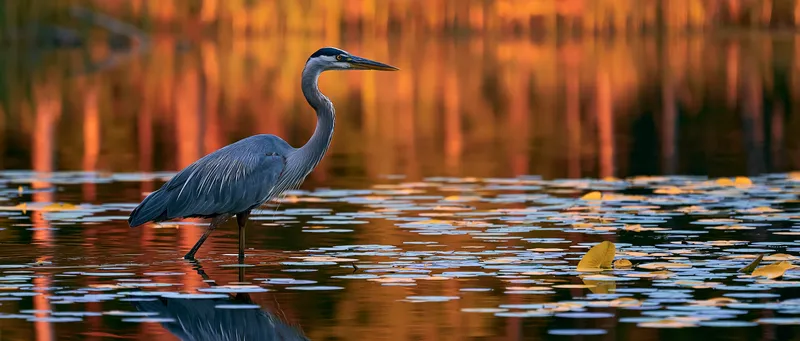 Great Blue HeronSpringWades shallow water, spearing fish and frogs.
- Northern mockingbirdSummerMississippi's state bird, a tireless songster and mimic.
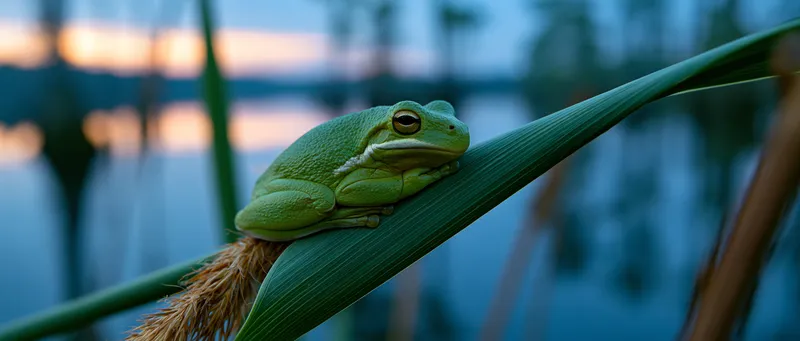 Green treefrog on cattailSummerBright green with pale stripe, calls from cattails at dusk.
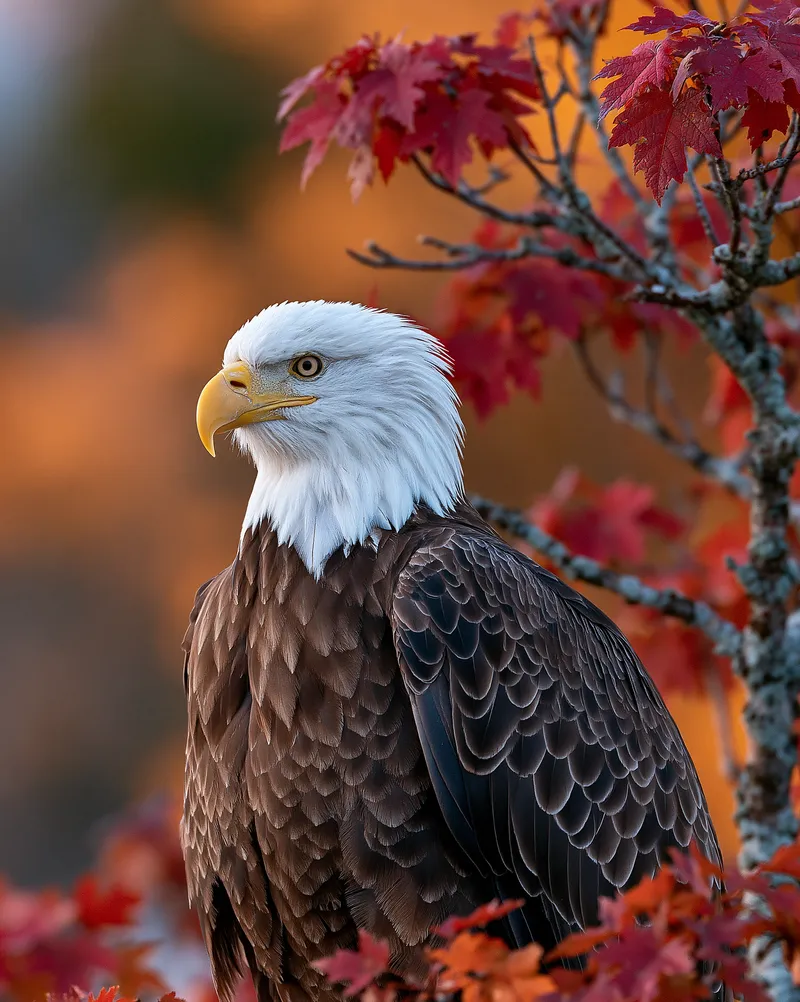 Bald EagleWinterBald Eagles winter along Mississippi's rivers and reservoirs.
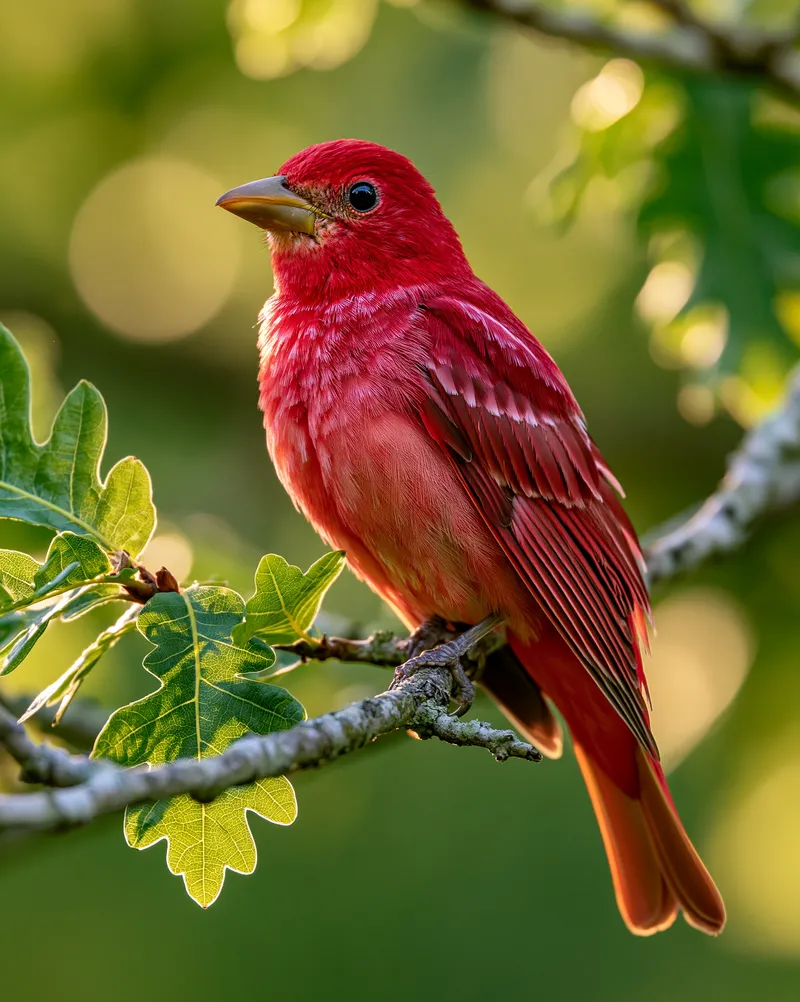 Summer TanagerSpringMales are striking red; females are yellow
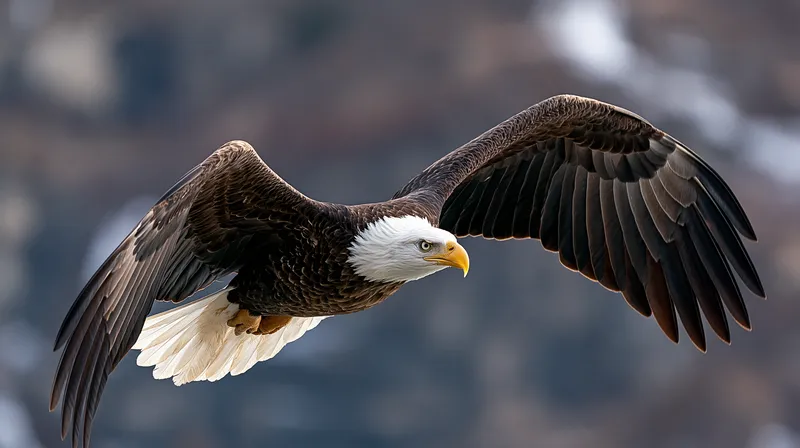
- Mountain goatSummerIconic Glacier NP resident; rubber-like hooves grip near-vertical cliffs.
- American BisonWinterLargest land mammal in North America, in Yellowstone
- Rocky Mountain ElkFallListen for the haunting bugle of a bull elk at dawn.
- MooseFallMoose are the largest deer species, thrive in cold wetlands.
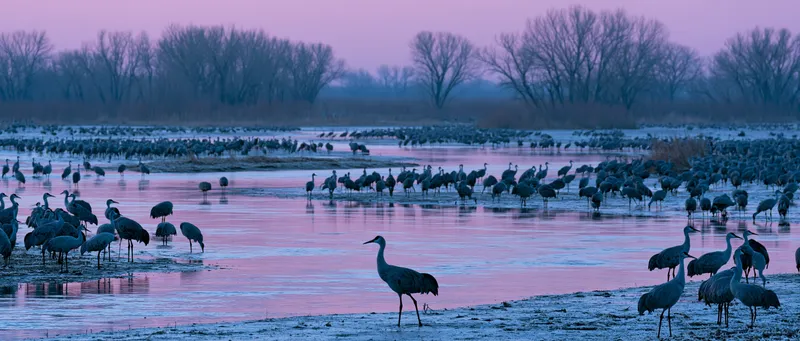
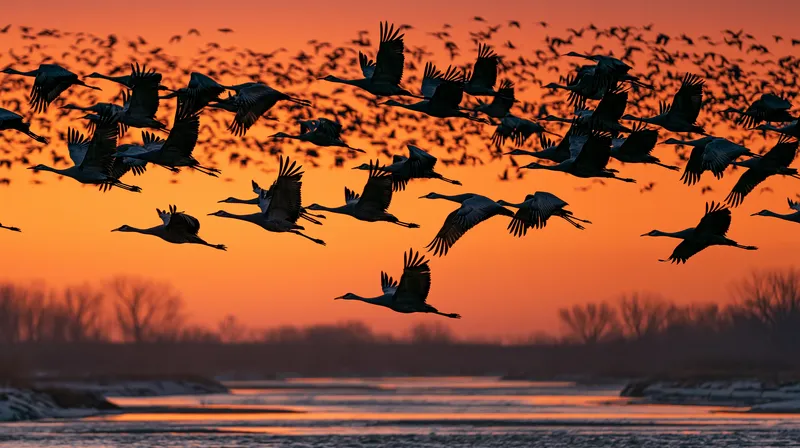
- Desert bighorn sheepWinterNevada's state animal, it scales rugged desert ranges.
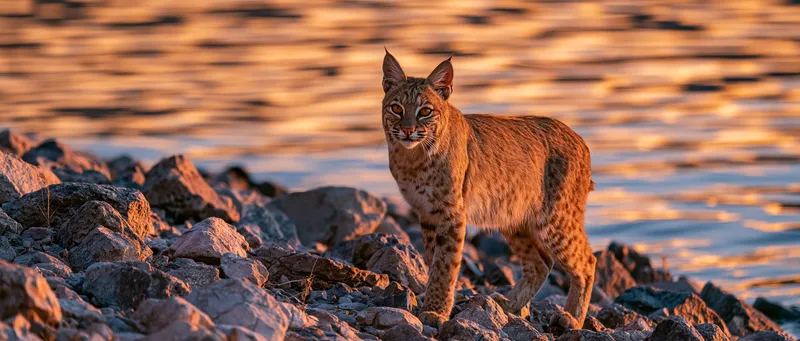 BobcatSpringCrepuscular hunter; elusive but regularly seen in Mojave Desert scrub.
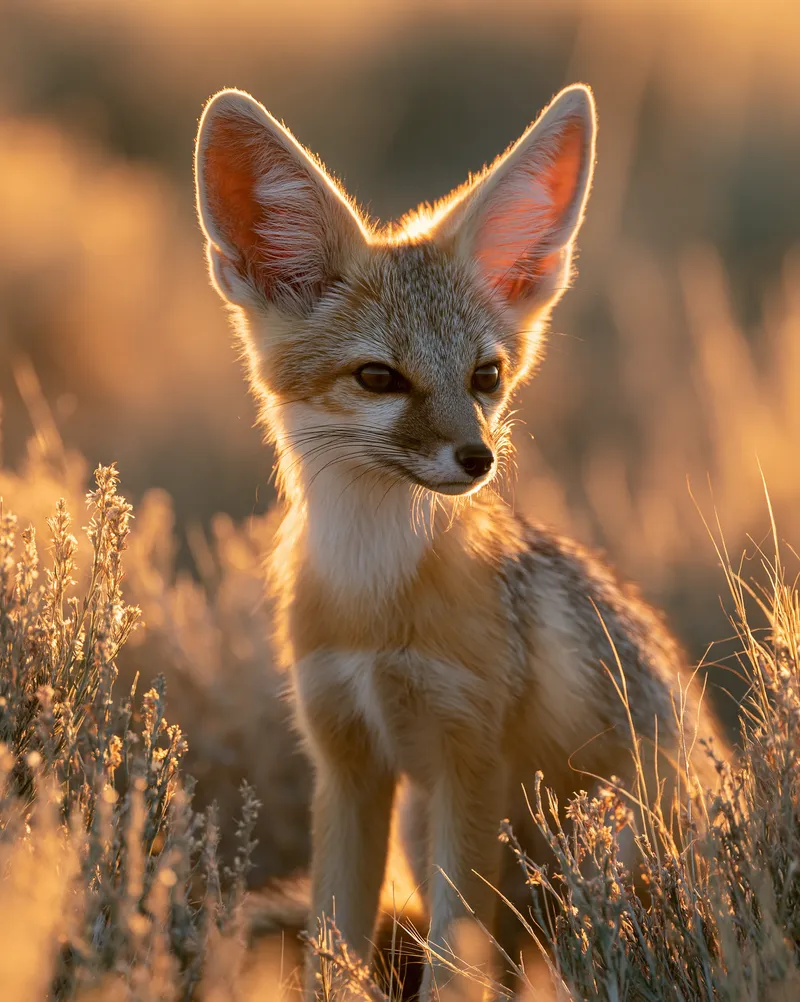 Kit FoxSpringA tiny fox of the western deserts, built for the night.
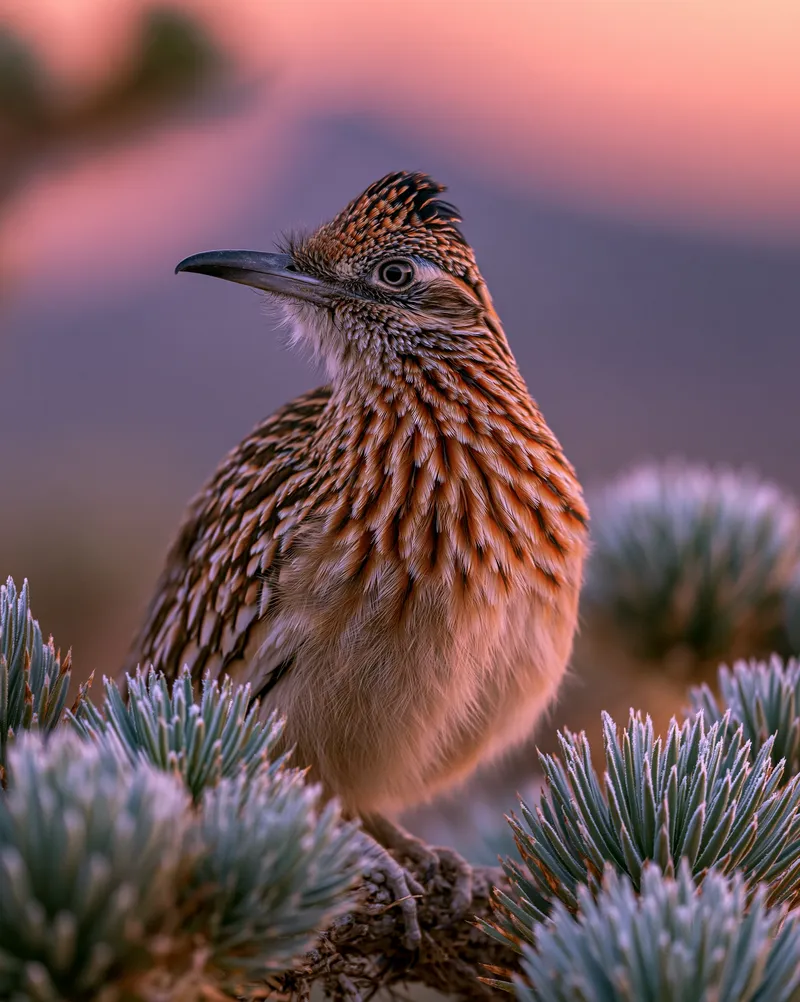 Greater RoadrunnerSpringA quick, clever bird that prefers running over flying.
- Purple finchSummerNew Hampshire's state bird; a raspberry-washed finch of the White Mountains.
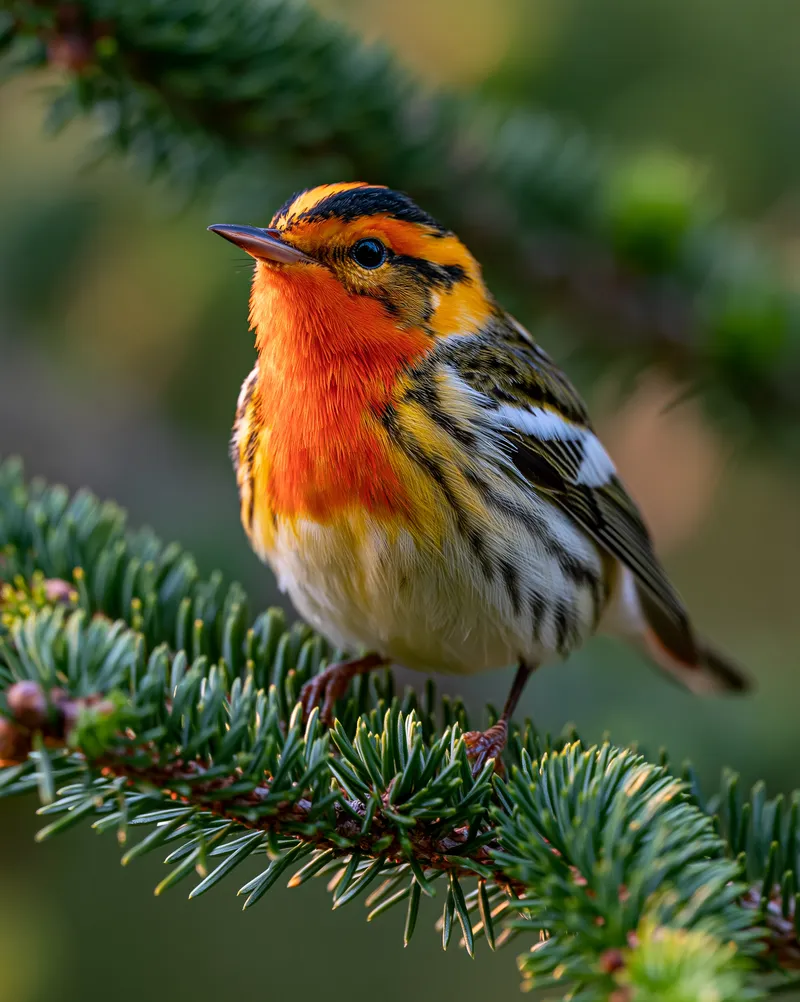 Blackburnian WarblerSummerStriking orange throat and black face, a gem of the high spruce canopy.
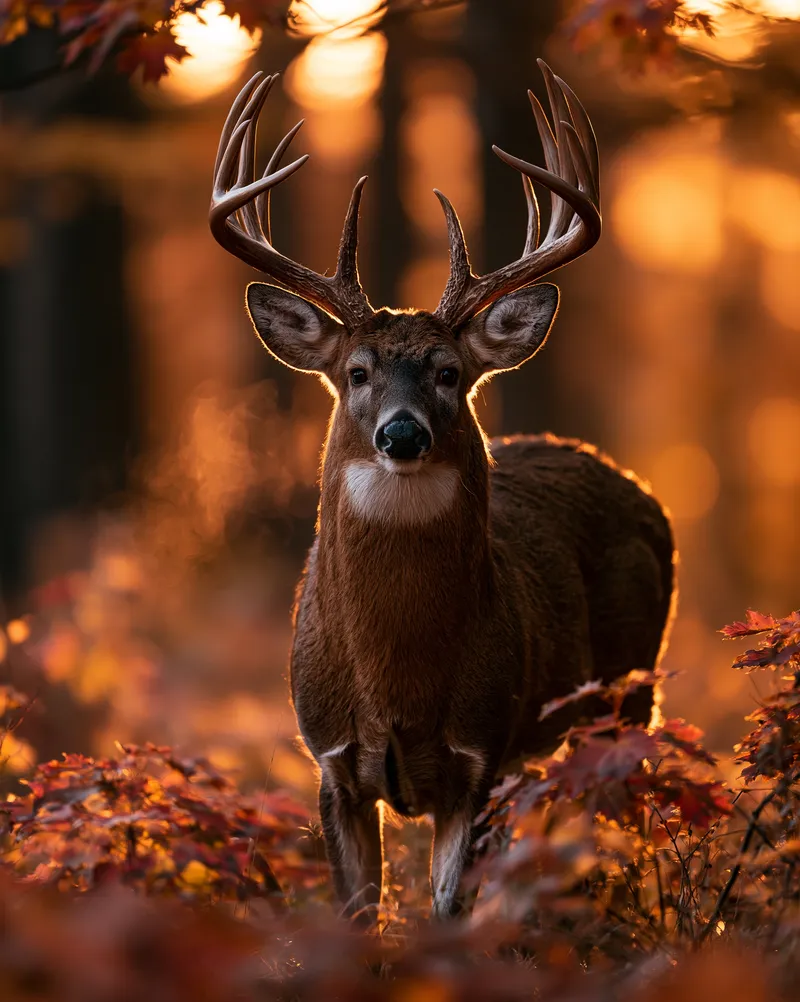 White-tailed deerSummerFawns are born in late spring/early summer, often seen in meadows.
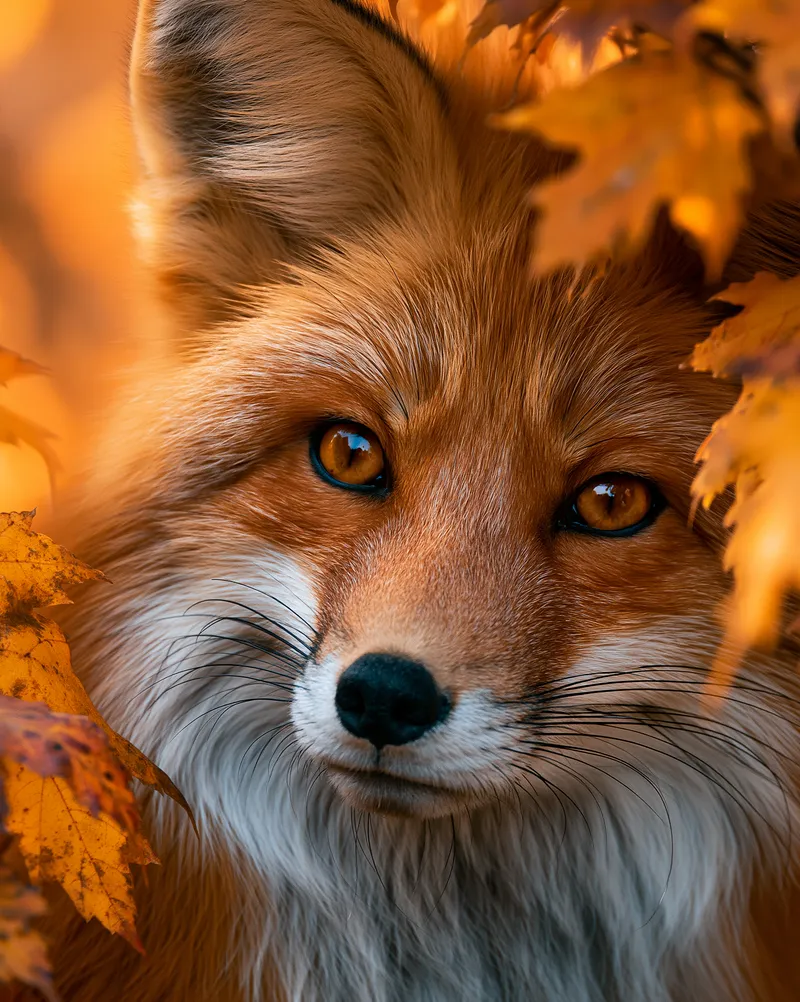 Red foxSpringRed foxes are versatile, living near fields and forests across New Hampshire.
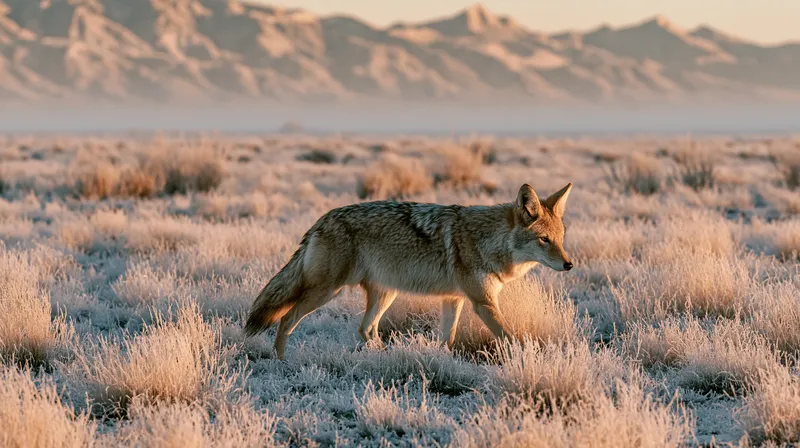 CoyoteSpringHighly adaptive predator-scavenger; vocal at dusk + dawn.
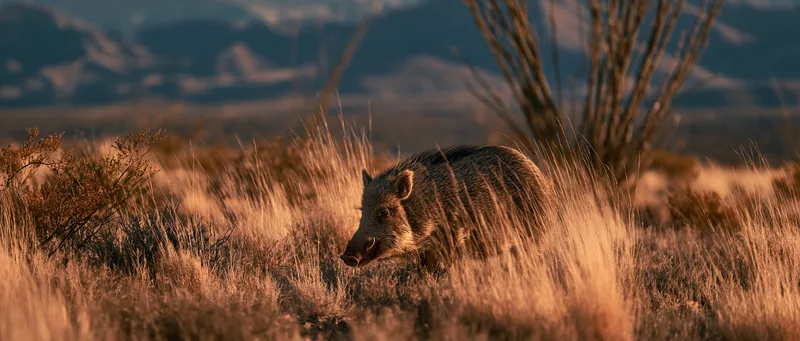 Collared PeccaryFallJavelina are hardy desert dwellers, often seen in small bands.
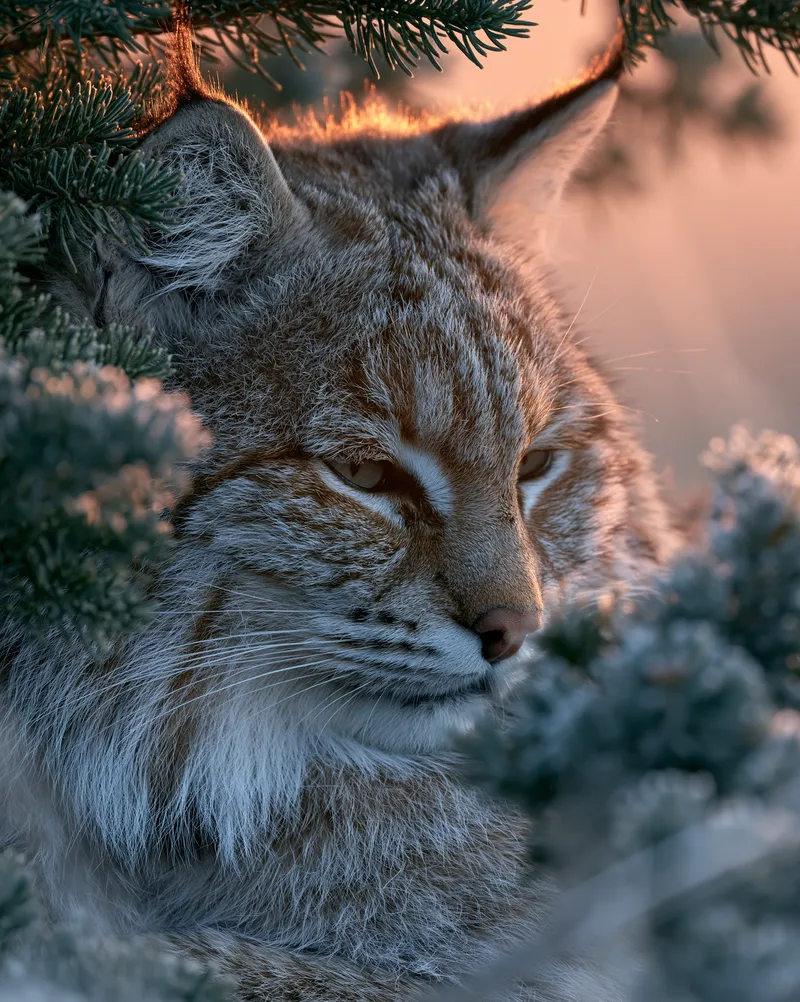 BobcatWinterBobcats are elusive, solitary cats adapted to diverse habitats across New Mexico.
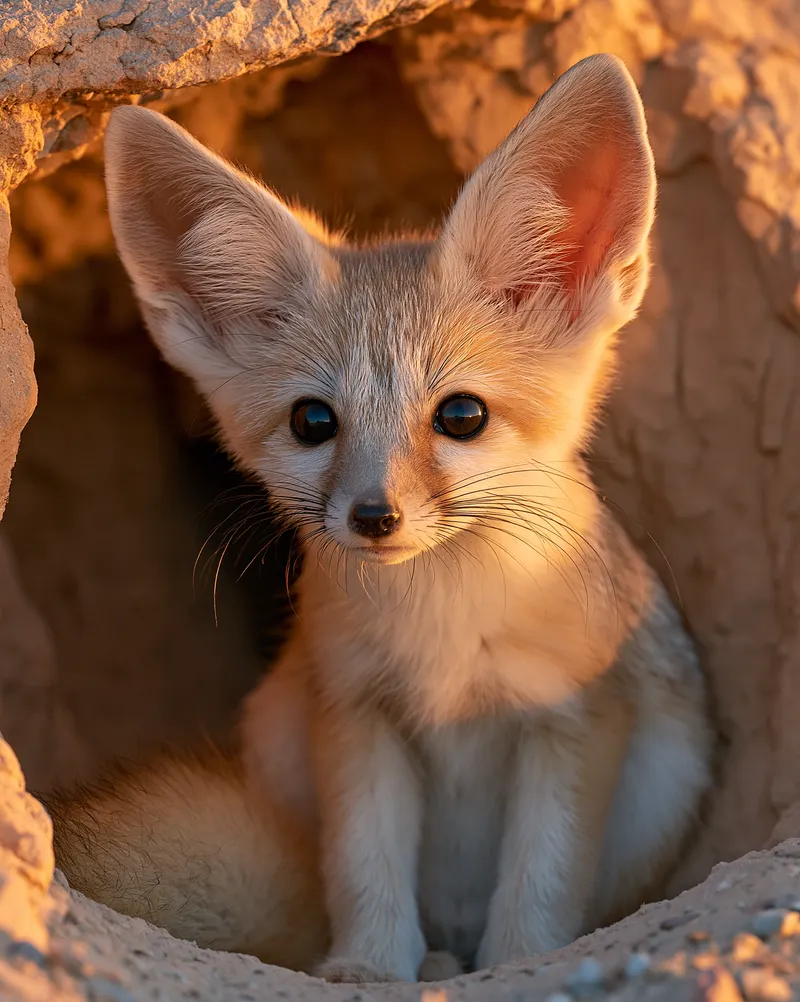 Kit FoxSpringA tiny desert fox that rarely ventures out during the day.
- North American beaverFallNew York's state mammal, the beaver engineers Adirondack wetlands.
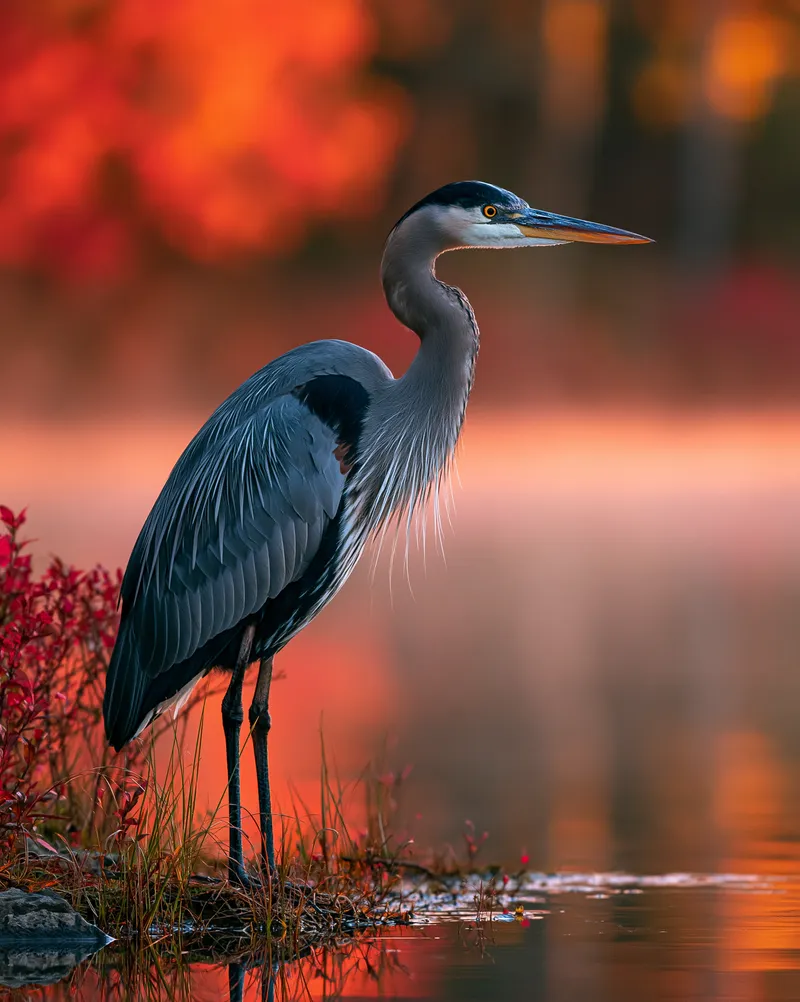 Great Blue HeronSummerFound in wetlands across the state, this heron is a familiar sight.
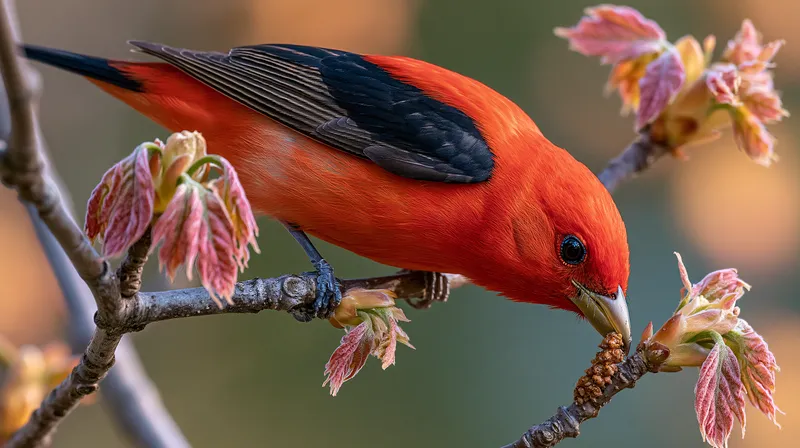 Scarlet TanagerSummerMale's brilliant scarlet plumage is unmistakable, often seen high in canopy
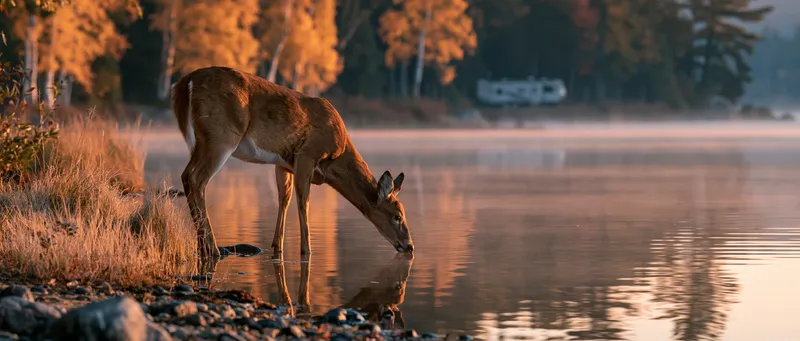 White-tailed deerFallA graceful herbivore often seen at dawn and dusk near water edges.
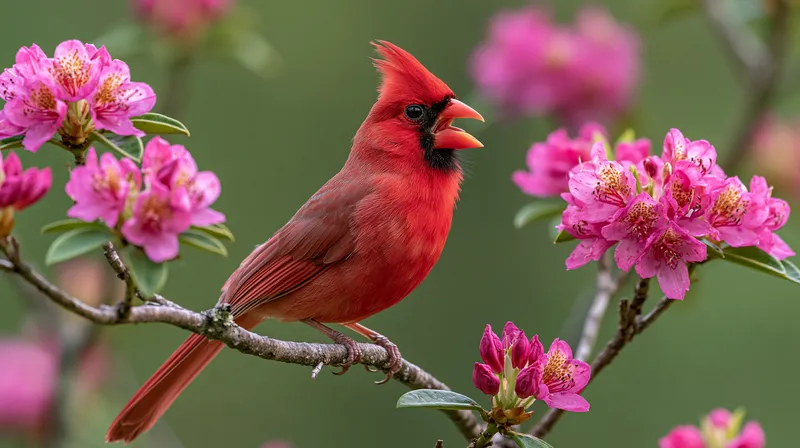 Northern cardinalWinterNorth Carolina's official state bird; year-round resident; males vivid red.
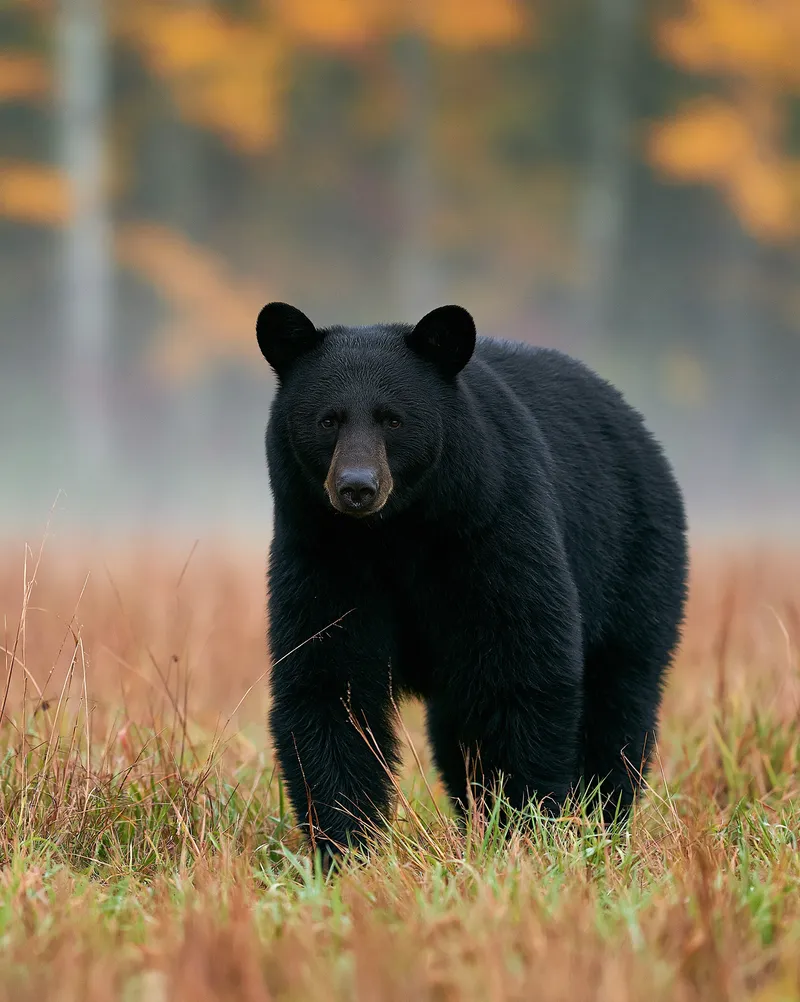 American black bearFallBlack bears forage heavily in berry patches during autumn to prepare for winter.
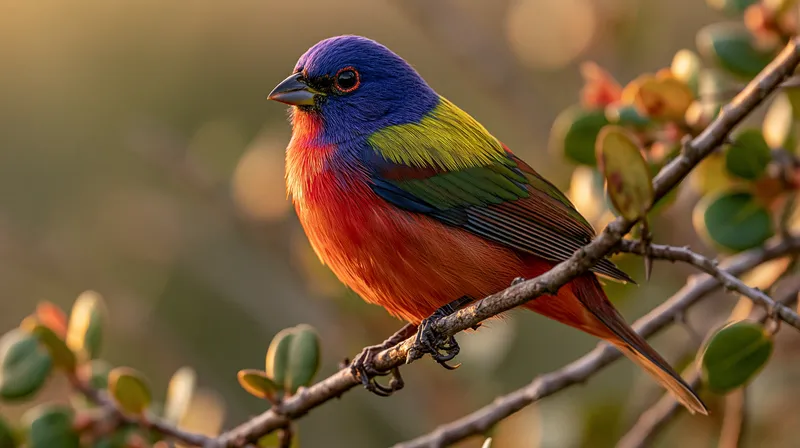 Painted BuntingSummerMales are among the most colorful songbirds in North America.
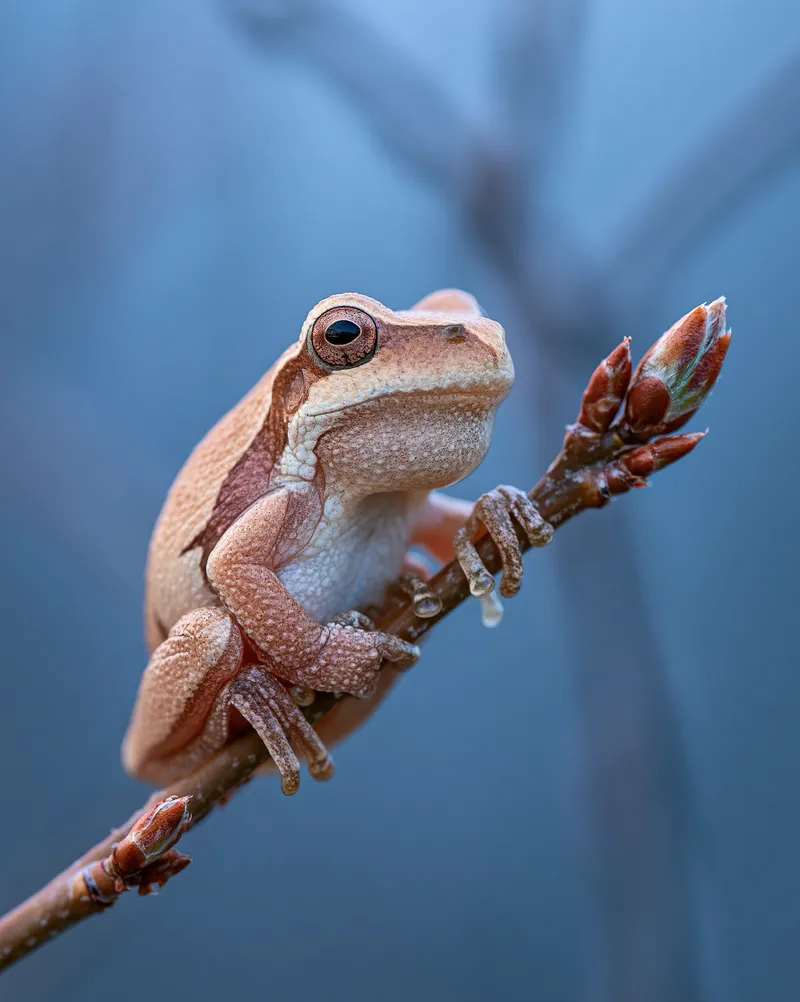 Spring peeperWinterMales chorus loudly in early spring from vernal pools and wetlands
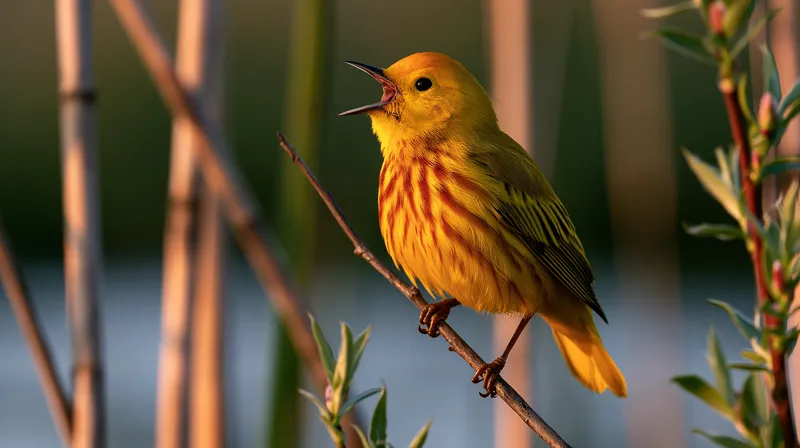
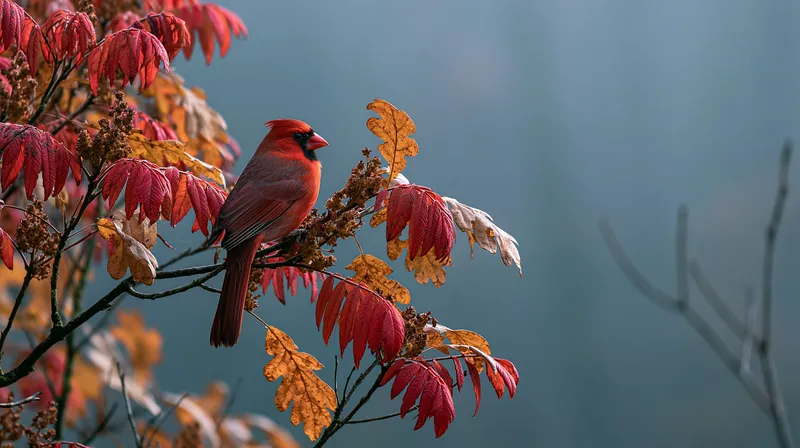 Northern cardinalWinterAs Ohio's state bird, it offers a year-round flash of red.
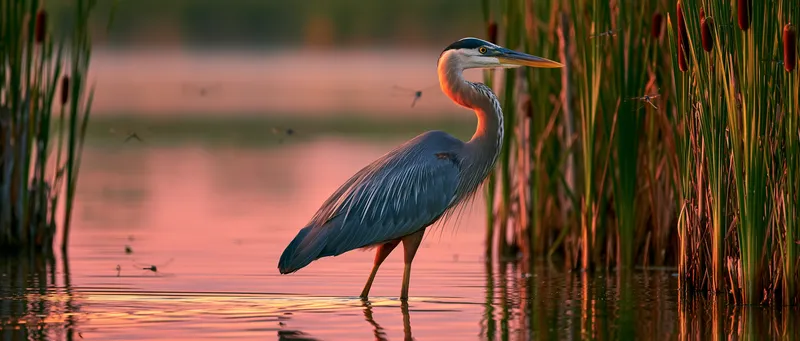 Great Blue HeronSummerElegant wading bird often spotted at Lake Erie marshes.
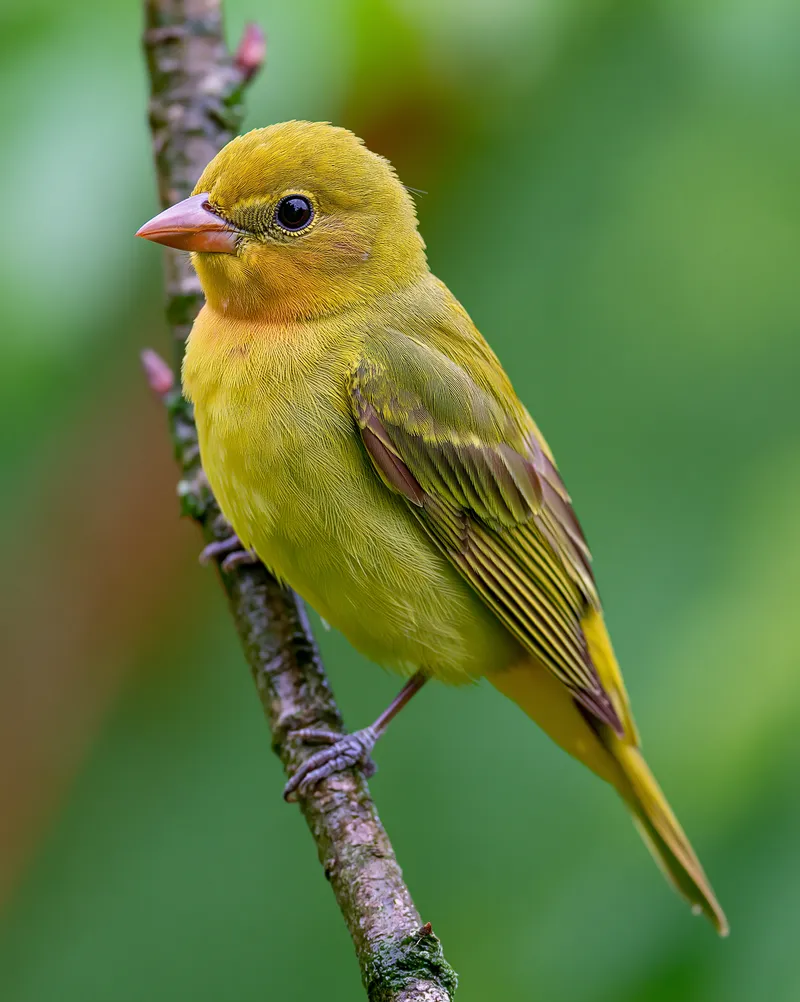 Scarlet TanagerSummerFemale is olive-yellow with darker wings, no red plumage
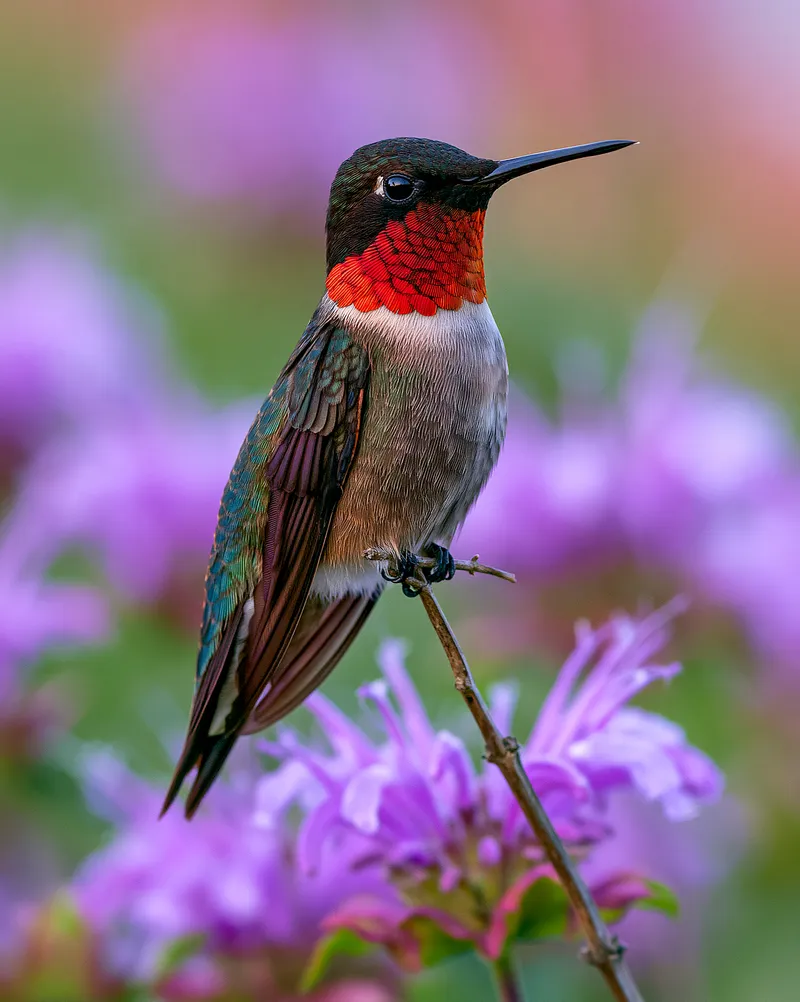 Ruby-throated HummingbirdSummerMales show brilliant ruby throat, but beware iridescence fades in poor light.
- Scissor-tailed flycatcherSummerAs Oklahoma's state bird, its long forked tail streams over the prairie.
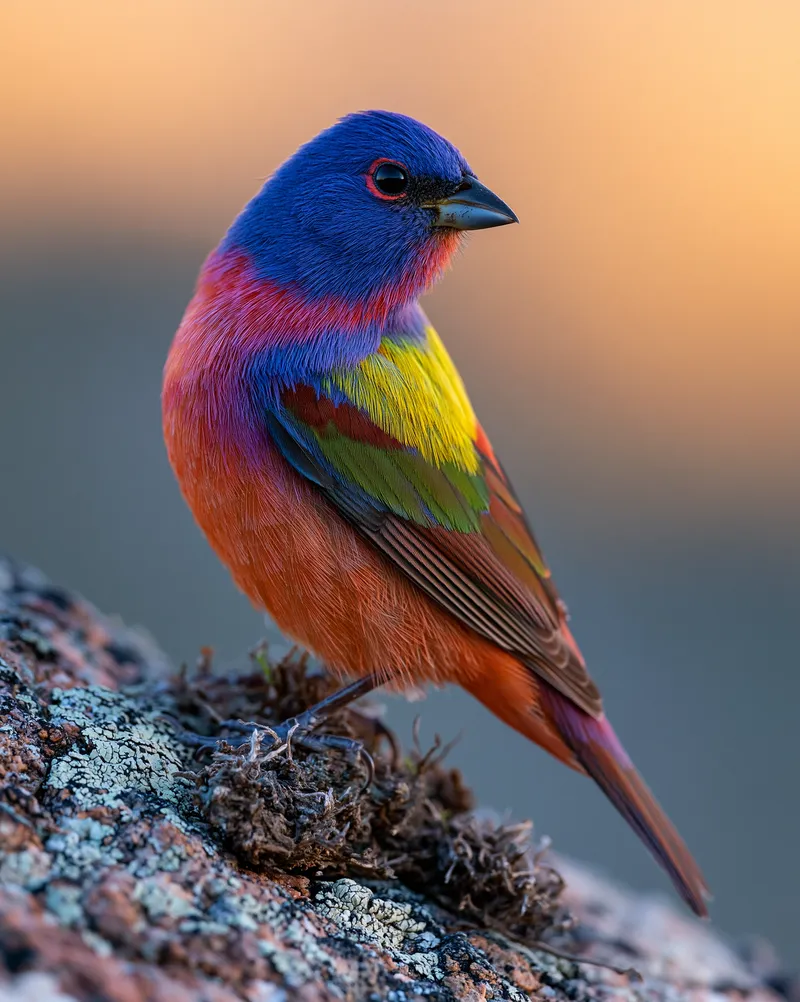 Painted BuntingSummerMale is chromatic with blue head, green back, red underparts, yellow-green wings.
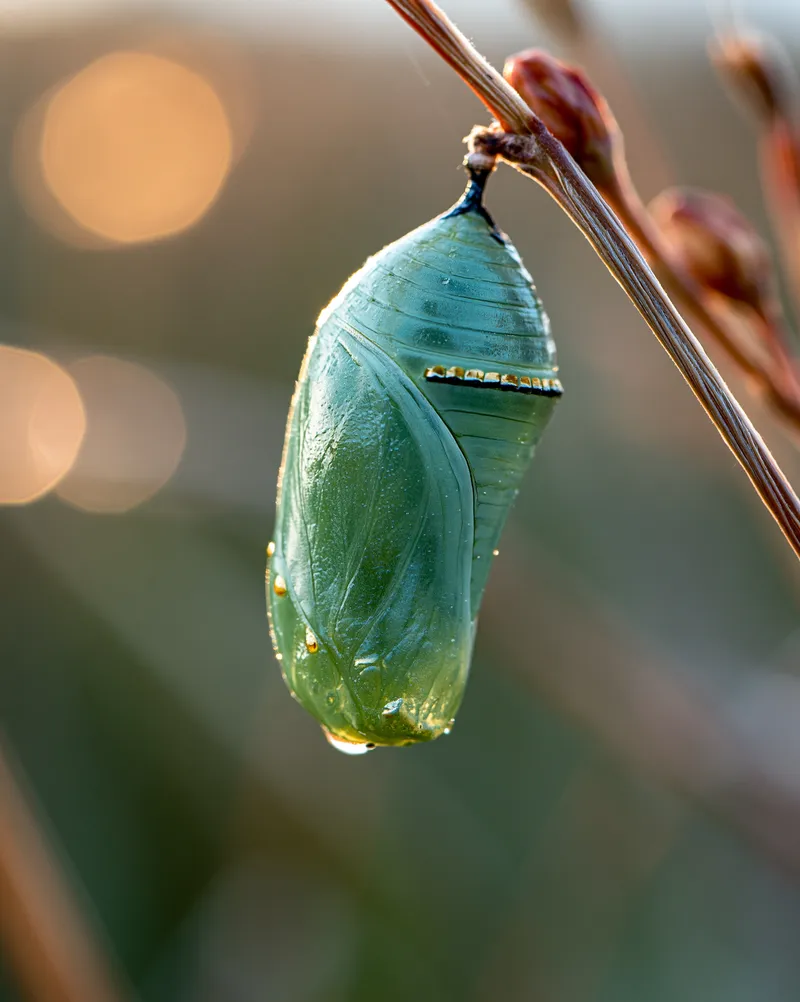 Monarch chrysalisFallMonarch chrysalises are jade green with gold dots, found on milkweed stems.
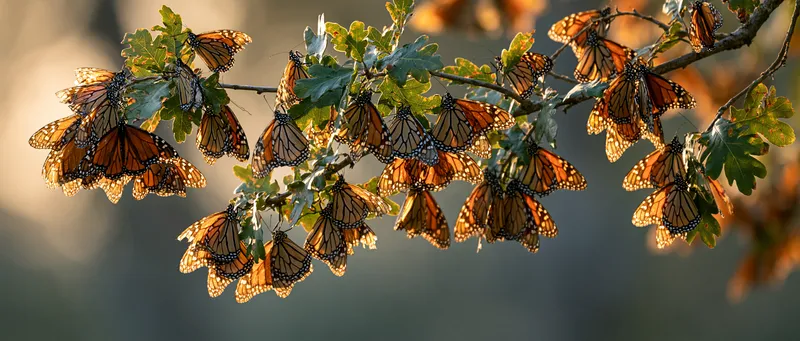 Monarch butterfly clusterFallMonarchs cluster in Oklahoma oak groves during fall migration.
- North American beaverSummerOregon's official state animal; ecosystem engineers — dams create wetland habitat.
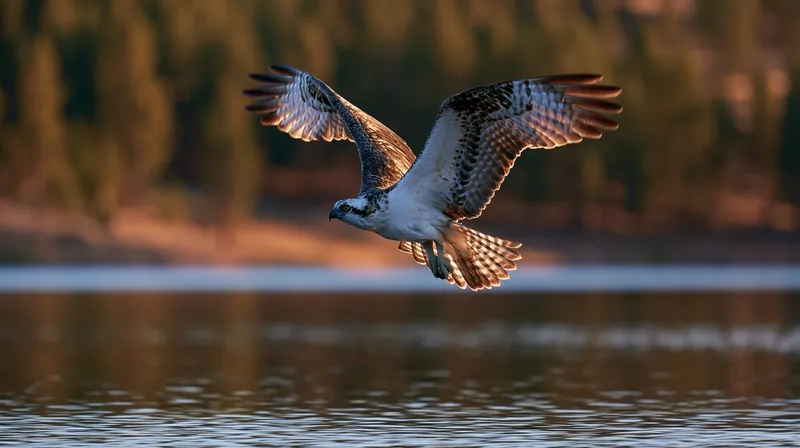 OspreySummerOften seen near large water bodies with tall perches.
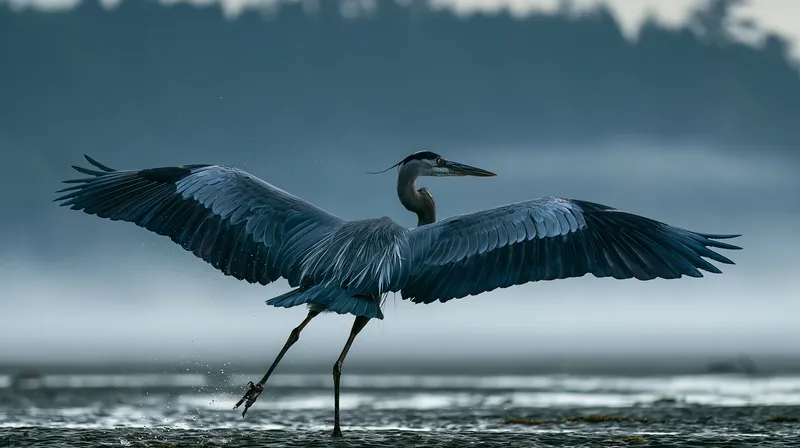 Great Blue HeronSummerElegant wading bird, patiently stalks fish in shallow water.
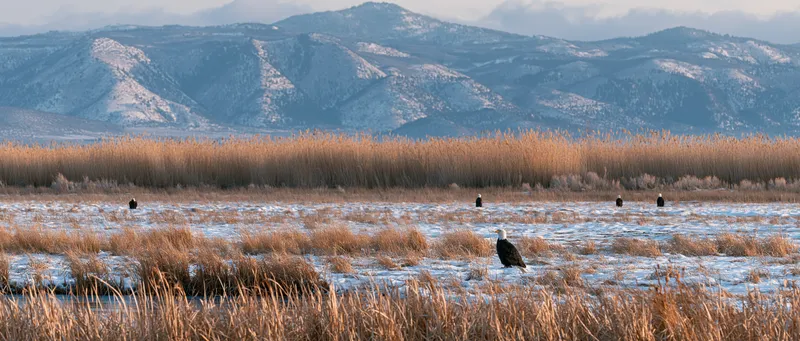 Bald EagleWinterA winter visitor to Oregon's wetlands and rivers.
- Ruffed grouseSpringPennsylvania's state bird; the drummer of the Pennsylvania Wilds.
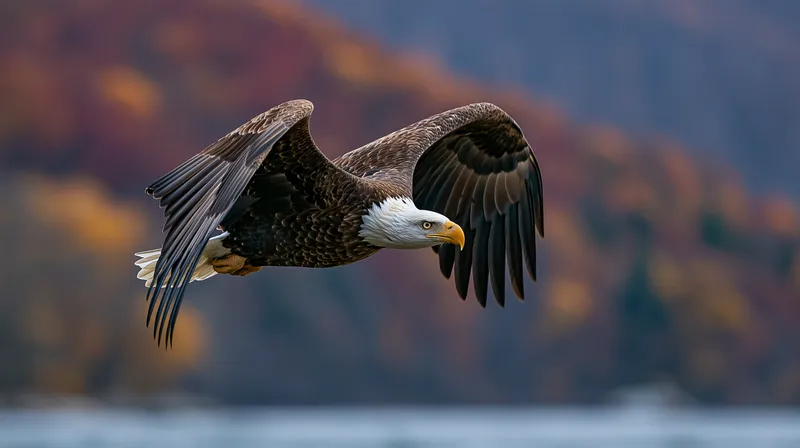 Bald EagleWinterOnce endangered, now nesting again on the Susquehanna.
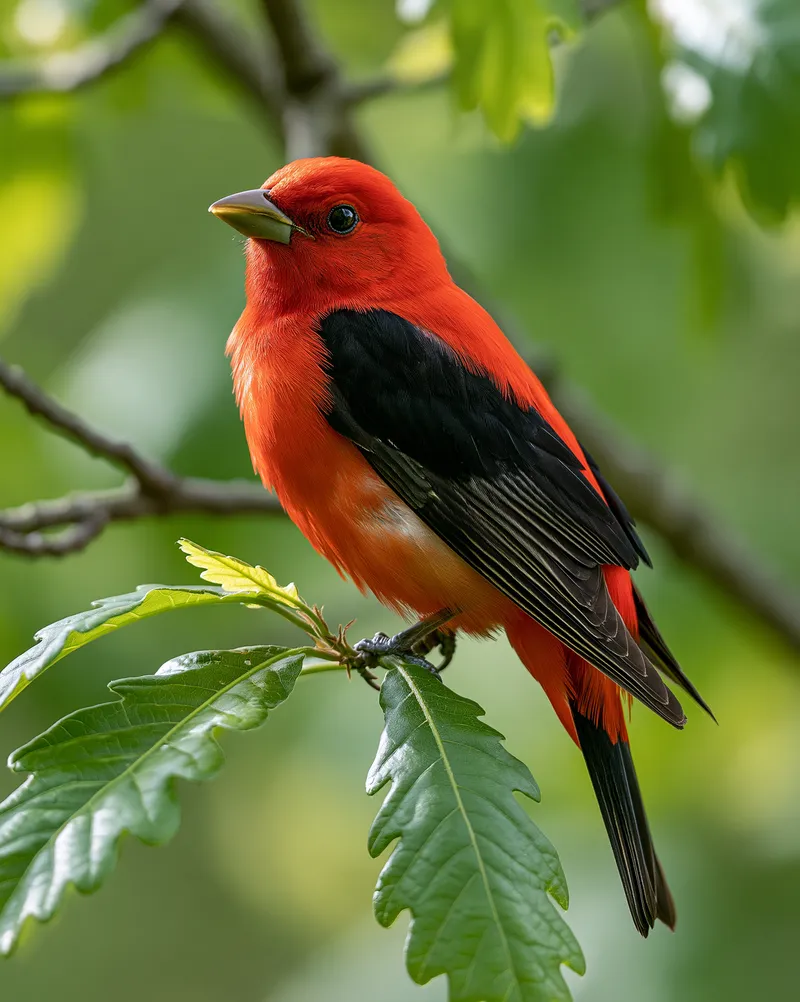 Scarlet TanagerSummerMales with brilliant red and black during spring migration
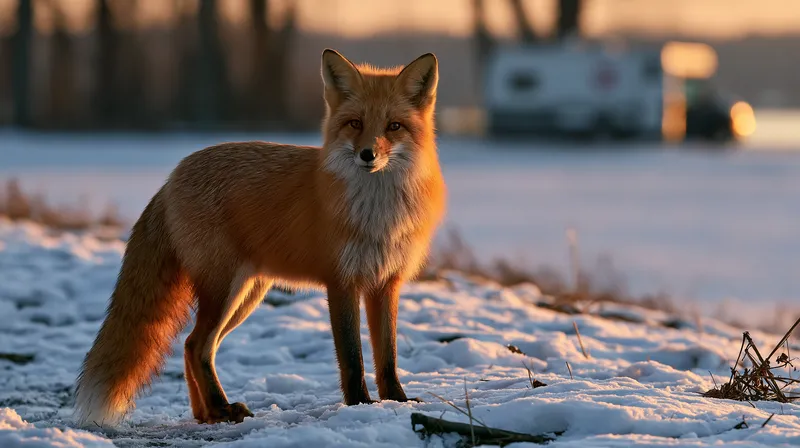 Red foxWinterOften seen at dawn and dusk in farmland edges
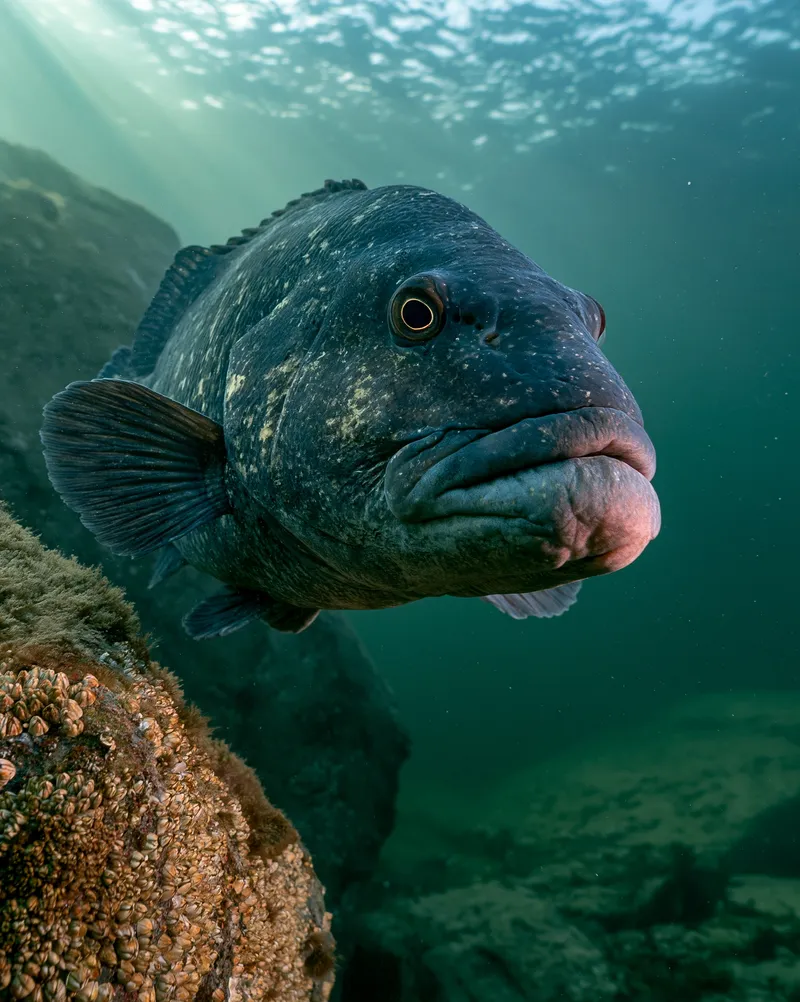
- Carolina wrenSpringSouth Carolina's state bird; a big voice from low-country thickets.
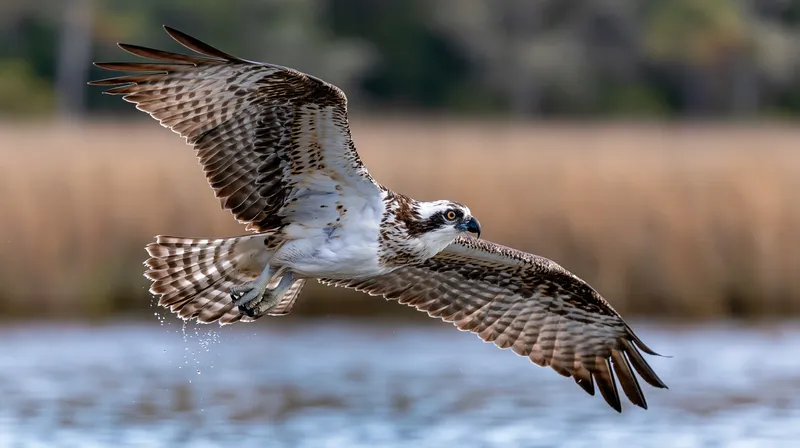 OspreySpringOften seen diving for fish along tidal creeks during spring.
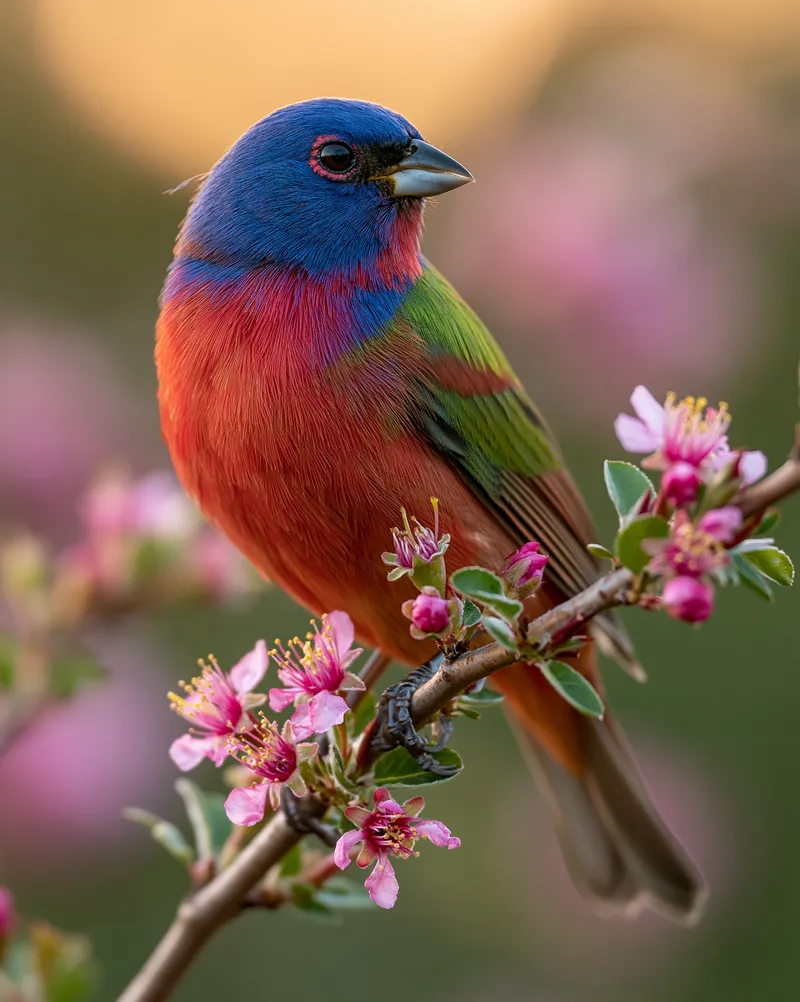 Painted BuntingSpringMales are colorful; females are plain greenish-yellow.
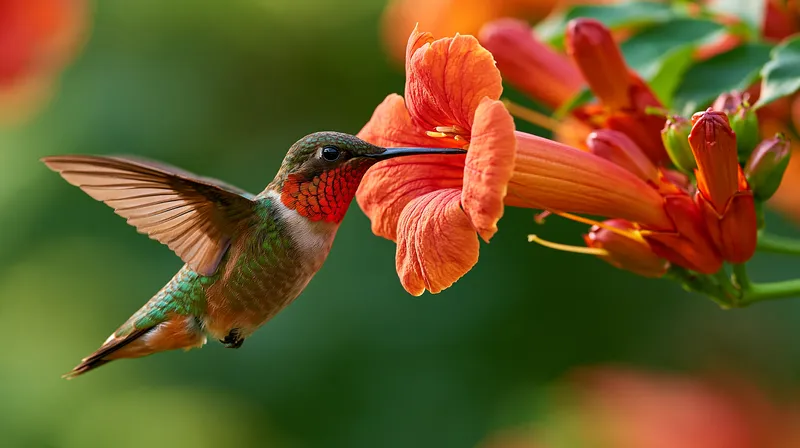 Ruby-throated HummingbirdSummerMale Ruby-throats have iridescent red throat, green back, white belly
- Ring-necked pheasantFallSouth Dakota's state bird; bursts from prairie grass in autumn.
- American BisonSummerBison are the largest land mammal in North America, with a shaggy winter coat.
- Bighorn SheepFallLook for them on steep cliffs and buttes, where they are supremely agile.
- PronghornFallPronghorn are the fastest land mammal in North America, outpacing any predator.
- Northern mockingbirdSummerTennessee's state bird, a versatile mimic from the Smokies to the plateau.
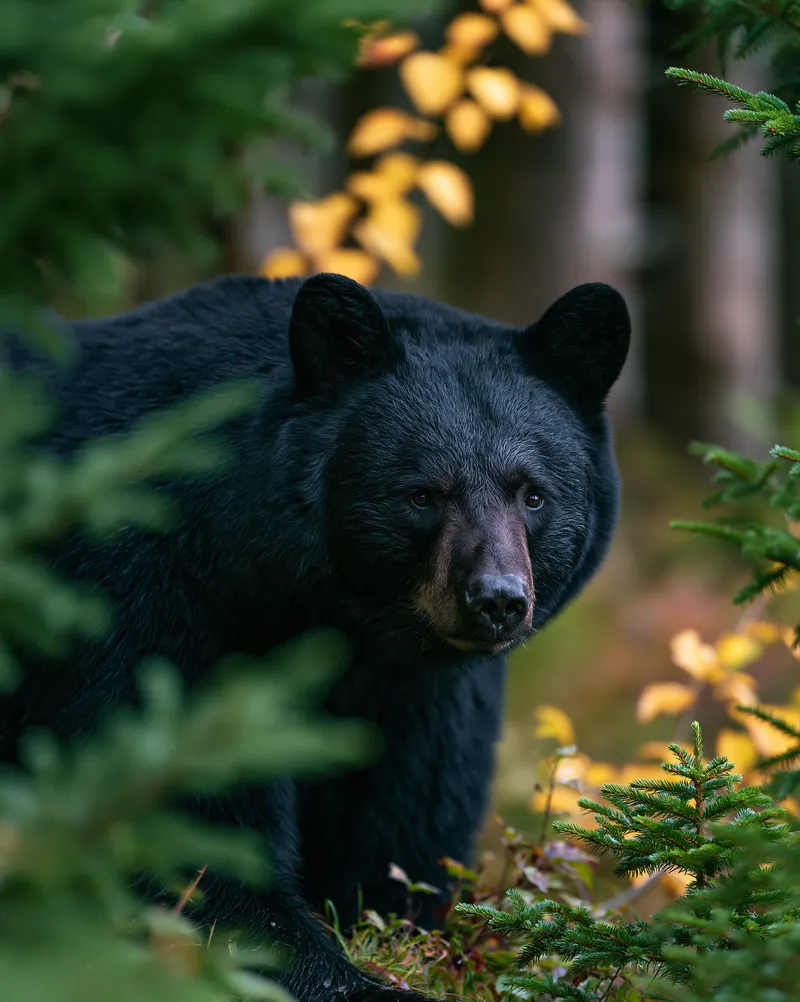 American black bearSpringObserve from a safe distance; never feed or approach bears.
- American black bear cubsSpringCubs are born in winter dens; emerge in spring climbing trees.
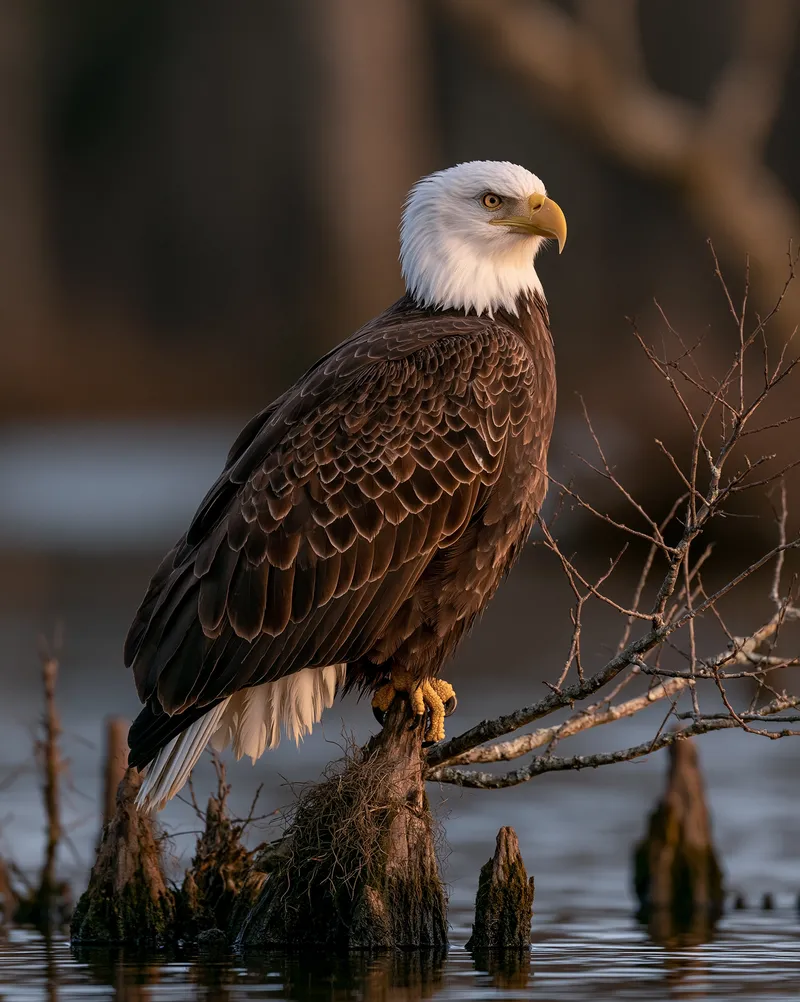 Bald EagleWinterWinters at Reelfoot Lake for abundant fish under cypress canopies.
- Western diamondback rattlesnakeSpringCommon across Texas brush + desert; alert humans with rattle before strike.
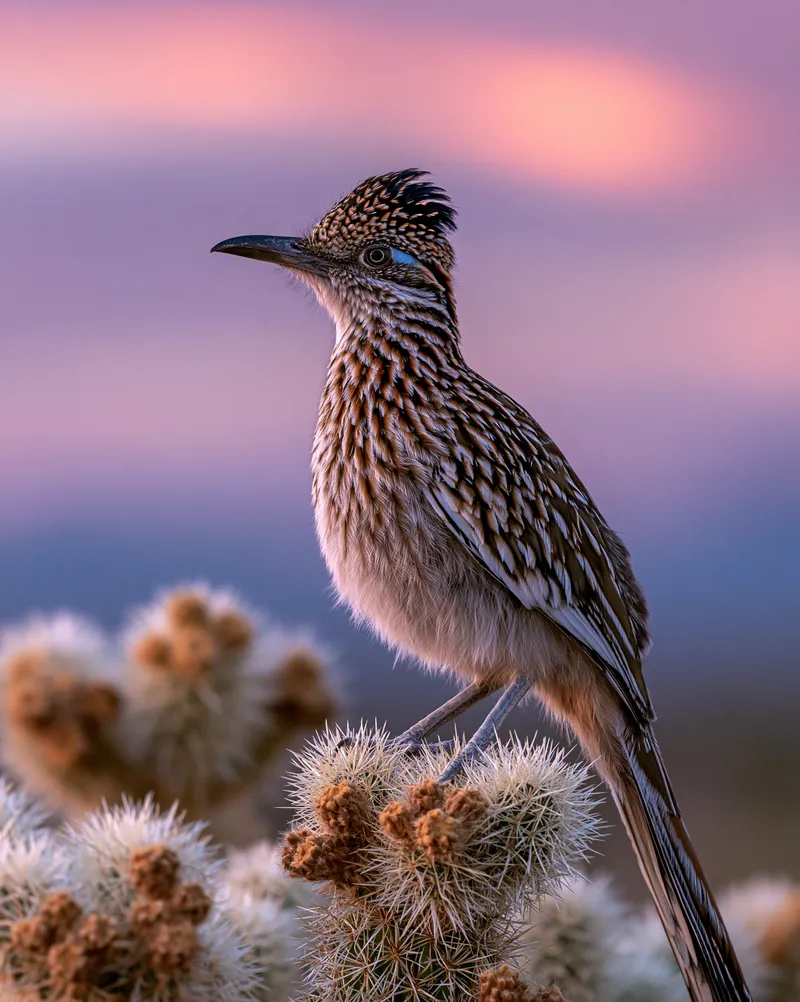 Greater RoadrunnerSpringFast-running bird, rarely flies, desert species.
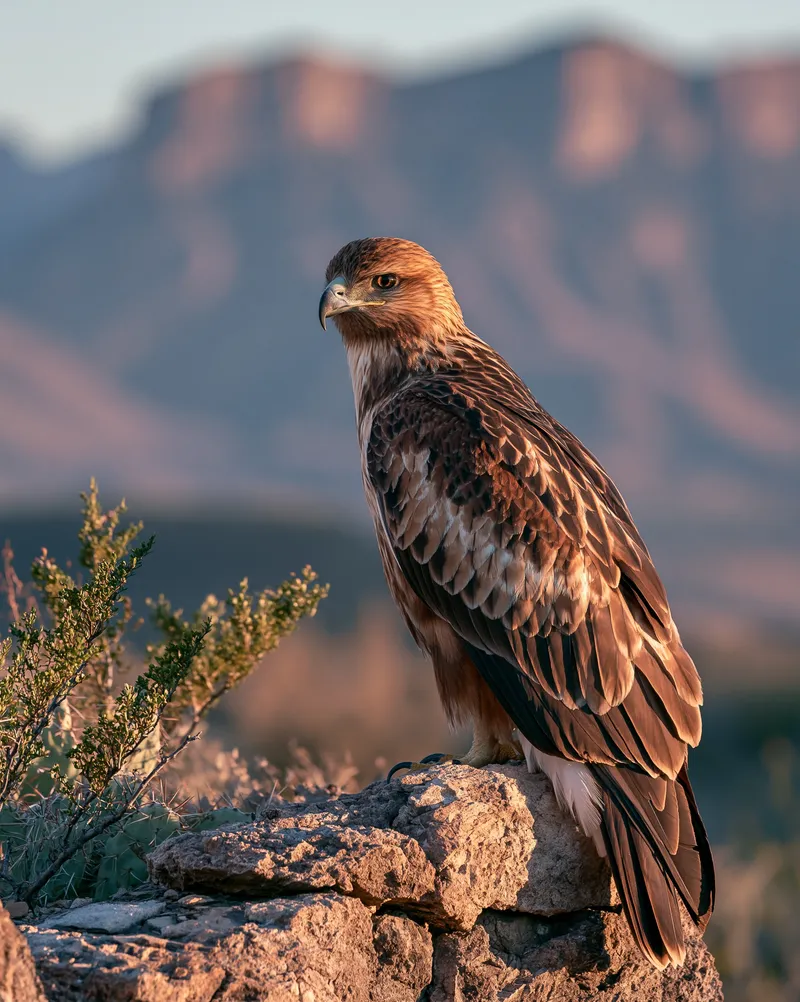 Golden EagleWinterLarge dark raptor, hunts mammals and carrion.
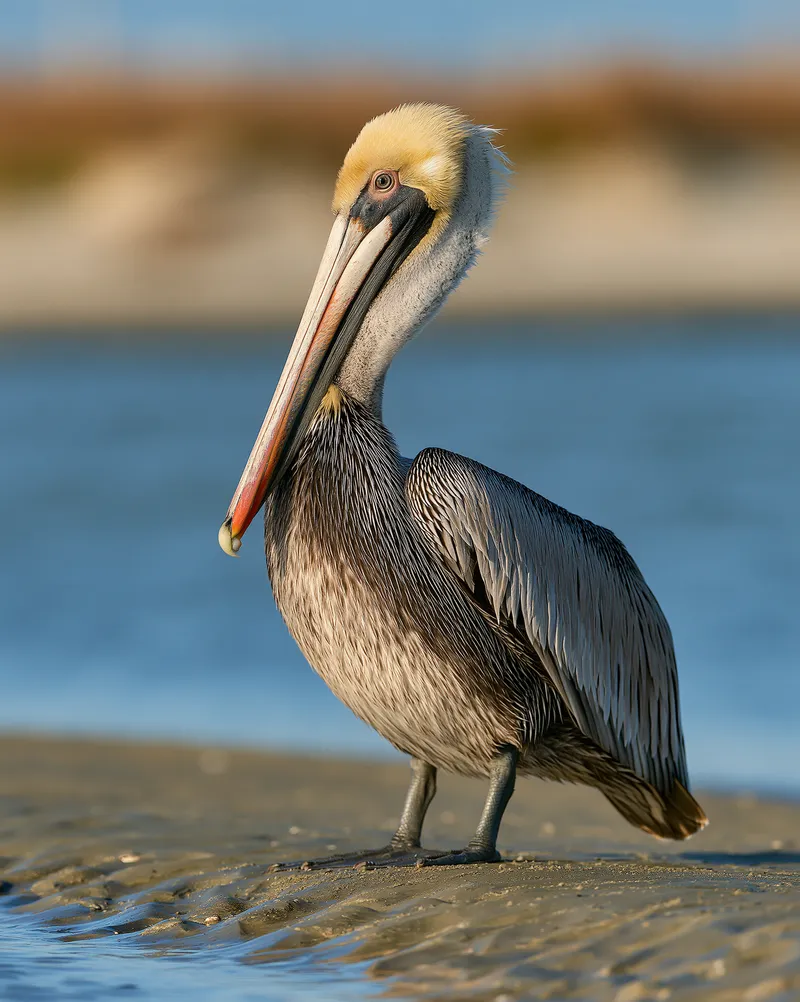 Brown pelicanWinterBrown pelicans were once endangered but have recovered well along the Texas coast.
- Desert bighorn sheepWinterUtah's official state animal; navigate red rock cliffs effortlessly.
- MooseWinterLargest deer species; males shed antlers each winter
- Bighorn SheepSpringThrives on steep rocky terrain in desert canyons.
- Mule DeerFallBucks shed antlers in winter; regrow by autumn for rut
- Hermit thrushSummerVermont's state bird; its flute-like song fills the Green Mountains.
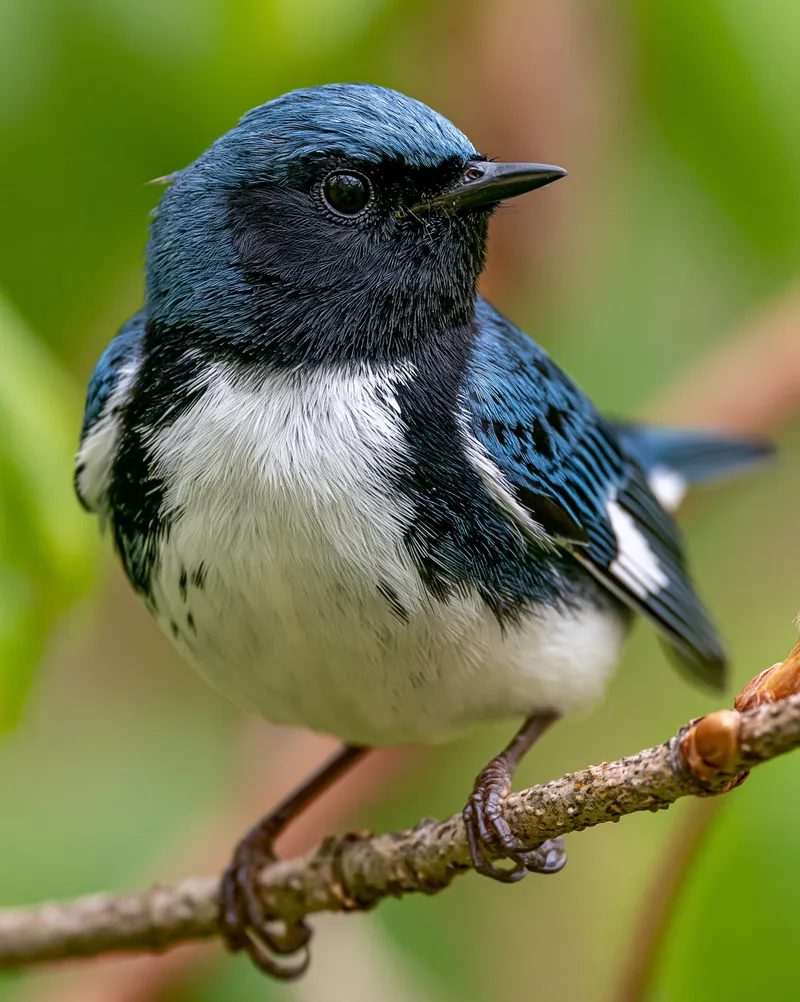 Black-throated Blue WarblerSummerMales are striking blue-black above with white belly and black throat.
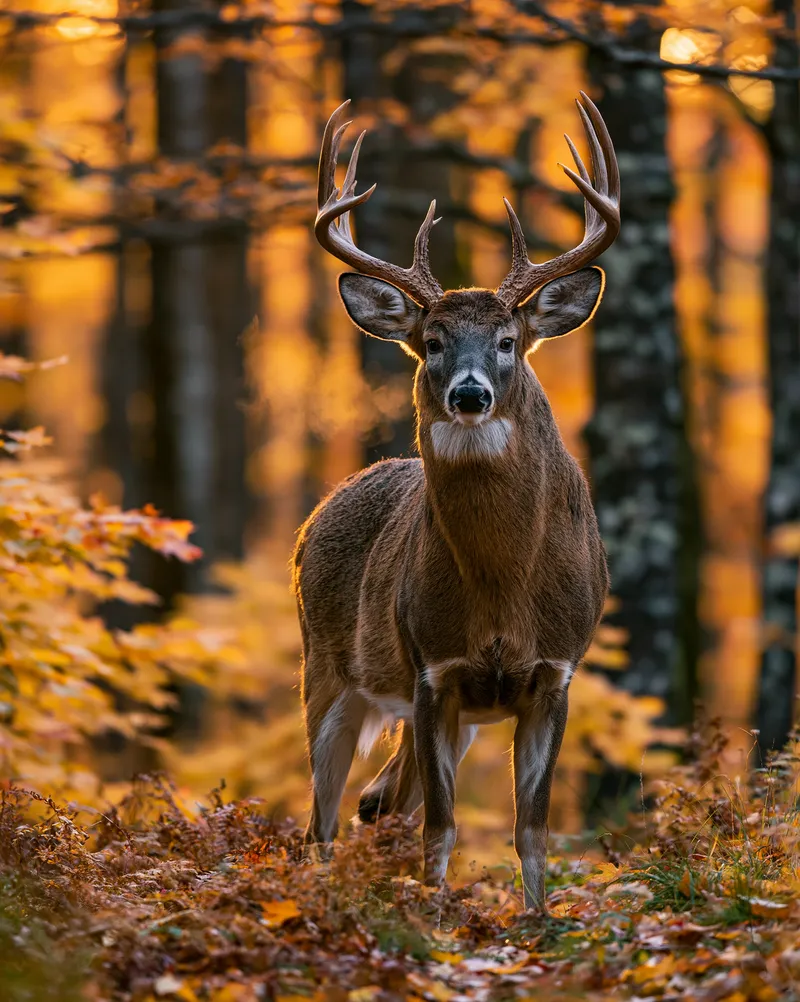 White-tailed deerFallWhite-tailed deer thrive in Vermont's mixed hardwood forests and farmlands.
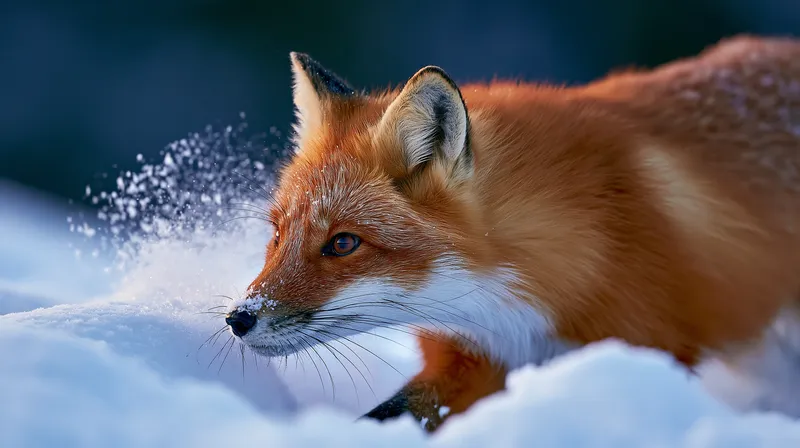 Red foxWinterRed foxes are adaptable and often seen hunting at dawn and dusk in snowy fields.
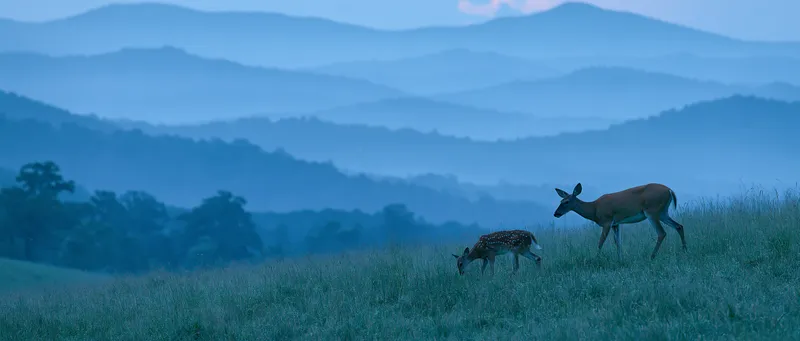 White-tailed deerWinterVirginia's official state mammal; abundant in forests + suburbs.
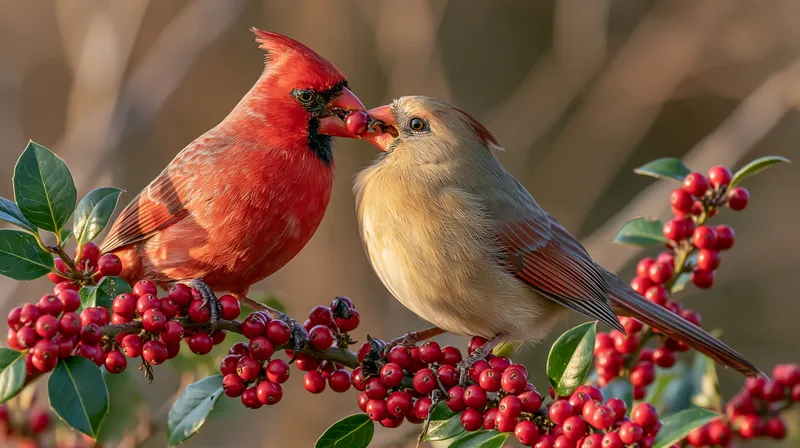 Northern CardinalWinterMales bright red, females tan with red bill; non-migratory
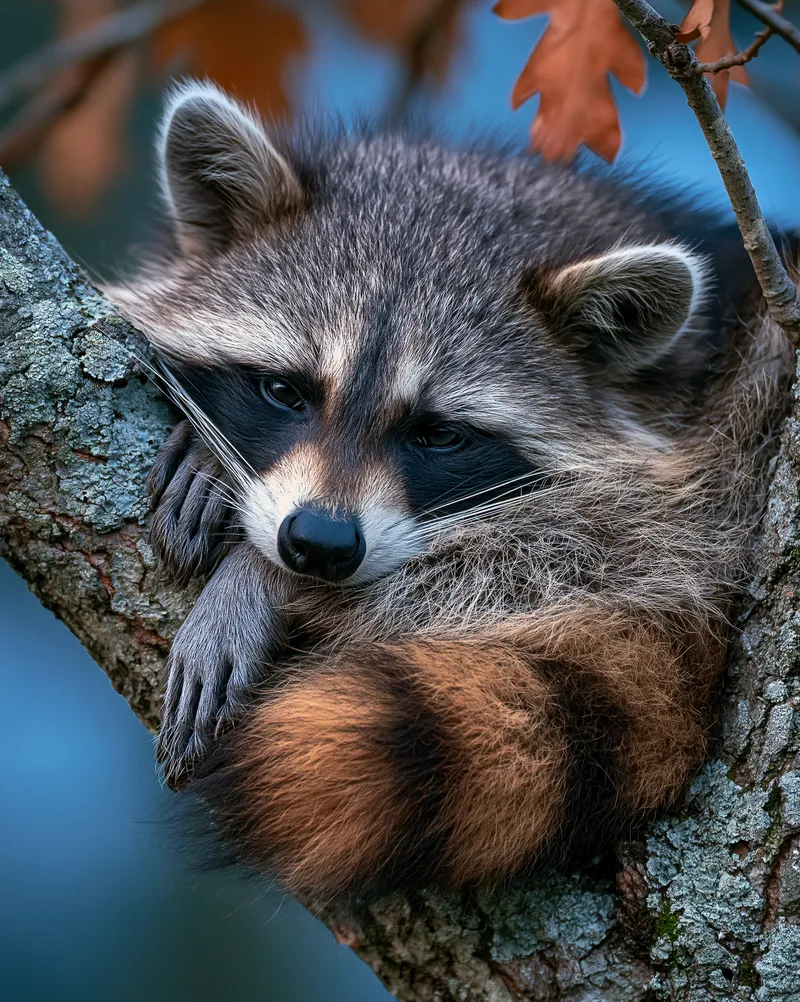 RaccoonWinterObservant nocturnal forager, often seen in trees.
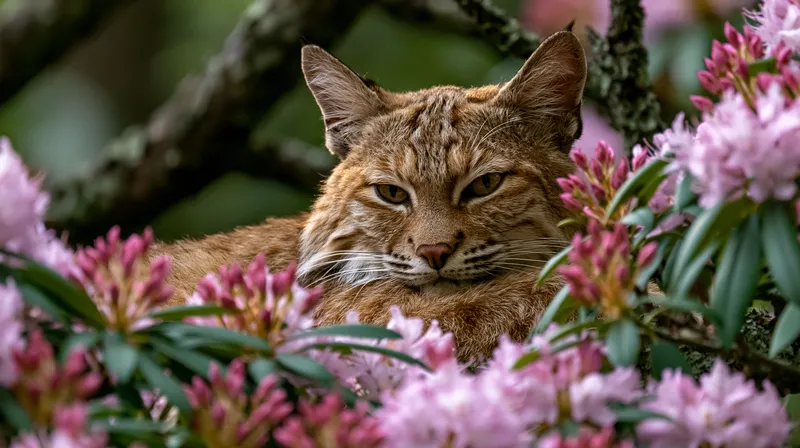 Eastern bobcatSummerBobcats are elusive but present in Shenandoah's forests and thickets.
- Southern Resident killer whaleSummerSalish Sea population reliant on Chinook salmon runs; protected by federal law.
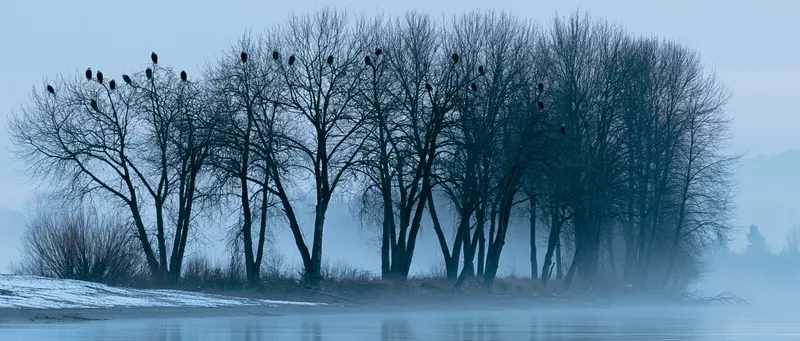 Bald EagleWinterWinter gatherings along rivers are a natural event.
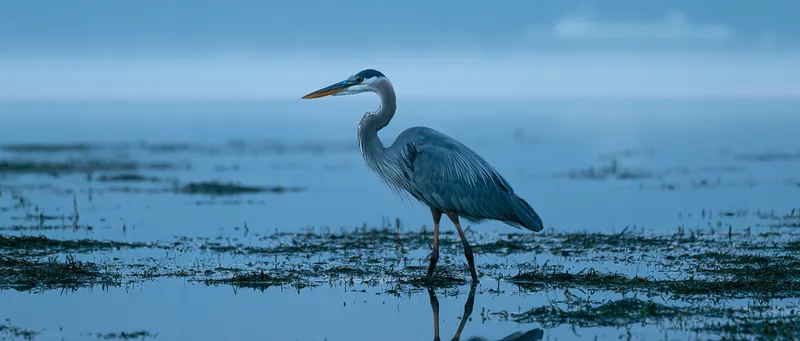 Great Blue HeronSummerLargest heron in North America, hunts in shallow waters.
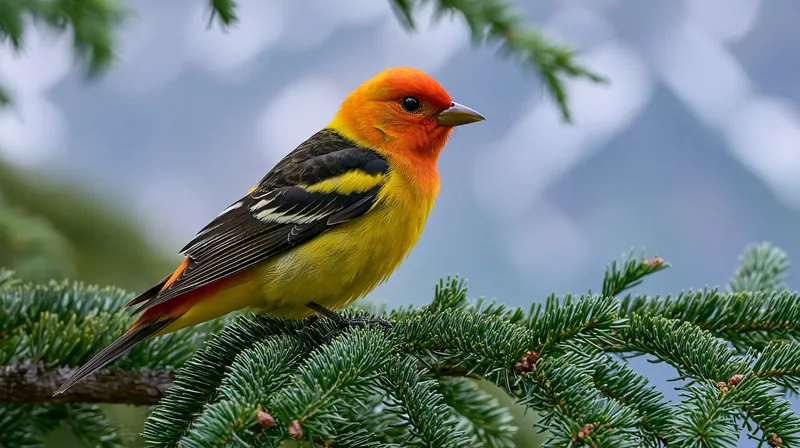 Western TanagerSummerA vivid yellow and red songbird of high mountain forests.
- Black bearSummerWest Virginia's state animal, roams the high Allegheny forest.
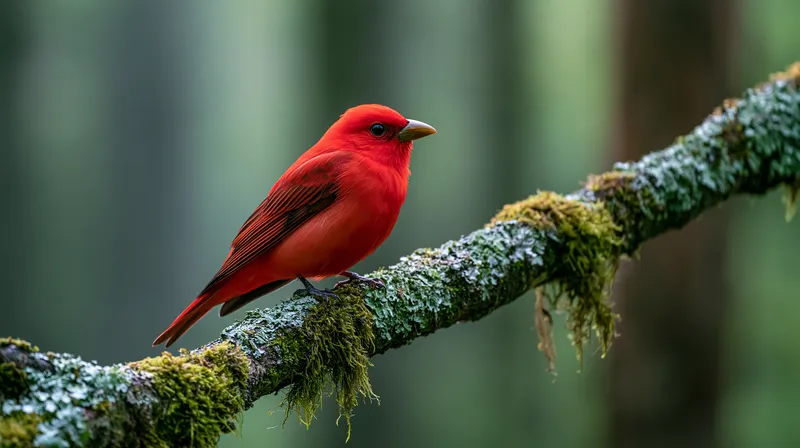 Scarlet TanagerSummerMale is brilliant scarlet with jet-black wings and tail.
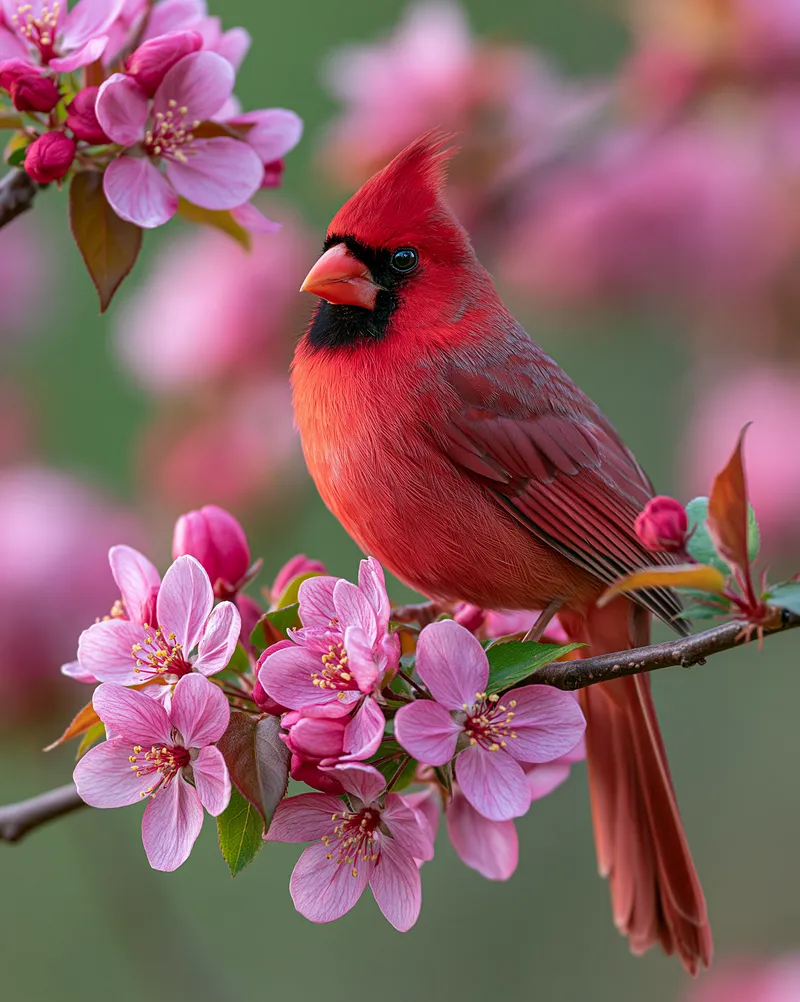 Northern CardinalSpringMales are vibrant red; females are brown with red highlights
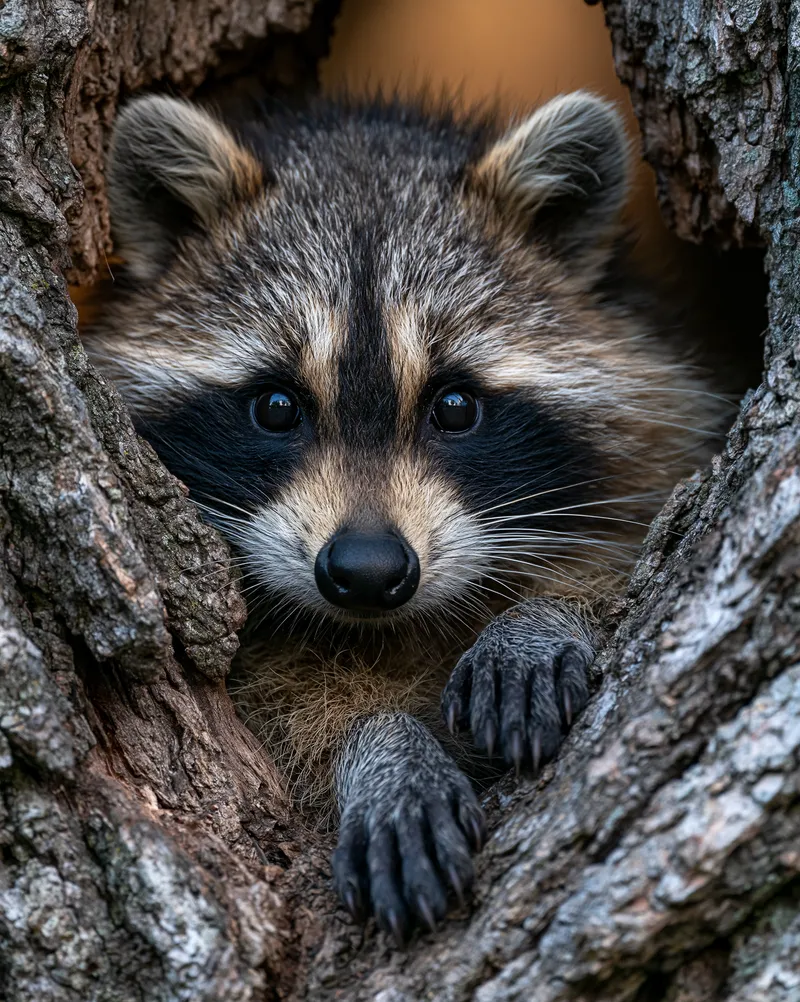 RaccoonSummerRaccoons are adaptable and often seen near water at dusk.
- American badgerFallWisconsin's state animal and 'Badger State' namesake.
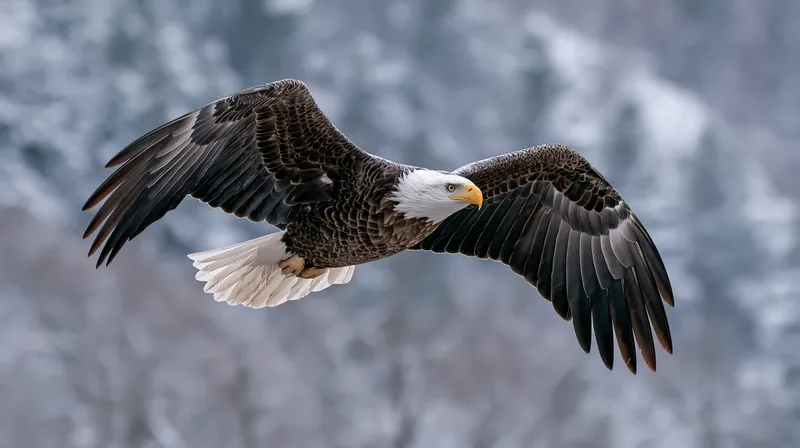 Bald EagleWinterBald eagles winter along open stretches of the Wisconsin River, where fish are available.
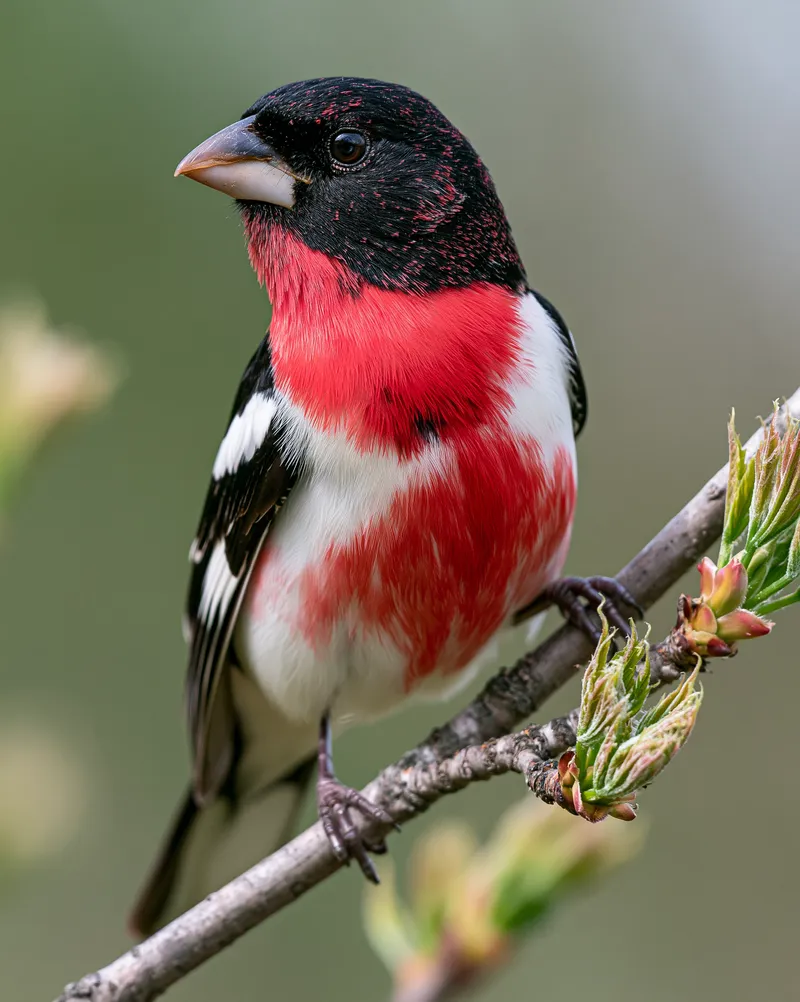 Rose-breasted GrosbeakSpringMale has striking black, white, and rose-red breast patch.
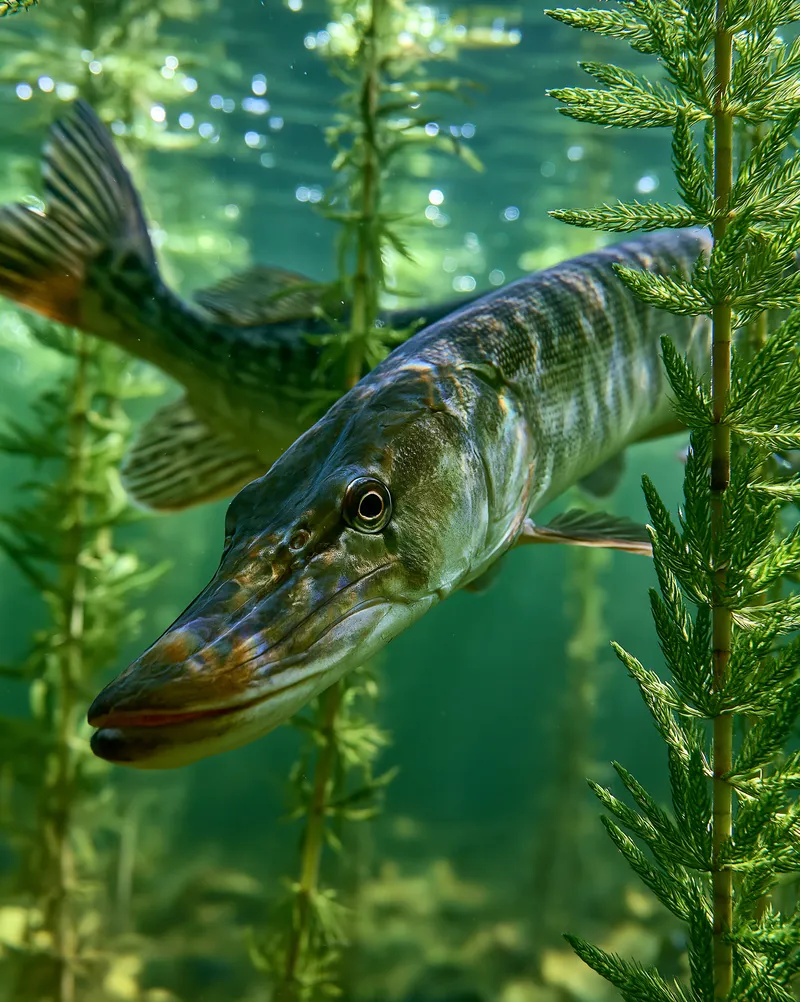 MuskellungeSpringWisconsin's largest game fish, elusive and prized by anglers.
- Shiras mooseFallAn icon of the Teton willow flats, browsing beneath the peaks.
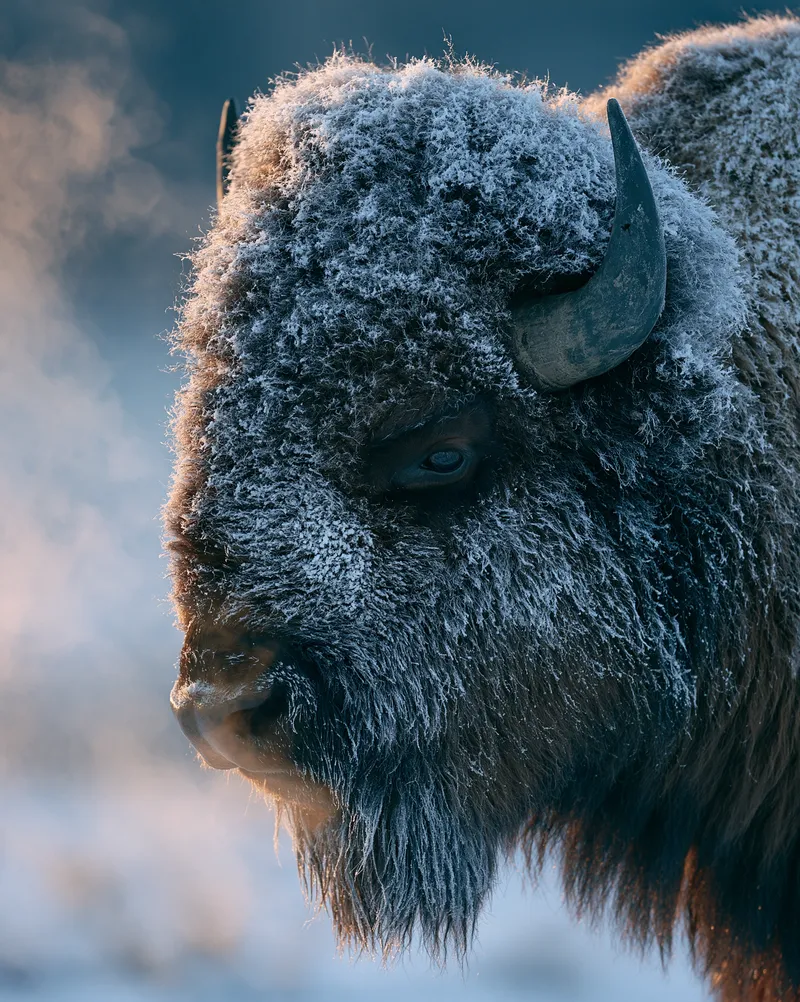 American BisonSummerBison are the largest land mammal in North America, in their native prairie.
- Rocky Mountain ElkWinterEach winter thousands gather on the National Elk Refuge in Jackson Hole.
- MooseFallMoose are a beloved icon of the Greater Yellowstone Ecosystem.
Watch respectfully, stay safe
Store food in bear-resistant containers where required, keep 100+ yards from bears and wolves and 25+ yards from all other wildlife per National Park Service guidance, never approach or feed animals, and check each park's current rules before you go. The linked park pages carry the specific regulations that apply.
Travel with kindness
Watch from a respectful distance — the habitats are theirs first.
Plan the route
Where to watch from
Roll up to the wild
Pick a species, find the season, and base an RV a short drive from where it lives — with the all-in price up front and real people ready to help along the way.