Marks left on stone
Petroglyphs & Rock Art for RV Travelers
Real US rock-art sites the public can visit — Native American petroglyphs and pictographs on canyon walls and basalt boulders, the cultures behind them, and how to reach them respectfully by RV. Facts are sourced from official BLM, NPS, Forest Service, and state-park pages.
These are irreplaceable cultural heritage — view and photograph only, never touch or chalk the art. Confirm current access on the official site before you go.
- 19
- Field guides
- 10
- States covered
- 4
- Managing agencies
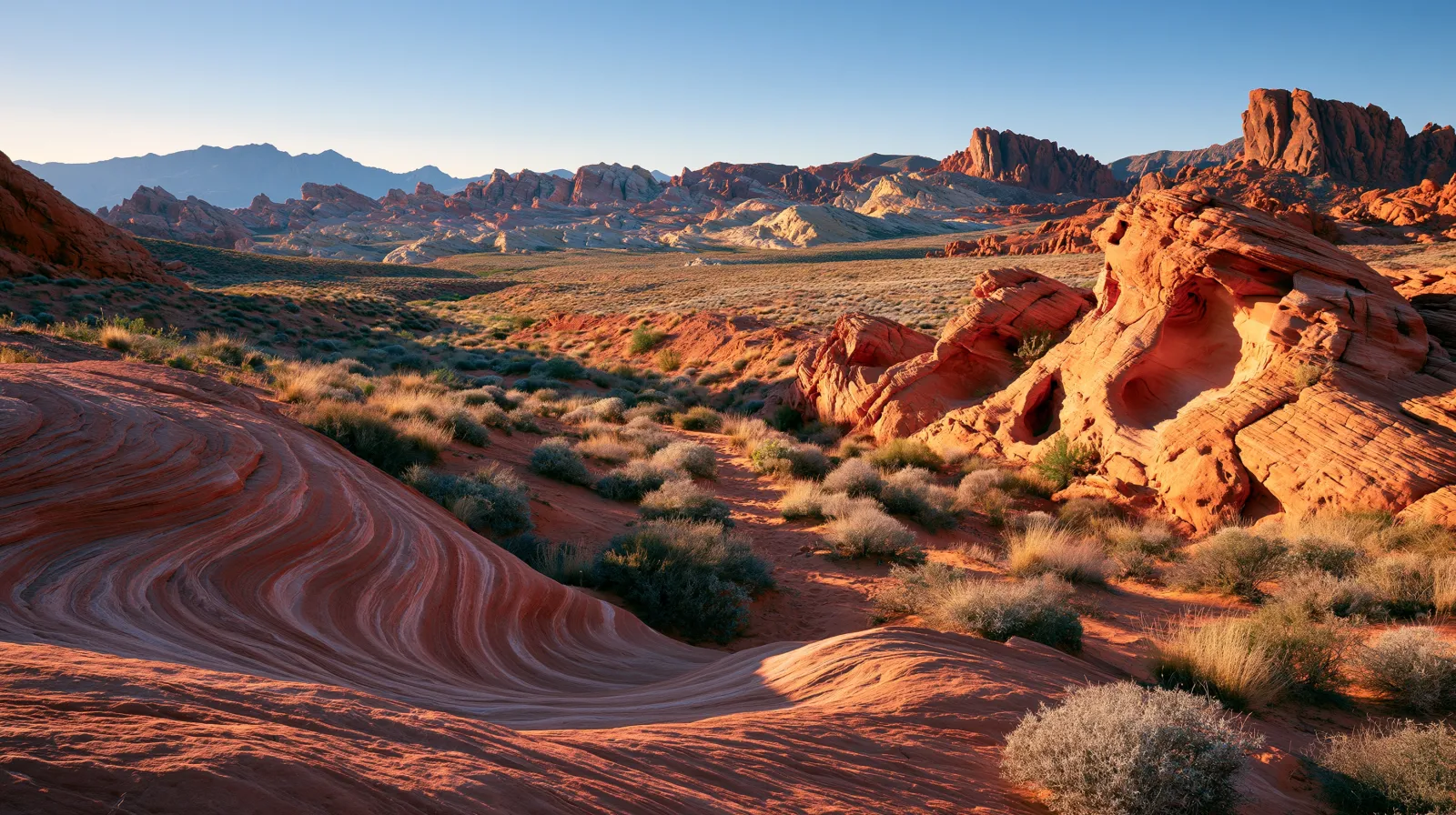
The rock-art sites
Every petroglyph site in the guide
Idaho & Washington
Buffalo Eddy
Idaho & Washington
Buffalo Eddy: A Respectful RV Traveler's Guide
A Nez Perce National Historical Park rock-art site on the Snake River straddling Idaho and Washington, with hundreds of petroglyphs and pictographs made by ancestors of the nimíipuu. Federal law protects the images — disturbing them is a felony.
Read the field guideWashington
Columbia Hills & Tsagaglalal
Washington
Columbia Hills & Tsagaglalal: A Respectful RV Traveler's Guide
A Washington State Parks site on the Columbia River with sacred Native American rock art, including Tsagaglalal ('She Who Watches'). The most sensitive images are reached on reserved guided tours only; the Temani Pesh-wa panels are self-guided in season.
Read the field guideArizona
Crane Petroglyph Heritage Site, Arizona
Arizona
Crane Petroglyph Heritage Site, Arizona: An RV Traveler's Guide
A Coconino National Forest petroglyph site near Sedona, Arizona — the Verde Valley's largest known panel, in the Sinagua Beaver Creek Style. Fenced and open only during posted hours (Friday–Monday), with a $5 day-use fee or Red Rock / America the Beautiful pass. Guided tours are offered by volunteer partners; never touch the rock art.
Read the field guideNevada
Grimes Point Petroglyphs
Nevada
Grimes Point Petroglyphs: A Respectful RV Traveler's Guide
A BLM-managed archaeological site on U.S. 50 in Nevada where petroglyphs are pecked into desert-varnished basalt boulders. A 1/4-mile self-guided interpretive trail leads past the rock art; nearby Hidden Cave is reachable only on a scheduled BLM tour.
Read the field guideNevada
Hickison Petroglyphs
Nevada
Hickison Petroglyphs: A Respectful RV Traveler's Guide
A BLM recreation area on U.S. 50 in central Nevada, 24 miles east of Austin, with ancient petroglyphs, an interpretive setting, hiking, and camping (14-day limit). The cultural resources are protected by federal law against any damage or defacement.
Read the field guideMinnesota
Jeffers Petroglyphs
Minnesota
Jeffers Petroglyphs: A Respectful RV Traveler's Guide
A sacred Native American rock-carving site on a quartzite ridge in southern Minnesota, managed by the Minnesota Historical Society. The carvings are fragile and irreplaceable — visitors view them on guided, on-trail terms and never touch the rock.
Read the field guideNew Mexico
La Cieneguilla Petroglyphs
New Mexico
La Cieneguilla Petroglyphs: A Respectful RV Traveler's Guide
A BLM-managed, day-use rock-art site near Santa Fe, New Mexico, with hundreds of petroglyphs along a 1-mile loop trail. Most were made by Keresan-speaking Puebloan people between the 13th and 17th centuries, with descendants at Cochiti and Santo Domingo Pueblos. The BLM asks visitors not to climb on, touch, chalk, wet down, or make rubbings of the petroglyphs. Admission is free; confirm current access on the official BLM page.
Read the field guideCalifornia
Petroglyph Point at Lava Beds
California
Petroglyph Point at Lava Beds: A Respectful RV Traveler's Guide
A 267-acre detached unit of Lava Beds National Monument in California, where more than 5,000 carvings cover a volcanic tuff cliff above Tule Lake. The site is central to a Modoc creation story; a protective fence has guarded it since the 1930s. Managed by the NPS.
Read the field guideUtah
Newspaper Rock, Utah
Utah
Newspaper Rock, Utah: An RV Traveler's Guide to a Sacred Petroglyph Panel
A free, year-round BLM day-use petroglyph site on Indian Creek in southeastern Utah, reached by a short gravel path. Paved parking with pull-through RV spaces, an interpretive kiosk, and toilets — but no water. The panel carries imagery from Basketmaker, Ancestral Puebloan, and Ute peoples; look, photograph, and never touch.
Read the field guideUtah
Nine Mile Canyon, Utah
Utah
Nine Mile Canyon, Utah: An RV Traveler's Guide to the 'World's Longest Art Gallery'
A 46-mile BLM rock-art corridor in east-central Utah, called 'the world's longest art gallery,' with identified panels, trailheads, and facilities at Cottonwood Glen and Daddy Canyon. Approached from Wellington, south of Price; no fee. View and photograph the petroglyphs only — never touch.
Read the field guideArizona
Palatki Heritage Site, Arizona
Arizona
Palatki Heritage Site, Arizona: An RV Traveler's Guide
A Coconino National Forest cliff-dwelling and rock-art site near Sedona, Arizona ('Palatki' means 'Red House' in Hopi). Visits require an advance reservation through Recreation.gov, with tours capped at 14 and a guided route of about an hour and 15 minutes. A Red Rock or America the Beautiful pass is required; read the heritage-etiquette guide and never touch the art.
Read the field guideUtah
Parowan Gap Petroglyphs, Utah
Utah
Parowan Gap Petroglyphs, Utah: An RV Traveler's Guide
A BLM petroglyph site west of Parowan, Utah, on the National Register of Historic Places, with a gravel parking lot, accessible vault toilet, shade structure, interpretive signage, and concrete pathways. The BLM notes the highest concentration of petroglyphs in southwest Utah along the western path. View and photograph only — never touch.
Read the field guideNew Mexico
Petroglyph
New Mexico
Petroglyph National Monument: A Respectful RV Traveler's Guide
An NPS-managed monument on the edge of Albuquerque, New Mexico, protecting one of North America's largest concentrations of petroglyphs across canyons such as Boca Negra, Rinconada, and Piedras Marcadas. The images were carved roughly 400 to 700 years ago and carry profound spiritual significance for living Native American and Spanish-descendant communities. Stay on trails, never touch or deface the rock art, and check the official NPS site for current hours and conditions.
Read the field guideColorado
Picture Canyon, Comanche
Colorado
Picture Canyon, Comanche National Grassland: A Respectful RV Traveler's Guide
A USFS-managed canyon in the Comanche National Grassland of southeastern Colorado, named for the rock art on its walls. The grassland covers about 443,784 acres across Baca, Las Animas, and Otero counties, and the Arch Rock Trail (#1881) runs through Picture Canyon. Because the rock art is fragile, irreplaceable cultural heritage, view it from the trail and never touch it. Carry water and confirm current access on the official USFS page before you go.
Read the field guideWisconsin
Roche-A-Cri Petroglyphs
Wisconsin
Roche-A-Cri Petroglyphs: A Respectful RV Traveler's Guide
A Wisconsin State Parks (DNR) site with Native American petroglyphs and pictographs at the base of a 300-ft mound, attributed to ancestors of the Ho-Chunk. Interpretive panels guide viewing; the art is fragile and is meant to be seen, never touched.
Read the field guideUtah
Sego Canyon Rock Art, Utah
Utah
Sego Canyon Rock Art, Utah: An RV Traveler's Guide
A BLM interpretive rock-art site north of Thompson Springs, Utah, reached off I-70 Exit 187 via State Highway 94. Panels are visible from the road in three documented styles — Fremont, Ute, and Barrier-style — with a nearby ghost town. The BLM suggests planning at least a half day; view and photograph only, never touch the art.
Read the field guideNevada
Sloan Canyon Petroglyphs
Nevada
Sloan Canyon Petroglyphs: A Respectful RV Traveler's Guide
A BLM National Conservation Area of 48,438 acres south of Las Vegas, Nevada, whose Petroglyph Canyon holds more than 300 rock-art panels with roughly 1,700 design elements spanning the Archaic to historic periods. Reached on foot via the Petroglyph Canyon Trail.
Read the field guideNew Mexico
Three Rivers Petroglyph Site
New Mexico
Three Rivers Petroglyph Site: A Respectful RV Traveler's Guide
A BLM-managed rock-art site near Tularosa, New Mexico, with over 21,000 Jornada Mogollon petroglyphs across about 50 acres. A self-guided walking trail lets visitors view the images up close. The site has a small campground with RV hookups, restrooms, and drinking water. Always treat the petroglyphs as the irreplaceable cultural heritage they are: look, photograph, and leave them untouched. Confirm current hours and fees on the official BLM page before you travel.
Read the field guide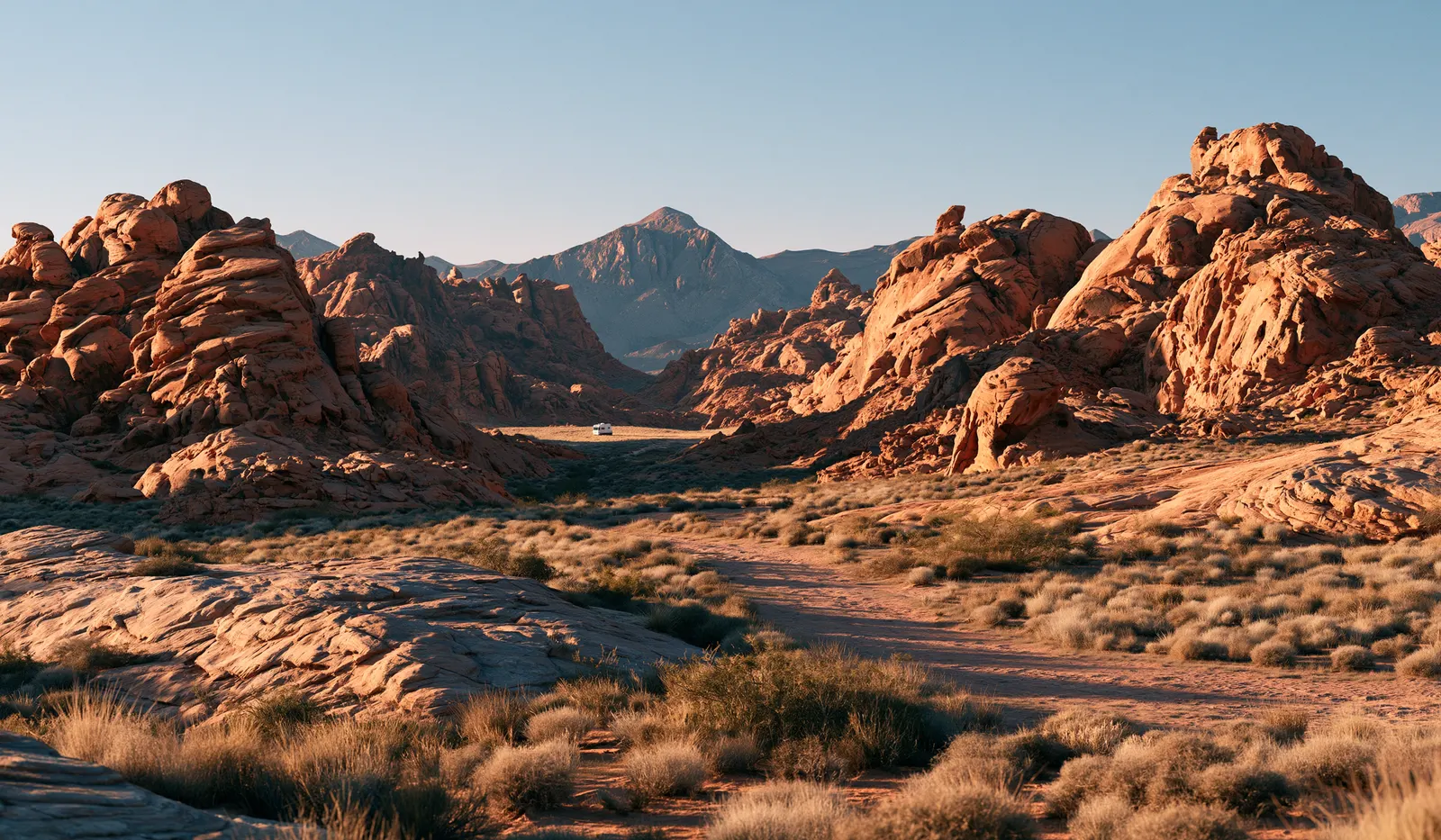
Nevada
Valley of Fire Petroglyphs: A Respectful RV Traveler's Guide
A Nevada state park of red Aztec sandstone northeast of Las Vegas, with petroglyphs over 2,000 years old at sites like Atlatl Rock and Mouse's Tank. The carvings are attributed to the Basketmaker and early Pueblo cultures and are protected by state and federal law.
Read the field guide
Where the record survives
Rock-art country, state by state
The great rock-art panels survive where dry desert air and dark canyon stone preserve them — the Colorado Plateau, the Great Basin, and the desert Southwest. Pick a state to plan a respectful visit.
Routing a quiet, respectful stop at a rock-art panel?