The view worth the detour
Scenic Landmarks for RV Travelers
Iconic American landmarks worth pointing an RV toward — rim roads, sea cliffs, and desert icons, with what each place is, when to go, and how to find a rig nearby. Facts are sourced from official park and agency pages.
- 40
- Field guides
- 21
- States covered
- 4
- Managing agencies
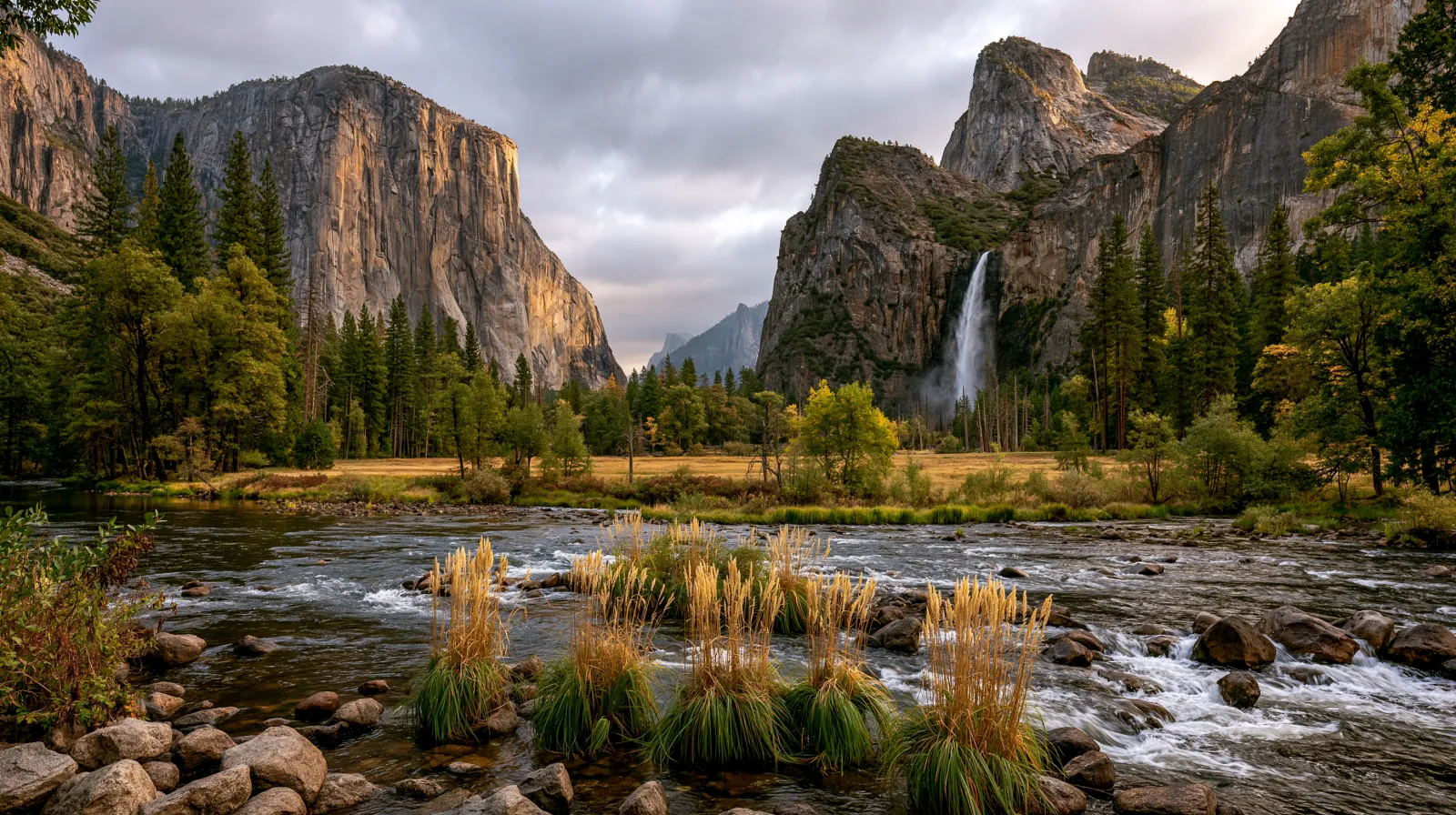
The icons
Every landmark in the guide
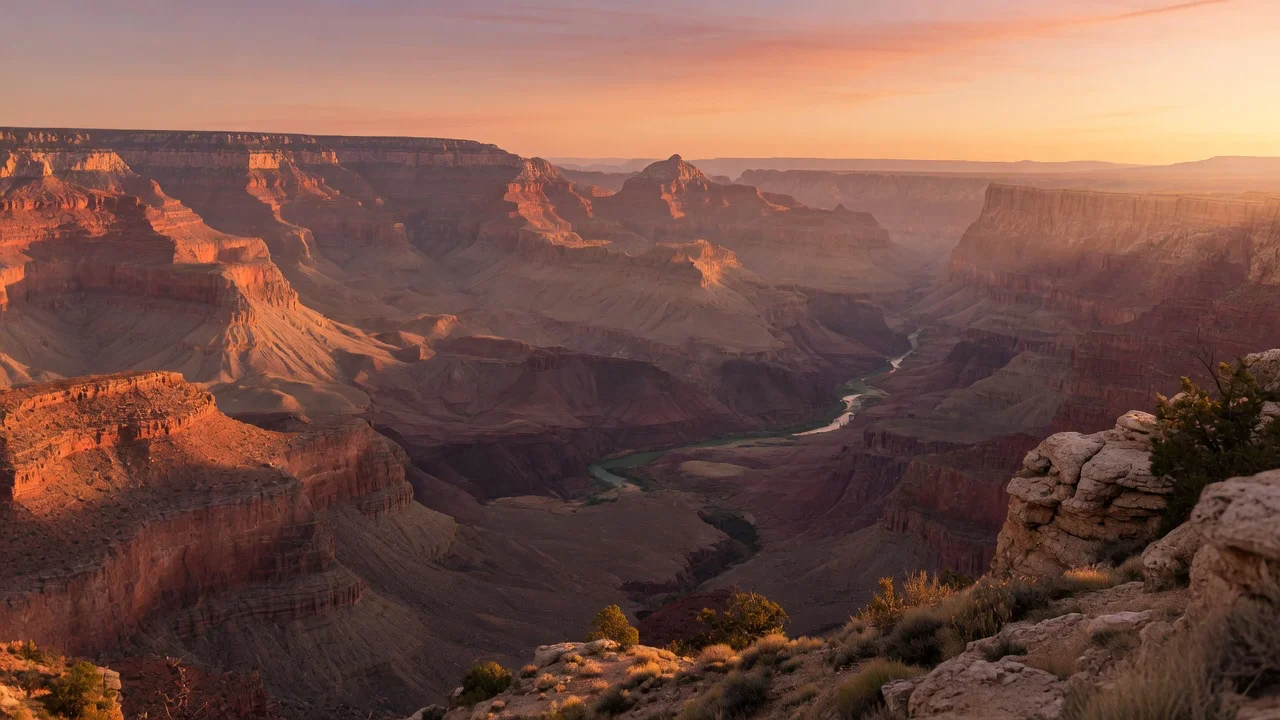
Arizona
Grand Canyon South Rim: An RV Traveler's Guide
A year-round, high-elevation section of Grand Canyon National Park in Arizona, with rim-edge overlooks, a developed village, NPS campgrounds, and private RV parks in the gateway towns of Tusayan and Williams just outside the park.
Read the field guide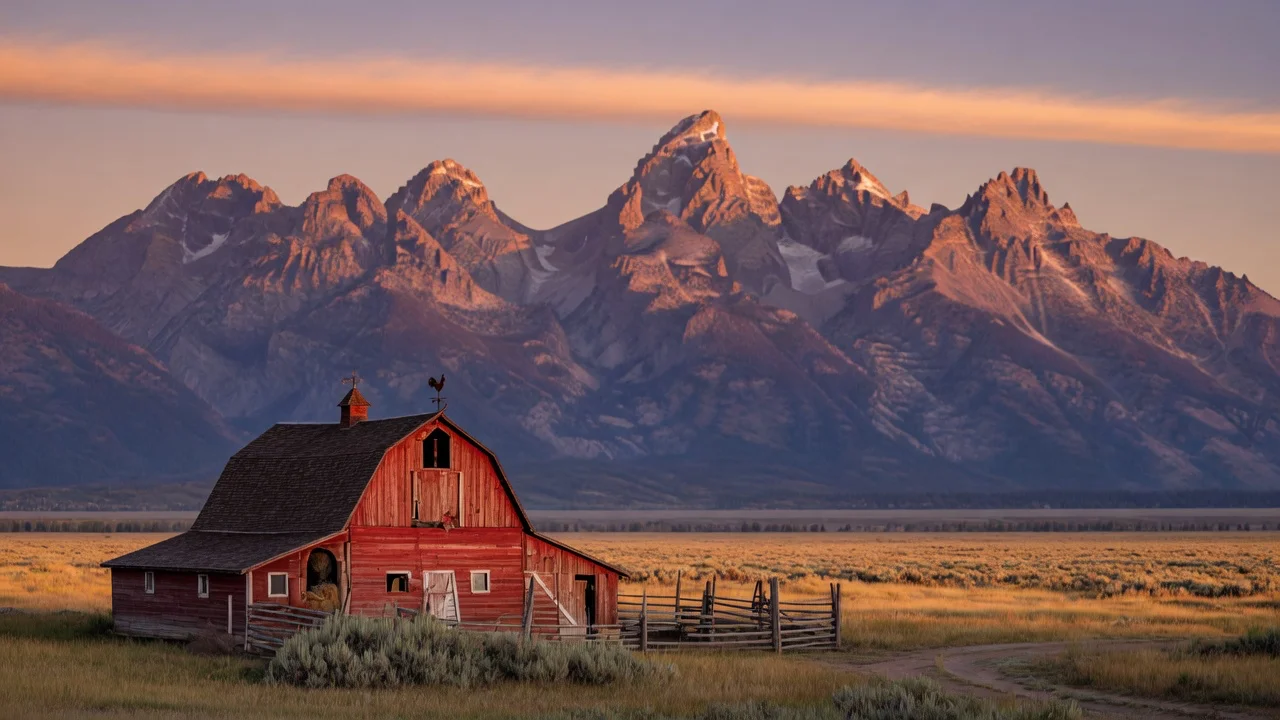
Wyoming
Grand Teton & the Snake River: An RV Traveler's Guide
A Wyoming national park where the Teton Range rises sharply above the Snake River and Jackson Hole. Several NPS campgrounds operate in the warm months, and the park sits a short drive from Yellowstone's south entrance.
Read the field guide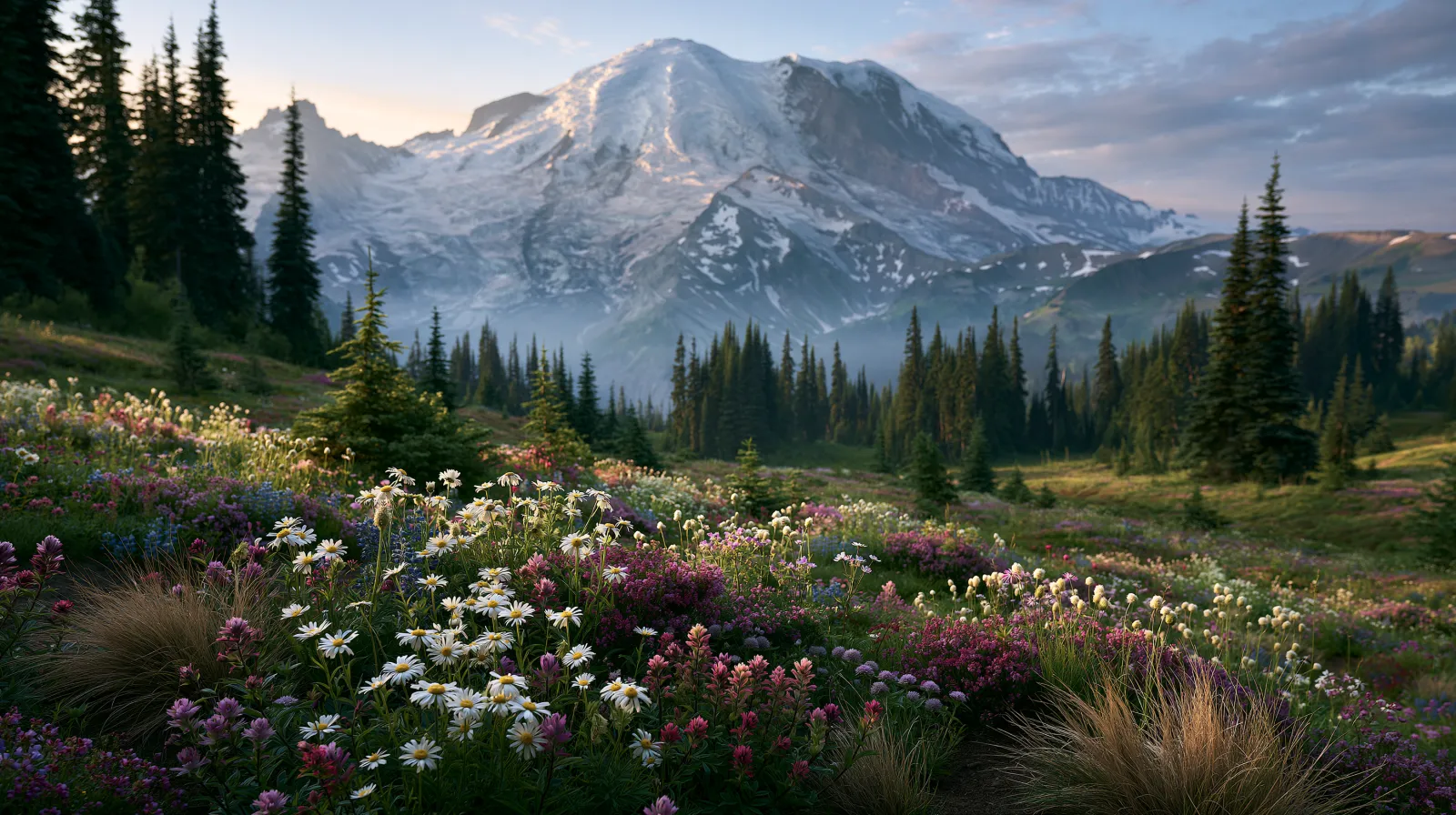
Washington
Mount Rainier: An RV Traveler's Guide
A Washington national park built around a 14,400-ft glaciated volcano. NPS campgrounds operate mainly in summer; high-elevation areas like Paradise and Sunrise can hold snow late, so the prime window is roughly July through September.
Read the field guide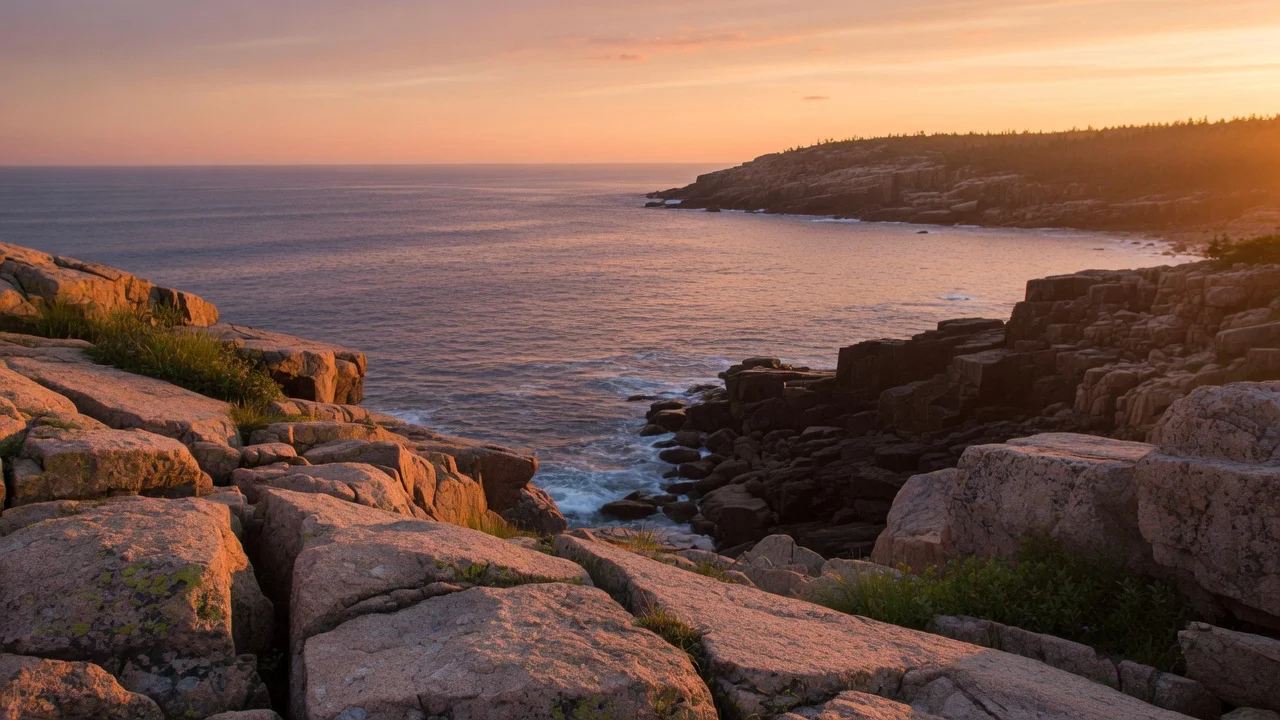
Maine
Acadia's Coastline: An RV Traveler's Guide
A Maine national park on Mount Desert Island, known for pink-granite coast, Cadillac Mountain, and the Park Loop Road. NPS campgrounds operate mainly spring through fall; the town of Bar Harbor sits just outside the park.
Read the field guide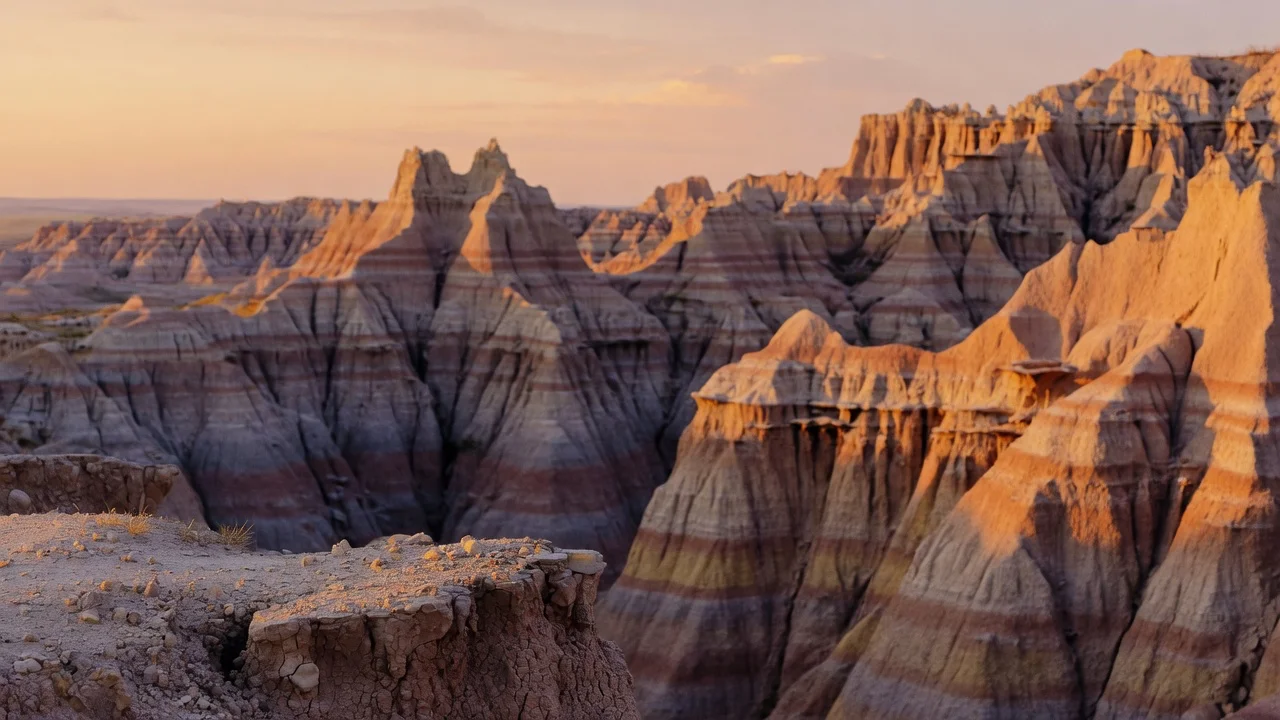
South Dakota
Badlands National Park: An RV Traveler's Guide
A South Dakota national park of eroded, banded rock formations and prairie, with a scenic loop drive and NPS campgrounds. It sits near the Black Hills and is a common stop on Interstate 90 road trips.
Read the field guide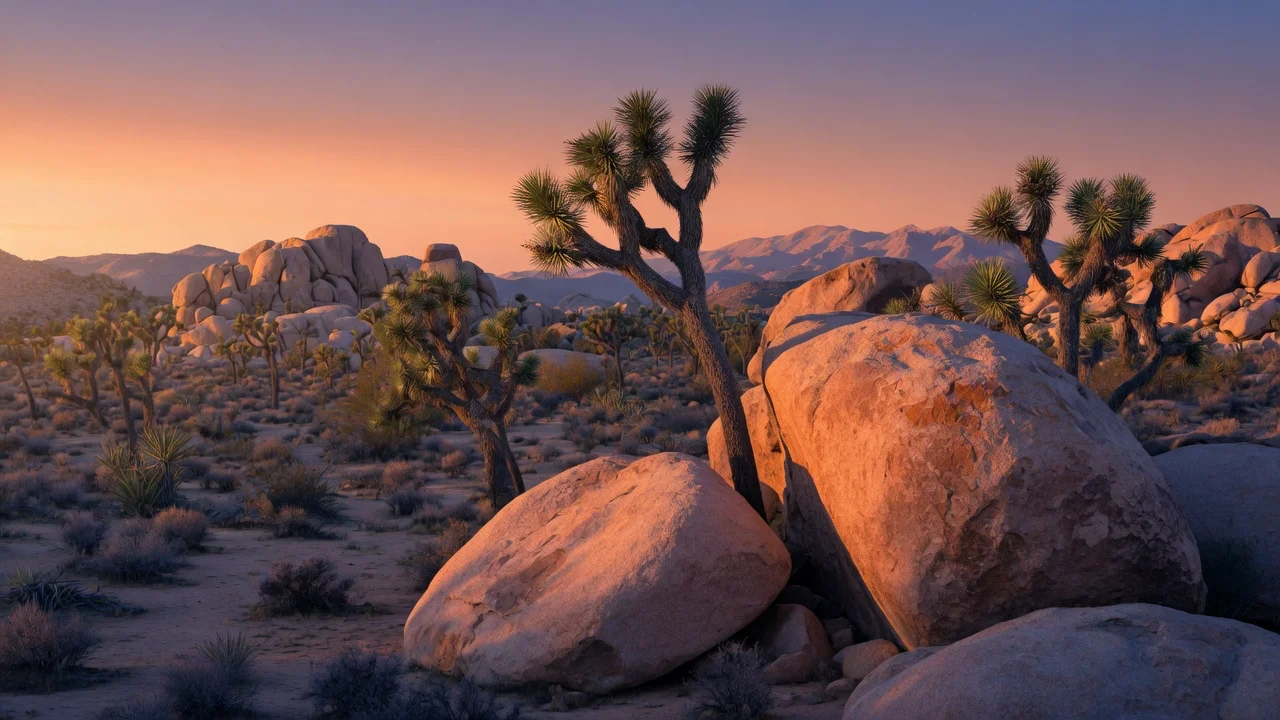
California
Joshua Tree National Park: An RV Traveler's Guide
A southern California desert park where Joshua trees and granite boulder fields meet dark night skies. NPS campgrounds are mostly first-come or limited-reservation; spring and fall are the comfortable seasons.
Read the field guide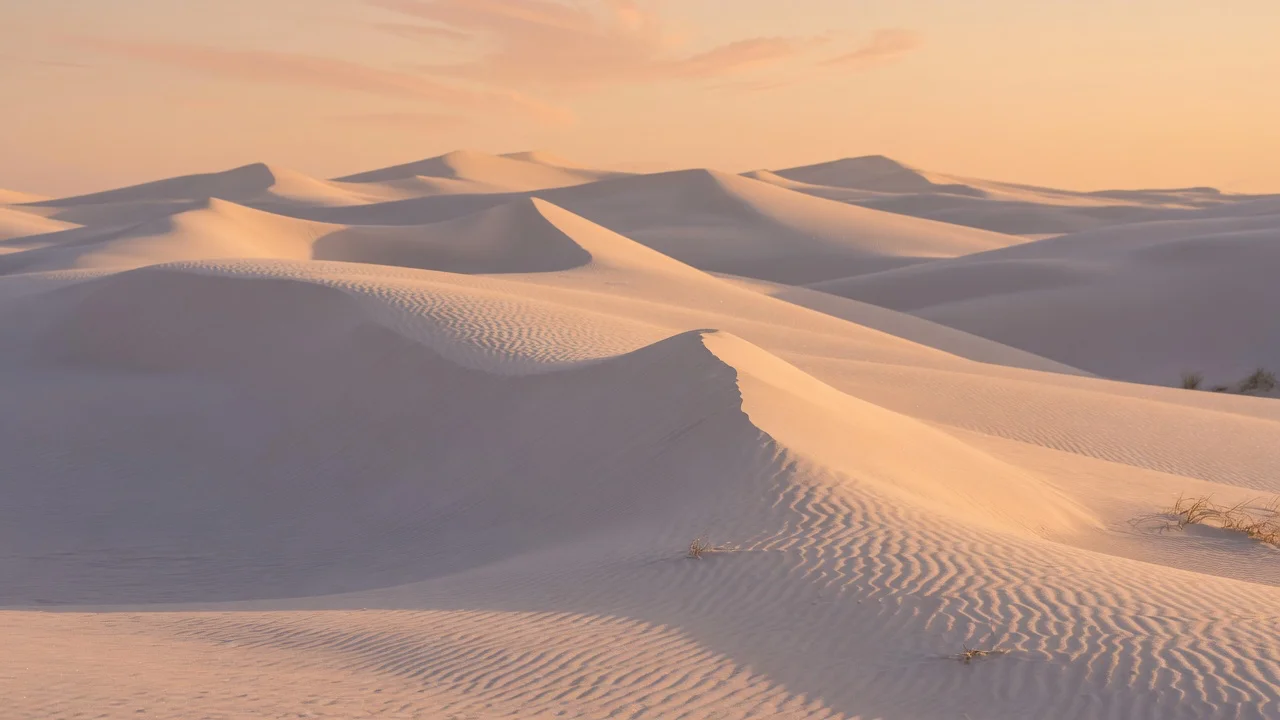
New Mexico
White Sands National Park: An RV Traveler's Guide
A New Mexico park of brilliant-white gypsum dunes with an interior scenic drive. The park has no RV hookups inside; travelers base at nearby Alamogordo and Las Cruces. Note the park sometimes closes briefly for adjacent missile-range tests.
Read the field guide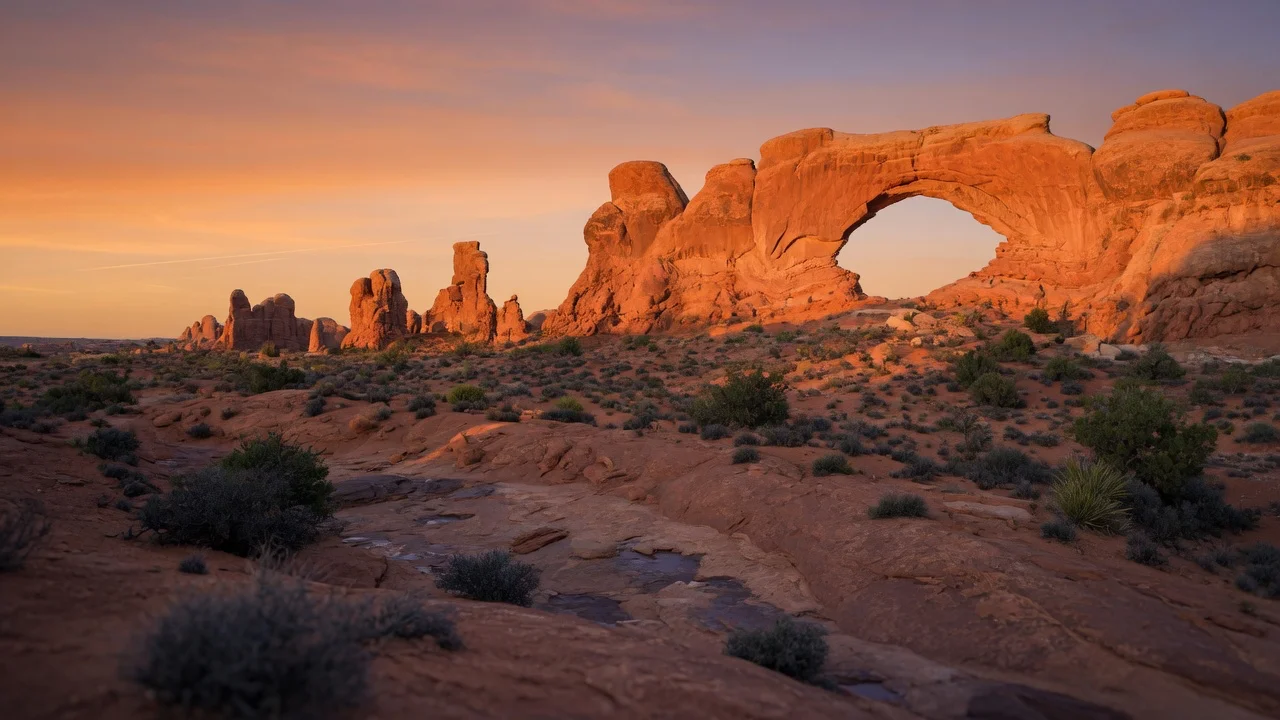
Utah
Delicate Arch & Arches National Park: An RV Traveler's Guide
A Utah national park near Moab famous for Delicate Arch and thousands of sandstone arches, with a paved scenic drive and certified dark skies. Moab offers abundant private RV parks. Entry rules have varied by year, so the official NPS site is the place to confirm them.
Read the field guide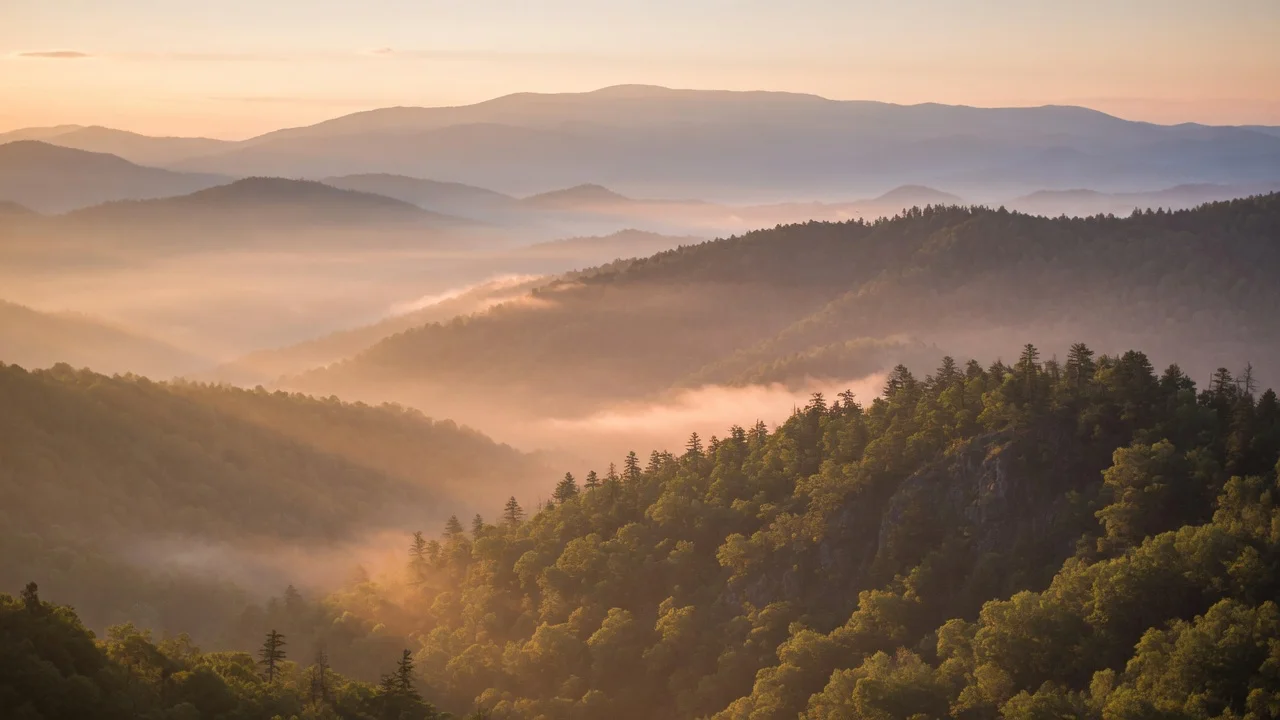
Tennessee & North Carolina
Great Smoky Mountains: An RV Traveler's Guide
An Appalachian national park on the Tennessee–North Carolina border, known for misty blue ridgelines, NPS campgrounds, and fall foliage. Gateway towns Gatlinburg (TN) and Cherokee (NC) offer extensive private RV parks.
Read the field guideCalifornia
Big Sur Coastline
California
Big Sur Coastline: An RV Traveler's Guide
A dramatic central-California coast along Highway 1, with cliffs, redwoods, and state-park campgrounds. The road is narrow and winding with periodic closures from slides, so check current conditions and campground details before you go.
Read the field guideArizona & Utah
Monument Valley
Arizona & Utah
Monument Valley: An RV Traveler's Guide
A Navajo Tribal Park on the Arizona–Utah line, famous for towering sandstone buttes and a scenic valley drive. It sits on tribal land managed by the Navajo Nation; nearby towns like Kayenta and Mexican Hat offer services.
Read the field guide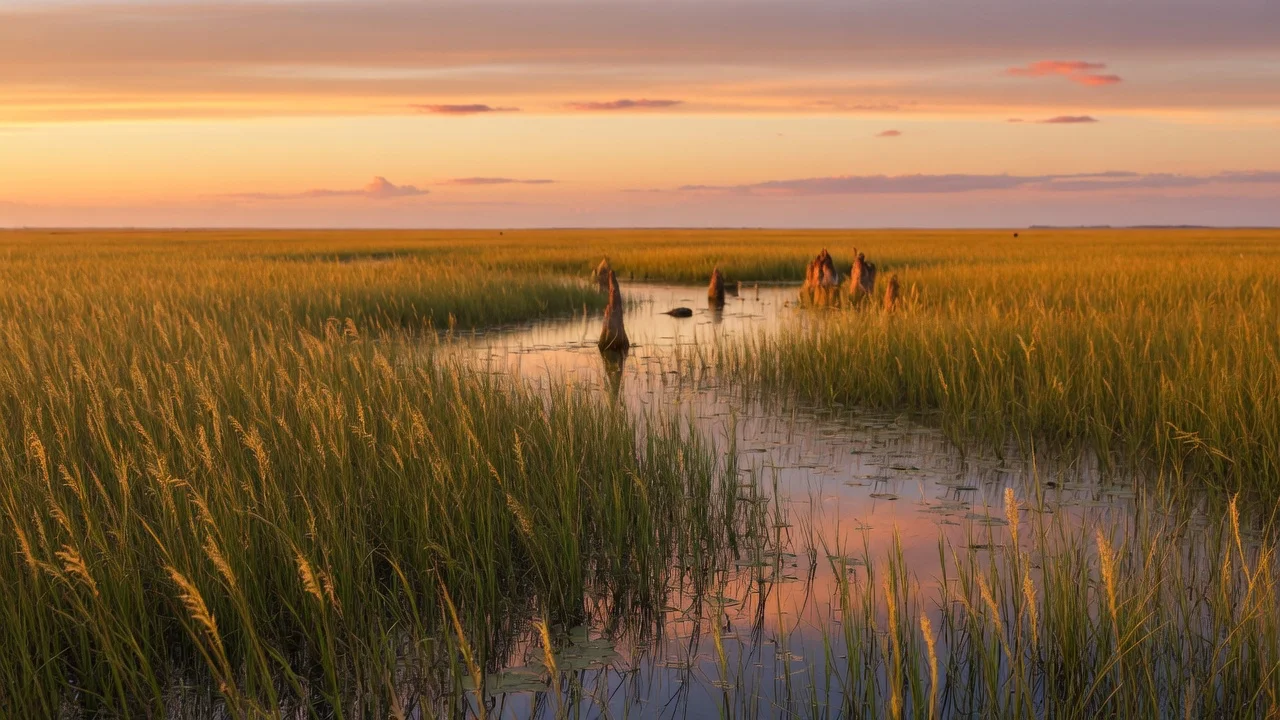
Florida
The Everglades: An RV Traveler's Guide
A Florida national park of subtropical wetlands and abundant wildlife, with NPS campgrounds and scenic drives. The dry season (roughly November–April) is the prime window; summer is hot, humid, and buggy.
Read the field guide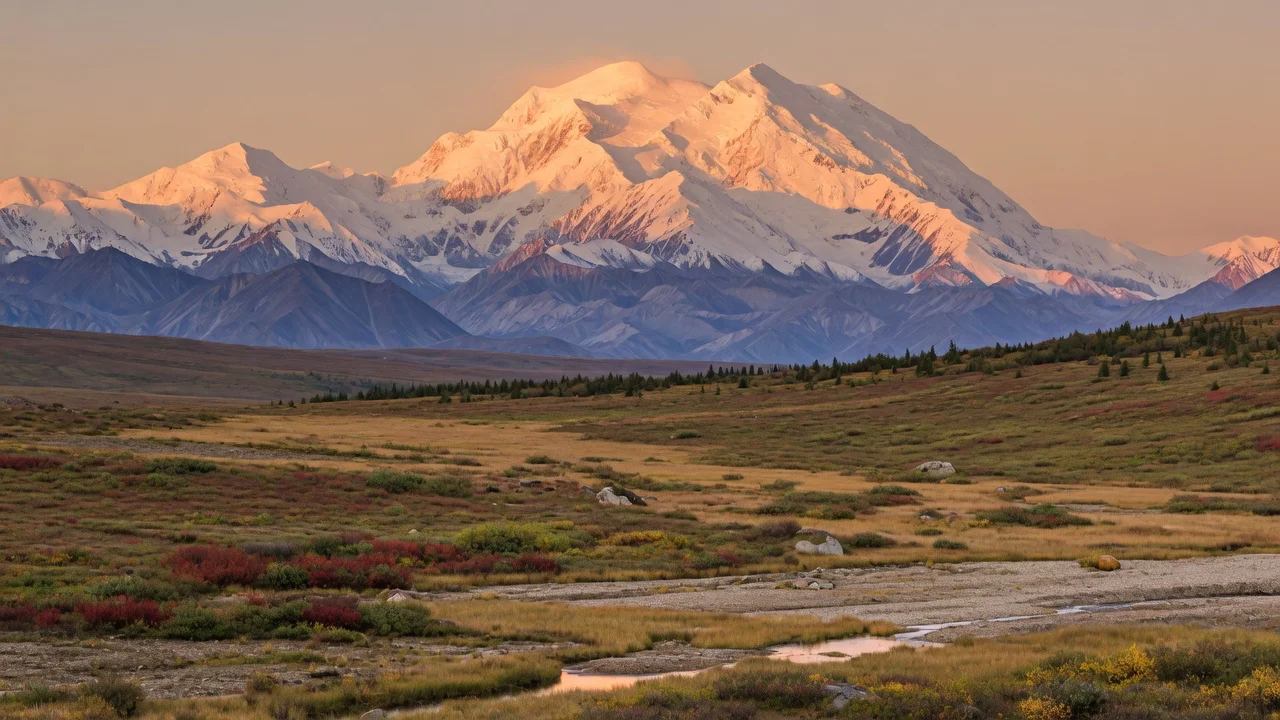
Alaska
Denali & the High One: An RV Traveler's Guide
An Alaska national park built around North America's highest peak, with one park road, tundra wildlife, and a short summer season. RV travelers use campgrounds near the entrance; the mountain is often hidden by clouds.
Read the field guideMichigan
Pictured Rocks
Michigan
Pictured Rocks: An RV Traveler's Guide
A Michigan national lakeshore of colorful sandstone cliffs along Lake Superior, with NPS campgrounds, waterfalls, and strong fall color. The season runs roughly late spring through fall; Munising and Grand Marais are gateway towns.
Read the field guide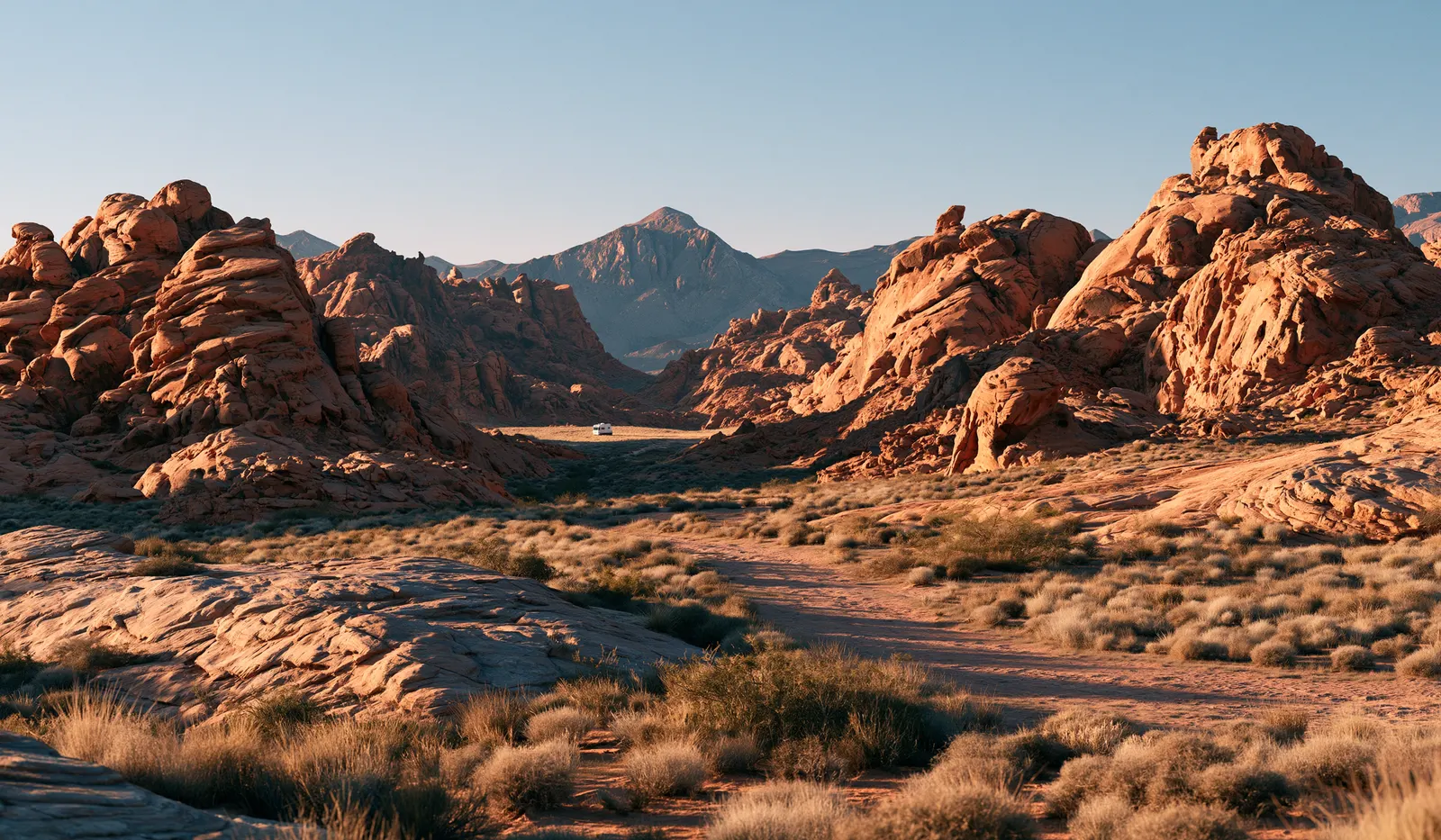
Nevada
Valley of Fire State Park: An RV Traveler's Guide
A Nevada state park of vivid red sandstone formations near Las Vegas, with a scenic drive, petroglyphs, and campgrounds. Spring and fall are comfortable; summer is extremely hot in the open desert.
Read the field guide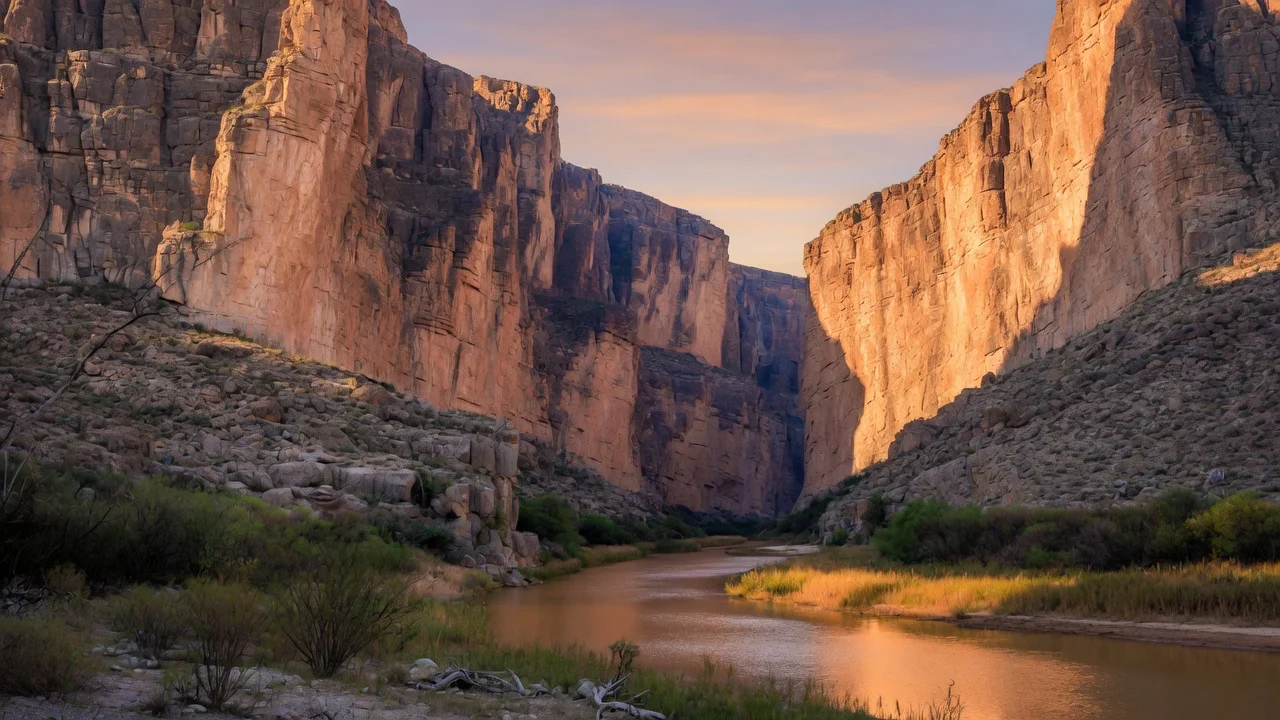
Texas
The Chisos Mountains of Big Bend: An RV Traveler's Guide
A forested 'sky island' mountain range inside Big Bend National Park in remote southwest Texas, surrounded by the Chihuahuan Desert and famous for dark skies. NPS campgrounds operate in the park; the nearest towns are far away.
Read the field guideNorth Carolina & Virginia
The Blue Ridge Parkway
North Carolina & Virginia
The Blue Ridge Parkway: An RV Traveler's Guide
A 469-mile NPS scenic drive along the southern Appalachian crest through Virginia and North Carolina, with overlooks, campgrounds, and famous fall foliage. The road has low speed limits, tunnels, and seasonal closures.
Read the field guide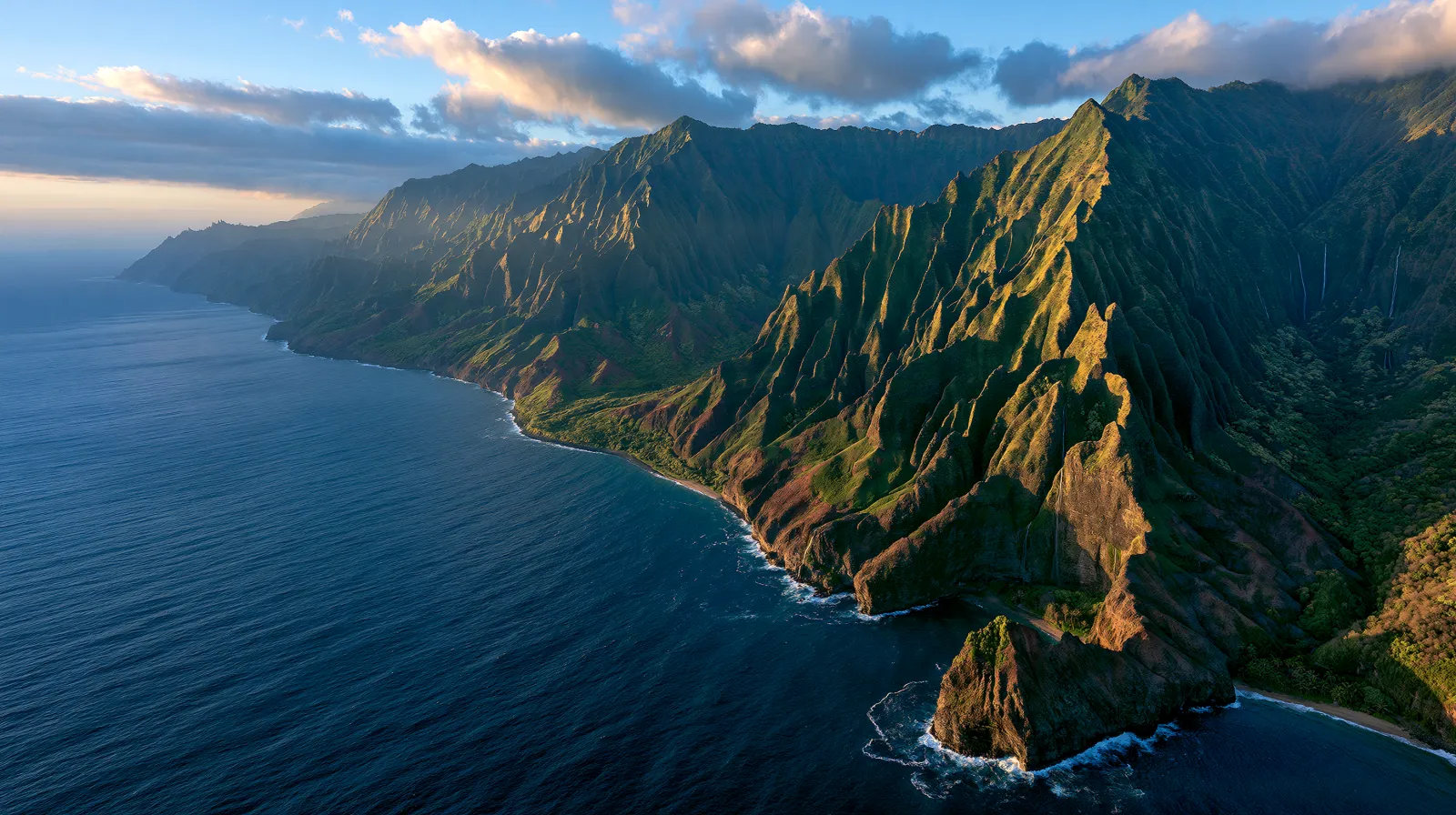
Hawaii
The Na Pali Coast: A Traveler's Guide
A roadless stretch of towering green sea cliffs on Kauai's northwest coast, protected as a Hawaii state wilderness park. There is no RV access along the coast itself; visitors base elsewhere on Kauai and reach it by trail, boat, or air.
Read the field guide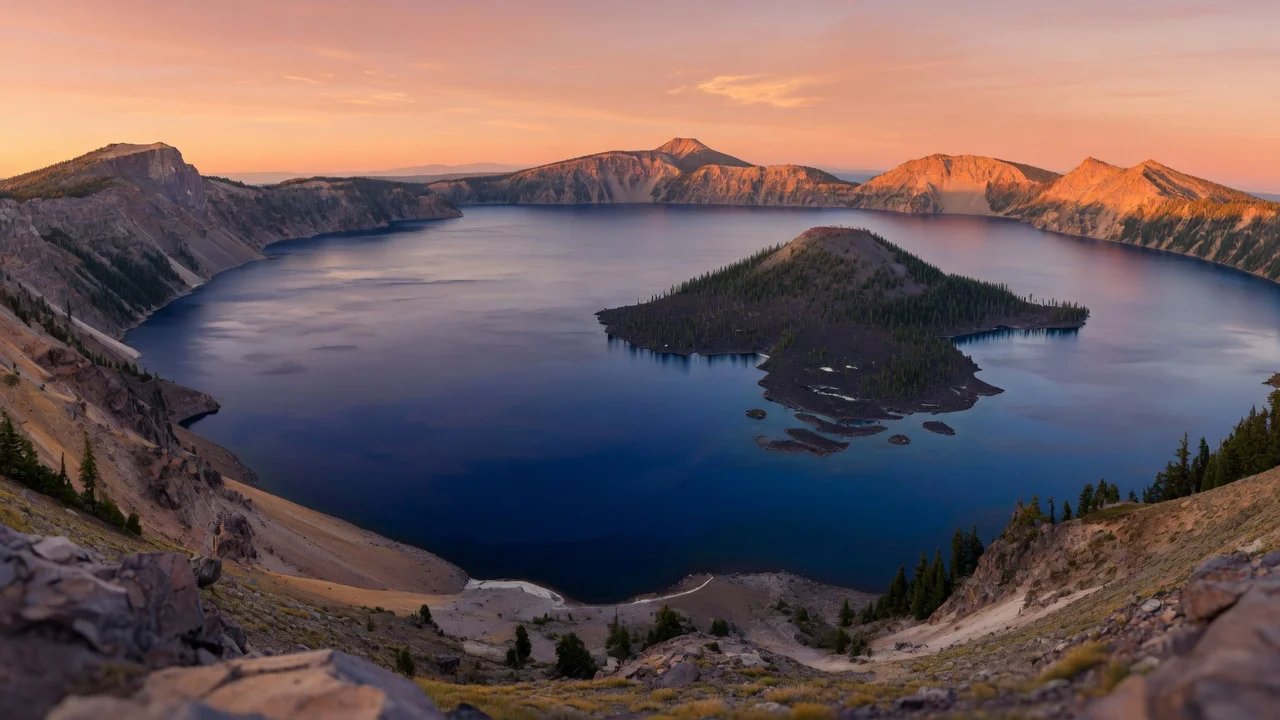
Oregon
Crater Lake: An RV Traveler's Guide
Crater Lake sits atop the Cascade Range at over 6,100 feet elevation, inside the national park that bears its name. The lake’s unmatched depth and purity yield its signature cobalt hue. Summer brings accessible roads and hiking trails, while winter transforms the area into a snow-blanketed quietude, with the park remaining open for snowshoeing and cross-country skiing under clear skies.
Read the field guide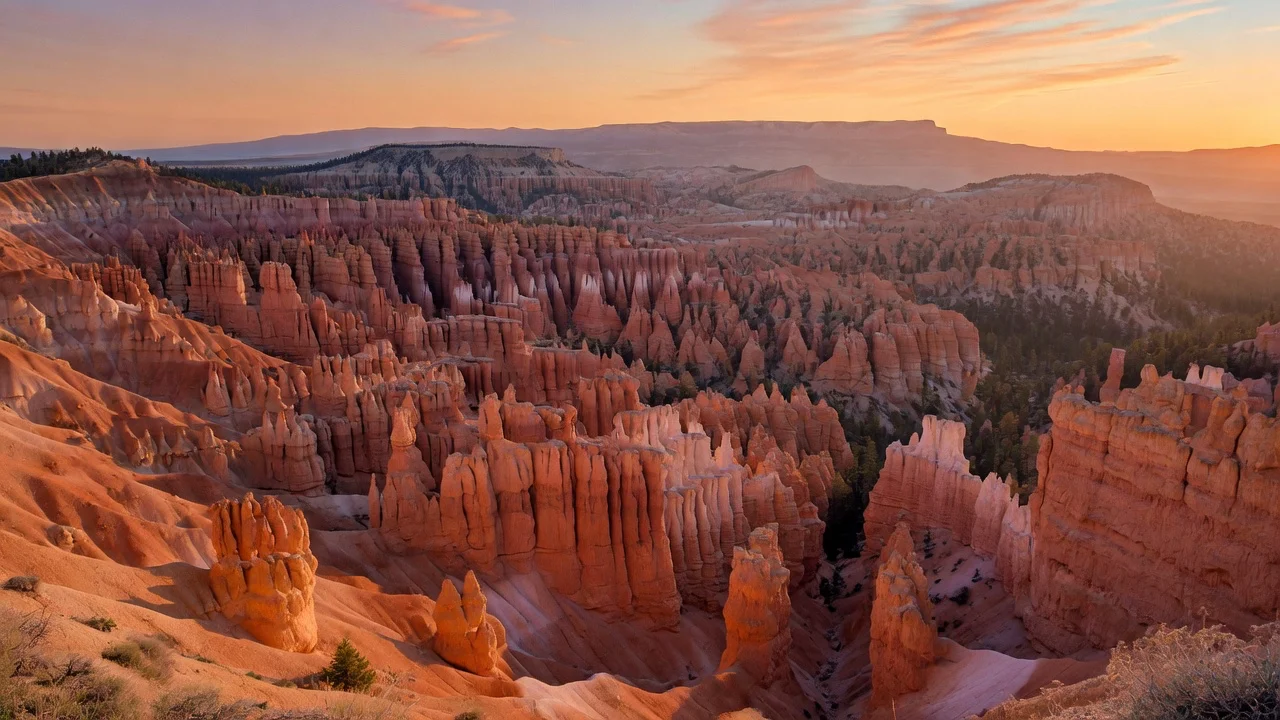
Utah
Bryce Canyon: An RV Traveler's Guide
Set at elevations between 6,600 and 9,100 feet, Bryce Canyon experiences cool summers and snowy winters. The park’s high-altitude desert climate and exceptionally dark skies make it a prime stargazing destination. Its remote location on the Paunsaugunt Plateau contributes to dramatic landscapes and relative tranquility.
Read the field guide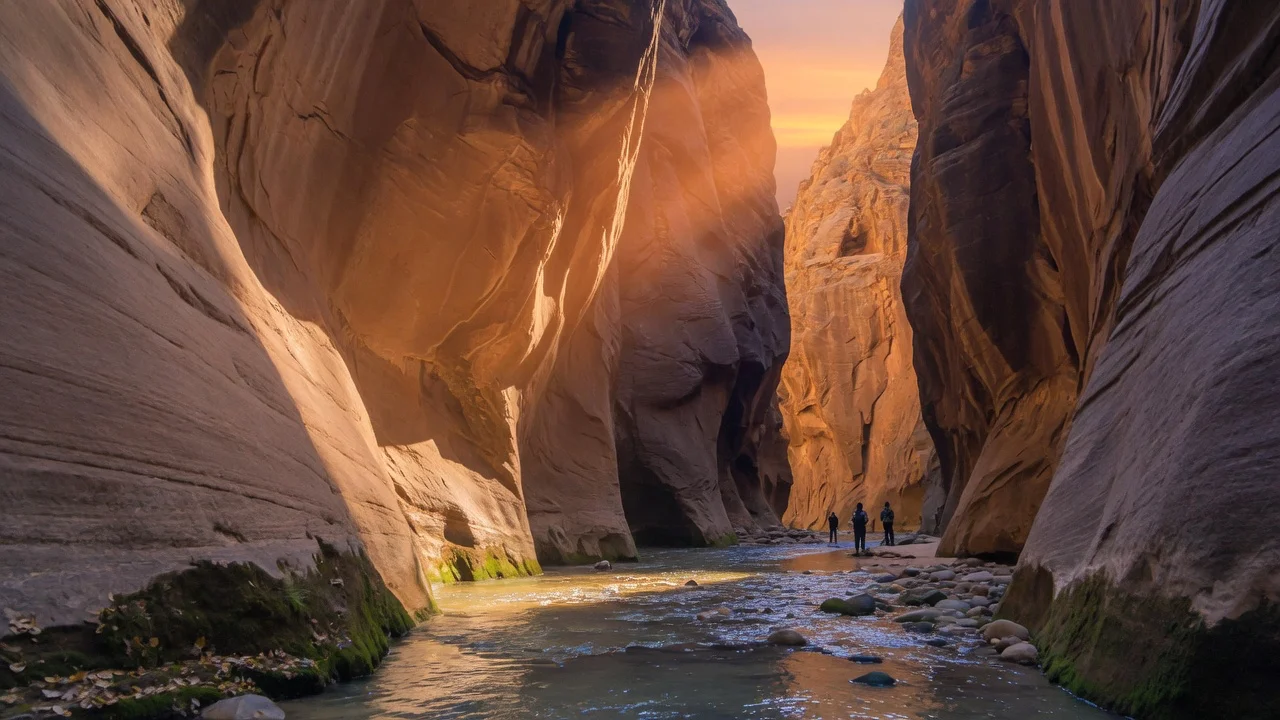
Utah
Zion Canyon: An RV Traveler's Guide
Zion Canyon is the heart of Zion National Park, a deep chasm in the Colorado Plateau famed for its towering sandstone walls and the winding Virgin River. It’s one of the most visited natural areas in the U.S., drawing millions each year. The canyon floor is accessible via the Zion Canyon Scenic Drive (shuttle-only in peak seasons), while trails range from easy riverside strolls to strenuous ascents with sheer drop-offs.
Read the field guideWyoming
Devils Tower
Wyoming
Devils Tower: An RV Traveler's Guide
Devils Tower National Monument preserves an astonishing natural skyscraper of phonolite porphyry. Wildlife like deer, prairie dogs, and birds of prey inhabit the surrounding pine forests and grasslands. While the Tower is a world-renowned climbing destination, a voluntary climbing closure in June honors Native American cultural ceremonies. The Tower Trail offers a gentle 1.3-mile loop with interpretive signs, giving all visitors an intimate view of the rock’s fluted columns and the sweeping landscape.
Read the field guide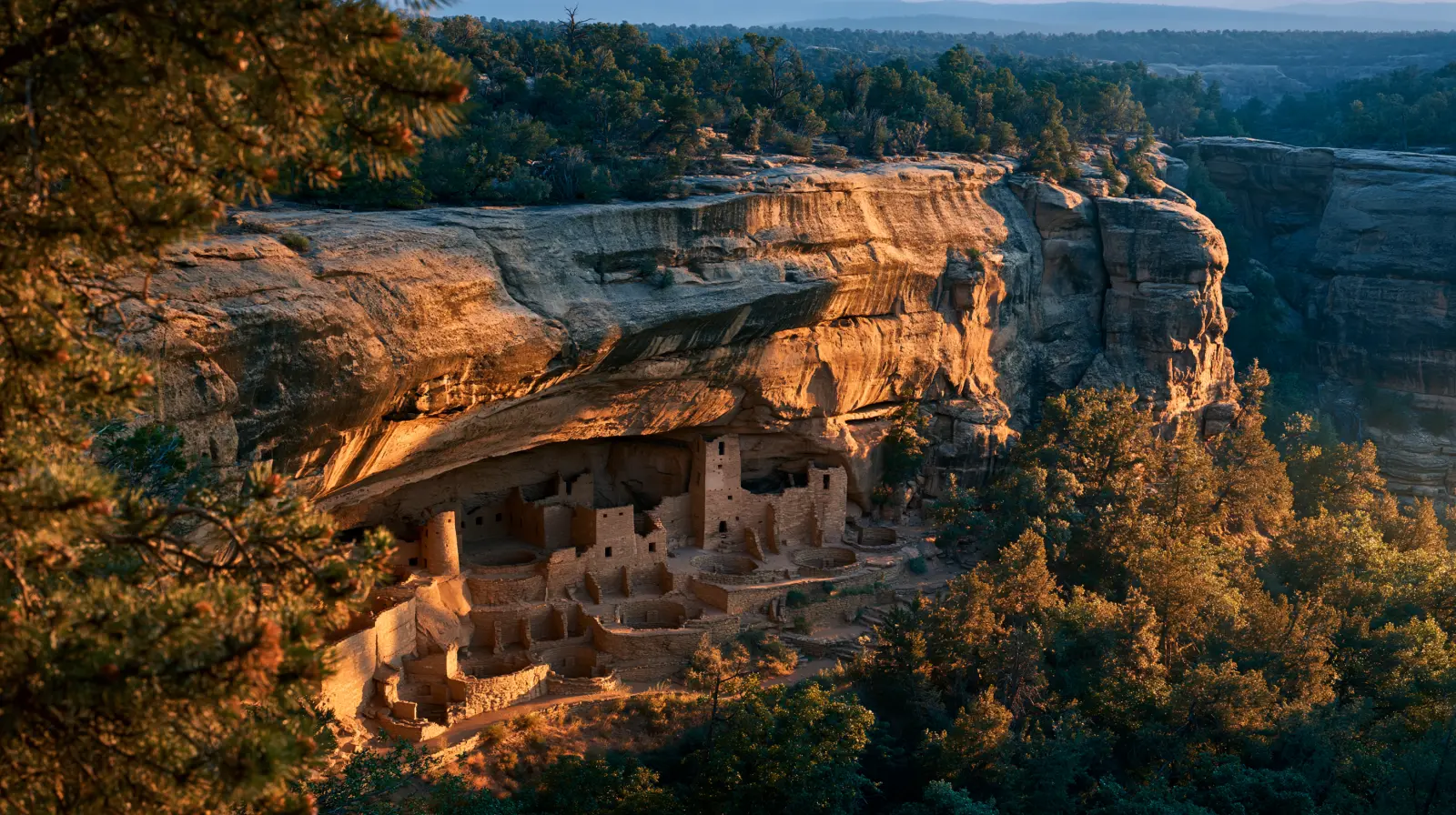
Colorado
Mesa Verde Cliff Dwellings: An RV Traveler's Guide
Spanning over 52,000 acres, Mesa Verde is home to more than 600 cliff dwellings and thousands of other archaeological sites. The park sits at elevations between about 6,000 and 8,572 feet, resulting in cool summers and snowy winters. While some dwellings can be seen from overlooks, entering the most famous structures requires a ranger-led tour, with tickets often selling out.
Read the field guide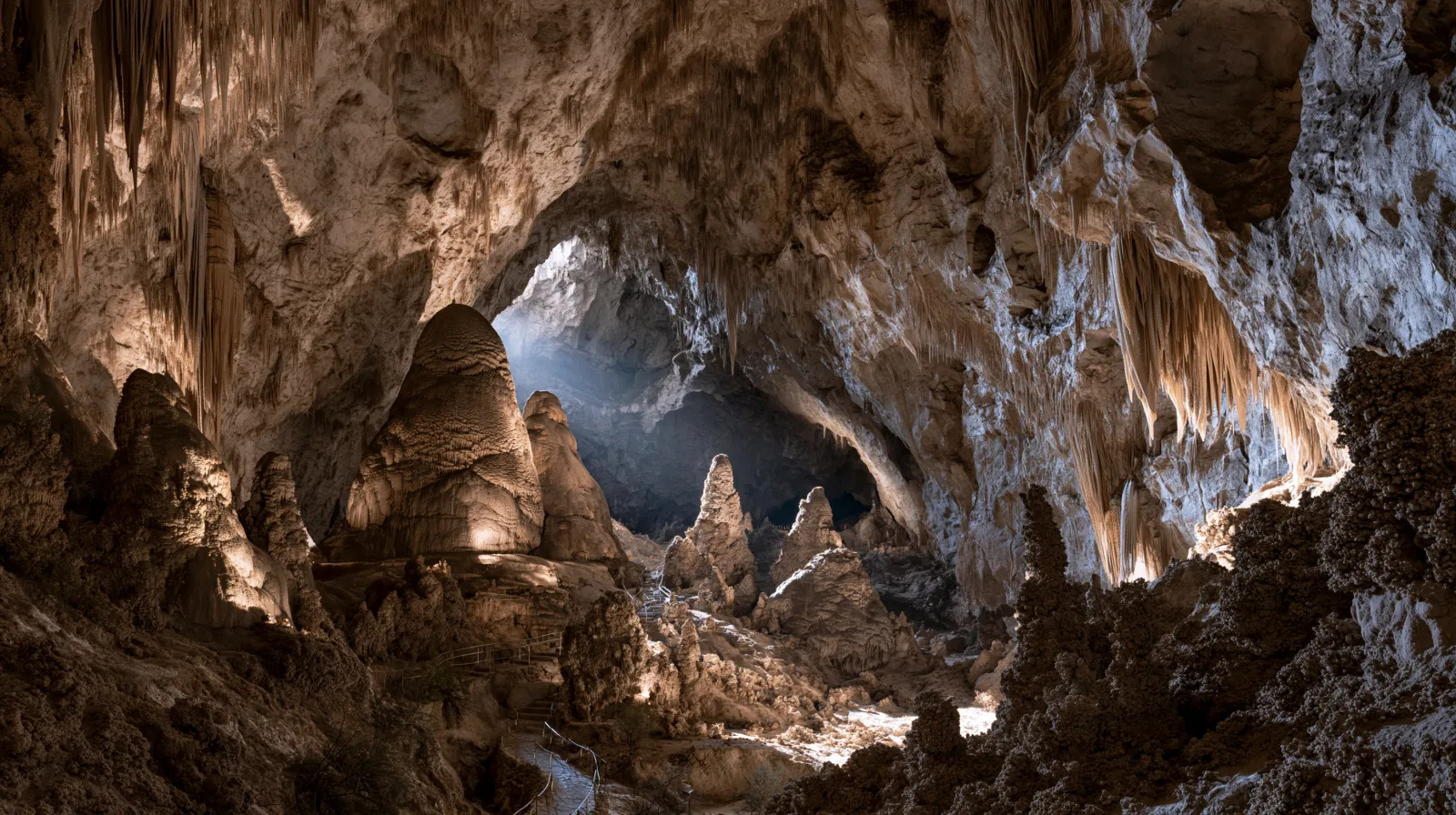
New Mexico
Carlsbad Caverns: An RV Traveler's Guide
Beneath the high desert, more than 119 known caves twist through Permian-age limestone. The Big Room, at 8.2 acres, is the largest easily accessible cave chamber in North America. The park is also a designated World Heritage Site. Above ground, visitors can explore desert trails and watch the famous bat emergence from an amphitheater.
Read the field guideNorth Carolina
Cape Hatteras Lighthouse
North Carolina
Cape Hatteras Lighthouse: An RV Traveler's Guide
The black-and-white spiraled Cape Hatteras Lighthouse stands as a sentinel on the Outer Banks, guarding the treacherous Graveyard of the Atlantic. Built in 1870, its distinct daymark makes it one of the most recognizable lighthouses in the world. The lighthouse was famously moved 2,900 feet inland in 1999 to save it from erosion.
Read the field guide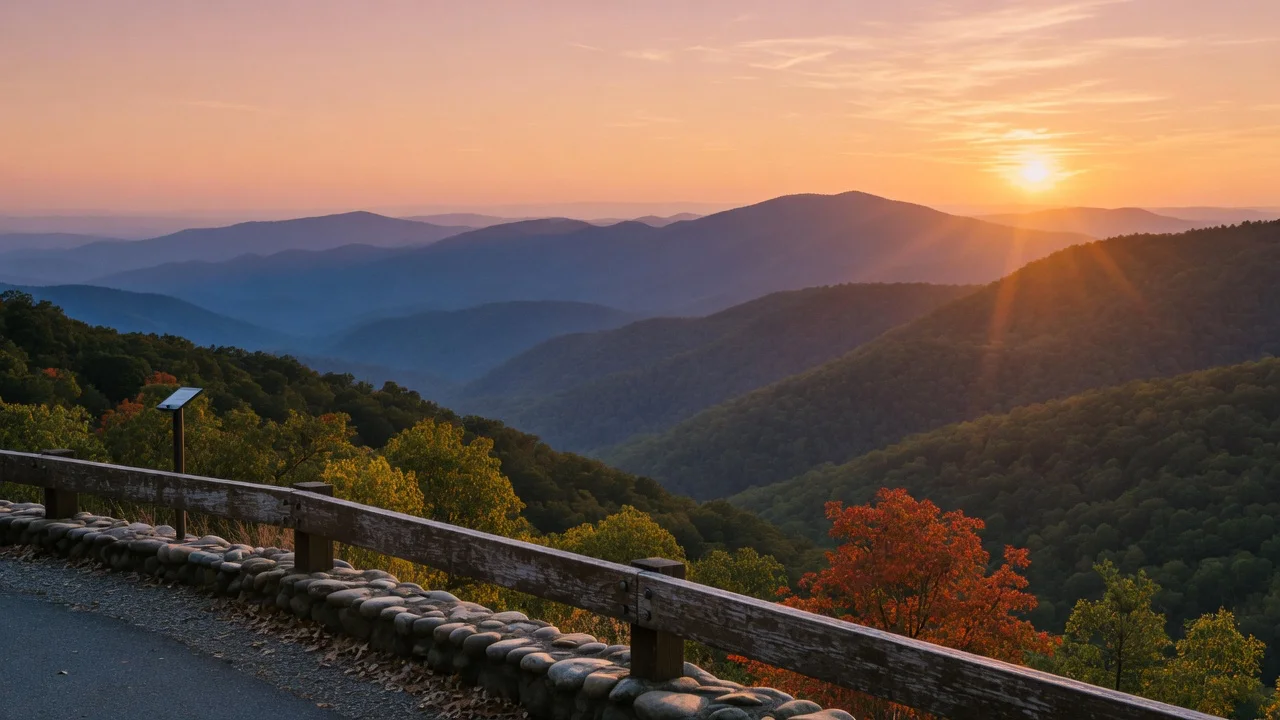
Virginia
Skyline Drive (Shenandoah): An RV Traveler's Guide
The drive is entirely within Shenandoah National Park, stretching from Front Royal to Rockfish Gap. It is a designated National Scenic Byway. The speed limit is low, and the road features numerous pull-offs for viewing. The park's Skyline Drive is a popular destination for leaf-peeping in October and a peaceful retreat in other seasons.
Read the field guide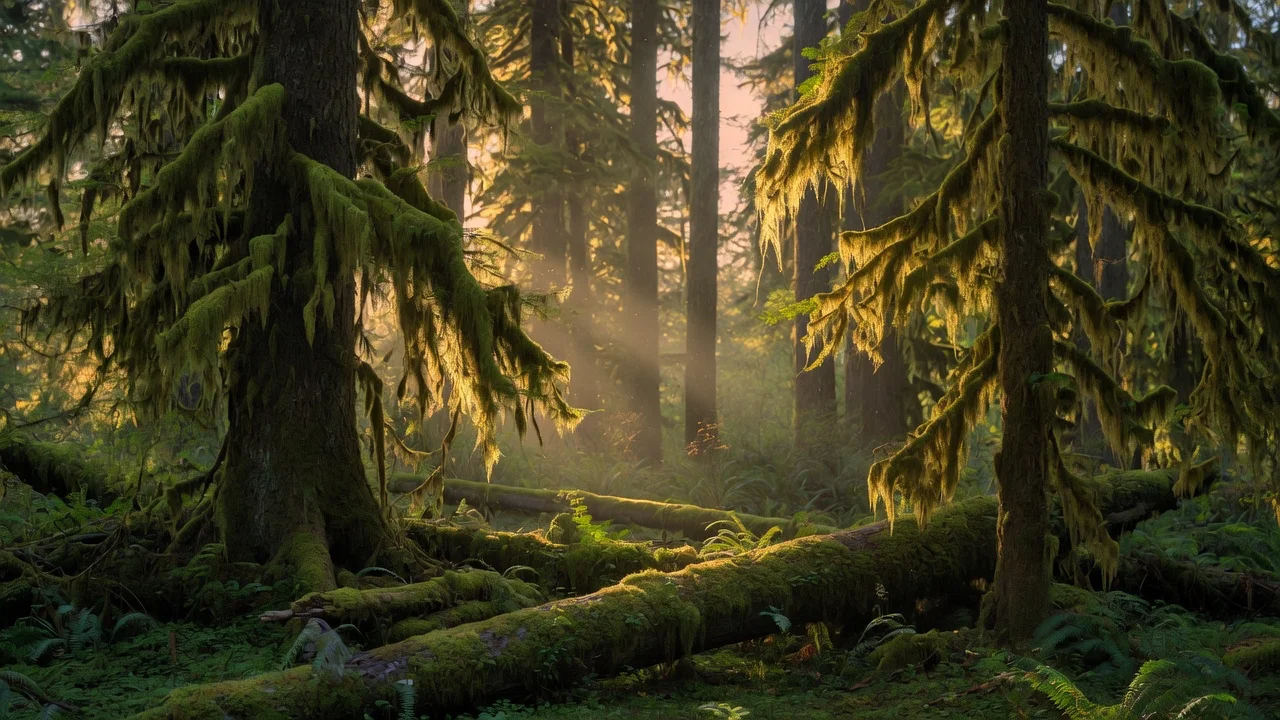
Washington
Olympic National Park (Hoh Rain Forest): An RV Traveler's Guide
Visitors to the Hoh Rain Forest encounter a moss-laden, cathedral-like grove of towering conifers and sprawling bigleaf maples. The Hall of Mosses Trail offers an easy loop into this lush environment, while the Hoh River Trail extends deeper into the valley. Persistent moisture creates a soft, quiet atmosphere, with seasonal variations in rainfall and wildlife activity throughout the year.
Read the field guide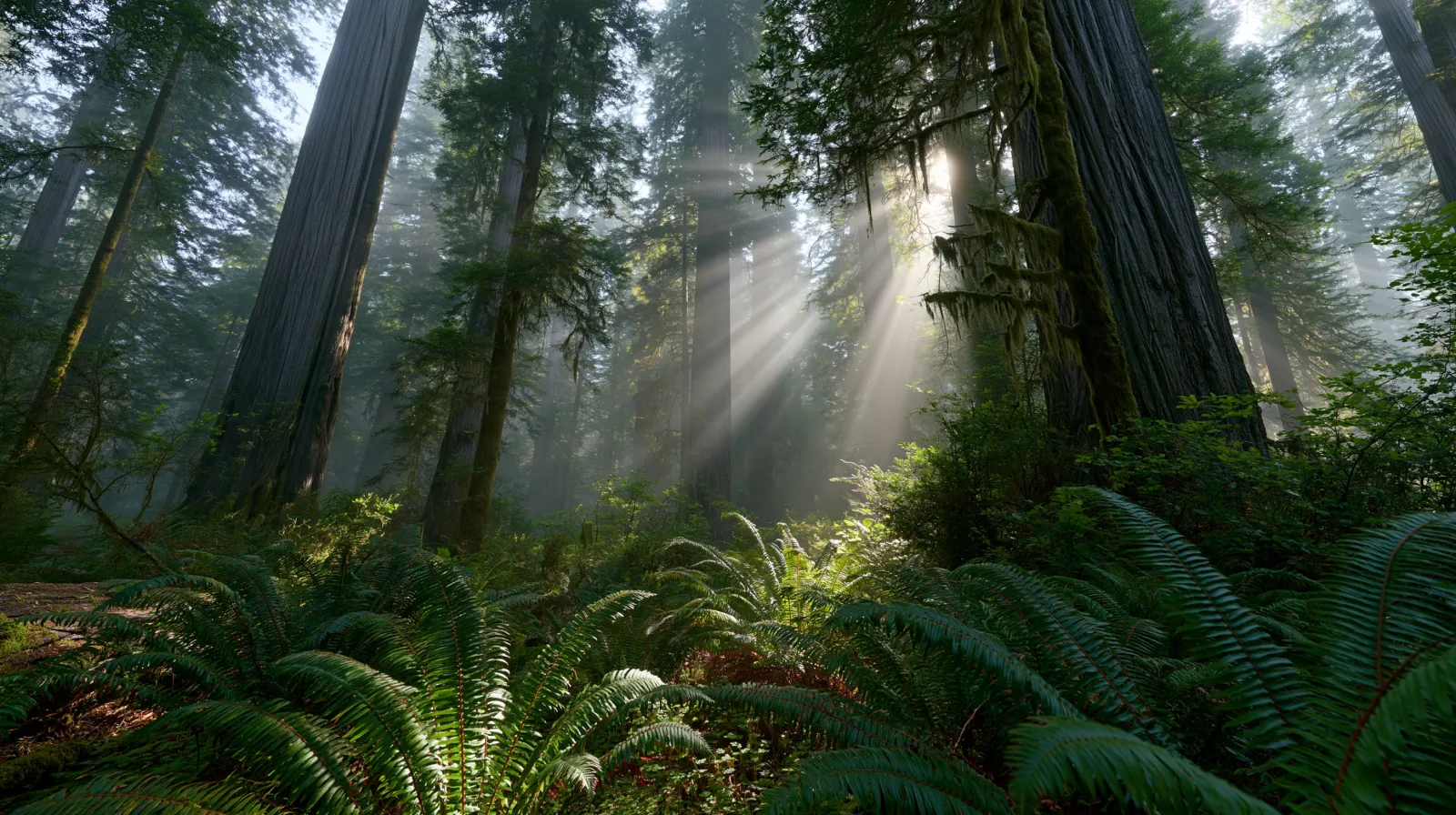
California
Redwood National Park: An RV Traveler's Guide
Redwood National and State Parks form a UNESCO World Heritage Site encompassing dense ancient forests, wild rivers, and about 37 miles of pristine coastline. The park is a sanctuary for threatened species like the northern spotted owl and coho salmon. While summer brings the driest weather, a persistent marine layer often cloaks the coast, keeping the understory lush. Trails range from easy grove walks to strenuous backcountry routes amid massive trees.
Read the field guide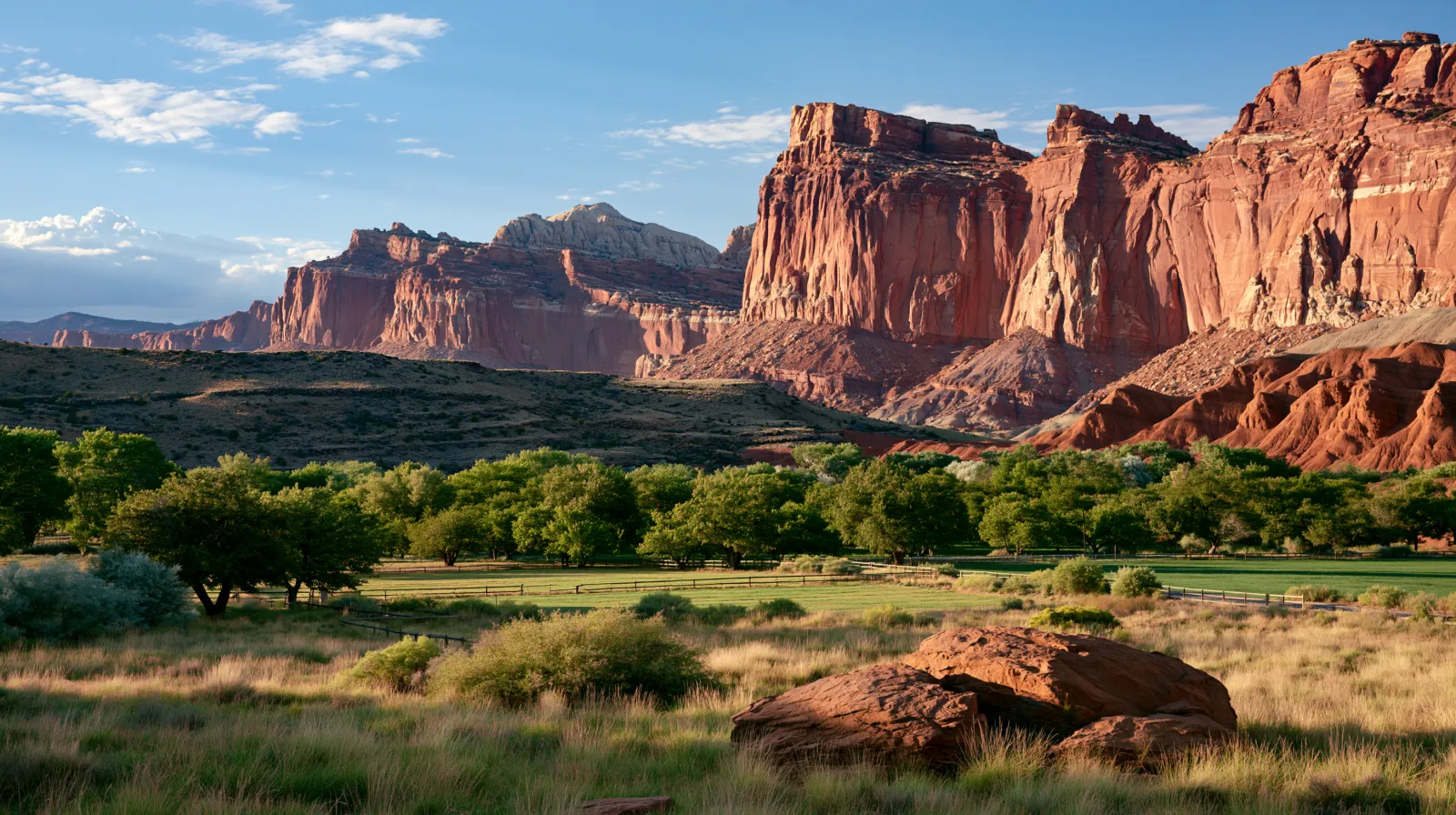
Utah
Capitol Reef: An RV Traveler's Guide
Capitol Reef National Park features the Waterpocket Fold, a striking monocline that stretches for nearly 100 miles. The park exhibits layered red rock formations, narrow canyons, and historic fruit orchards. Often overshadowed by Utah’s other parks, it provides a quieter experience with ample hiking, backpacking, and scenic drives through its rugged and colorful landscape.
Read the field guide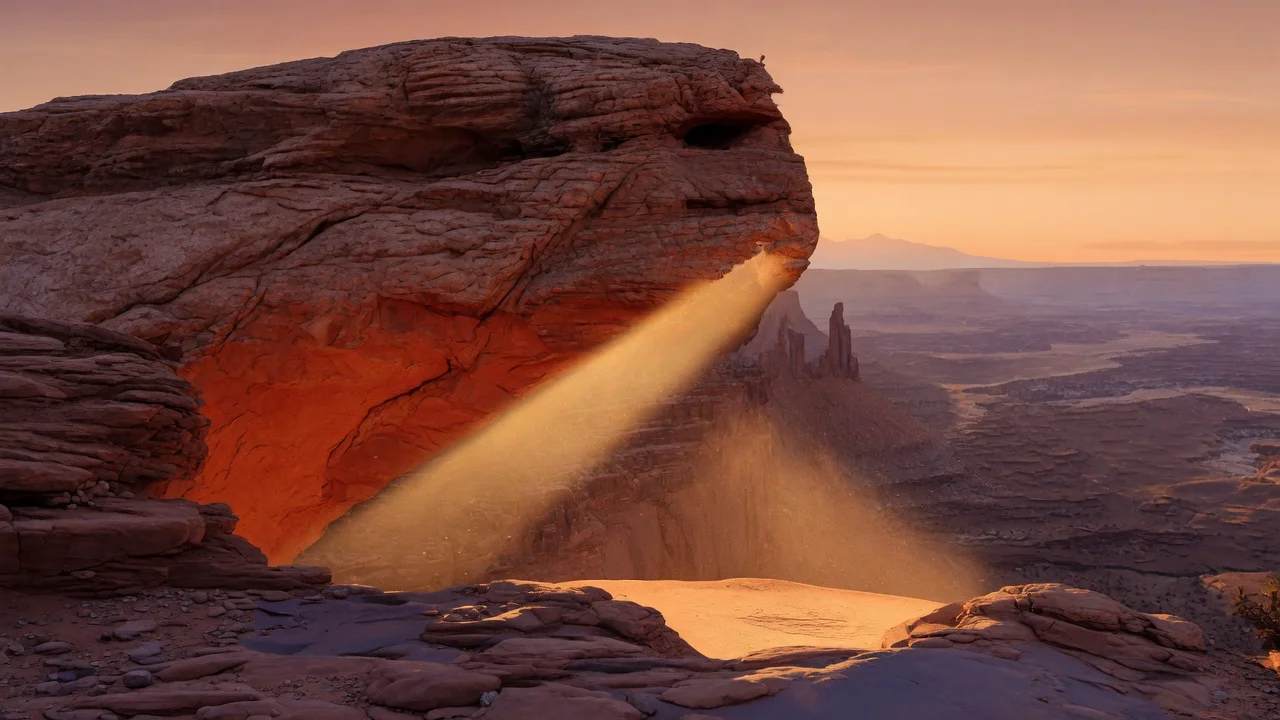
Utah
Canyonlands (Island in the Sky): An RV Traveler's Guide
The Island in the Sky mesa forms the northern section of Canyonlands National Park, about 32 miles from Moab. Its paved scenic road and short trails make it ideal for day trips, while its remote campsites offer backcountry solitude. The area is known for its sunsets and for night skies dark enough to earn recognition as an International Dark Sky Park.
Read the field guide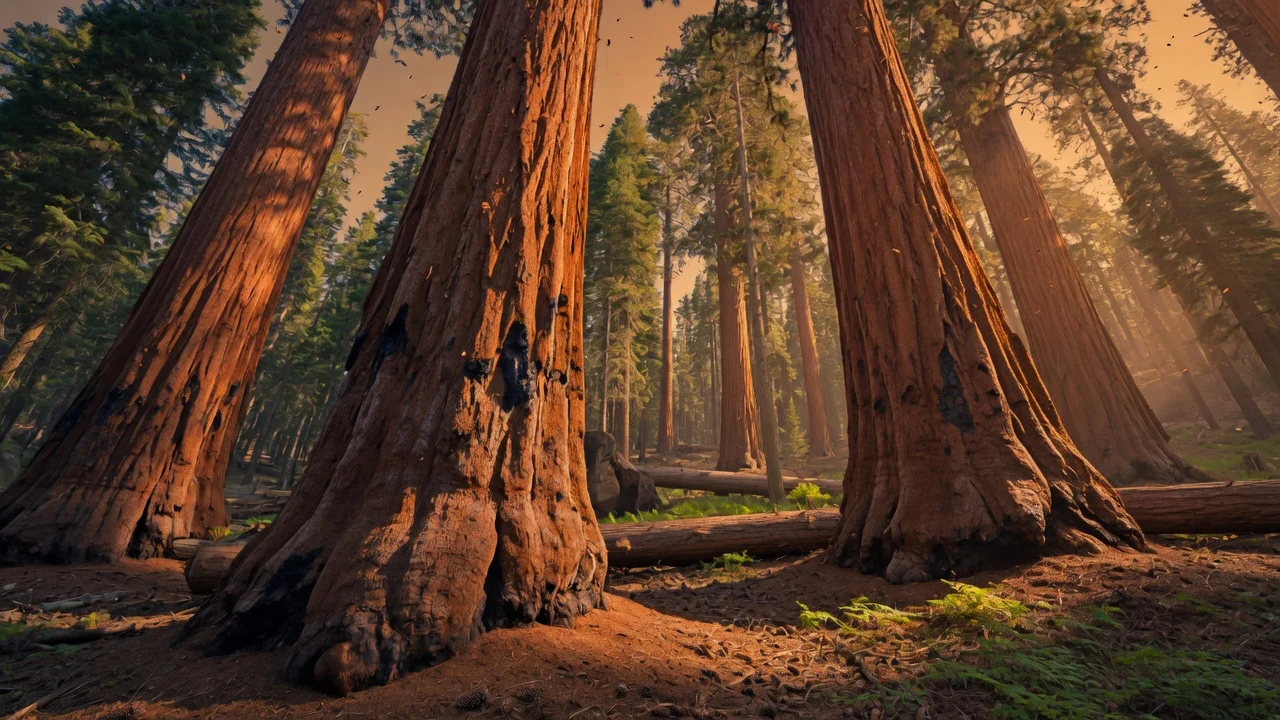
California
General Sherman Tree (Sequoia): An RV Traveler's Guide
Deep in the Sierra Nevada mountains, the General Sherman Tree anchors a landscape of superlatives. It’s accessible via a short trail from the main parking area, and rangers are often present to share insights. The tree’s volume—over 52,500 cubic feet—makes it the champion of all living things in terms of total wood mass. Though not the tallest or widest, its combined dimensions are unmatched. The surrounding Giant Forest offers additional wonders along paved and unpaved paths.
Read the field guide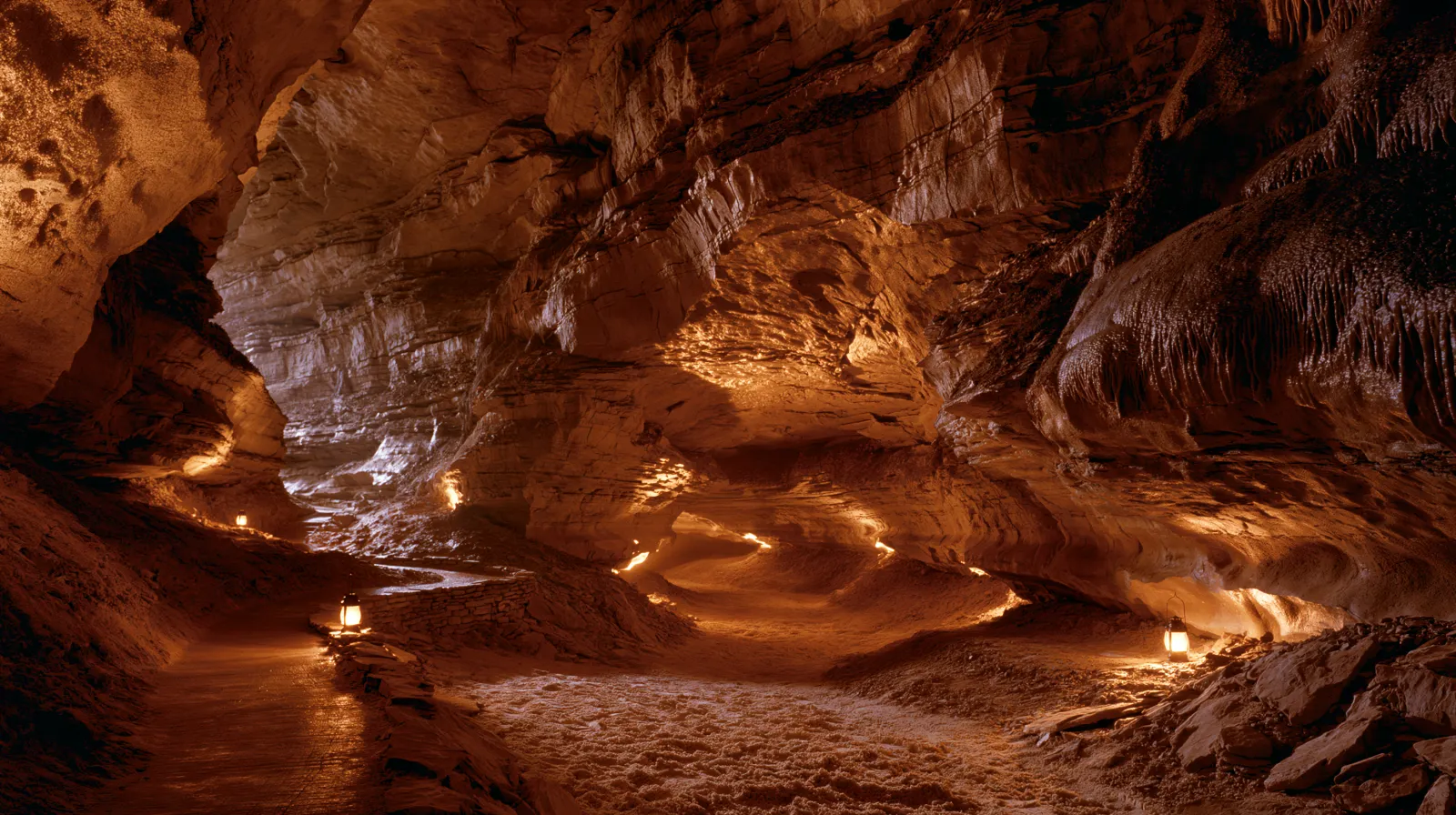
Kentucky
Mammoth Cave: An RV Traveler's Guide
A labyrinth of underground chambers and rivers, Mammoth Cave has captivated visitors for more than two centuries. The park safeguards not only the cave but also a varied upland terrain of forests and streams. Cave tours range from easy walks to challenging crawls, and the surface invites hiking, paddling, and wildlife watching across a gentle Kentucky karst landscape.
Read the field guide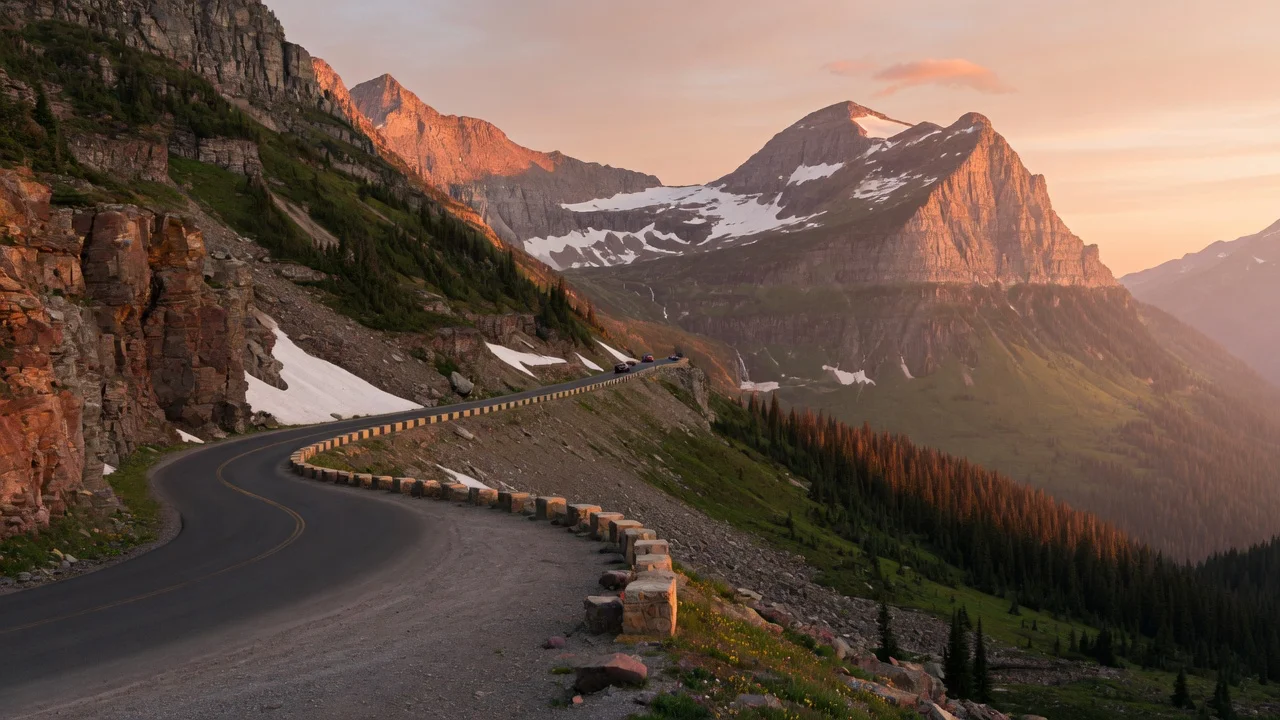
Montana
Glacier National Park (Many Glacier): An RV Traveler's Guide
Often referred to as the Switzerland of North America, Many Glacier sits on the park's east side, accessible via a seasonal road from Babb, Montana. The historic Many Glacier Hotel overlooks Swiftcurrent Lake, offering a classic basecamp for exploring glacial valleys, turquoise lakes, and wildlife-rich meadows.
Read the field guide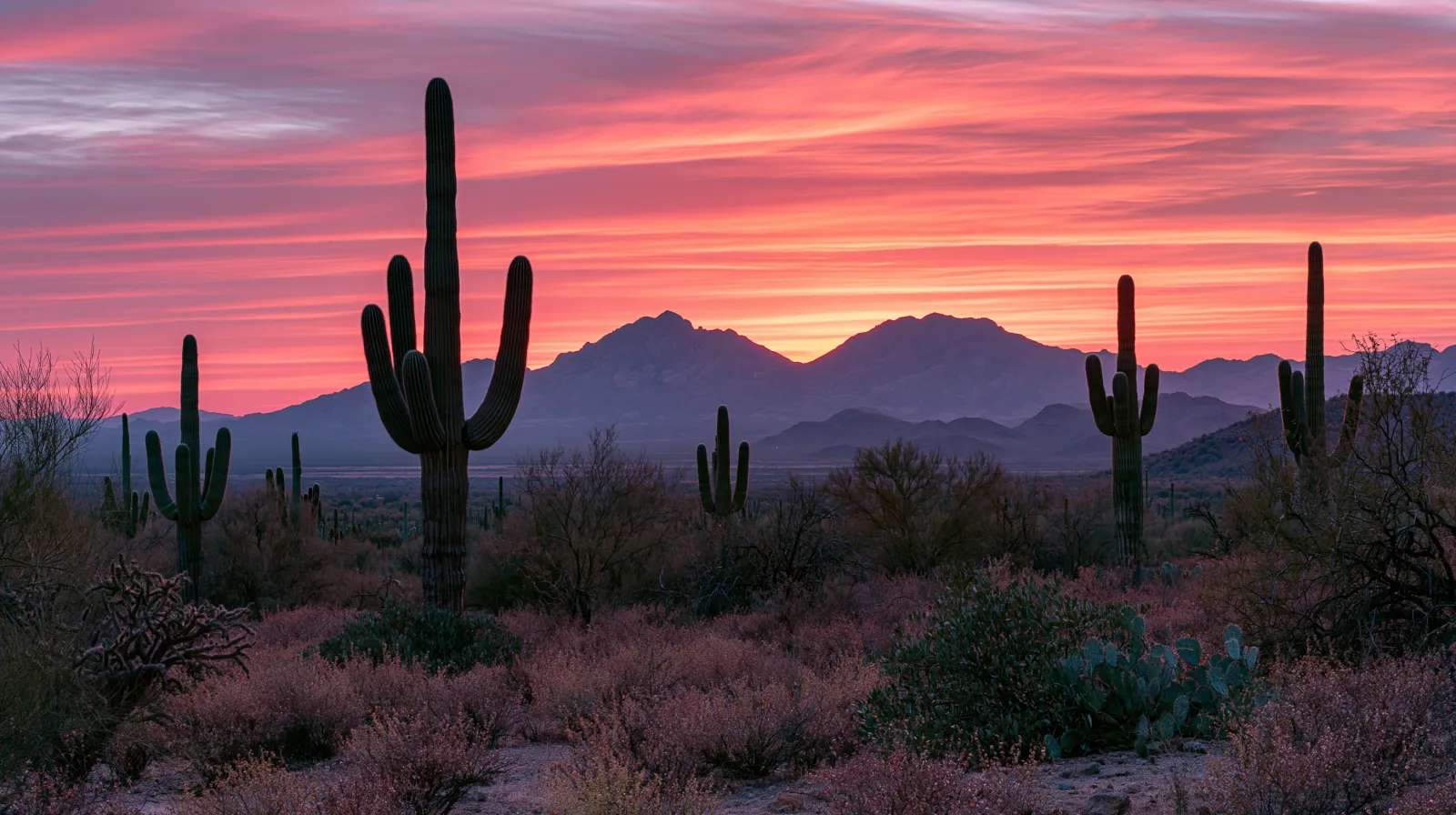
Arizona
Saguaro National Park: An RV Traveler's Guide
Split into two districts bordering Tucson, Saguaro National Park reveals the Sonoran Desert’s beauty. The eastern Rincon Mountain District rises to pine forests, while the western Tucson Mountain District showcases denser saguaro forests and striking sunsets. Both offer scenic drives, hiking trails, and visitor centers, so you can sample the park in a day or take it slower.
Read the field guide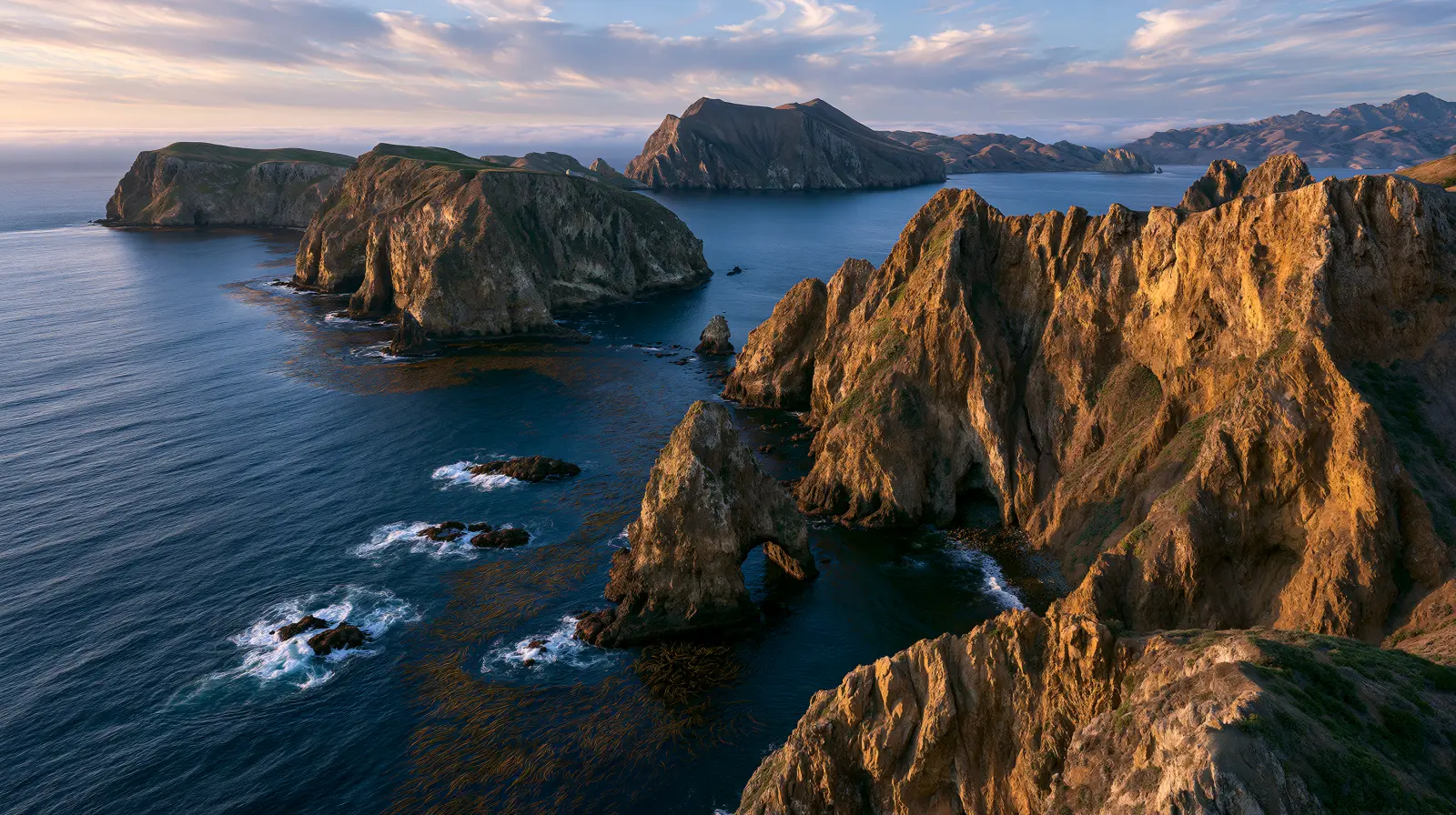
California
Channel Islands: An RV Traveler's Guide
The park lies within the Santa Barbara Channel, accessible only by boat or small plane. Its five islands each offer distinct character and limited visitor services. Waters teem with seals, dolphins, and migrating whales; tidepools reveal colorful invertebrates. The northern Channel Islands host one of the world’s largest sea cave systems. A rich Chumash cultural history adds depth to the landscape, with thousands of years of human connection evident in archaeological sites.
Read the field guideArizona & Utah
Lake Powell
Arizona & Utah
Lake Powell: An RV Traveler's Guide
Lake Powell offers boating, fishing, and scenic views within Glen Canyon National Recreation Area on the Arizona–Utah border. It is known for its long winding canyons, houseboating, and red-rock setting.
Read the field guideNevada & Arizona
Lake Mead
Nevada & Arizona
Lake Mead: An RV Traveler's Guide
Lake Mead offers boating, fishing, and camping within Lake Mead National Recreation Area near Las Vegas. It is known for its desert setting and long shoreline behind Hoover Dam.
Read the field guideCalifornia & Nevada
Lake Tahoe
California & Nevada
Lake Tahoe: An RV Traveler's Guide
Lake Tahoe straddles California and Nevada in the Sierra Nevada, ringed by national-forest and state-park campgrounds. It is known for clear water, alpine scenery, and year-round recreation.
Read the field guide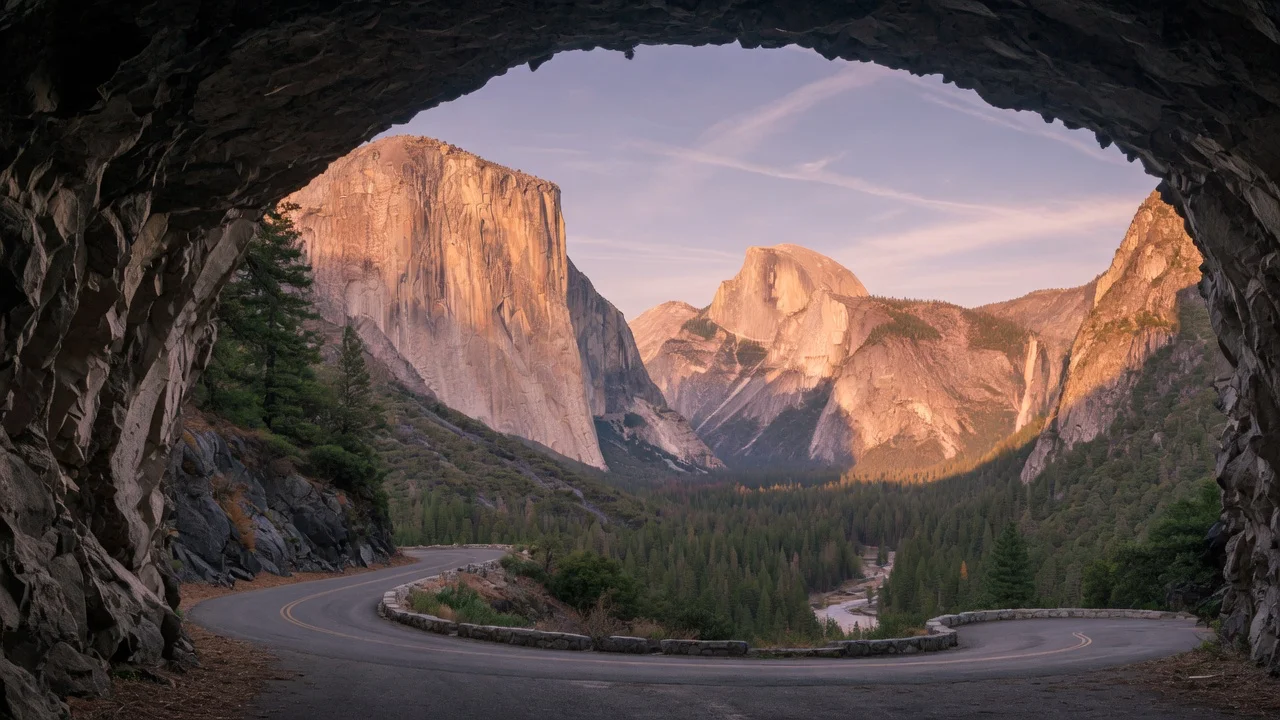
California
Yosemite Falls: An RV Traveler's Guide
Yosemite Falls is a centerpiece of Yosemite Valley, with the heaviest flow during spring snowmelt and often little or no flow by late summer. NPS campgrounds in and near the valley fill quickly in peak season.
Read the field guide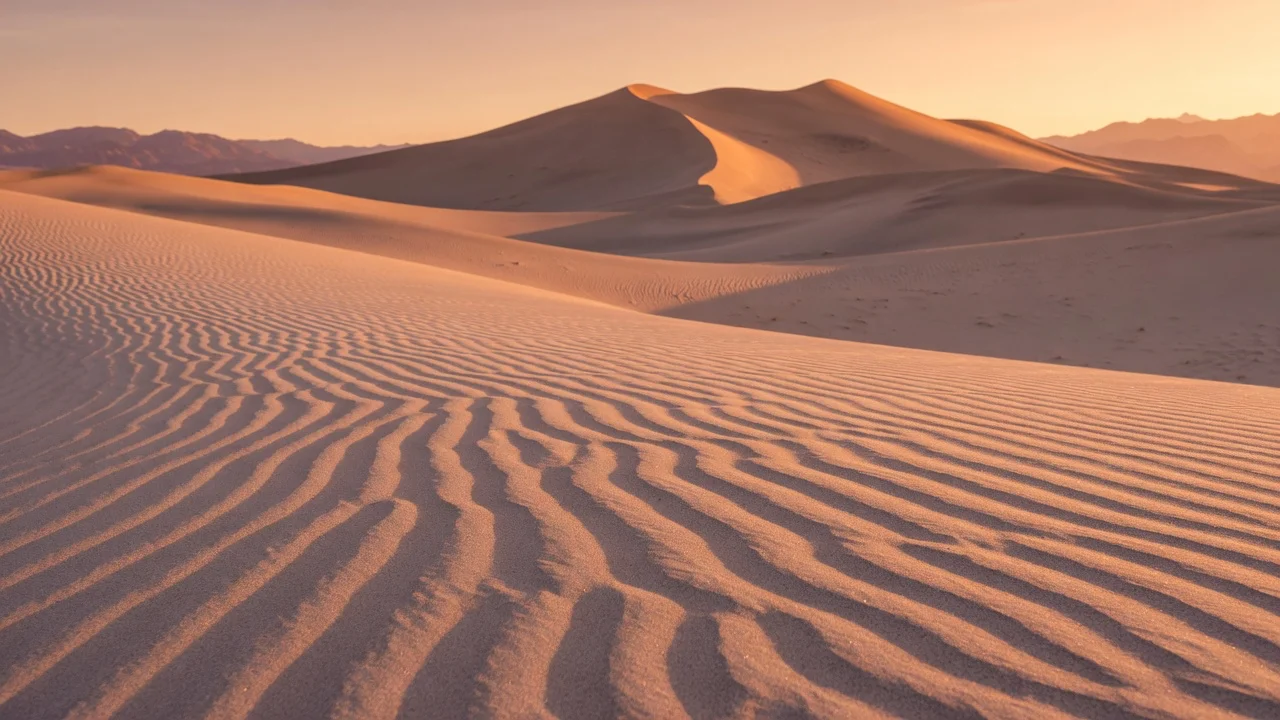
California & Nevada
Death Valley's Dark Skies: An RV Traveler's Guide
Death Valley is a certified Dark Sky Park known for some of the darkest skies in the US. The extreme desert is brutally hot in summer; the cooler months are the popular season, and NPS campgrounds operate across the park.
Read the field guide
The bucket-list map
Landmark country, state by state
America's roadside icons string together naturally — rim drives, coast highways, and desert crossings made for a rig with big windows. Pick a state to plan the drive.
Routing a trip past the big one on your list?