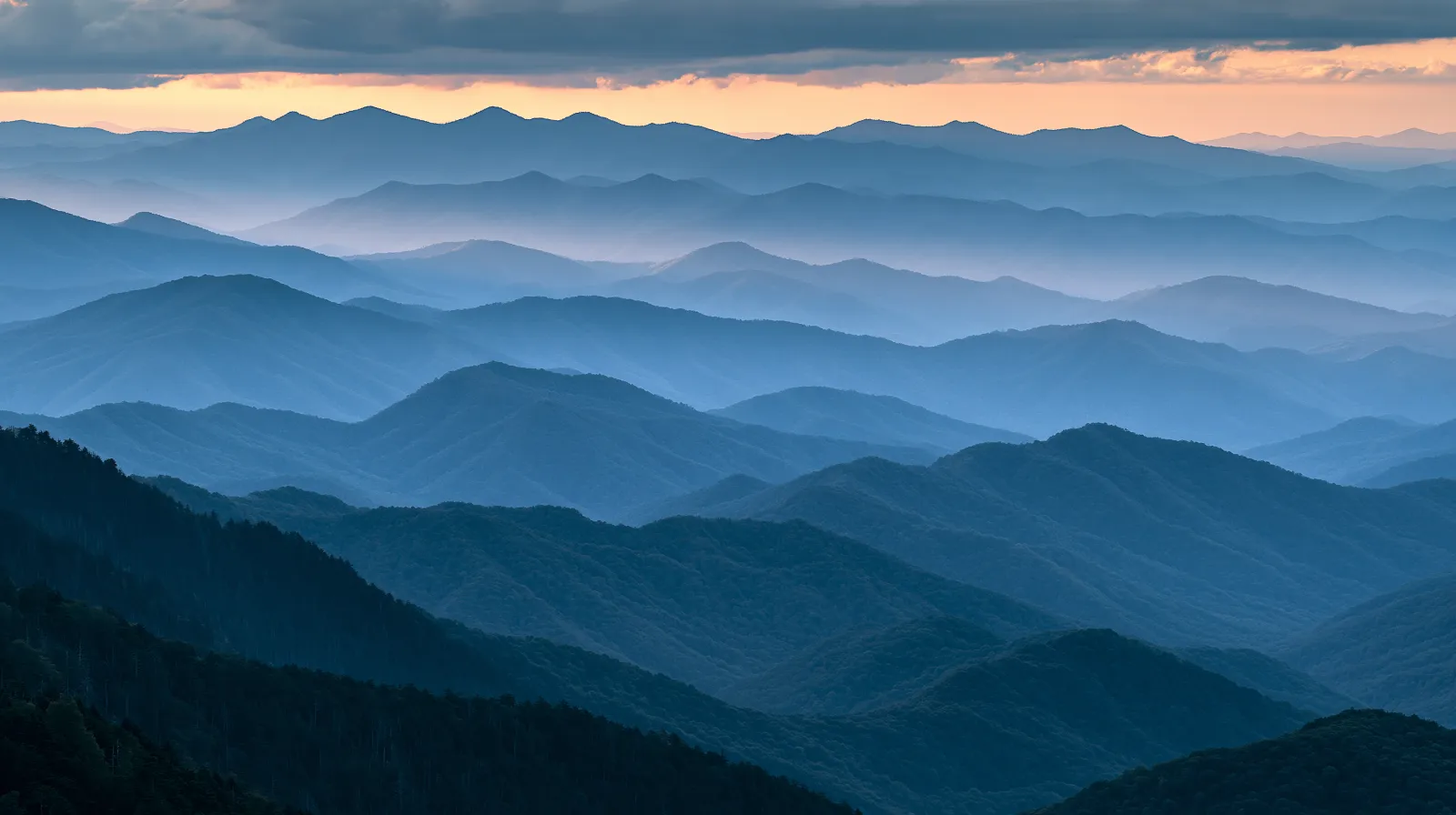
Great Smoky Mountains National Park straddles the Tennessee–North Carolina line along the southern Appalachians, where layered blue ridgelines fade into morning mist — the 'smoke' that gives the range its name. It is the most-visited national park in the country, with forested campgrounds, scenic drives like Newfound Gap Road, and legendary autumn color. Gateway towns Gatlinburg and Cherokee sit at either end.
Best season — Fall (foliage) and late spring
Does Great Smoky Mountains National Park allow RVs?
Yes. The park has several NPS campgrounds (most without hookups) plus many private RV parks in Gatlinburg and Cherokee. Individual campgrounds have rig-size limits; confirm current dates and sizes on the official NPS site.
- NPS campgrounds (mostly no hookups) + gateway-town parks
- Famous October fall color
- Newfound Gap Road crosses the crest
At a glance
The facts worth checking before you roll out
Conservative, source-minded facts for planning your visit — always worth confirming against current conditions before you travel.
States
Tennessee & North Carolina
Range
Southern Appalachians
Gateways
Gatlinburg, TN; Cherokee, NC
Fall color
Typically peaks mid–late October
On the ground
Newfound Gap Road climbs from lowland forest to spruce-fir crest, and side roads like Cades Cove offer wildlife viewing and historic sites in a broad mountain valley.
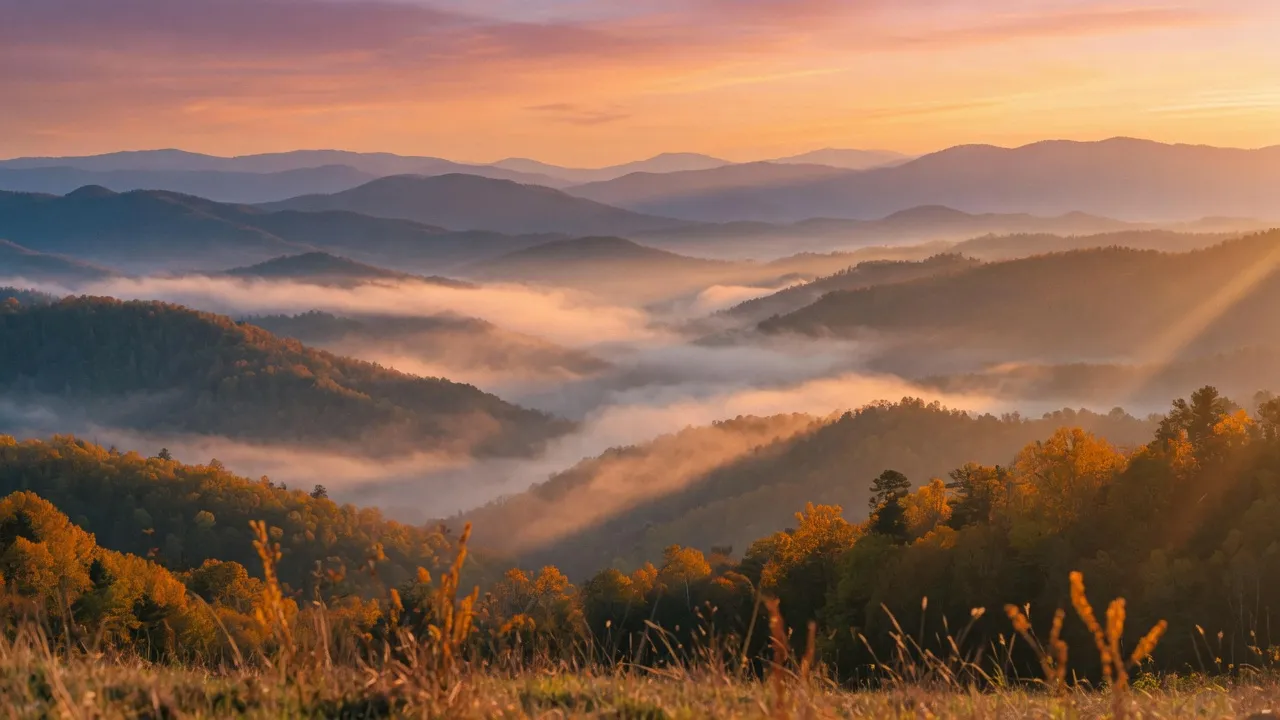
The park is open year-round, but campgrounds are seasonal and autumn is both the most beautiful and the busiest time, when the hardwood forests turn gold and crimson.
Because campground sizes and road statuses vary, confirm rig limits, openings, and any seasonal road closures on the National Park Service site before your trip.
Official sources
- National Park Service — Great Smoky Mountains National Park National Park Service
Nearby & related
Keep planning Tennessee
Sourced costs, campground directories, and the places worth a detour — the next layer of Tennessee trip planning.
- Tennessee RV rental costFuel · camping · tax, sourced
- Tennessee RV-friendly campgroundsHookups, rig limits, booking tips
- Campervan & van rentals in TennesseeVan-life routes, rules & rigs
- Sand dunesDune fields worth the climb
- Fossil sitesDeep-time road stops
- Petroglyph sitesAncient rock-art stops
- Deep trip guidesLong-form seasonal playbooks
Planning an RV trip near Great Smoky Mountains: An RV Traveler's Guide?
Was this guide helpful?