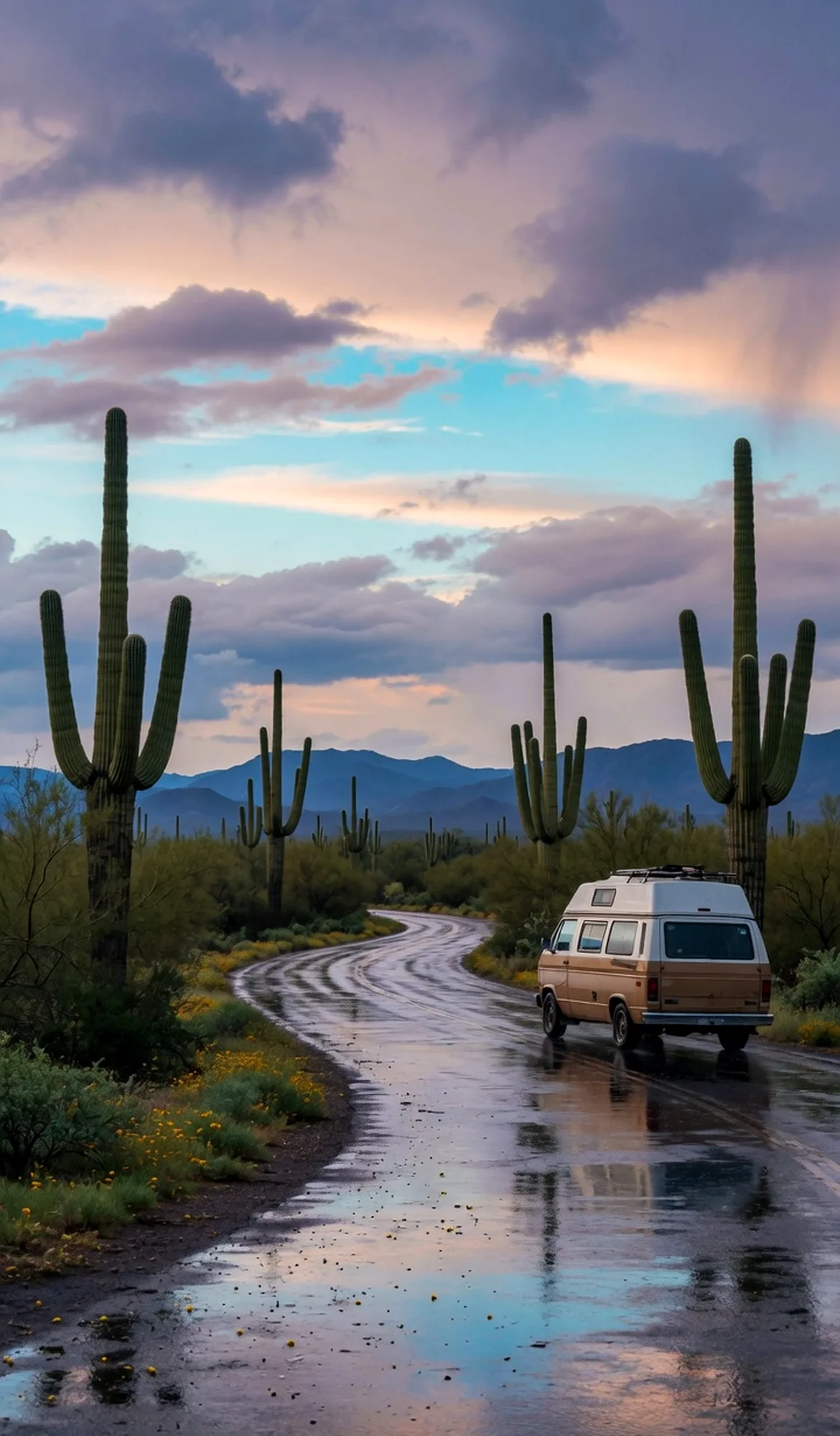
Saguaro National Park, in southern Arizona, protects magnificent forests of the giant saguaro cactus, a symbol of the American West. The park’s two districts—Rincon Mountain on the east and Tucson Mountain on the west—offer distinct perspectives of the Sonoran Desert, from dense cactus stands to rugged mountain backdrops. Visitors come to see towering saguaros, wildflower blooms, desert sunsets, and a rich diversity of desert life, all within easy reach of Tucson.
Best season — November through March, when daytime temperatures are mild and the desert can bloom with wildflowers.
What makes Saguaro National Park unique?
Saguaro National Park protects the most impressive forests of the saguaro cactus, found only in the Sonoran Desert. The park’s two distinct districts offer contrasting landscapes, from low-desert cacti to sky island mountains. It’s also one of the most accessible national parks, minutes from Tucson, allowing for easy dawn-to-dusk exploration. For current entry fees, hours, and trail conditions, check the official NPS website.
- Home to the nation's largest cacti, which can live over 150 years and grow to 40 feet tall.
- The park is split into an eastern Rincon Mountain District and western Tucson Mountain District.
- Biodiversity hotspot with javelinas, Gila monsters, roadrunners, and over 200 bird species.
At a glance
The facts worth checking before you roll out
Conservative, source-minded facts for planning your visit — always worth confirming against current conditions before you travel.
State
Arizona
Key Feature
Dense forests of giant saguaro cacti
Typical Visitation Season
November through March (cooler months)
Managing Agency
National Park Service
On the ground
Saguaro National Park protects forests of the giant saguaro cactus, an iconic symbol of the American West. The park’s two districts offer distinct views of the Sonoran Desert landscape, ranging from dense cactus stands to rugged mountains. This area showcases a rich diversity of desert life and is easily accessible while visiting Tucson. It's a key location for understanding this unique ecosystem.
RV travelers explore Saguaro National Park through scenic drives and hiking trails in both the Rincon Mountain and Tucson Mountain districts. Visitor centers provide information, allowing visitors to experience the park’s wonders at their own pace. The varied terrain offers opportunities for short walks or longer explorations of the desert environment.
The typical visitation season runs from November through March when daytime temperatures are mild. During these cooler months, wildflowers may bloom adding color to the landscape. Planning a visit during this period allows for comfortable exploration and enjoyment of the park’s natural beauty. Check official sources for current conditions.
Consider establishing a basecamp near Tucson for convenient access to Saguaro National Park. This location enables day trips to both districts, allowing RV travelers to experience the contrasting landscapes at their leisure. It provides flexibility in scheduling visits based on weather and personal preference.
Official sources
- National Park Service — Saguaro National Park National Park Service
Nearby & related
Keep planning Arizona
Sourced costs, campground directories, and the places worth a detour — the next layer of Arizona trip planning.
- Arizona RV rental costFuel · camping · tax, sourced
- Arizona RV-friendly campgroundsHookups, rig limits, booking tips
- Campervan & van rentals in ArizonaVan-life routes, rules & rigs
- RV rentals in ArizonaPickRV Wiki · 6 min read
- Wild & scenic riversFree-flowing river trips
- BattlefieldsHallowed-ground history stops
- National memorialsMonumental road stops
- RV driving & licensingLicenses, lanes & low bridges
Planning an RV trip near Saguaro National Park: An RV Traveler's Guide?
Was this guide helpful?