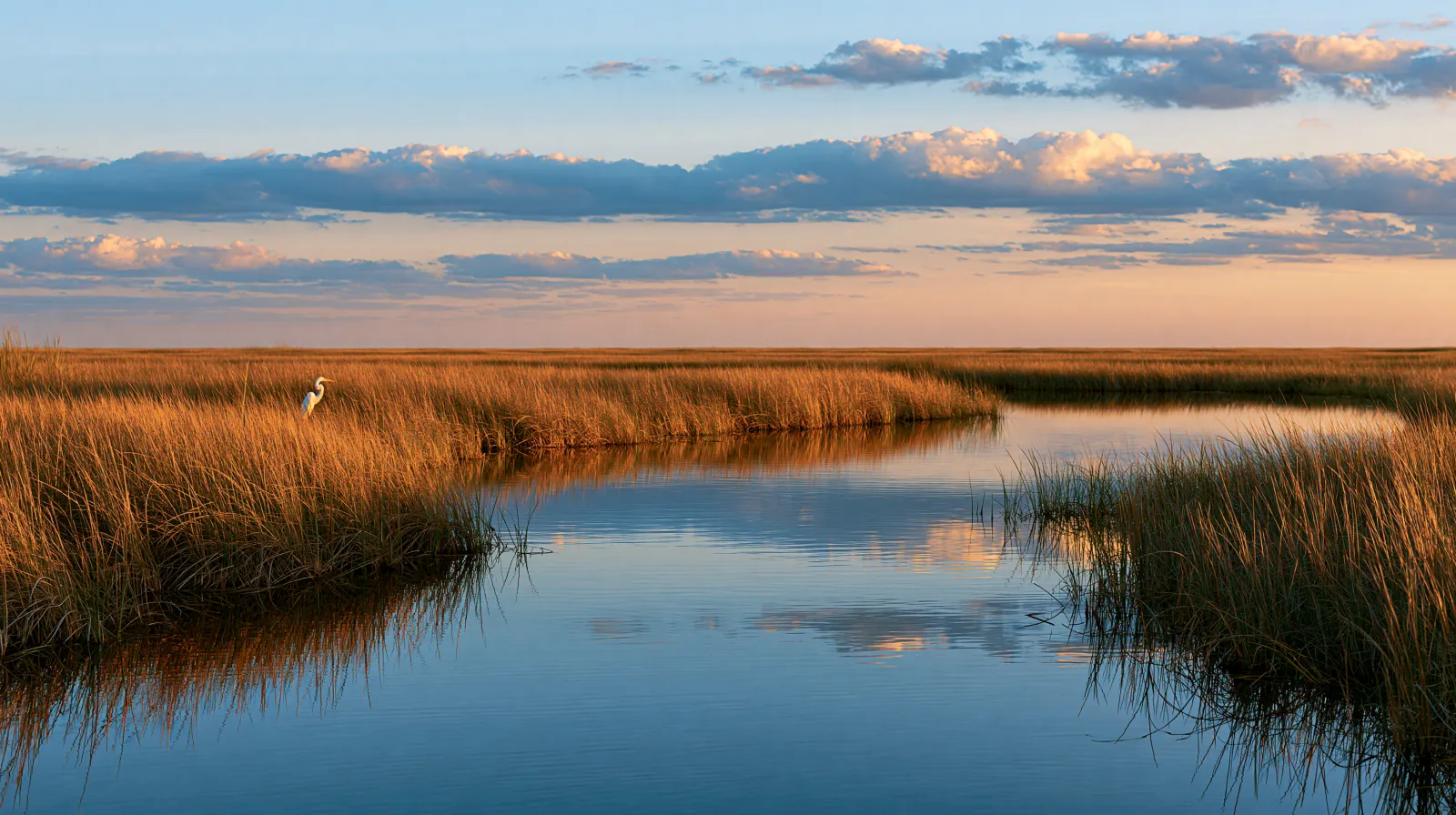
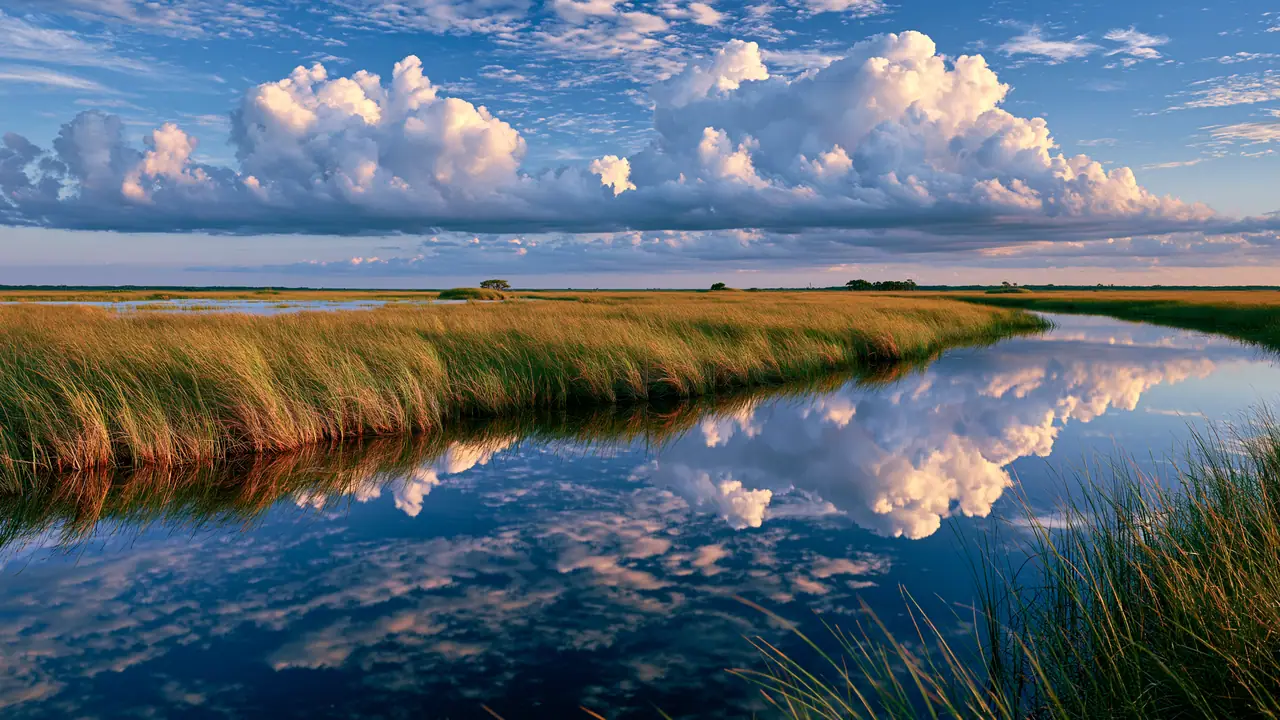
Everglades National Park in southern Florida protects a vast, slow-moving river of grass — a subtropical wetland of sawgrass marsh, mangroves, and hardwood hammocks that is home to alligators, wading birds, and the elusive Florida panther. The park is busiest and most comfortable in the dry winter season, when wildlife concentrates around remaining water.
Best season — Dry season — November through April
When is the best time to visit the Everglades in an RV?
The dry winter season (about November to April) is best — milder weather, fewer mosquitoes, and wildlife gathered around water. The park has NPS campgrounds; check the official site for current openings and reservations.
- Dry season November–April is the prime window
- NPS campgrounds inside the park
- Summer is hot, humid, and buggy
At a glance
The facts worth checking before you roll out
Conservative, source-minded facts for planning your visit — always worth confirming against current conditions before you travel.
State
Florida
Ecosystem
Subtropical wetland (sawgrass marsh)
Best window
Dry season (Nov–Apr)
On the ground
Boardwalk trails like Anhinga Trail put visitors close to alligators and wading birds, while scenic drives reach from the Homestead entrance toward Flamingo on Florida Bay.
The wet summer season brings heat, afternoon storms, and heavy mosquito activity, which is why most RV travelers come in winter.
Confirm campground availability, road and trail status, and any seasonal closures on the National Park Service site before your visit.
Official sources
- National Park Service — Everglades National Park National Park Service
Nearby & related
Keep planning Florida
Sourced costs, campground directories, and the places worth a detour — the next layer of Florida trip planning.
- Florida RV rental costFuel · camping · tax, sourced
- Florida RV-friendly campgroundsHookups, rig limits, booking tips
- RV rental companies in FloridaLocal hosts & outfitters, verified
- Campervan & van rentals in FloridaVan-life routes, rules & rigs
- RV rentals in FloridaPickRV Wiki · 6 min read
- Florida RV + Boat dual-vehiclePickRV Wiki · 13 min read
- Lakes & reservoirsWaterside camps & guides
- Hot springsSoak-worthy road stops
Planning an RV trip near The Everglades: An RV Traveler's Guide?
Was this guide helpful?