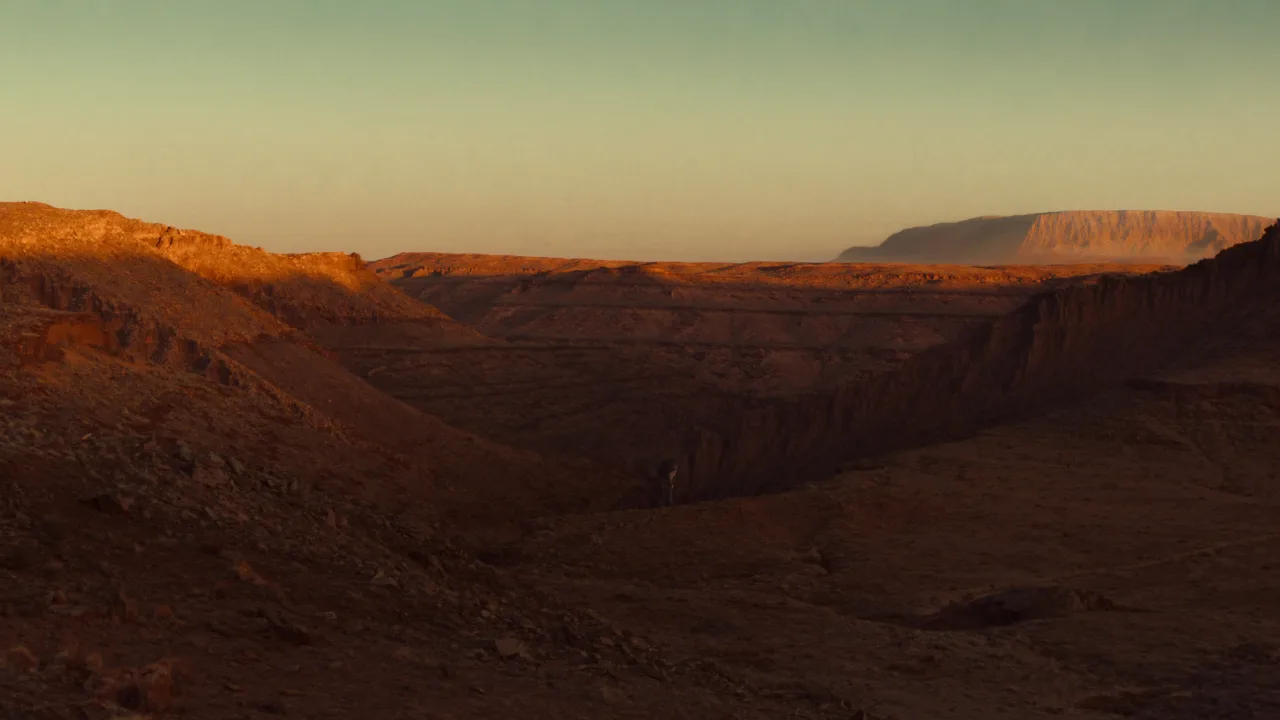
Petroglyph National Monument stretches along Albuquerque's West Mesa in New Mexico and is managed by the National Park Service. It protects one of the largest petroglyph sites in North America, with images carved into volcanic rocks by Native Americans and, later, Spanish settlers. The National Park Service notes that these petroglyphs hold profound spiritual significance for contemporary Native Americans and for the descendants of the early Spanish settlers, which makes a quiet, respectful visit essential.
Best season — Spring and fall offer the most comfortable weather for the open, shadeless mesa trails. Summer can be hot, so visit early in the day and carry water; winter is cooler and quieter. The monument is open year-round, though hours and trail access can vary.
What is Petroglyph National Monument and why visit respectfully?
It is a National Park Service monument near Albuquerque, New Mexico, that protects one of the largest petroglyph sites in North America. The images were carved onto volcanic rocks by Native Americans and Spanish settlers and, the NPS notes, hold profound spiritual significance for contemporary Native Americans and Spanish descendants. Because these are living cultural and sacred resources, visitors should stay on trails and never touch or mark the rock art.
- One of the largest petroglyph sites in North America, along Albuquerque's West Mesa.
- Images carved roughly 400 to 700 years ago on volcanic rocks.
- Holds profound spiritual significance for contemporary Native Americans and Spanish descendants.
- Stay on trails and never touch, chalk, or deface the petroglyphs.
At a glance
The facts worth checking before you roll out
Conservative, source-minded facts for planning your visit — always worth confirming against current conditions before you travel.
Managing agency
National Park Service
Location
West Mesa, near Albuquerque, New Mexico
Significance
One of the largest petroglyph sites in North America
Cultural attribution
Carved onto volcanic rocks by Native Americans and Spanish settlers; holds profound spiritual significance for contemporary Native Americans and Spanish descendants
Age
Many images carved approximately 400 to 700 years ago
On the ground
Petroglyph National Monument follows 17 miles of volcanic escarpment on the western edge of Albuquerque. The National Park Service describes it as one of the largest petroglyph sites in North America, with viewing areas concentrated in places like Boca Negra Canyon, Rinconada Canyon, and Piedras Marcadas Canyon. The designs were carved into dark basalt by Native Americans and, in later centuries, by Spanish settlers.
The Park Service is explicit that these images are more than artifacts: they hold profound spiritual significance for contemporary Native Americans and for the descendants of the early Spanish settlers. Approach the monument as you would any sacred place. Stay on designated trails, keep your distance from the panels, and never touch, chalk, wet, or deface the rock art. As the agencies that manage these sites emphasize, petroglyphs are fragile, irreplaceable records of the past, and touching them leaves behind skin oils that cause lasting harm.
Because the monument hugs an urban edge, there is no campground inside its boundaries, so RV travelers typically base themselves at campgrounds in or around Albuquerque and visit the canyons as day trips. Bring plenty of water, watch the heat on the exposed trails, and remove all pet waste rather than leaving bags behind. Check the official NPS page for current trail access, hours, and any closures before you go.
A visit here pairs naturally with other New Mexico rock-art and public-land stops. Build an unhurried itinerary that gives each panel time and treats every site as the living cultural heritage it is, rather than rushing between photo stops.
Official sources
- NPS — Petroglyph National Monument National Park Service
Nearby & related
Keep planning New Mexico
Sourced costs, campground directories, and the places worth a detour — the next layer of New Mexico trip planning.
- New Mexico RV rental costFuel · camping · tax, sourced
- New Mexico RV-friendly campgroundsHookups, rig limits, booking tips
- Campervan & van rentals in New MexicoVan-life routes, rules & rigs
- Hot springsSoak-worthy road stops
- Ghost townsBoom-and-bust detours
- Caves & cavernsShow-cave trip guides
- RV lifehacksCamp-smarter field tricks
Planning an RV trip near Petroglyph National Monument: A Respectful RV Traveler's Guide?
Was this guide helpful?