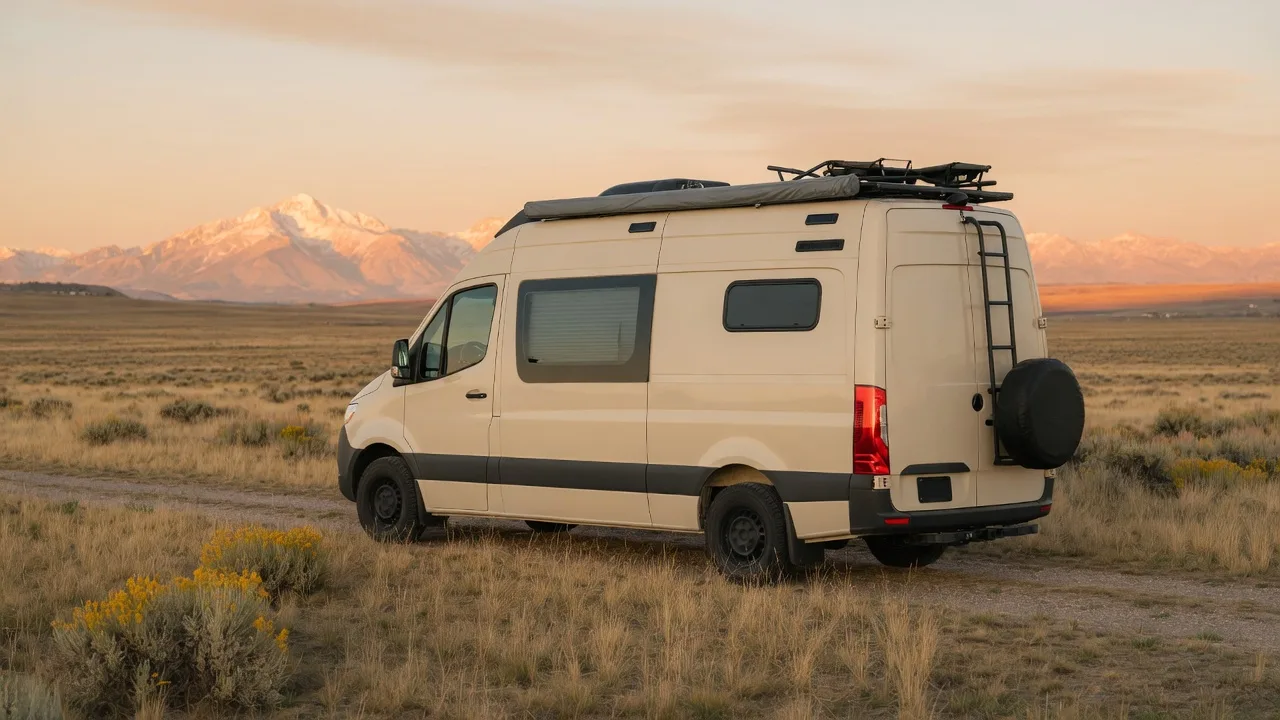
In 2026 the difference between a quiet overnight in a Costco lot and a 2am tow plus a $300 citation is usually one assistant manager's split-second decision and the municipal fire-lane or anti-camping ordinance that the chain's national website never quotes.
The corporate policy vs local reality gap
Walmart's corporate site states explicitly: 'we do permit RV parking on our store parking lots as we are able. Permission to park is extended by individual store managers, based on availability of parking space and local laws. Please contact management in each store to ensure accommodations before parking your RV.' Sam's Club's member help page is more direct: 'Parking policies may vary from club to club due to local zoning restrictions. You should verify with the Club Manager if it is permissible to use the parking lot for any overnight vehicle stays. Failure to notify club management in advance, could result in unauthorized vehicles being towed at the expense of the vehicle owner.'
Costco has no equivalent public national FAQ or corporate overnight-RV policy page. Store-level practice is manager discretion only, often posted with 'no overnight parking' signage on private property. As a membership club, lots are not public space; non-members or rule-breakers are trespassers. 2025-2026 reporting across multiple locations shows the practical split: some stores tolerate late-arrival/early-departure rigs that shop or fuel; others have added overnight security patrols or simply enforce via tow after complaints.
Community trackers (Allstays, iOverlander, RV Park Reviews user reports aggregated into 2026 summaries) put real-world allow rates roughly as: Walmart ~60-70% of locations (down from older claims due to ordinances), Cracker Barrel ~40-50%, Costco/Sam's <10-15% informal tolerance, Cabela's/Bass Pro 30%+ with many explicit welcomes and designated edges. These are not guarantees; they shift with manager changes, lot construction, resident complaints, and new municipal rules.
- Walmart: corporate 'as we are able' via store manager + local laws (direct from corporate.walmart.com/askwalmart as of 2026)
- Sam's Club: verify with Club Manager; tow risk for un-notified overnight (direct from Sam's Club help center)
- Costco: no universal policy; per-store manager call required; private property + membership rules apply
- Local ordinance or zoning always overrides corporate or manager 'yes'
- 2026 trackers show continued erosion of 'Walmart-friendly' locations in high-regulation metros
2026 state and municipal overrides with real examples
Corporate welcome or manager permission means nothing if the municipality has an anti-camping, oversized-vehicle, or fire-lane ordinance that prohibits overnight occupancy or sleeping in vehicles on commercial property. These rules are property-owner-agnostic in most cases; the city can ticket or tow even when the retailer consents. California leads in volume of new or tightened rules targeting RVs on streets and lots.
Ventura County Board of Supervisors voted unanimously November 18, 2025, for an ordinance (effective January 1, 2026) prohibiting overnight parking and camping on designated County roads adjacent to farmland in unincorporated areas. The stated goals: protect agriculture, reduce trespass/crop damage/equipment theft, and connect vehicle dwellers to services. It does not blanket all commercial lots but shows the pattern of targeted restrictions expanding.
Westminster, CA Police announced a new city ordinance effective January 1, 2025, requiring a single-day RV parking permit for RVs on any city street or alley; without it, prohibited. Cupertino adopted an oversized-vehicle (including RVs) overnight street parking permit system effective October 17, 2025, with 72-hour limits, 1,500 ft move requirements, and annual caps. Similar street and lot restrictions appear in multiple other CA cities (Sebastopol RV-specific 2022 code still referenced, La Habra overnight street permits, Claremont 2-6 a.m. bans with limited exemptions). Coastal and I-5 corridor cities are most restrictive; inland rural stores have better odds but still require verification.
Pacific Northwest, Colorado Front Range, Florida coastal metros, Utah tourist towns, and Northeast corridors show parallel local actions. Oregon (Portland metro, Eugene, Bend), Washington (King County/Seattle area), Colorado (Denver/Boulder), Florida (Miami-Dade, Broward, Pinellas coastal), Arizona (Sedona/Flagstaff), and New York/New Jersey metros have documented city or county rules limiting or banning overnight commercial-lot stays or vehicle sleeping regardless of owner permission. Texas and Illinois have fewer blanket retail-lot bans but urban fire-lane, time-limit, and nuisance ordinances plus rest-area caps that catch RVs. Fines for first offenses commonly start $100-250 (plus tow/storage $200-500 typical in many jurisdictions); repeat or aggravated cases escalate.
- Ventura County CA: new farmland-adjacent overnight ban effective 1 Jan 2026 (Ventura County Board of Supervisors, Nov 2025 action)
- Westminster CA: RV street/alley parking requires daily permit starting 1 Jan 2025 (Westminster PD announcement)
- Multiple CA cities (Cupertino eff Oct 2025, others): oversized/RV overnight street permits or outright bans with move requirements
- Pattern states (CA, OR, WA, CO, FL, AZ, UT, MA, CT, NY, NJ metros): 50%+ of major cities have some form of override per 2024-2026 aggregations
- Enforcement trigger examples: noise complaints, wastewater residue, fire-lane blockage, resident reports; not usually proactive lot sweeps
Costco and Sam's Club — the 'polite no' plus enforcement variability
Costco locations commonly post property-rights 'no overnight parking' signage. Sam's Club policy language quoted above effectively defaults to 'ask or risk tow.' In practice, most stores do not run 24/7 security sweeps; a rig arriving after close and departing before the lot fills for the next business day often goes unnoticed. However, stores that have experienced trash, wastewater dumping, or neighbor complaints have added patrols or contracted security that will knock at 2 a.m. or call for tow.
Outcomes when confronted: typical first response is a polite request to move (sometimes with a warning that police will be called next). Documented arrests for simple first-offense overnight parking at these chains are essentially nonexistent in public records; the mechanism is civil trespass/tow. Non-members face higher trespass exposure. Because lots are private, the retailer (or its security) controls initial access; the municipality controls the ordinance layer that can act even if the store is lenient.
Variability by assistant manager or district is the dominant factor in 2026. A 'yes' at one Costco in a metro does not predict the next store 20 miles away. Manager turnover, lot reconfiguration for EV chargers or expansion, and seasonal tourist pressure all shift the needle. The corporate website never quotes the local fire code or anti-camping chapter that actually governs the citation.
- Costco: no national affirmative policy; signage and manager discretion; private membership property
- Sam's Club: explicit 'verify with Club Manager' + tow-at-owner-expense warning in published policy
- Enforcement escalation path: security knock → polite move request → police/tow if refused or repeated
- No-arrest norm for first simple overnight, but tow + citation risk is real and variable
- 2026 reality: some locations tolerate low-impact one-nighters; others have hardened against any overnight
The chains that explicitly welcome RVs (with caveats)
Cabela's and Bass Pro Shops stand out for RV-friendly culture. Many locations designate edge-of-lot RV/trailer spaces. Some flagship stores (notably Sidney, Nebraska Cabela's) have offered hookups or dump/water on a courtesy or fee basis in the past; current status requires on-site confirmation. Bass Pro (post-acquisition) generally continued the practice at most stores. Always check in at customer service or the desk; some issue a pass or verbal OK and direct you to the far perimeter. Local ordinances can still override.
Cracker Barrel maintains a long-standing corporate posture of permitting at most stores subject to manager discretion and local rules; many locations have explicit 'RV / Trailer Parking' signage. Camping World stores commonly allow as a courtesy to customers and test-drivers, with many hosting weekend shows that increase lot activity. Pilot Flying J and Love's Travel Stops provide dedicated RV parking separate from semi-truck areas at most large locations, plus paid amenities (showers, dumps, propane, fuel). Casinos (especially Las Vegas Strip and tribal properties) frequently offer free overnight with player's card registration and are often more tolerant of one or two nights.
Beyond the big names: many truck stops, some Home Depot/Lowe's (manager discretion only, no corporate program), and certain visitor centers or casino-adjacent lots fill gaps. The pattern that keeps these options open is the same everywhere: one night, edge parking, no setup, patronize the business, leave clean.
- Cabela's / Bass Pro: designated RV areas common; some flagships with amenities; always ask first
- Cracker Barrel: corporate permits subject to manager + local; explicit RV signage at many
- Camping World: courtesy parking for customers/test drivers; event hosting common
- Flying J/Pilot + Love's: dedicated RV spots + full services at major locations
- Casinos: player's card registration often unlocks free overnight (varies by property)
Insurance coverage realities for retail-lot overnights
Published RV-coverage materials from licensed specialty carriers (2026) state that comprehensive coverage addresses theft, vandalism, fire, hail, weather, and other losses 'beyond the insured's control.' Collision is separate. Vacation liability adds protection for injuries 'in or around your RV while you're on vacation' (up to stated limits, with upgrade options) and explicitly extends to some storage-facility scenarios when the RV is not used as temporary residence. Full-time RV policies (for rigs used as permanent residence >6 months/year) add broader liability and loss-assessment options.
The critical fine print is garaging/storage location and 'reasonable care.' Policy language across carriers ties physical-damage and theft protection to the declared garaging address and the owner's exercise of reasonable care to prevent loss. Street or open retail-lot parking for extended periods can be deemed unsecured relative to a gated/fenced facility or locked residential pad. If you quote using a home address but the rig spends weeks parked at big-box lots, a theft or vandalism claim can face scrutiny or denial under the reasonable-care standard or mismatch in declarations. Facility liability policies cover the building and lot operator, not your RV — your own policy is primary.
No public 2026 carrier document carves out 'retail lots' as automatically excluded, but underwriters price and claims adjust based on risk profile. Secure, monitored, fenced/gated storage typically earns discounts (10-25% range cited in industry analyses). Unsecured or high-traffic lots raise premiums or create claim friction. Always obtain written confirmation from the carrier naming the exact storage/parking address and any rate or coverage impact before relying on a lot for more than incidental overnights. Document condition with photos and keep receipts for any patronized purchases as evidence of legitimate use.
- Comprehensive (per licensed specialty carriers' published RV materials, 2026): covers theft, vandalism, fire, weather, etc. beyond control
- Vacation liability: campsite + some storage scenarios; not a blanket for retail-lot 'residence'
- Garaging / reasonable care: declared location and owner precautions affect theft/comprehensive applicability
- Facility insurance: protects the lot/building, not tenant vehicles — your RV policy is what pays (or denies)
- Rate/claim impact: secure gated indoor or monitored lots usually discount; open retail lots do not
Generator, idling, fire-lane, and CO safety rules that actually bite at retail lots
Portable generator safety is governed by manufacturer instructions, NFPA guidance (for installation context), and CPSC warnings on carbon monoxide. Typical RV owner-manual language (Winnebago, Thor, Coach House examples 2025-2026): never run the generator in an enclosed building or partly enclosed area; position exhaust away from the vehicle, vegetation, snow, or buildings that could deflect fumes back in; maintain working CO detectors inside the rig; never sleep in the vehicle with generator running without verified CO protection. Public health guidance (Michigan DHHS, Texas TDI, Marion County FL examples) consistently recommends at least 20 feet from openings, doors, windows, and vents, with exhaust pointed away. CPSC reports on stationary generators have called for larger separation distances (e.g., 25 ft recommendations in some analyses) because even code-minimum clearances have allowed dangerous infiltration.
Idling rules add another layer. Texas TCEQ Locally Enforced Motor Vehicle Idling Limitations (30 TAC 114 Subchapter J Division 2, MOA jurisdictions including Houston, Austin-area counties, Dallas-Fort Worth cities, El Paso): prohibits heavy-duty vehicle primary propulsion engines from idling more than five consecutive minutes when not in motion. Exemptions exist for certain 2008+ clean engines and other cases. Fines and enforcement are local under the MOA. California CARB Commercial Vehicle Idling program and related ATCMs limit diesel heavy-duty (GVWR thresholds that capture many large RVs and tow vehicles) to five minutes in most circumstances, with practical fines in the hundreds per violation (CARB enforcement policy references). Similar 5-minute (or stricter) rules exist in other states and metros for commercial or heavy vehicles; personal RVs sometimes receive different treatment but engine idling for cabin AC in a fire lane or posted no-idle zone is still a citation risk under nuisance or specific ordinances. Fire lanes at retail lots are almost universally no-parking/no-stopping; blocking one for any reason (generator, setup, or just position) is an independent violation.
Real 2026 risk math: a 5-minute idling citation in a strict jurisdiction can run $100-500+ first offense (higher for commercial classification or repeat). Generator complaints at night can trigger noise ordinances (EPA historical 55 dBA nuisance threshold at distance is referenced in many local codes; inverter gens are quieter but still audible). CO incidents from improperly placed portable generators near or under rigs continue to be reported in emergency data. Retail lots lack the setbacks and ventilation of dispersed or campground sites; exhaust deflection off buildings, other vehicles, or the rig itself is a documented hazard.
- Generator placement: mfr manuals + health depts recommend 20+ ft from openings/exhaust pointed away; never in/near enclosed or deflecting structures (CPSC and state health guidance)
- Idling limits: TX TCEQ 5 min in MOA cities for heavy-duty; CA CARB 5 min for applicable diesel heavy-duty (fines hundreds per violation typical)
- Fire lanes: universal no-park at retail; independent citation risk regardless of store permission
- CO detectors: required and must be working; generator deaths occur when exhaust enters living space
- Retail-lot geometry: closer buildings/vehicles increase deflection and noise complaint probability vs open sites
Black/gray water and solid waste rules at commercial lots
Dumping black or gray water on pavement, into storm drains, or onto the ground is illegal under state health codes, Clean Water Act stormwater rules, and local sanitation ordinances nationwide. Retail lots almost never provide dump stations (unlike Flying J/Pilot or Love's). Any discharge creates a public-health and environmental violation plus a mess that store management will notice and use as grounds to ban future parking and report. Solid waste (trash, wipes, diapers) left in or near the spot has the same effect: it is the fastest way to get a location 'closed to RVs' permanently.
Health department enforcement is complaint-driven or inspection-based. A single report of wastewater residue or odor can produce a citation to the vehicle owner (fines vary by jurisdiction but commonly start in the low hundreds plus cleanup costs). The store itself can face pressure from local authorities if repeated incidents occur. 'Stealth' dumping (using a portable tote and disposing later at a proper station) is the only legal option if you must manage waste while lot-docking; never discharge at the lot.
- Black/gray discharge on lot or storm drain: illegal under state health + EPA Clean Water Act stormwater rules
- Retail lots: virtually never have sanitary dumps — unlike dedicated travel centers
- Enforcement: complaint-driven citations + store ban; residue/odor is visible evidence
- Legal workaround only: self-contained tote + proper dump station later (never at the retail lot)
- Solid waste: leave-no-trace or lose the privilege for everyone
Etiquette, verification workflow, and resources that still function in 2026
The etiquette that keeps lots open is unchanged and non-negotiable: (1) Call or visit customer service the same day and ask explicitly for overnight parking permission — verbal or written manager OK beats assumption. (2) Park at the far edge, away from main entrances, loading docks, cart returns, and customer flow. (3) One night maximum; do not establish a pattern. (4) Zero setup: no slides, awnings, leveling jacks beyond what's needed for safety, chairs, BBQs, or rugs. This is parking, not camping. (5) No generator runs after quiet hours or at all if the lot is near residences or the store has posted rules; engine idle for AC is sometimes tolerated briefly but is subject to the idling ordinances above. (6) Patronize the business — buy fuel, food, or supplies. (7) Leave the spot cleaner than you found it; pack out all trash and wastewater residue.
Verification workflow for 2026: the night before, search the exact store address + 'RV parking' or 'overnight' in recent app reports (Allstays, iOverlander) and cross-check the city/county website for code sections on 'overnight parking,' 'camping in vehicles,' 'oversized vehicles,' or 'fire lanes.' Morning of: call the store (not corporate 1-800) and ask for the manager on duty or customer service lead. Confirm current status, any designated area, time limits, and whether a pass is needed. If in doubt, have a paid backup (truck stop, casino, or Harvest Hosts) already scoped. Apps and directories are useful signals but never substitutes for the phone call and code check.
Still-functional free or low-cost resources: Allstays Camp & RV (paid app, strong retailer + truck-stop database, user updates); iOverlander (free/community); Harvest Hosts ($99/yr typical, 5,000+ private hosts — wineries, farms, etc. — in exchange for purchase; includes former Boondockers Welcome); BLM dispersed (14-day limit per location per 43 CFR 8365.1-2 in most districts, move 25 miles after; some LTVAs require seasonal permits); state park or national forest dispersed where posted; highway rest areas (time limits 4-24 hours depending on state DOT — CA often 8 hours, TX up to 24 in some cases; sleeping beyond posted limit is a citation risk).
- Core etiquette: ask same-day, edge parking only, one night, no setup, no loud generator, patronize, leave clean
- 2026 verification: app reports + city/county code search night before; phone call to specific store morning of
- Resources: Allstays/iOverlander for retailer intel; Harvest Hosts for hosted private; BLM 14-day dispersed; rest areas with posted limits
- Pattern that closes lots: repeated dumping, trash, noise, multi-night stays, or blocking customer/fire access
- Pattern that keeps options open: respectful, low-impact, spending customers who self-police
What the 2026 'Walmart allows it' and 'Costco polite no' stories miss
Corporate policy is not a legal shield. A Walmart FAQ or Sam's Club help article does not preempt municipal code or fire-lane enforcement. Manager 'yes' today can become 'no' tomorrow after a single complaint or ordinance change. App lists from 2023-2024 are frequently stale; a store that was friendly can flip after construction, new security contract, or council vote.
Hidden costs of a bad night: tow $200-500+ (varies by jurisdiction and distance to impound), storage fees per day, citation $100-300+ typical first offense for ordinance or idling, plus time lost retrieving the rig and any damage from the tow. For financed or leased rigs, impound can trigger lender notifications. For full-timers, the 'free' overnight that turns into a $400-800 surprise bill erases weeks of savings.
The under-shared truth: the system of retail-lot tolerance survives only because the majority of users treat it as transient parking, not free camping infrastructure. One bad actor (waste dump, multi-day camp, generator at 2 a.m. near residences) can close a location for years. Honest posture: data as of June 2026; always verify the specific store and the exact local code for that address on that date. Policies change by district manager and by city council vote faster than any national guide can track.
- Corporate FAQ ≠ legal permission; local ordinance and enforcement win
- Real costs of violation: tow + storage + citation easily $400-800+ first incident
- Lists go stale fast; manager turnover and new rules flip friendly stores
- The privilege is collective: one wastewater dump or multi-night camp can end it for a location
- Only reliable 2026 method: same-day manager confirmation + current municipal code check
Frequently asked questions
Can I count on parking overnight at Costco or Sam's Club?›
No. Neither has a universal affirmative corporate policy. Sam's Club explicitly requires you to verify with the Club Manager and warns of tow risk for un-notified stays. Costco practice is per-store manager discretion on private property with frequent 'no overnight' signage. Local ordinances can prohibit even if the store says yes. Always call the specific location the day you plan to arrive.
What happens if a local ordinance bans it but the store manager says OK?›
The ordinance wins. The city or county can still issue citations or arrange a tow for violations of fire-lane, anti-camping, oversized-vehicle, or noise rules regardless of property-owner consent. Recent examples include Ventura County CA (eff. Jan 1, 2026, farmland-adjacent roads) and multiple 2025 CA city permit or ban systems. Manager permission is not a defense.
Will my RV insurance cover theft or vandalism if I park overnight at a retail lot?›
Comprehensive coverage (per licensed specialty carriers' published RV policies) generally covers theft, vandalism, fire, and weather events beyond your control, including in parking lots. However, coverage and claims success depend on the declared garaging/storage location, 'reasonable care' requirements, and whether the lot meets policy definitions of secured premises. Long-term use of open retail lots without carrier confirmation of the address can create denial risk or premium issues. Get it in writing on your declarations or endorsement before relying on it. Facility insurance does not cover your RV.
Can I run my generator or idle the engine at a retail lot overnight?›
Usually not safely or legally. Generator exhaust must be positioned per manufacturer and health guidance (typically 20+ ft from openings, away from buildings/vehicles that deflect fumes) with working CO detectors; retail lots often lack safe setbacks. Idling is limited to 5 minutes for many heavy-duty diesels under CA CARB and TX TCEQ rules in covered jurisdictions, with fines in the hundreds. Fire lanes are no-park zones. Check posted signs and local code; complaints trigger enforcement.
Is it ever OK to dump gray or black water at a retail lot?›
Never. Discharge on pavement, storm drains, or ground is illegal under state health codes and federal stormwater rules. Retail lots do not have sanitary dump stations. Violations produce citations, cleanup costs, and permanent loss of parking privileges for the location. Use a portable tote and a proper dump station later, or plan your route around actual facilities.
Continue your research on PickRV
Sources
- 1.Can I park my RV at a Walmart store?Walmart Corporatecompany or industry source
- 2.RV Parking Policy @ Sam's ClubSam's Clubcompany or industry source
- 3.Locally Enforced Motor Vehicle Idling LimitationsTexas Commission on Environmental Quality (TCEQ)government or university source
- 4.Ventura County Board of Supervisors approve new ordinance to prohibit overnight parking and camping near farmlandVentura Countygovernment or university source
- 5.Understanding Auto and RV Coverages (Comprehensive, Collision, Liability)National Association of Insurance Commissioners (NAIC)company or industry source
- 6.Auto Insurance Basics — What Comprehensive Covers (Theft, Vandalism, Weather)USA.govgovernment or university source
- 7.Stationary Generators: The Carbon Monoxide Poisoning Hazard and Recommendations for MitigationU.S. Consumer Product Safety Commission (CPSC)government or university source
- 8.Compilation of State, County, and Local Anti-Idling Regulations (baseline reference; see current state updates)U.S. Environmental Protection Agency (EPA)government or university source
- 9.BLM Long-Term Visitor Area program and dispersed camping rulesU.S. DOI Bureau of Land Managementgovernment or university source
Sources are a mix of government and university publications and the company or industry documentation for the specific equipment, store policy or standard discussed — each row above says which one it is, so you can weigh it yourself. Last verified 2026-06-05. Report broken links to support@pickrv.com.
Ready to roll?
Pick a rig. Write the road.
Complete nightly price on every listing — your exact total itemized before you pay · 48h full rental refund. Every rig near you, one checkout.
Related reads
Plan around this guide · 3
Hub anchors · mega-guides · cost calculator — one click each.
Related on PickRV
Tell us when you want to travel.
Owners list their own rigs on PickRV. Add your dates and we'll email you when one is listed for them — nothing else, no spam.
Was this guide helpful?