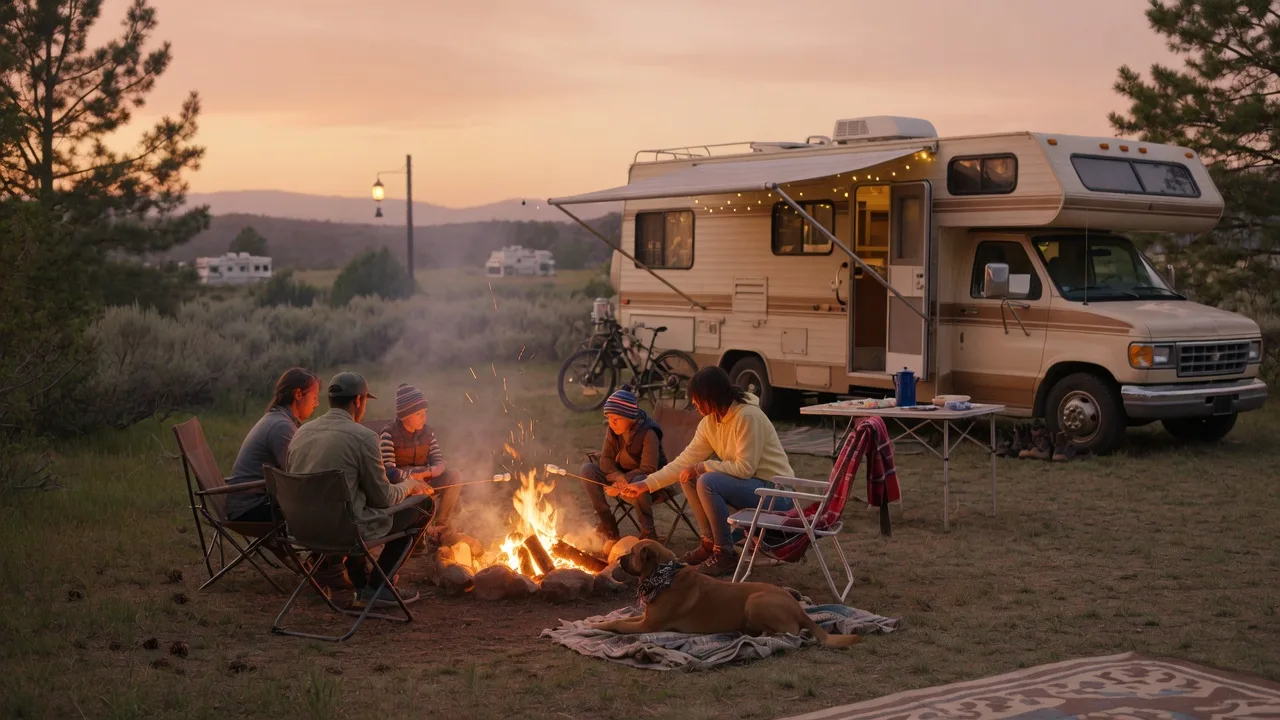
The 14-day occupancy limit within any 28- or 30-day period, cathole depth and distance standards, and fire restrictions on BLM-administered land are enforceable requirements under 43 CFR that determine whether dispersed camping with an RV stays available or gets closed due to cumulative damage.
Occupancy limits and moving requirements (43 CFR and field office rules)
Most BLM-administered public lands in the western U.S. impose a 14-day occupancy limit within any 28- or 30-day period at any one location, including developed campgrounds and dispersed sites. After the limit is reached, campers must move outside a 5-mile radius of the previous spot before returning. This rule appears in numerous BLM field office fact sheets and is rooted in 43 CFR provisions governing recreation and occupancy to prevent long-term squatting and resource degradation.
The limit applies to the person or group and the vehicle(s). Some areas have shorter limits (e.g., 7 or 10 days) or additional restrictions during peak seasons or in high-use zones. After the period, you must relocate; you cannot simply move a few hundred yards and claim a new 'location.' Field offices track compliance through host reports and complaints.
The rule exists to distribute use, reduce vegetation trampling, soil compaction, and wildlife disturbance around popular dispersed sites. Violating it can result in citation, vehicle impound, or area closures. Data as of June 2026 — always verify the exact limit, period, and move-distance rule for the specific BLM field office or recreation area on the blm.gov site for that office, and keep a log of your locations and dates to demonstrate compliance if asked by a ranger.
Some areas have 'long-term' or 'semi-permanent' camping options with permits or fees, but standard dispersed boondocking is the 14-day rule. Plan your itinerary with moves built in, and have backup locations ready. The 5-mile radius is measured as the crow flies in many cases; check the local order.
Human waste and trash — catholes, WAG bags, and pack-it-out requirements
Human waste must be deposited in catholes dug 6 to 8 inches deep and at least 200 feet (60+ meters) from water sources, camp areas, and trails. The hole must be covered and disguised when finished. Toilet paper should be packed out in a sealable bag (some areas require it; others allow burial with the waste). In high-use or sensitive areas (e.g., Grand Staircase-Escalante, certain river corridors), portable human waste containment systems (WAG bags or similar) are required or strongly recommended, and all waste must be packed out and disposed of in regular trash receptacles in town.
Trash, leftover food, and litter must be packed out. This includes orange peels, apple cores, and other 'biodegradable' items that can take years to break down in arid environments and attract wildlife. 'Pack it in, pack it out' is the standard. Draining sewage, gray water, or petroleum products on the ground is prohibited under 43 CFR and can result in significant fines.
In areas without vault toilets or facilities, the cathole or WAG bag method is the only legal option. Some popular dispersed camping zones have installed infrastructure (trash receptacles, vault toilets) precisely because of past abuse; using them properly helps keep the area open. Data as of June 2026 — always verify the specific waste rules for the BLM field office or ACEC you are in (some require WAG bags everywhere, others allow catholes with strict distance rules), and carry the appropriate supplies (trowel, sealable bags, WAG bags) before leaving pavement.
Failing to properly dispose of waste is one of the fastest ways to get an area closed to camping or to attract enforcement. Rangers and volunteers monitor popular sites; complaints from other users also trigger action. The environmental and social cost of improper waste is high in arid, slow-decomposing landscapes.
Fire, cooking and resource protection rules (43 CFR 9212 and local orders)
Fires must not be left unattended and must be completely extinguished when leaving camp — use water and/or dirt to smother and check that it is cool to the touch. Wood fires and charcoal are often restricted or prohibited outside of existing fire rings in developed sites or during fire restrictions. Lightweight gas stoves for cooking are the preferred and often only allowed method during restrictions.
Fire restrictions (Stage 1, Stage 2, or full closure) are issued at the field office or state level and can change daily. Stage 1 typically prohibits wood and charcoal fires outside designated rings; gas stoves are usually ok. Stage 2 is stricter (no open flames, no smoking outside enclosed vehicles). Full closure may prohibit all fires and limit or close dispersed camping. The specific language is in the order posted on blm.gov for that office.
Even when allowed, keep fires small and in existing rings. Do not build new rings or move rocks. Gathering wood is often prohibited or limited (pack in your own or buy local to prevent pest spread). Some areas require permits for campfires. Data as of June 2026 — always check the current fire restriction order for the exact BLM field office or recreation area before lighting anything, and follow the most restrictive rule if multiple jurisdictions overlap.
Vehicle travel is restricted to designated routes in many BLM areas (Travel Management Plans). Driving off-route to camp or create new spurs damages soil crusts, vegetation, and wildlife habitat and is a common violation. Camp at least 300 feet from water sources where possible, and avoid sensitive areas (riparian, cultural sites, wildlife habitat). The 43 CFR 4140.1 and 9212 outline prohibited acts including graffiti, polluting, and resource damage.
Vehicle impact, wildlife and cultural site protection
RVs and support vehicles compact soil, crush vegetation, and create dust and noise that disturb wildlife. In fragile desert crusts, the damage can last decades. Stay on existing routes and pullouts. Do not park on vegetation or create new campsites by driving in circles. In some areas, camping is restricted to designated sites only.
Wildlife: Keep distance from animals, secure food and trash (bear country rules apply in some BLM areas), and do not feed or approach. Pets must be leashed and under control per local rules; loose dogs harass wildlife and can be injured or killed by snakes, porcupines, or larger animals.
Cultural and historic sites: Leave artifacts in place, do not touch rock art, and camp away from known sites. Disturbing or removing artifacts is a federal offense. Many BLM areas have significant Tribal history; 'leave no marks or graffiti' is explicitly required.
Data as of June 2026 — always verify current route restrictions, camping designations, wildlife distance rules, and cultural site protections for the specific BLM area on the field office website or by talking to a ranger. The cumulative impact of many RVers following or ignoring these rules determines whether the area remains open to dispersed camping.
Frequently asked questions
What is the 14-day rule on BLM land and how is the 5-mile radius measured?›
Most BLM areas limit camping to 14 days in any 28- or 30-day period at any one location. After the limit, you must move outside a 5-mile radius before you can return to that general area. The radius is usually measured as the crow flies; check the local order. The rule applies to you and your vehicle(s). Data as of June 2026 — verify the exact numbers and measurement for the field office you are in.
Can I bury toilet paper or do I have to pack it out?›
In many arid BLM areas, you must pack out toilet paper (and all other waste) in sealable bags because it does not decompose quickly and can be dug up by animals. Some areas allow burial with the cathole; the local rule or sign will say. When in doubt, pack it out. Data as of June 2026 — follow the strictest local guidance posted or on the field office site.
Are gas stoves allowed during fire restrictions?›
Usually yes, even in Stage 1 or 2, because they are enclosed and do not produce sparks or embers like wood or charcoal. However, the exact language of the current restriction order for that field office controls. Some full closures may limit all open flames. Always read the order and confirm with a ranger if unsure. Data as of June 2026 — check the current order on blm.gov for the office.
What happens if I violate the 14-day limit or waste rules?›
You can be cited, fined, or trespassed from the area. Repeated or egregious violations can lead to vehicle impound or area-wide camping closures that affect everyone. Rangers and volunteers monitor popular sites; other users also report abuse. Data as of June 2026 — the rules are enforced; plan moves and waste management before you arrive.
How do I know the current fire restriction level for a specific BLM area?›
Check the field office or state BLM website for the current fire restriction order (they are posted and updated frequently during fire season). The order will specify what is prohibited (wood fires, charcoal, smoking, etc.) and any additional camping limits. Recreation.gov or the BLM national site may link to it. Data as of June 2026 — verify the day you plan to camp, as levels change with weather and fire activity.
Continue your research on PickRV
Sources
- 1.BLM Upper Colorado River DO / Grand Junction FO — Colorado Camping and Occupancy Regulations (14-day limit, waste, fire)BLMgovernment or university source
- 2.43 CFR 9212 — Wildfire Prevention (fires must not be left unattended, must be extinguished)BLM / DOIgovernment or university source
- 3.BLM Wyoming Recreation Guide — Dispersed Camping and Fire Safety (14-day limit, LNT, move radius)BLM Wyominggovernment or university source
- 4.Grand Staircase-Escalante National Monument — Plan Your Visit (LNT, human waste, WAG bags, pack it out)BLMgovernment or university source
- 5.BLM Routes of Travel plans (Western Imperial County, Eastern San Diego County examples — stay on designated routes, LNT, catholes, gas stoves)BLMgovernment or university source
- 6.43 CFR 8365 — Rules of Conduct (prohibited acts including polluting, damaging resources)BLMgovernment or university source
- 7.SNPLMA and other BLM recreation plans (infrastructure, LNT, fire, waste expectations)BLMgovernment or university source
- 8.Leave No Trace principles as applied on BLM land (official LNT.org cross-referenced with BLM guidance)Leave No Trace / BLMcompany or industry source
Sources are a mix of government and university publications and the company or industry documentation for the specific equipment, store policy or standard discussed — each row above says which one it is, so you can weigh it yourself. Last verified 2026-06-06. Report broken links to support@pickrv.com.
Ready to roll?
Pick a rig. Write the road.
Complete nightly price on every listing — your exact total itemized before you pay · 48h full rental refund. Every rig near you, one checkout.
Related reads
Plan around this guide · 3
Hub anchors · mega-guides · cost calculator — one click each.
Related on PickRV
Tell us when you want to travel.
Owners list their own rigs on PickRV. Add your dates and we'll email you when one is listed for them — nothing else, no spam.
Was this guide helpful?