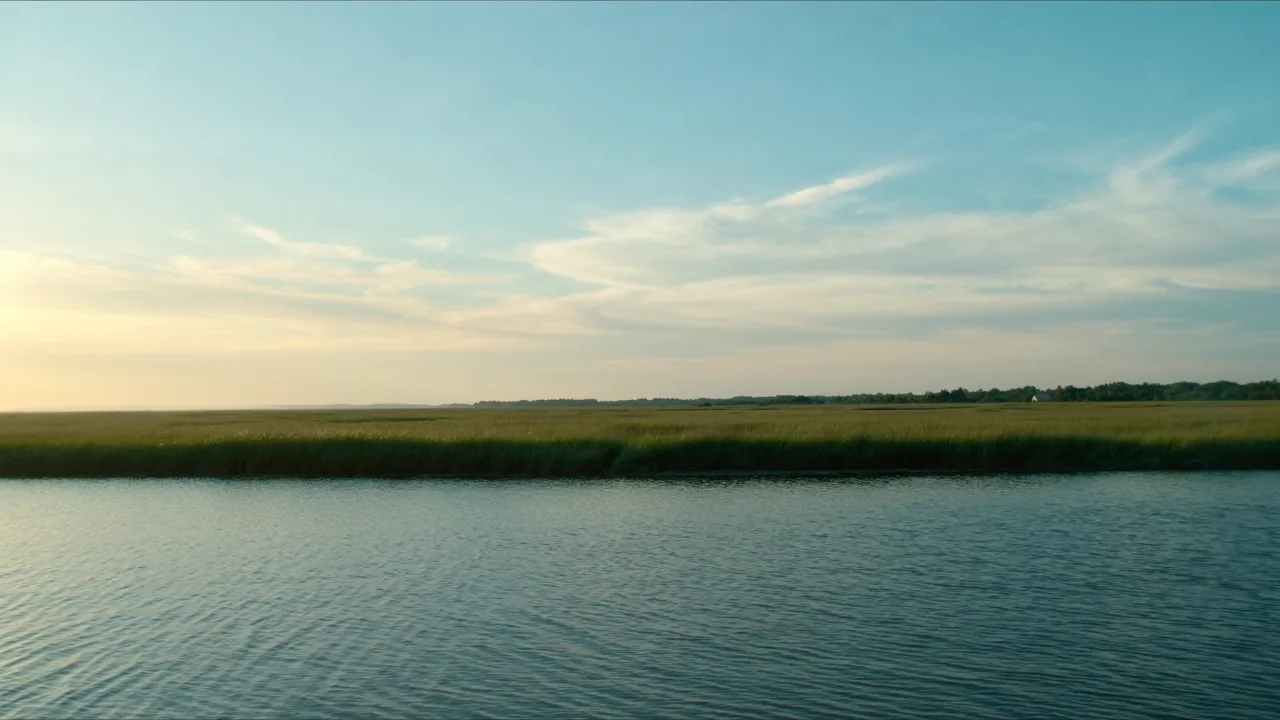
Assateague Island National Seashore stretches 37 miles down the Atlantic barrier coast of Maryland and Virginia, and its most famous residents are the wild ponies that have roamed its dunes and marshes for generations. Watching them graze against the sea is one of the most memorable wildlife experiences on the East Coast, and an RV gives you the freedom to base near the seashore and visit at dawn or dusk when the herds are most active.
Best season — Spring and fall offer mild weather and fewer crowds; ponies are most active in cooler early-morning and evening hours, while summer brings strong biting-insect activity in the marshes.
Can you see wild horses at Assateague Island?
Yes. Assateague Island National Seashore in Maryland and Virginia is home to free-roaming feral ponies that the public can view in the wild. The National Park Service manages the Maryland herd and asks visitors to give the horses space, never feed or pet them, and watch from a safe distance because the animals are genuinely wild.
- Free-roaming feral ponies on a public national seashore in MD and VA
- National Park Service manages the Maryland herd (the Virginia herd is managed by the Chincoteague Volunteer Fire Company)
- Feeding and petting are detrimental to both visitors and horses, per NPS
- Visitors are kicked, bitten, and knocked down every year for getting too close
At a glance
The facts worth checking before you roll out
Conservative, source-minded facts for planning your visit — always worth confirming against current conditions before you travel.
Managing agency
National Park Service (Maryland herd); Chincoteague Volunteer Fire Company (Virginia herd)
States
Maryland and Virginia
Horse status
Feral — descendants of domestic animals reverted to a wild state, per NPS
Safety rule
Give the horses the space they need to be wild; feeding and petting are detrimental to visitors and horses
Why no feeding
Horses can get sick from human food, and those that beg at the road are often hit and killed by cars
On the ground
Assateague Island National Seashore protects a long, wind-shaped barrier island shared by Maryland and Virginia, where wild ponies move freely across beach, dune, and salt marsh. The National Park Service describes them as feral animals, meaning descendants of domestic horses that reverted to a wild state, and they live without daily human care. Seeing a band of ponies silhouetted against the surf is the kind of moment that draws travelers back year after year.
Because the ponies are wild, the Park Service is direct about respect and safety: give the horses the space they need to be wild, and never feed or pet them. Feeding and petting are detrimental to both visitors and horses. Every year, visitors are kicked, bitten, and knocked down as a direct result of getting too close, and ponies that learn to beg at the road are often struck by cars. Watching from a distance with binoculars or a long lens keeps both you and the herd safe.
An RV is an ideal way to experience Assateague on the ponies' schedule. You can settle in near the seashore, catch the herds during the cooler, calmer hours of early morning and evening, and explore the surrounding Atlantic barrier-island coast at your own pace rather than rushing a single day trip.
If you're planning a coastal loop, Assateague pairs naturally with nearby refuges and seashores. Renting an RV from a local host through PickRV lets you base your whole trip around respectful wildlife viewing instead of hotel checkout times.
Official sources
- NPS — Assateague Island Wild Horses National Park Service
Nearby & related
Keep planning Maryland
Sourced costs, campground directories, and the places worth a detour — the next layer of Maryland trip planning.
Planning an RV trip near Assateague Island Wild Ponies: Free-Roaming Horses of the Atlantic Barrier Coast?
Was this guide helpful?