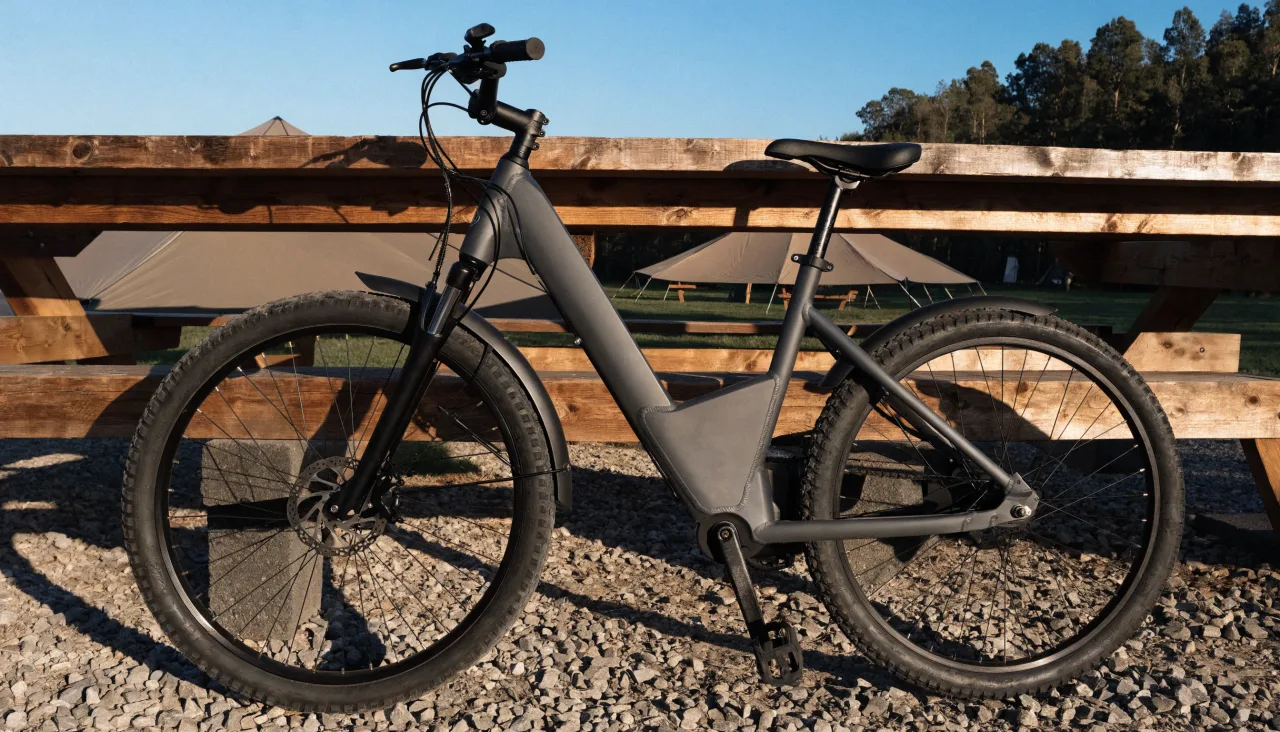
Kuat NV 2.0 carries 60 lb per bike (e-bike legal), 1UP Super Duty now 100 lb per tray (older 1UP/Yakima models ~50 lb), and why exceeding your vehicle's actual tongue-weight and hitch-class DOT rating is the fastest way to turn a $2,000 rack into a roadside felony or insurance denial.
The per-bike weight numbers that actually exist in 2026
Kuat NV 2.0 (and NV Base 2.0) platform rack: 60 lb per tray rated by the manufacturer for conventional bikes and e-bikes. Real-world users with 65-70 lb long-range e-bikes routinely exceed the published limit and report frame or hitch stress — Kuat does not warrant over 60 lb per position. Older 1UP (sometimes marketed alongside or confused with Yakima 1UP lines) single and double trays were commonly rated 50 lb per bike in pre-2024 literature.
1UP USA Super Duty (current production): 100 lb per tray on the first two positions (single or double base), with add-on trays at 75 lb or 65 lb depending on position. Total system capacity can reach 265 lb across four positions. This is the rack that actually moves modern 70-90 lb cargo e-bikes and even small e-motos without drama.
- Kuat NV 2.0: 60 lb per bike (e-bike compatible per Kuat)
- Older 1UP / Yakima 1UP references: ~50 lb per bike (verify exact model year)
- 1UP Super Duty 2024+: 100 lb per primary tray, 75 lb add-on, up to 265 lb total
- Rack weight itself: 50-65 lb — this counts against tongue weight before any bikes are loaded
Hitch receiver classes and the DOT / legal rating reality
A 2" Class III hitch receiver is typically rated 5,000-6,000 lb gross trailer weight / 500-600 lb tongue by the vehicle manufacturer (not the rack maker). Class IV is 10,000 lb / 1,000-1,200 lb tongue. The rack manufacturer publishes a maximum load for the rack; the vehicle manufacturer publishes the maximum the hitch and frame can safely carry. The lower of the two numbers governs. DOT regulations (via NHTSA and state vehicle codes) require that aftermarket loads not exceed the vehicle's certified weight ratings; exceeding them can be cited as an unsafe load and will almost certainly void insurance coverage in an accident.
Many Class A and Class C diesel pushers have hitch ratings of only 5,000-10,000 lb GTW and 500-1,000 lb tongue even though the chassis could physically pull more — the rating is limited by the frame, bumper, and receiver the OEM installed. A 65 lb rack + two 70 lb e-bikes = 205 lb tongue load before any other cargo, gear, or water. Add a generator, spare tire, or bikes on the roof and you are at or over many motorhome hitch ratings.
Real tongue-weight math for a typical Class A + e-bikes
Example: 2023 Newmar Dutch Star 40 ft with factory 10k hitch, published 1,000 lb tongue max. Kuat NV 2.0 rack ~52 lb. Two mid-weight e-bikes at 55 lb each = 110 lb. Total on hitch: 162 lb. Comfortable margin. Two 80 lb cargo e-bikes + rack = 212 lb — already over 20% of the published tongue on many gas Class As (often rated 500-750 lb tongue). The Super Duty rack itself is heavier (~64 lb double), so the math gets tighter fast.
Always weigh the actual loaded tongue (cheap scale at any CAT scale or RV dealer) before you leave. The published numbers on the RV door sticker and hitch label are the legal and safety limit.
Lighting, sway, and highway-speed considerations
Any hitch-mounted rack that extends the load more than 4 ft behind the bumper must have its own lighting (DOT FMVSS 108 compliant tail, brake, turn, and side markers) or the vehicle's lights must remain visible. Most quality racks (Kuat, 1UP) include or offer a lighting kit. At 70+ mph a 200+ lb load on a 24-30 ft lever arm creates significant yaw moment; anti-sway bars or weight-distribution hitches (if rated for the receiver) become relevant even for 'just bikes.'
Never exceed the rack's per-position rating even if the hitch could take it — the rack arms, trays, and locks are the failure point. 1UP Super Duty's 100 lb rating is engineered into the aluminum extrusion and hardware; Kuat's 60 lb is the limit of the tray and pivot design.
What the rental host must disclose
For any rig that will carry e-bikes: (1) exact hitch class and tongue rating from the RV's certification label, (2) whether a weight-distribution or sway-control device is fitted and rated for the load, (3) rack model + per-bike rating + lighting status. If the host says 'the hitch is rated for 10k, you're fine,' ask for the tongue rating specifically — that is the number that matters for bikes.
Frequently asked questions
Can the Kuat NV 2.0 really carry 60 lb e-bikes?›
Yes per Kuat published rating. Real-world users report success with 55-62 lb bikes. Consistently loading 70+ lb bikes exceeds the design limit and can stress the tray, pivot, and hitch connection over time.
What is the current 1UP Super Duty per-tray rating?›
100 lb per primary tray (single or first two positions on double), 75 lb or lower on add-ons depending on position. Total system up to ~265 lb. This is the rack built for heavy modern e-bikes.
Does my Class A hitch rating include the rack weight?›
Yes. Tongue weight is everything hanging on the hitch receiver — rack + bikes + any cargo on the rack. The rack alone (50-65 lb) is part of the load before you add a single bike.
Is a 2" receiver on a Class A always Class IV?›
No. The receiver size does not determine the rating; the vehicle's frame, bumper, and hitch assembly rating do. Many Class A and C motorhomes have 2" receivers rated only 5,000-8,000 lb GTW / 500-800 lb tongue. Check the sticker on the hitch or the RV's certification label.
Do I need a separate lighting kit on the bike rack?›
If the rack or bikes obscure the RV's tail lights, yes — DOT requires the vehicle to display legal lighting at all times. Most premium racks (Kuat, 1UP) offer plug-and-play lighting kits that tie into the RV's 4-pin or 7-pin connector.
Continue your research on PickRV
Sources
- 1.Kuat NV 2.0 / NV Base 2.0 specs — 60 lb per trayKuat Racks (manufacturer)company or industry source
- 2.1UP USA Super Duty product page and weight ratings1UP USA (manufacturer)company or industry source
- 3.1UP USA weight ratings PDF (265 lb total example)1UP USAcompany or industry source
- 4.etrailer hitch rating and tongue weight guidanceetrailer (hitch / towing specialist)company or industry source
- 5.NHTSA FMVSS 108 — lighting requirements for vehicles and loadsUS DOT NHTSAgovernment or university source
- 6.SAE J684 — trailer hitch and coupler standards (referenced for aftermarket loads)SAE Internationalcompany or industry source
Sources are a mix of government and university publications and the company or industry documentation for the specific equipment, store policy or standard discussed — each row above says which one it is, so you can weigh it yourself. Last verified 2026-06-04. Report broken links to support@pickrv.com.
Ready to roll?
Pick a rig. Write the road.
Complete nightly price on every listing — your exact total itemized before you pay · 48h full rental refund. Every rig near you, one checkout.
Related reads


Plan around this guide · 3
Hub anchors · mega-guides · cost calculator — one click each.
Related on PickRV
Tell us when you want to travel.
Owners list their own rigs on PickRV. Add your dates and we'll email you when one is listed for them — nothing else, no spam.
Was this guide helpful?