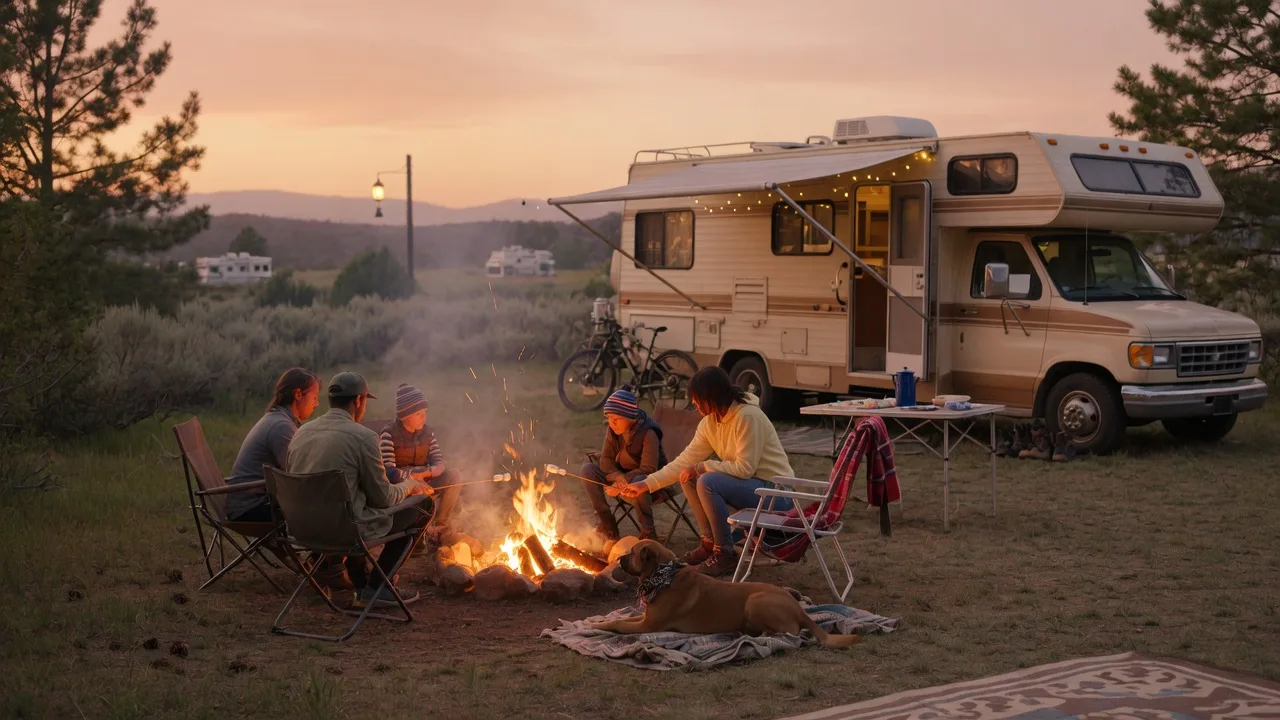
The single highest-probability expensive failure in used RVs is water intrusion; a structured inspection quantifies the risk before the purchase agreement is signed.
Why water intrusion dominates used-RV losses (NHTSA, RVIA and state consumer data)
Industry and regulator sources consistently identify water intrusion as the leading cause of major used-RV repair costs. The National Highway Traffic Safety Administration (NHTSA) maintains defect and recall data for motor vehicles and equipment, including RVs, under the Motor Vehicle Safety Act. Manufacturers must report information about potential defects. State consumer protection agencies and lemon-law resources (referenced in manufacturer SEC filings and state DOI/AG sites) address buyer remedies for new and, in some cases, used vehicles when material defects exist.
The Recreation Vehicle Industry Association (RVIA) promulgates voluntary safety and construction standards that many manufacturers certify against (placing an RVIA seal on compliant units). While voluntary, these standards address construction practices that affect long-term durability, including sealing and weatherproofing. NHTSA and state resources emphasize that even well-built units can develop leaks over time from sealant degradation, roof penetrations, window/door seals, and slide-out mechanisms.
For a buyer, the economic reality is that undetected or unrepaired water intrusion can lead to delaminated walls, floor rot, cabinet damage, and electrical or appliance failures that easily exceed $10k–$30k+ on a mid-size used rig. Many buyers discover the extent only after purchase, when insurance or warranty remedies are limited or unavailable. Data as of June 2026 — always obtain a professional pre-purchase inspection by an inspector familiar with RV construction and review any available service history and prior repair records before signing.
NHTSA's defect reporting and recall database (and manufacturer communications) provides one public source for known issues by make/model/year. State consumer protection resources and any applicable lemon-law provisions for RVs (primarily new units from dealers in many states) provide additional context. Used private-party sales generally have fewer statutory protections than dealer sales.
A practical inspection framework: exterior, interior, systems and road test
A structured walk-around begins with the roof and all roof penetrations (vents, air conditioners, solar mounts, satellite, antennas). Look for cracked or missing sealant, ponding water, delamination, or previous repair patches that may hide ongoing issues. Sidewalls, slide-out seals, windows, and doors should be checked for soft spots, discoloration, or evidence of prior water staining. Wheel wells and underbody compartments are common entry points for road spray and should be examined for sealant condition and any wiring or plumbing penetrations.
Interior inspection focuses on ceilings, walls, and floors for soft spots, discoloration, or musty odors, especially around windows, slides, and baths. Cabinet interiors, under sinks, and around appliances (refrigerator, water heater, furnace) often show early signs. Moisture meter readings at multiple points (with the inspector explaining the meter and thresholds for the specific materials) provide objective data points. Electrical and plumbing systems should be tested under load where safe; propane systems require qualified inspection for leaks and regulator function.
Chassis and running gear inspection includes tire condition and age (DOT date codes), brake condition, suspension components, and any signs of frame damage or prior accident repair. For motorized units, the engine, transmission, and generator (if present) should be evaluated for service history and current condition. Towable units require attention to the hitch, frame, and axle components. A short road test (where safe and permitted) can reveal handling, brake, or drivetrain issues not apparent on a static inspection.
Documentation review includes the title history (for salvage, flood, or rebuilt brands), any remaining manufacturer or extended warranties and their transferability, and service records. Data as of June 2026 — always verify current NHTSA recall status for the specific VIN on the NHTSA website, obtain a professional inspection report with photos and moisture readings, and have any material findings addressed in the purchase agreement or price negotiation before closing.
Common deal-killers and how they affect value and usability
Major water damage (soft floors, delaminated walls, widespread cabinet or ceiling damage) is the most frequent reason a used RV purchase falls through or is renegotiated significantly. Repair costs are high, and even after repair the unit may have residual odor, reduced insulation value, or future leak risk. Buyers should obtain repair estimates from qualified RV technicians before finalizing price.
Chassis and structural issues (frame cracks, prior accident damage that affects alignment or towing, rusted or damaged axles on towables, or significant engine/transmission problems on motorized units) can render the rig unsafe or uneconomical to repair relative to its market value. These are often visible to a trained inspector or during a road test but may be missed in a casual walk-around.
Systems that are non-functional or require expensive upgrades (inoperative slide-outs, failed awnings, non-working appliances, or electrical/propane systems that do not meet current safety standards) reduce usability and value. Aftermarket modifications (solar, lithium batteries, custom interiors) should be evaluated for quality of installation and whether they void any remaining warranties or create insurance issues.
Title and brand issues (salvage, flood, rebuilt, or odometer discrepancies on motorized units) materially affect resale value, financing options, and insurance availability. Some states have specific disclosure requirements for branded titles. Data as of June 2026 — always verify title brand and history through the state DMV or a vehicle history service, and factor any brand or disclosure issues into the offer price and your willingness to own the unit long-term.
Post-inspection: negotiation, repair, and ownership realities
A professional inspection report is a negotiation tool, not a guarantee of future condition. Sellers may agree to price reductions, repairs by qualified shops before closing, or an 'as-is' sale with the buyer accepting the known issues. Buyers should have any agreed repairs documented and verified before funds are released.
Even a clean inspection does not eliminate all risk. RVs are complex systems exposed to weather, road conditions, and varying maintenance histories. Budget for ongoing maintenance, unexpected repairs, and the possibility that some issues (especially intermittent water leaks or deferred chassis work) may not be fully apparent during a single inspection.
Insurance and financing may require or benefit from a recent professional inspection. Some lenders or insurers have specific requirements or preferred inspectors. Data as of June 2026 — always disclose known material defects to your insurer and lender as required by the policy or loan documents; failure to disclose can affect coverage or financing.
The goal of the inspection is informed decision-making, not perfection. A rig with known, documented, and priced-in issues can still be a sound purchase if the buyer has the skills, budget, and tolerance for the repair work and accepts the limitations. Conversely, a 'clean' rig at a premium price may not be the best value if the inspection reveals deferred maintenance that will require immediate attention.
Frequently asked questions
Is a professional pre-purchase inspection worth the cost on a used RV?›
For most buyers, yes. Water intrusion and chassis issues that are not obvious on a casual inspection can cost tens of thousands to repair. A professional report with photos, moisture readings, and prioritized findings provides objective data for negotiation and helps avoid buying a money pit. Data as of June 2026 — verify the inspector's qualifications and experience with your specific rig type.
What does NHTSA data tell a used-RV buyer?›
NHTSA maintains defect reports, recalls, and manufacturer communications for RVs and their components. Checking the specific VIN and make/model/year on the NHTSA site can reveal known safety-related issues and recall status. Not all issues rise to the level of a recall, and many repairs are performed under warranty or goodwill programs before resale. Always verify current recall status for the VIN.
Do state lemon laws apply to used RVs?›
Lemon laws primarily address new vehicles sold by dealers and typically do not apply (or apply with significant limitations) to used private-party or dealer sales. Some states have general consumer protection statutes or used-vehicle disclosure requirements. For used RVs, the primary protections are any remaining manufacturer or dealer warranties, the inspection and negotiation process, and general misrepresentation or fraud remedies. Verify your state's specific rules with the Attorney General or consumer protection office.
Can aftermarket solar, lithium batteries, or custom modifications cause problems on a used RV?›
Yes. Poorly installed aftermarket systems can create electrical, fire, or structural issues, may void remaining warranties, and can complicate insurance claims. A professional inspection should evaluate the quality of any modifications and whether they were done in a code-compliant manner. Obtain documentation of the work and any permits if applicable.
What is the single most common expensive surprise after buying a used RV?›
Undetected or inadequately repaired water intrusion leading to delaminated walls, floor rot, or cabinet damage. Even 'minor' leaks can cause disproportionate damage over time because RVs are lightweight constructions with many penetrations. A thorough roof, sidewall, slide, and window inspection with moisture metering is the highest-ROI part of most pre-purchase inspections.
Continue your research on PickRV
Sources
- 1.NHTSA Reporting of Information and Documents About Potential Defects (Motor Vehicle Safety Act requirements for manufacturers)NHTSAgovernment or university source
- 2.RVIA Recreational Vehicle Safety Standards and Certification (manufacturer compliance and seal program)RVIAcompany or industry source
- 3.NHTSA Motor Vehicle Safety Standards and Recall Information (search by VIN/make/model for RVs)NHTSAgovernment or university source
- 4.Federal Motor Vehicle Safety Standards (FMVSS) applicability to RVs and equipmentNHTSAgovernment or university source
- 5.State consumer protection and lemon law resources for vehicles (examples referenced in manufacturer disclosures and state AG/DOI sites)Various State Consumer Protection / AG Officesgovernment or university source
- 6.RVIA and manufacturer statements on compliance with RVIA, NHTSA, and CMVSS standardsRVIA / Manufacturers (via SEC filings)government or university source
- 7.NHTSA and EPA references to vocational and motor home chassis categories in heavy-duty rulesNHTSA / EPAgovernment or university source
- 8.State DOI and insurance resources on consumer complaints and vehicle-related products (context for warranty/insurance overlap)NAIC / State DOIscompany or industry source
Sources are a mix of government and university publications and the company or industry documentation for the specific equipment, store policy or standard discussed — each row above says which one it is, so you can weigh it yourself. Last verified 2026-06-06. Report broken links to support@pickrv.com.
Ready to roll?
Pick a rig. Write the road.
Complete nightly price on every listing — your exact total itemized before you pay · 48h full rental refund. Every rig near you, one checkout.
Related reads
Plan around this guide · 3
Hub anchors · mega-guides · cost calculator — one click each.
Related on PickRV
Tell us when you want to travel.
Owners list their own rigs on PickRV. Add your dates and we'll email you when one is listed for them — nothing else, no spam.
Was this guide helpful?