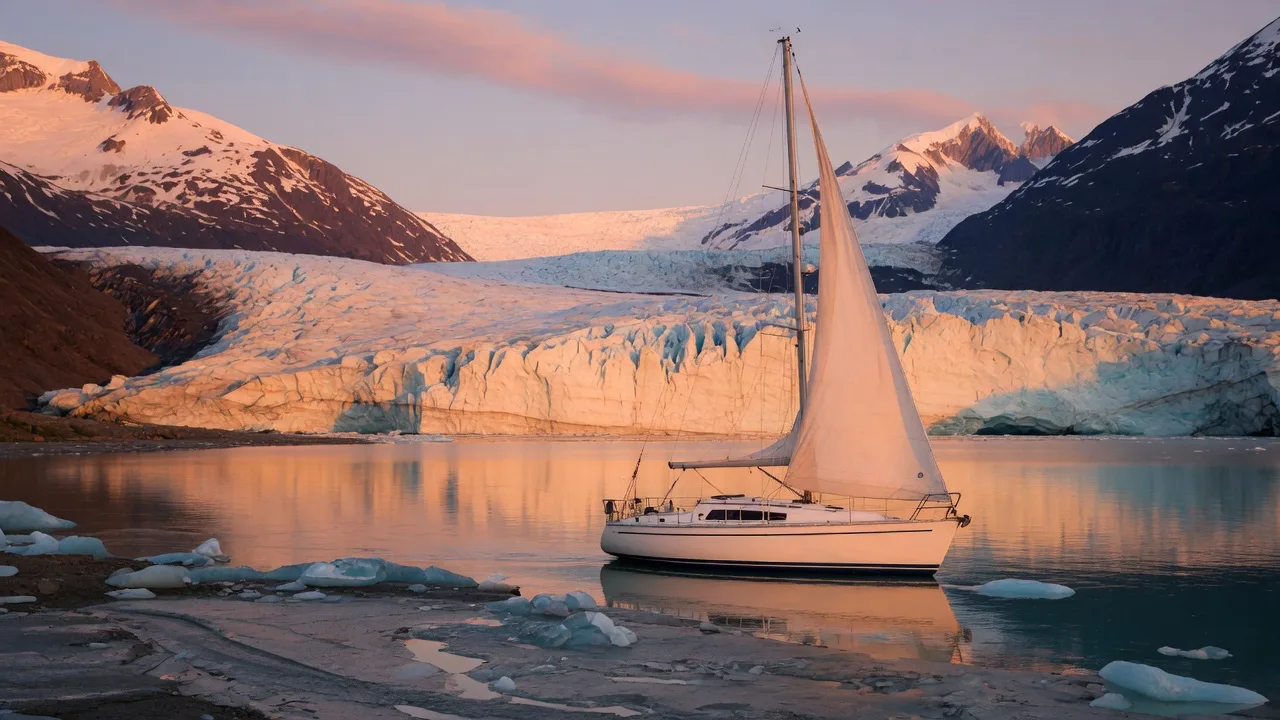
Marina protocols, fender placement, line knots, fuel dock courtesy, and the unwritten rules that separate experienced boaters from first-timers.
Docking basics — the four-step approach
Per US Coast Guard recreational boating safety guidelines, the universal docking approach:
(1) Approach into the wind or current (whichever is stronger), slowest possible speed.
(2) Approach at a 30-45° angle relative to the dock.
(3) Slow to neutral 1-2 boat lengths from the dock — momentum carries you in.
(4) Use reverse thrust briefly to stop alongside the dock — no thrust at impact.
- Approach into wind/current at slowest speed
- 30-45° angle on approach
- Neutral 1-2 boat lengths out — momentum carries
- Reverse to stop — never impact under power
Fender + line setup (before approach)
Per the US Coast Guard Auxiliary boating safety curriculum, prep fenders + lines BEFORE you start the docking approach. Trying to deploy fenders during docking = recipe for a scratched gel coat + an embarrassed boater.
Fenders: minimum 2 per side, sized for your boat (20 ft boat = 6 inch diameter fenders, 30+ ft boat = 8-10 inch). Position at the widest point of the hull + at midship.
Lines: 4 dock lines minimum (bow, stern, 2 spring lines). Length 1.5-2x boat length. Pre-tie bowlines at the dock-end. Coil + place in cockpit ready to grab.
Tying up — five essential knots
(1) Cleat hitch: secures line to a dock cleat. The bread-and-butter knot.
(2) Bowline: forms a non-slipping loop. Used to attach line to ring/post.
(3) Clove hitch: temporarily secures line to a piling. Releases easily.
(4) Round turn + 2 half-hitches: secures line to a post permanently.
(5) Figure-eight stopper: prevents line from running through a fairlead.
USCG Auxiliary + US Power Squadrons both teach these in their Boating Safety courses (often free or $25-50, NASBLA-approved).
Region-specific etiquette — Northeast (Long Island Sound, Cape Cod, Maine coast)
Tidal range: 6-12 ft typical. Adjust dock lines for tide swing — pre-tie longer than seems necessary.
Mooring fields: extensive, often town-managed. Pickup poles common. Holiday weekend reservations essential (book 6+ months ahead for July 4th).
Tip the launch operator $5-10 per ride (cash). They remember repeat boaters.
Yacht clubs: members-only, but visitor reciprocal privileges common if your home club has an exchange agreement.
- Tidal range: 6-12 ft typical — long lines required
- Mooring fields: book 6+ months ahead for holidays
- Tip launch operator $5-10/ride (cash)
- Yacht clubs: reciprocal privileges if your home club has agreement
Region-specific etiquette — Florida + Gulf Coast
Tidal range: 1-4 ft typical (much smaller than Northeast).
Bridge openings: many ICW (Intracoastal Waterway) bridges open on schedule — check the cruise guide for opening times. Call bridge tender on VHF 9 to request opening.
Manatee zones: speed limits strictly enforced (per FWC). Idle speed = motor in gear, minimum forward way.
Hurricane season (Jun-Nov): marinas may close + require boats to be moved. Check NHC advisories.
Region-specific etiquette — Great Lakes + inland
No tide. Water level varies year-to-year but not daily.
Wind: open lake fetch creates 4-8 ft waves in moderate wind. Check NOAA marine forecast before launching.
Locks (Chicago Skyway, Soo Locks, Welland Canal): commercial-priority — recreational boats wait. VHF 14 typical.
Border crossings (Canada, into Detroit/Sault/Niagara): Customs CBP CBP ROAM app required for inbound to US.
Region-specific etiquette — Pacific Northwest (Puget Sound, San Juans)
Tidal range: 8-18 ft typical (largest in US).
Currents: tidal currents 3-8 knots in passages (Deception Pass, Tacoma Narrows, Skookumchuck). Plan for slack water transits — tidal current tables published by NOAA show daily slack-water windows by location.
Marine fog: common Apr-Sep mornings. Radar + AIS recommended for anything beyond inland Sound waters; many marinas rent units by the day.
Canadian waters border: Canadian Customs required for any landing in Canada (San Juan to Sidney crossing common for renters). CBSA report by phone or CANPASS — register the vessel + crew BEFORE crossing to avoid 2-4 hour clearance delays at busy customs dock anchorages.
Whale + marine mammal protection: per NOAA Endangered Species Act regulations, vessels must maintain 300 yd distance from Southern Resident Killer Whales (J/K/L pods). Violations carry $5,000-25,000 fines + vessel impound per incident. WhaleAlert + Marine Traffic apps show current pod locations.
Fuel dock etiquette
(1) Approach + tie up briefly — no fender removal needed for short fueling stop.
(2) Disengage all sources of ignition BEFORE fueling (per USCG regulation: shut down engines, stop generators, no smoking, no electronics use, no propane appliances running including the cabin stove or water heater pilot light).
(3) Ground the fuel nozzle to the tank fill — prevents static spark, the documented cause of multiple recreational-vessel fuel-dock fires per USCG investigation reports.
(4) Fill to no more than 90% (allows expansion). Listen for the change in pitch as the tank approaches full — overfilling pushes gasoline out the vent and into the water, a $1,000-10,000 USCG fine for negligent fuel discharge under the Clean Water Act.
(5) Run ventilation blower 4-5 min before starting engine (per USCG regulation 33 CFR 183.610). The blower clears fuel-vapor accumulation in the bilge that would otherwise ignite on engine start.
(6) Pay quickly + clear the dock — others are waiting. Fuel dock turnover is the marina bottleneck during peak summer weekends; spending 15 minutes at the dock when 5 minutes was enough is the etiquette violation that gets remembered.
VHF marine radio + DSC — the safety system most renters never learn
Per US Coast Guard regulations (47 CFR Part 80), all US-flagged commercial vessels and most recreational vessels over 20 ft carry a VHF marine radio as the primary distress + communication tool. The 2026 standard is a fixed-mount or handheld DSC-capable radio (Digital Selective Calling) registered with an MMSI number through BoatUS or the Coast Guard.
DSC works like a maritime panic button: pressing + holding the dedicated red distress button transmits your registered MMSI, the nature of distress (if you have time to select), AND your GPS coordinates (if the radio is GPS-equipped or linked to chartplotter) on channel 70 simultaneously to every DSC receiver in range — Coast Guard sectors, nearby vessels, and shore stations. The Coast Guard receives the alert in under 10 seconds anywhere within VHF range of a CG repeater (most US coastal waters + Great Lakes).
Renter takeaway: every rented boat should have its VHF radio tested at the dock before launching. Push the test button (most modern radios have a self-test routine), verify GPS lock if DSC-equipped, and confirm channel 16 reception by listening for routine commercial traffic. If the radio is non-functional, the rental does not meet US Coast Guard recreational standards and you should refuse the launch.
- Channel 16 (156.800 MHz): emergency + calling channel · monitor continuously while underway
- Channel 9 (156.450 MHz): alternate calling channel · bridge tenders in many regions
- Channel 13 (156.650 MHz): commercial vessel-to-vessel · bridge/lock communications
- Channel 70 (156.525 MHz): DSC digital distress (automatic) · do not voice on this channel
- Channel 22A: USCG working channel · used after initial 16 contact
- MMSI registration: free via BoatUS · required for DSC distress to identify you
USCG safety equipment requirements (the carriage rules per vessel length)
Per 33 CFR Part 175, US Coast Guard recreational vessel safety equipment requirements scale with vessel length. Inspections happen at the dock + on the water; missing required equipment carries fines $25-1,000 per item + can void rental insurance if a claim arises. Every renter should walk the boat at pickup and verify every item personally.
The most frequently missing items on rental boats per BoatUS field reports: expired flares (USCG visual distress signals expire 42 months from manufacture date, stamped on the cartridge), missing or expired fire extinguisher (B-I or B-II rated, with the pin + seal intact + the gauge needle in green), and PFDs that don't match the passenger manifest (need one Type I/II/III/V per passenger, child sizes for children, plus one Type IV throwable on vessels 16+ ft).
- All vessels: one wearable PFD per passenger (Type I/II/III/V)
- 16 ft+: one Type IV throwable cushion or ring
- Most powered vessels: fire extinguisher B-I or B-II (verify gauge + pin)
- Vessels operating between sunset + sunrise OR offshore: visual distress signals (flares, expire 42 months from manufacture)
- Vessels with enclosed engine compartment: backfire flame arrestor
- Vessels with fuel-burning systems below deck: powered ventilation
- All vessels with motor: sound-producing device (whistle, horn, or bell)
- Navigation lights: required sunset to sunrise + restricted visibility
What boating guidebooks don't tell you
Under-shared truth #1: VHF marine radio (channel 16) is the emergency-summoning channel. Before leaving the dock, push the test button + confirm reception. If the radio is dead, demand a replacement before launching. Inability to summon help on a non-cellular waterway is the most-recoverable safety gap that often gets ignored.
Under-shared truth #2: 'no-wake zone' enforcement varies dramatically. Florida + California + NY = strict, frequent enforcement. Texas + Oklahoma + South Carolina = looser. Regardless: no-wake means idle speed (minimum forward way), NOT 'slow down a little.' Per state marine patrol regulations, violations carry $150-500 fines + collision liability if your wake damages another boat.
Under-shared truth #3: most rental boat insurance EXCLUDES operation in conditions exceeding the host's stated limits (wind speed, wave height). A 'small craft advisory' from NOAA marine forecast = automatic insurance void if you launch anyway. Check forecast.weather.gov marine forecast before EVERY launch.
Frequently asked questions
What's the universal docking approach?›
Approach into the wind/current at slowest speed, 30-45° angle to the dock, slow to neutral 1-2 boat lengths out (momentum carries you in), use brief reverse thrust to stop alongside. Never impact under power.
What VHF marine channel is for emergencies?›
Channel 16 (156.800 MHz) per US Coast Guard regulations. Distress + safety + calling channel. Listen continuously while underway. Test radio reception BEFORE leaving the dock — inability to call for help on non-cellular waterway is the #1 recoverable safety gap.
Do I need a boating license to rent a boat?›
Depends on state of operation + your year of birth. 36 states require NASBLA-approved boater safety education credential for operators born after a cutoff year (commonly 1988 or 1980). Verify at boat-ed.com/nasbla. Host should verify your credential at pickup.
What's the rule on fueling a boat?›
Per USCG regulations: shut down engines + generators, no smoking/ignition sources, ground the fuel nozzle to tank fill (prevents static spark), fill to no more than 90% (allows expansion), run ventilation blower 4-5 min before starting engine.
What is DSC on a marine VHF radio?›
Digital Selective Calling — a maritime distress system. Hold the dedicated red distress button and the radio transmits your MMSI + nature of distress + GPS coordinates (if connected) on channel 70 to every DSC receiver in range, including Coast Guard sectors. Free MMSI registration via BoatUS. Verify DSC function + GPS lock at the dock before launch.
What safety equipment is the USCG required on a recreational boat?›
Per 33 CFR Part 175: one wearable PFD per passenger, Type IV throwable on 16+ ft vessels, fire extinguisher (B-I/B-II rated, gauge in green, pin intact), expiration-current flares for night or offshore (USCG visual distress signals expire 42 months from manufacture), backfire flame arrestor (enclosed engines), ventilation blower (below-deck fuel systems), sound-producing device, navigation lights sunset-to-sunrise.
Continue your research on PickRV
Sources
- 1.USCG Boating Safety Resource CenterUS Coast Guardcompany or industry source
- 2.USCG Auxiliary Boating SafetyUSCG Auxiliarycompany or industry source
- 3.NOAA Marine Weather ForecastNOAA NWSgovernment or university source
- 4.NASBLA Boater Education DatabaseNASBLAcompany or industry source
- 5.CBP ROAM app US border crossingUS CBPgovernment or university source
- 6.FCC 47 CFR Part 80 marine radio regulationsUS FCCgovernment or university source
- 7.USCG 33 CFR Part 175 recreational vessel equipmentUS Coast Guardgovernment or university source
Sources are a mix of government and university publications and the company or industry documentation for the specific equipment, store policy or standard discussed — each row above says which one it is, so you can weigh it yourself. Last verified 2026-05-25. Report broken links to support@pickrv.com.
Ready to roll?
Pick a rig. Write the road.
Complete nightly price on every listing — your exact total itemized before you pay · 48h full rental refund. Every rig near you, one checkout.
Related reads

Plan around this guide · 3
Hub anchors · mega-guides · cost calculator — one click each.
Related on PickRV
Tell us when you want to travel.
Owners list their own rigs on PickRV. Add your dates and we'll email you when one is listed for them — nothing else, no spam.
Was this guide helpful?