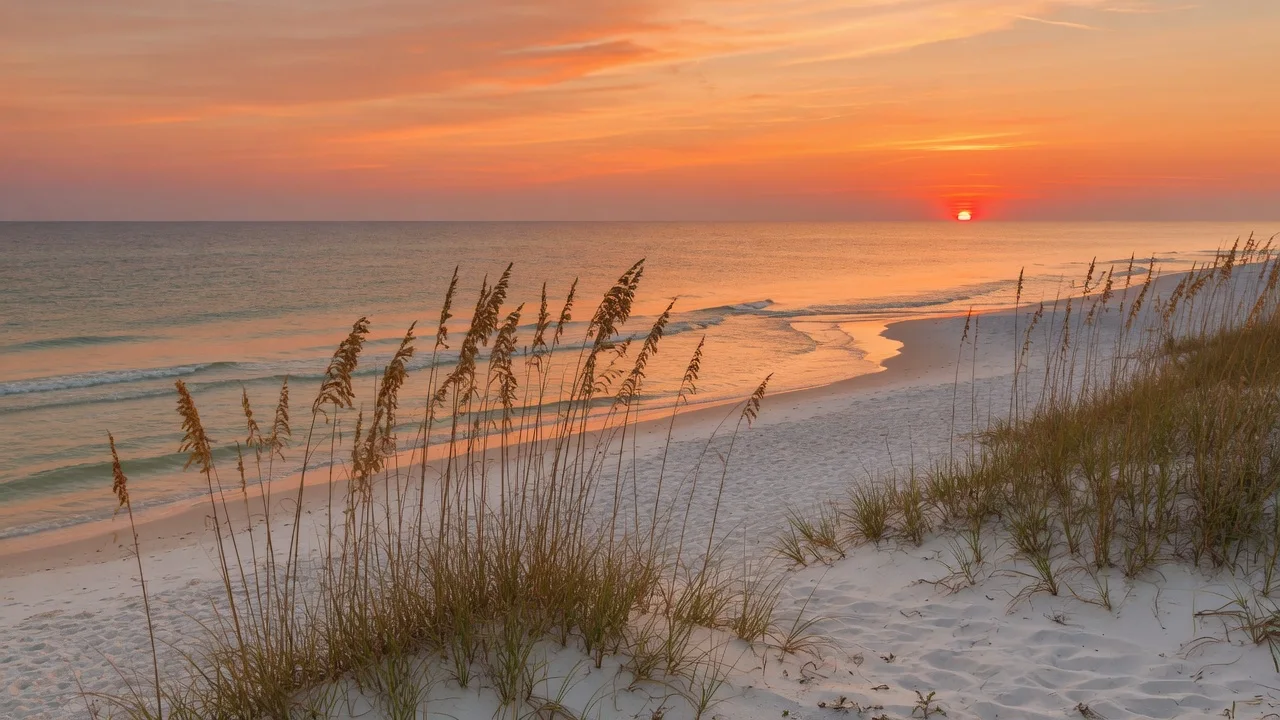
The precise October temperature, freeze, and precipitation normals from NOAA NCEI and NWS that tell you why the 'leave by Oct 15' rule is weather-driven, not arbitrary, and which specific Gulf and desert corridors stay comfortable longest.
NOAA October normals — the data behind the migration timing
NOAA National Centers for Environmental Information (NCEI) 30-year climate normals (1991-2020 or latest) show why snowbirds target mid-to-late October departures. Average daily maximum in central and south Florida in October is in the low-to-mid 80s early month, dropping toward 75-80°F by late October; overnight lows in the 60s. Arizona desert (Phoenix/Tucson) October highs average 85-90°F early, 75-82°F late month; lows 55-65°F. Texas Gulf coast (Corpus Christi, Brownsville) stays in the 80s most of the month with highs rarely dropping below 75°F until November.
The first widespread freeze risk (32°F or below) in the northern departure states arrives mid-to-late October. By waiting until after the first week of October you avoid the last heat waves in the south; by leaving before the third week you beat the first hard freezes at origin.
- FL central/south Oct mean high: ~82-85°F early, ~75-80°F late (NWS/NOAA normals)
- AZ desert Oct mean high: 85-90°F early, 75-82°F late; lows 55-65°F (NCEI)
- TX Gulf (Corpus/Brownsville) Oct: highs mostly 80-85°F, minimal freeze risk until Nov
- First freeze northern tier US: historically Oct 10-25 (NWS Climate Prediction Center)
Florida corridor — the 75°F shoulder that fills first
Florida's October shoulder (before Thanksgiving) offers daytime highs in the mid-70s to low-80s on the Atlantic and Gulf coasts, water temps still in the 70s, and state park rates 30-50% below peak winter. NOAA data shows the peninsula rarely sees freezes before late November in the southern two-thirds. The risk is not cold — it is early-season tropical systems (NHC historical data) and the rapid booking of the best waterfront sites once northerners start watching the first frost forecasts.
Best window per Florida State Parks and Recreation.gov data: Oct 15-Nov 15 for shoulder rates and availability before the Dec 15+ snowbird surge.
Arizona desert — the 65-80°F diurnal sweet spot
Arizona's high desert (Quartzsite, Yuma, Tucson) delivers the classic snowbird diurnal: 75-82°F daytime, 50-60°F nights in mid-to-late October. NOAA Phoenix normals for October: average high 85°F, low 59°F for the month as a whole, with a clear downward trend through the month. By late October you are reliably in the '65-80°F' window the snowbird guides promise, with negligible precipitation and zero freeze risk at the lower elevations.
The BLM Long-Term Visitor Areas (LTVAs) open Sept 15; arriving mid-to-late October gets you good site selection without the summer heat that still lingers in early October.
Texas Gulf — the under-appreciated corridor that stays warm
The Texas Gulf coast (I-10 / US-90 corridor from Beaumont to Brownsville) offers the most consistent October temperatures of the three major snowbird destinations. NOAA data for Corpus Christi: October average high 82°F, low 65°F; Brownsville even warmer. Freeze probability is near zero until December. The trade-off is humidity and the possibility of late tropical moisture, but the temperature window is the most forgiving for rigs that are not fully winterized.
Many snowbirds treat Texas as the 'easy on-ramp' — arrive Gulf coast first, then decide whether to push west to AZ or east to FL once they have re-acclimated.
The data-driven departure rule
Combine NOAA freeze outlooks (CPC), NWS first-freeze median dates, and Recreation.gov booking calendars: the statistically safest, most comfortable, and best-value window for most northern-origin snowbirds is departure Oct 12-25, arrival in the southern corridors Oct 15-Nov 5. Earlier and you are still fighting southern heat + higher shoulder rates in some parks; later and you risk origin ice on the first night out plus peak pricing at destination.
Frequently asked questions
What is the actual average October high in central Florida?›
Per NOAA NWS and NCEI normals, early October highs in central FL are typically 84-86°F; late October 76-80°F. Overnight lows 62-68°F. The '75°F' figure in snowbird marketing usually refers to comfortable daytime shoulder conditions once you are south of the freeze line.
When does Arizona desert really hit the 65-80°F window?›
Mid-to-late October. Phoenix normals show the month cooling from ~90°F highs early to ~78-82°F highs by the last week, with lows dropping into the mid-50s. Quartzsite / Yuma follow the same pattern, a few degrees warmer in the day.
Is the Texas Gulf coast warmer than Arizona in October?›
Daytime highs are similar or slightly cooler than AZ desert early in the month, but nights are warmer (mid-60s vs mid-50s) and freeze risk is essentially zero. Texas is the 'safest temperature' corridor for rigs that dislike cold nights.
How far in advance do Florida state parks book for snowbird season?›
11 months for many premier sites. Once the first frost warnings hit the northern states in October, the remaining inventory for Dec-Apr disappears in hours. Book the campground before you lock the rig dates if you have a specific park in mind.
What NOAA source should I watch for real-time October updates?›
NCEI monthly climate reports (ncei.noaa.gov), NWS Climate Prediction Center 30-day outlooks (cpc.ncep.noaa.gov), and the National Hurricane Center for late-season tropical risk on the Gulf/Atlantic routes.
Continue your research on PickRV
Sources
- 1.NOAA NCEI National Climate Report — October dataUS NOAA NCEIgovernment or university source
- 2.NWS Climate Prediction Center — freeze outlook and normalsUS NOAA NWS CPCgovernment or university source
- 3.NWS Phoenix / Tucson October climate normalsUS NOAA NWSgovernment or university source
- 4.NWS Tampa / Miami / Corpus Christi October normalsUS NOAA NWSgovernment or university source
- 5.National Hurricane Center historical October tracks (Gulf/FL)US NOAA NHCgovernment or university source
- 6.BLM Long-Term Visitor Area program dates and rulesUS DOI BLMgovernment or university source
- 7.Florida State Parks reservation calendar and ratesFlorida State Parkscompany or industry source
Sources are a mix of government and university publications and the company or industry documentation for the specific equipment, store policy or standard discussed — each row above says which one it is, so you can weigh it yourself. Last verified 2026-06-04. Report broken links to support@pickrv.com.
Ready to roll?
Pick a rig. Write the road.
Complete nightly price on every listing — your exact total itemized before you pay · 48h full rental refund. Every rig near you, one checkout.
Related reads
Plan around this guide · 3
Hub anchors · mega-guides · cost calculator — one click each.
Related on PickRV
Tell us when you want to travel.
Owners list their own rigs on PickRV. Add your dates and we'll email you when one is listed for them — nothing else, no spam.
Was this guide helpful?