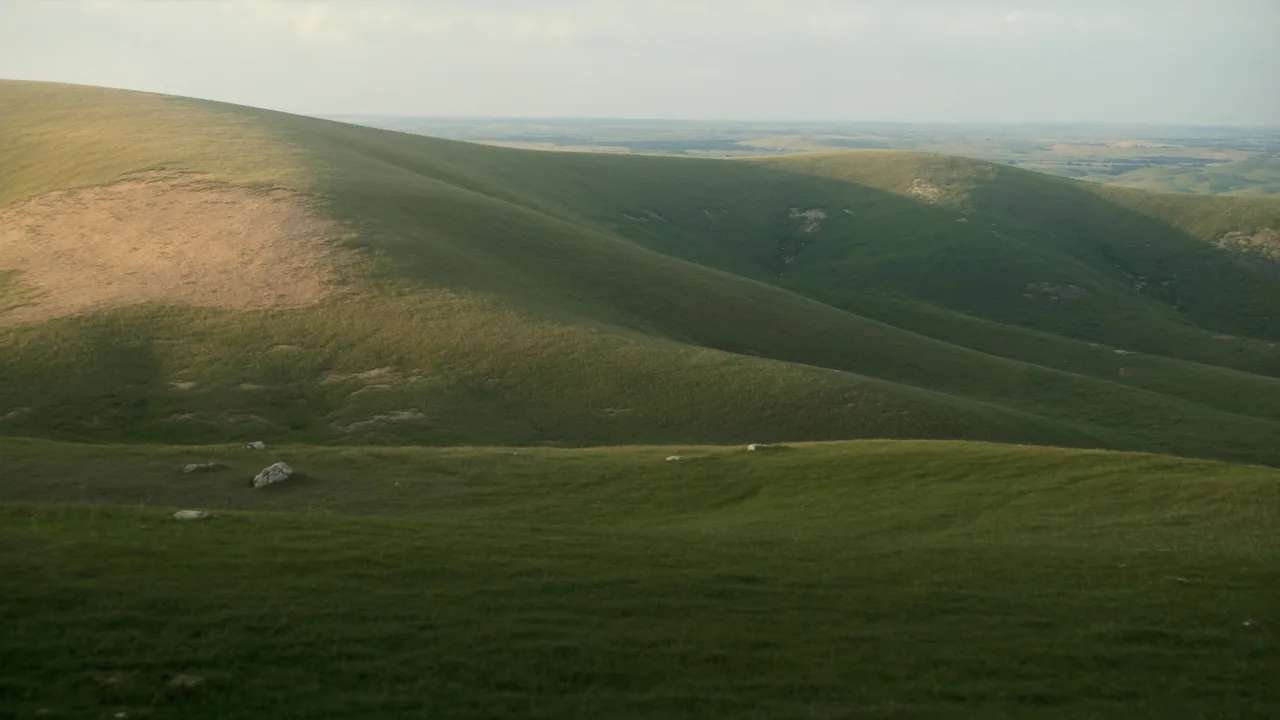
#vanlife field guide · Kansas
Van Rentals in Kansas — Cimarron Grassland, Flint Hills, Reservoirs
Kansas has exactly one piece of federal forest-service land, and it is a grassland: 108,000 acres of Cimarron in the far southwest corner, where dispersed camping is legal and the sky at night is as dark as anywhere in the central US. The rest of the state runs on Corps reservoirs and the Flint Hills.
Where vans go
Public lands & camping in Kansas

Cimarron National Grassland (Elkhart)
108,000 acres — the largest tract of public land in Kansas, dispersed camping permitted, Santa Fe Trail ruts still visible.
Tallgrass Prairie National Preserve (Strong City)
11,000 acres of unplowed tallgrass with a bison herd; day use and backcountry hiking, no vehicle camping.
Flint Hills Scenic Byway (K-177)
Fifty miles of open prairie ridge between Council Grove and Cassoday — the best van road in Kansas.
Milford + Tuttle Creek Corps reservoirs
Corps of Engineers campgrounds ring both lakes; large sites, boat ramps, and real facilities.
Wilson State Park (Lucas)
Rock-basin reservoir with the clearest water in the state and bluff-top campsites.
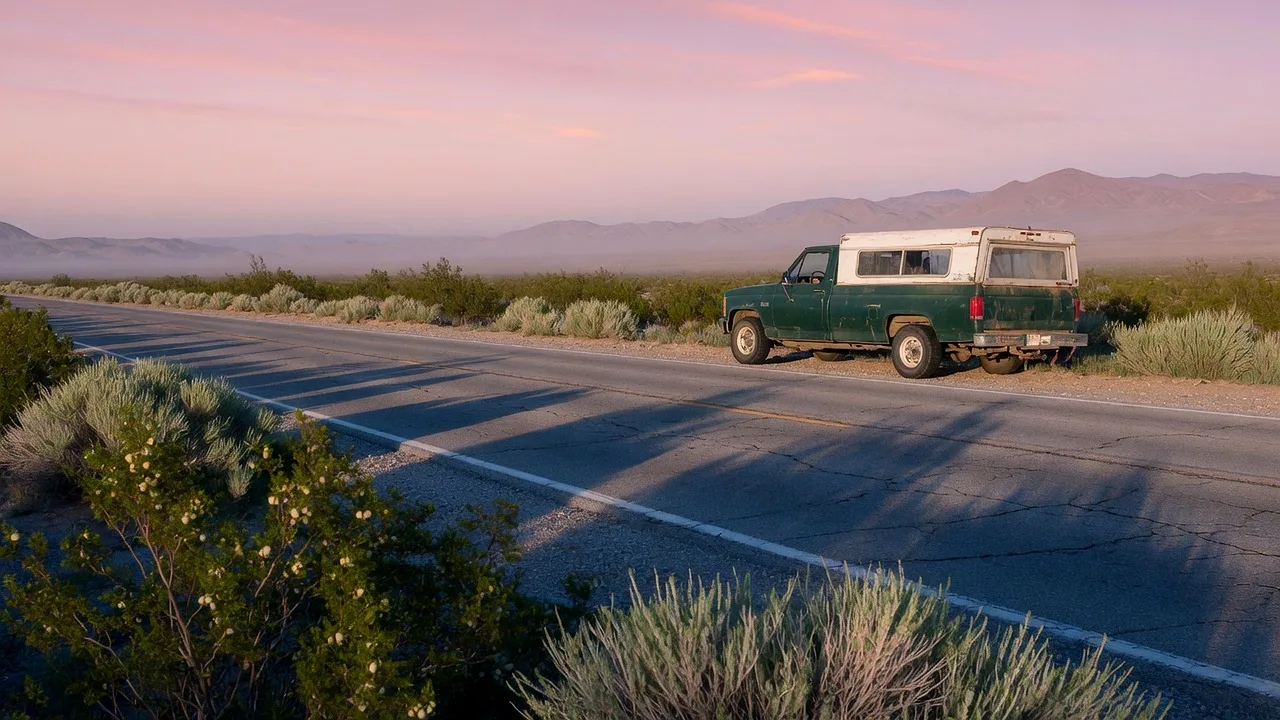
Best season · Kansas
April-June and September-October. Peak: prairie burns in April, tallgrass at full height in September. Summer is hot with no shade.
The legal picture
Kansas camping rules

Cimarron National Grassland permits dispersed camping — the only meaningful boondocking in Kansas.
Kansas state parks require a vehicle park permit in addition to the camping fee, and it is checked at the gate.
Corps of Engineers campgrounds around Milford, Tuttle Creek, Perry and Clinton are the state's densest van network.
Wildlife areas administered by KDWP generally prohibit overnight camping unless the specific area posts otherwise.
Kansas has no shade on most public land — a van without effective ventilation is a bad plan from June through August.
PickRV first-hand
What the land agencies don't tell you about Kansas
Context the official pages skip — from time on these roads, not from a brochure.
Cimarron National Grassland is a certified-dark-sky quality night that almost nobody drives to — the nearest traffic is the Oklahoma panhandle.
Sustained crosswinds of 25 to 30 mph on I-70 make a high-roof van genuinely tiring to drive; westbound afternoons are the worst of it.
The Flint Hills are the last large stand of tallgrass prairie on earth because the limestone under them defeated the plow — the burn season in late March and April fills the sky with smoke and is a spectacle in itself.
Corps campgrounds along the reservoirs are usually cheaper and less booked than the adjacent state parks, and the sites are bigger.
Kansas is the geographic center of the lower 48, which makes it the practical overnight for a cross-country van run — plan it as a genuine stop rather than a slog.
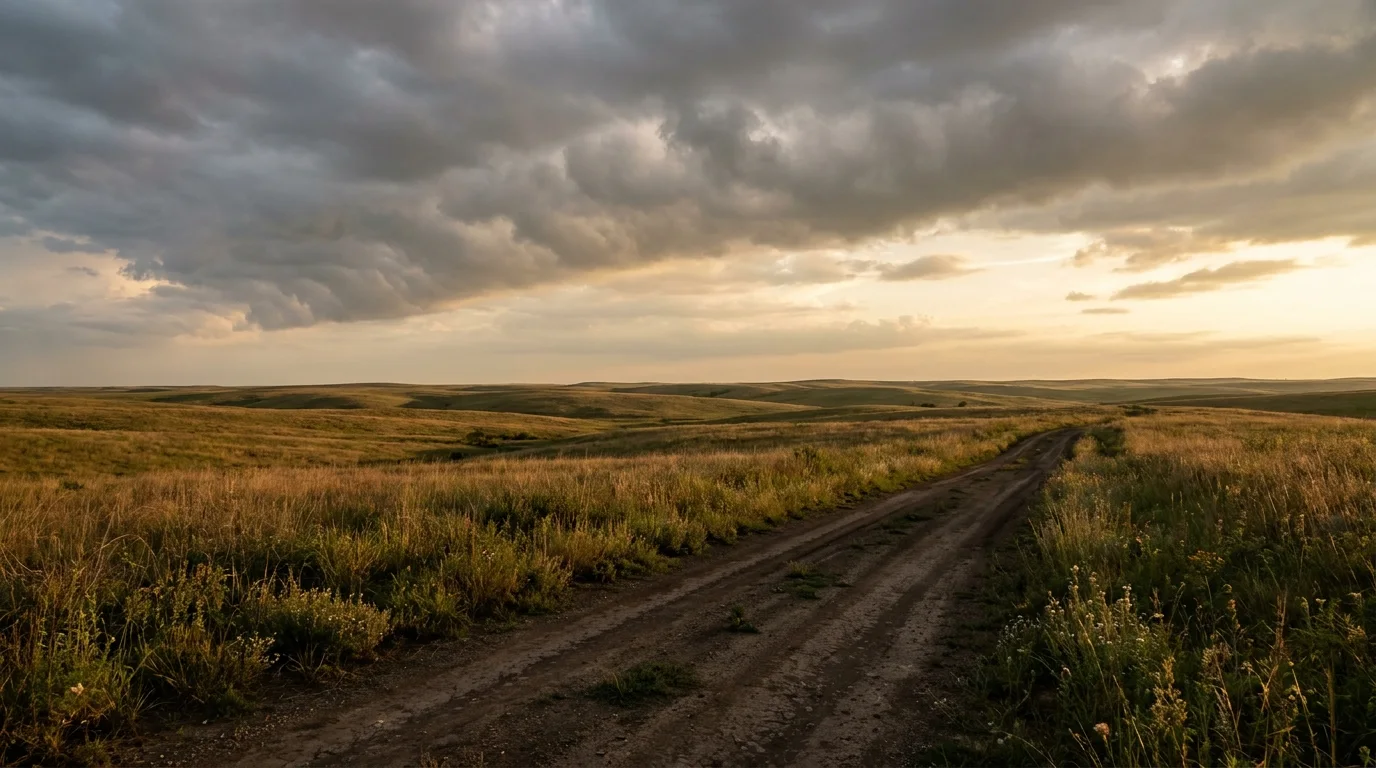
Looking for a rig in Kansas?
Add your email and we'll send you Kansas listings from local owners as they match — one email when it counts, no spam.
Kansas van coverage stages from the Kansas City metro, Wichita and the Manhattan-Junction City corridor. Western Kansas listings are sparse.
Straight answers
Kansas van rental FAQ

Can I boondock in Kansas?
On the Cimarron National Grassland, yes. Elsewhere plan on state park, Corps of Engineers or county campgrounds — Kansas has very little other public land.
Is the wind really a problem for a van?
It is a real factor. Sustained 25-30 mph crosswinds across the western half of the state are ordinary, and a high-roof van feels every bit of it on I-70.
Kansas rules · last verified 2026-05-10
- State rental tax
- 7% · not collected by PickRV
- Min driver age
- 21+ std · 25+ Class A
- Gravel roads
- Allowed — disclosure required
- Generator quiet
- 22:00-07:00
Keep planning
More PickRV in Kansas

Prefer the map? Open Kansas vans in search.