What 'boondocking' actually means
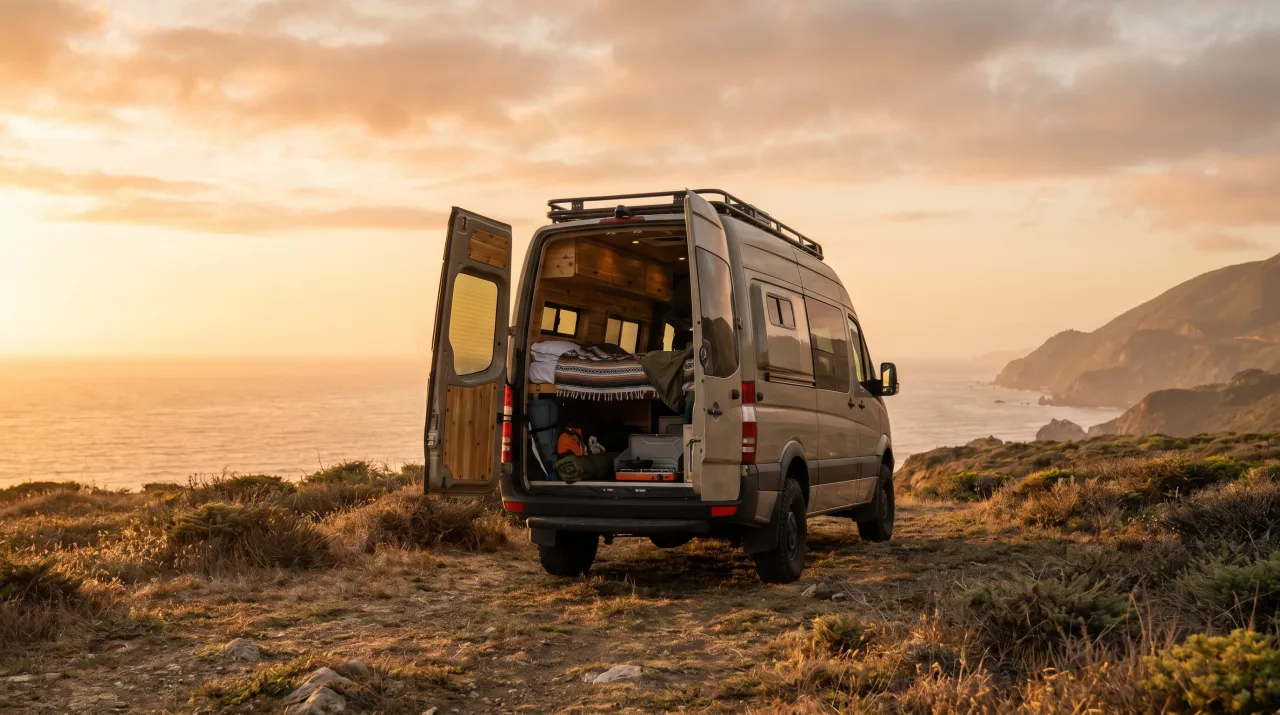
Boondocking (also called 'dispersed camping' or 'dry camping') is camping outside of designated campgrounds, typically on federal public land (BLM, US Forest Service) or sometimes on private land with permission. The defining features: no hookups, no fees in most cases, often a 14-day stay limit, leave-no-trace.
It is NOT urban stealth camping (sleeping at Walmart, on city streets, at a truck stop). Stealth camping has its own rules (covered in a separate guide) and is often a gray area legally.
BLM dispersed camping — the gold standard
The Bureau of Land Management manages 245 million acres, primarily in the West. Most BLM land allows free dispersed camping for up to 14 days within any 28-day period. Stay sites must be at least 1 mile from a developed campground.
BLM travel-management plans vary by district — some districts restrict camping to designated dispersed sites; others allow camping anywhere off-road. Always check the local BLM field office website before camping for the first time in a new district.
BLM 'land status' map: https://www.blm.gov/maps shows what land is BLM (often colored yellow) vs Forest Service, State, or private.
#vanlife field note
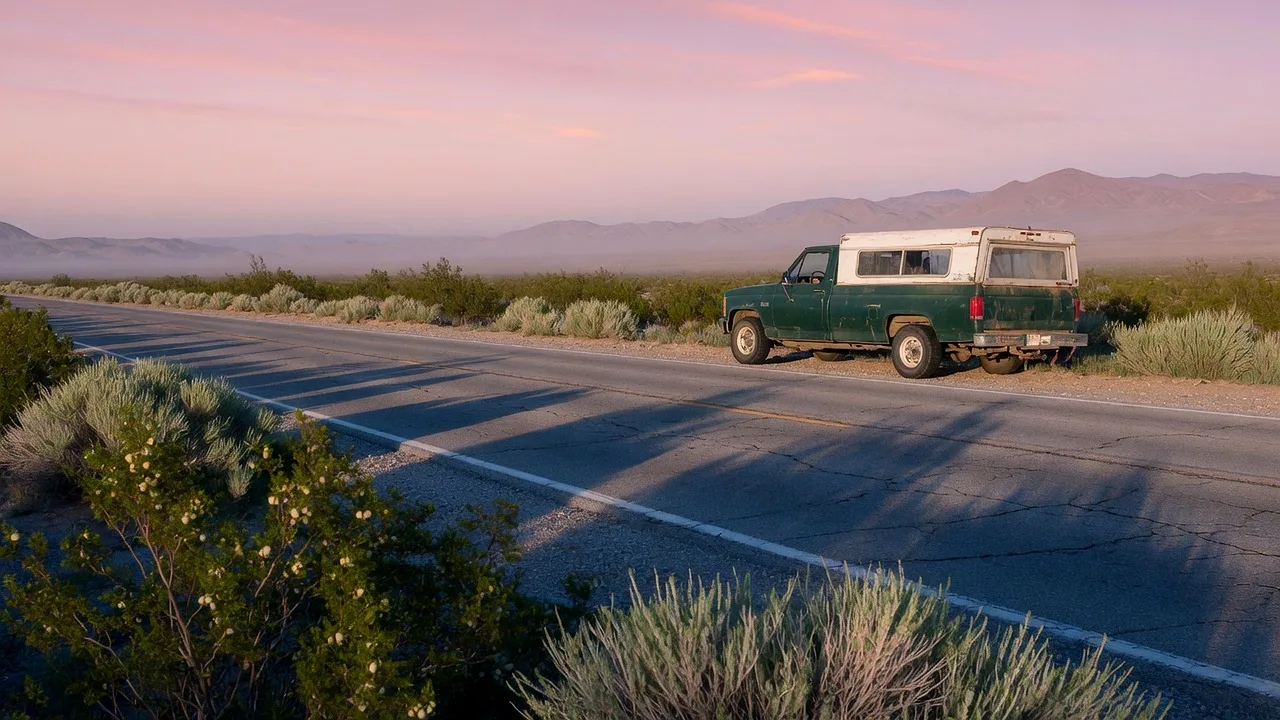
First-time van renter wants to know where they can legally sleep without paying for a campsite.
USFS dispersed camping — slightly different rules
US Forest Service land (193 million acres) generally allows dispersed camping but with more variation than BLM. National Forests in the Rockies (Colorado, Wyoming, Montana) tend to be very permissive. National Forests in the East (Appalachian, Allegheny) often restrict camping to designated sites.
USFS travel maps (Motor Vehicle Use Maps / MVUMs) show which roads allow camping and which prohibit it. Free to download from each forest's website.
Stay limits are commonly 14 days at a single site within a 30-day period. After that, you must move at least 5 miles.
What boondocking does NOT include
National Park Service land — almost never allows dispersed camping. Most NPS land requires designated campgrounds (paid, reservation-based).
State Parks — almost never. State Park camping requires designated sites.
Wilderness Areas (federally designated) — backpacking only. Vehicle camping prohibited.
Private land — only with explicit owner permission. 'Looks empty' is not permission.
First-time boondocking practical checklist

Carry 5-7 days of water (1 gallon per person per day minimum). Confirm fresh water and gray-water tank capacity before leaving the marina.
Carry InReach or similar satellite messenger for emergencies — cell coverage at most BLM sites is non-existent.
Plan refueling. Diesel + DEF + gas + propane all have limited availability on remote roads.
Practice leave-no-trace. Pack out trash. Dump gray and black water only at approved RV dump stations.