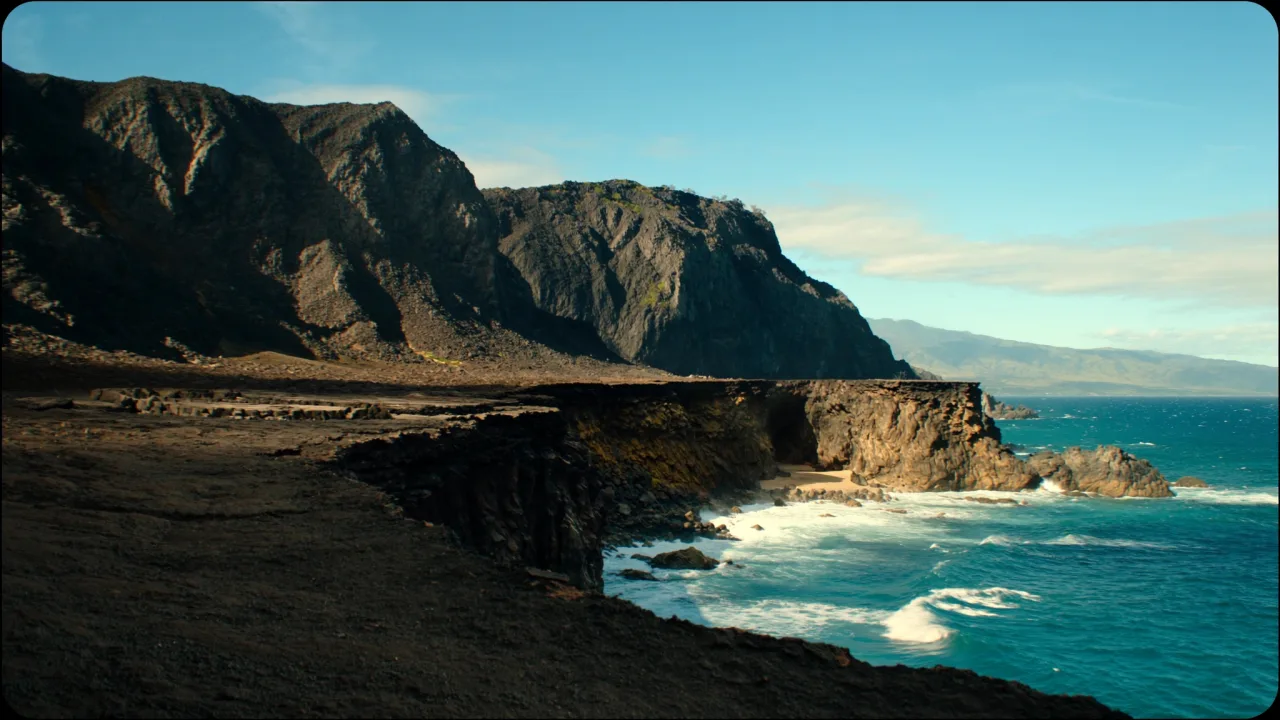
#vanlife field guide · Hawaii
Van Rentals in Hawaii — Permits, Parks & Island Rules
Hawaii is the strictest van state in the country and the most rewarding if you plan for it. There is no freedom camping anywhere in the islands: every legal night is a permitted site, most county beach parks close one or two nights a week, and sleeping in a parked vehicle outside a permitted site is prohibited.
Where vans go
Public lands & camping in Hawaii

Hawaii Volcanoes National Park (Big Island)
Namakanipaio and Kulanaokuaiki campgrounds; Kilauea activity can close sections without notice.
Haleakala National Park (Maui)
Hosmer Grove at 6,800 feet — cold, and the summit sunrise slot requires a separate advance reservation.
Waianapanapa State Park (Hana, Maui)
Black-sand coast with cabins and campsites; entry and parking require an advance reservation for non-residents.
Kokee + Waimea Canyon State Parks (Kauai)
3,600 feet above the canyon — permitted campground, cool nights, and the Kalalau lookout.
Polihale State Park (Kauai)
The west-end beach at the foot of Na Pali; the access road is unpaved and rough enough that most rental agreements exclude it.
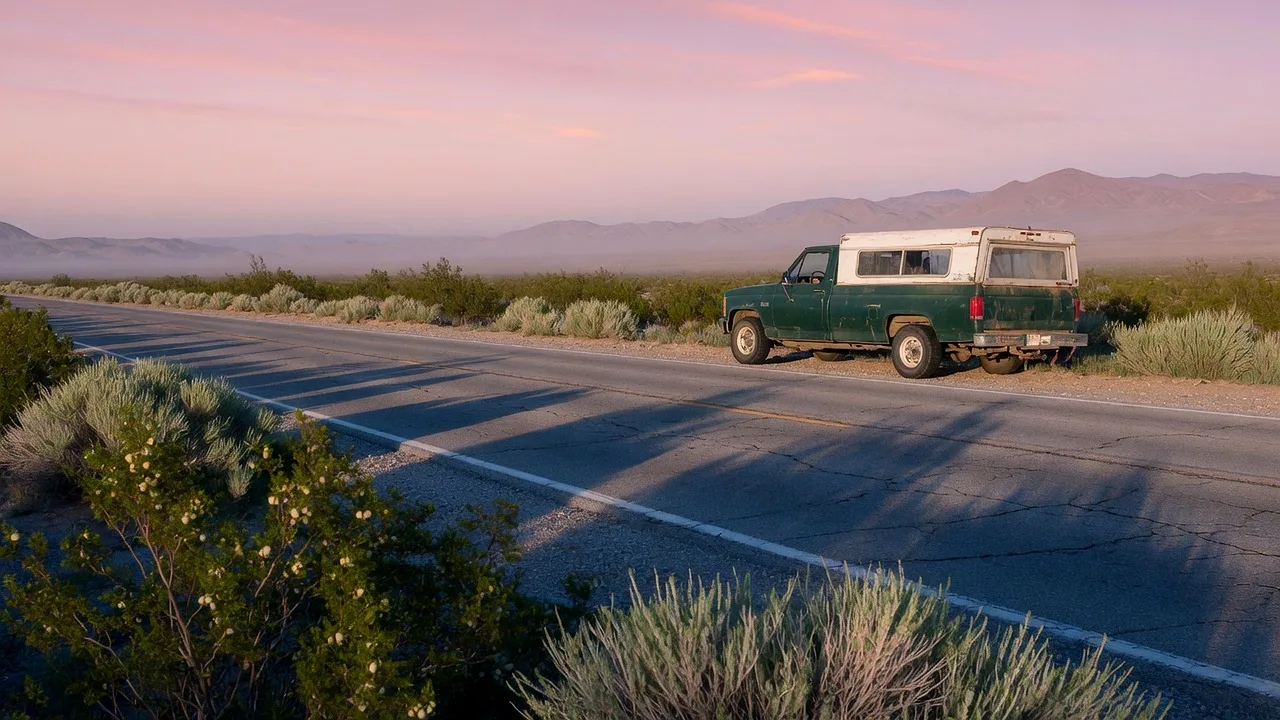
Best season · Hawaii
Year-round. April-May and September-October have the best weather-to-crowd ratio. Winter brings north-shore surf and heavier rain windward.
The legal picture
Hawaii camping rules

There is no dispersed or freedom camping anywhere in Hawaii — state, county and federal land all require a permitted designated site.
State park camping permits are booked online in advance and are checked; walk-up availability is rare.
County beach parks issue their own separate permits and many close for one or two nights each week for maintenance.
Sleeping in a vehicle outside a permitted campsite is prohibited statewide and enforced in beach and harbor lots.
Vehicles cannot move between islands — there is no inter-island vehicle ferry, so each island is booked separately.
PickRV first-hand
What the land agencies don't tell you about Hawaii
Context the official pages skip — from time on these roads, not from a brochure.
Waianapanapa now requires a timed entry reservation for non-residents, which quietly fixed the Road to Hana parking chaos and catches unprepared drivers daily.
Haleakala's summit sunrise needs a reservation booked separately from any camping permit, and Hosmer Grove at 6,800 feet drops into the 40s overnight — people arrive dressed for a beach.
The Polihale access road and the Mauna Kea summit road are the two places nearly every rental agreement in the state explicitly excludes; taking them voids coverage.
Volcanoes National Park is the one place where 'check conditions today' is literal — vog, eruption activity and gas advisories change which areas are open hour to hour.
Kokee at 3,600 feet is genuinely cold and wet on Kauai's wettest flank; a Hawaii trip that includes it needs sleeping gear nobody packs for Hawaii.
Looking for a rig in Hawaii?
Add your email and we'll send you Hawaii listings from local owners as they match — one email when it counts, no spam.
Hawaii van coverage is concentrated on the Big Island and Maui, with a smaller Kauai presence. Oahu listings exist but the island's parking rules make it the least van-suited of the four.
Straight answers
Hawaii van rental FAQ

Can I just park and sleep in Hawaii?
No. Sleeping in a vehicle outside a permitted campsite is prohibited, and beach and harbor lots are patrolled. Every night needs a state or county permit.
Can I take the van to another island?
No. There is no inter-island vehicle ferry. Each island is a separate booking, and inter-island flights carry people, not vans.
Hawaii rules · last verified 2026-05-10
- State rental tax
- 7% · not collected by PickRV
- Min driver age
- 21+ std · 25+ Class A
- Gravel roads
- Varies by rig — verify with your host
- Generator quiet
- 22:00-07:00
Keep planning
More PickRV in Hawaii

Prefer the map? Open Hawaii vans in search.