Vermont field viewing guide
Raccoon in Vermont — where & when to see them by RV
Procyon lotor
Raccoons are active year-round, often denning in trees or hollows.
3peak months
2prime spots

Natural history
About the Raccoon
When is the best time to see the Raccoon in Vermont?
Peak viewing for the Raccoon in Vermont is Jan · Feb · Mar. The most reliable RV-accessible spots: Green Mountain National Forest, Groton State Forest.
Raccoons are nocturnal foragers with dexterous paws, often raiding human food sources. In winter, they rely on fat reserves and may den communally in hollow trees or abandoned structures.
Where to look
Conservation status
See the Raccoon up close
When to watch
The best months to see the raccoon
Wildlife runs on a calendar. Here is the window when sightings peak in Vermont — plan your trip around the lit months, then check the local refuge or park report before you go.
Best months
Jan · Feb · Mar
Best viewed at dawn or dusk near forest edges or water sources; check local wildlife reports for active dens.
Plan the trip
Base your Vermont RV trip
Good to know
Common questions
Do raccoons hibernate?
Raccoons do not truly hibernate but become less active in winter, denning for extended periods during severe weather.
What do raccoons eat in winter?
They consume stored fat, nuts, seeds, and any available food, including human garbage.
Make it a trip
Rent an RV in Vermont
The rigs here are owned by local hosts. Browse what fits your route, or reach Vermont owners directly.
Browse Vermont rigsWhat fits this trip
More Vermont wildlife

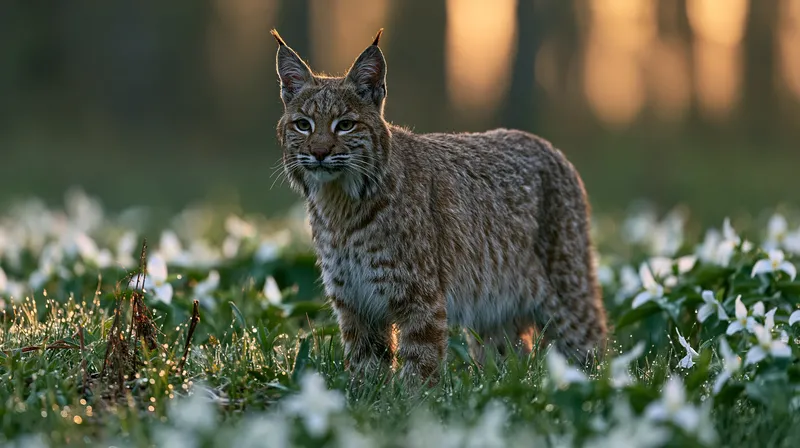
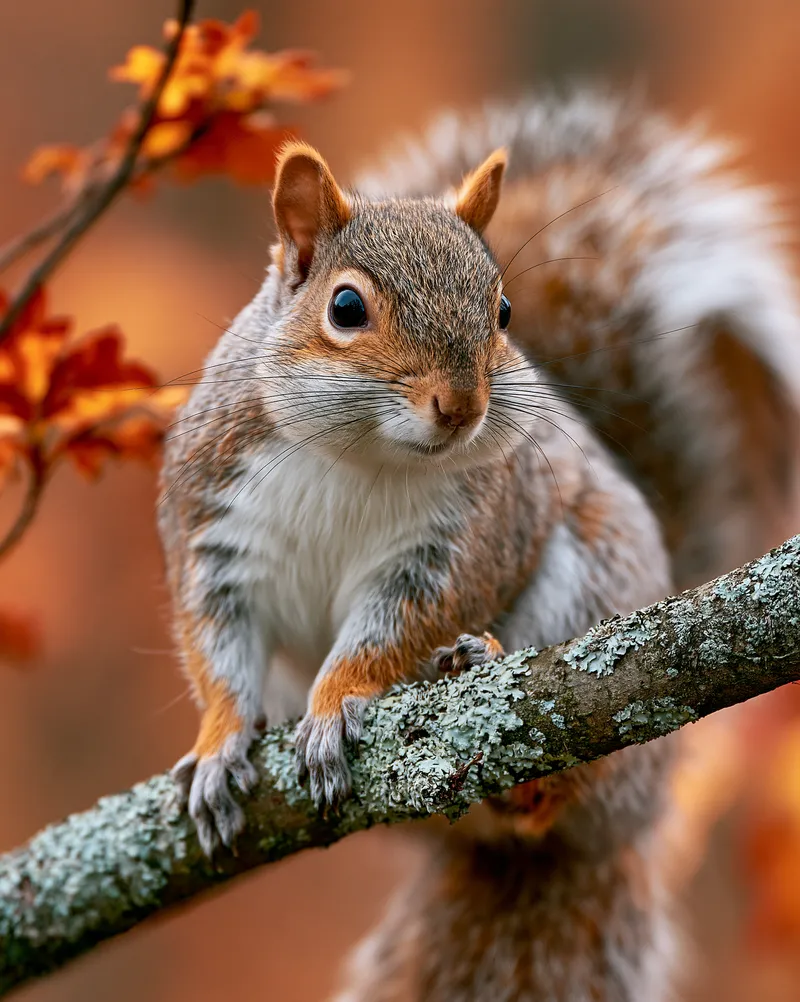
Explore next
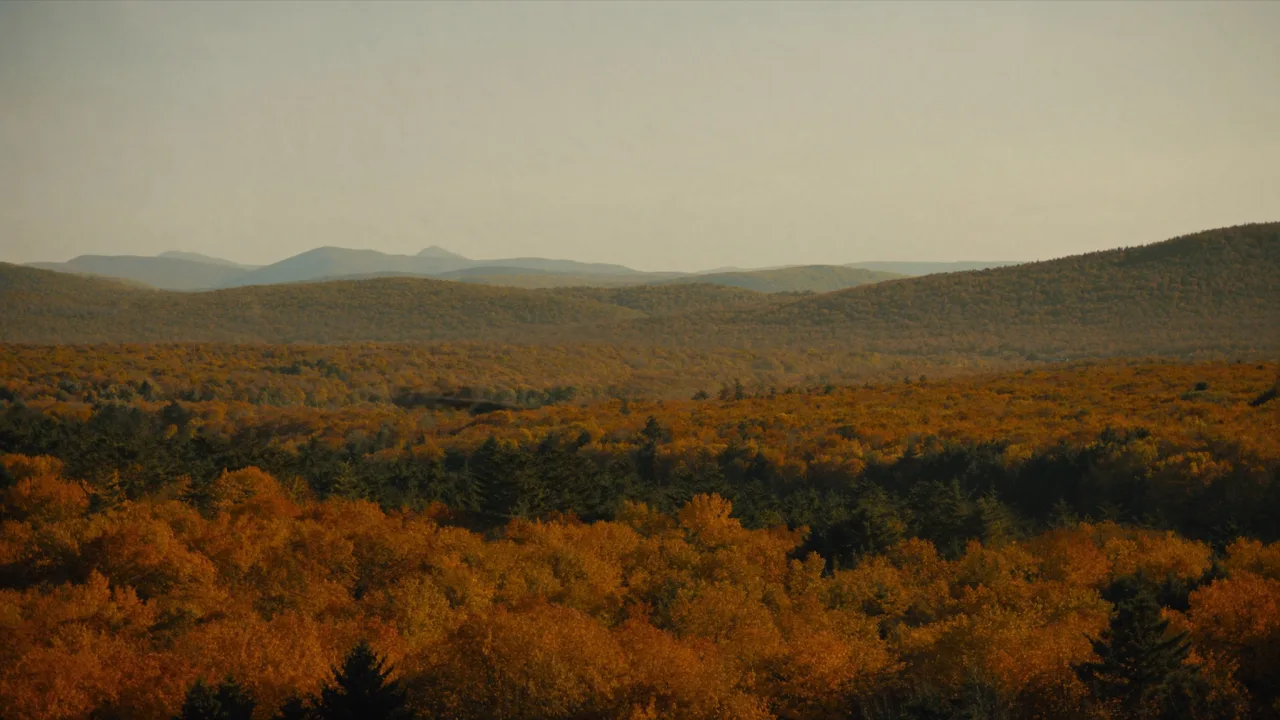
Nearby & related
Keep planning Vermont
Sourced costs, campground directories, and the places worth a detour — the next layer of Vermont trip planning.
- Vermont RV rental costFuel · camping · tax, sourced
- Vermont RV-friendly campgroundsHookups, rig limits, booking tips
- Campervan & van rentals in VermontVan-life routes, rules & rigs
- Petroglyph sitesAncient rock-art stops
- Wild-horse rangesMustang-range guides
- BLM landsDispersed-camping country
- Deep trip guidesLong-form seasonal playbooks