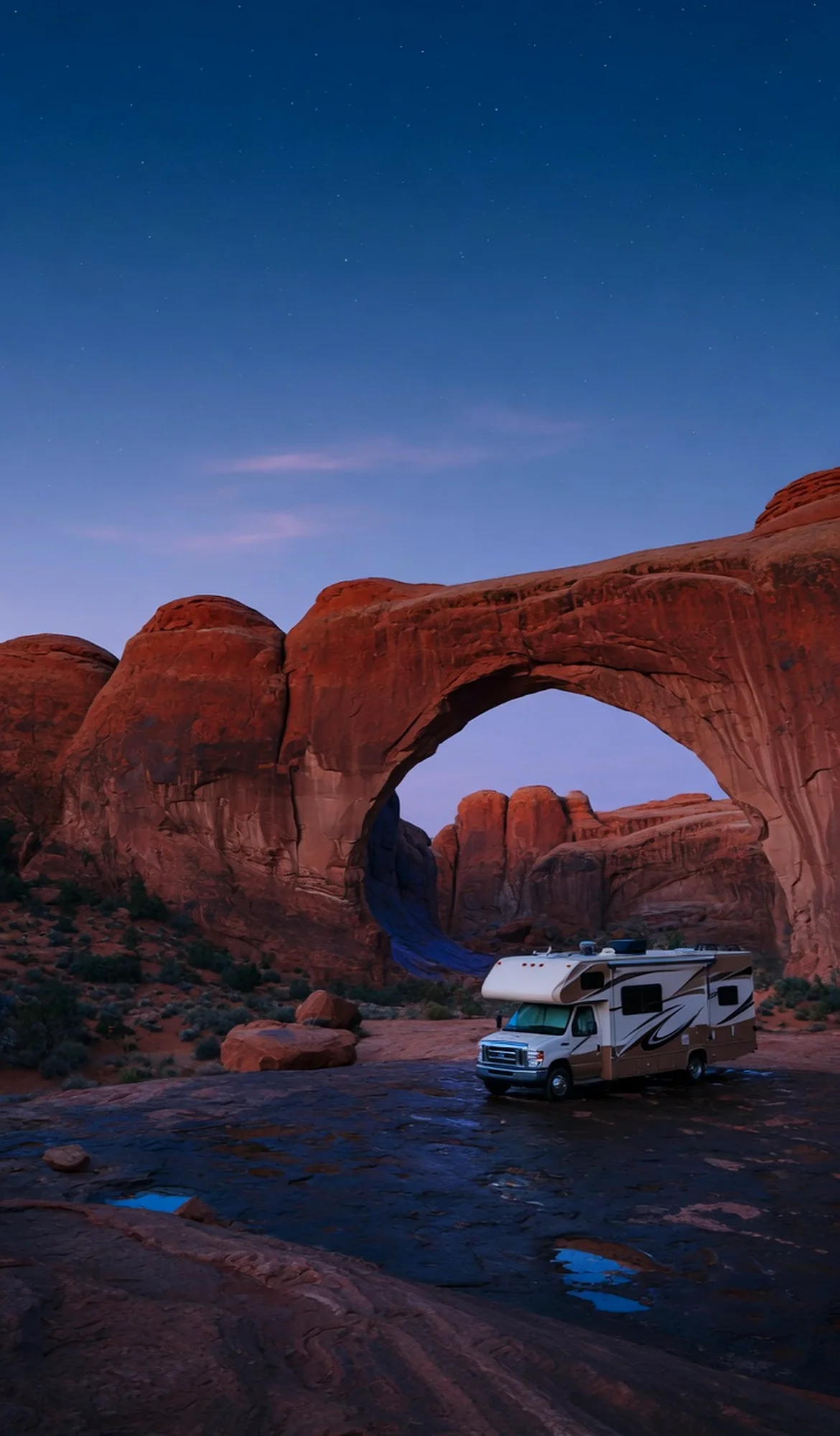
Bear River Migratory Bird Refuge covers 80,000 acres of northern Utah, where the Bear River flows into the Great Salt Lake. Managed by the U.S. Fish & Wildlife Service, it protects a mix of marsh, open water, uplands, and mudflats. More than 250 bird species have been recorded here, with roughly 67 species nesting on the refuge — American avocets, black-necked stilts, white-faced ibis, and tundra swans among them. You don't need a life list to enjoy it; this is one of the West's most important avian habitats, and it shows.
What makes Bear River Migratory Bird Refuge a must-visit for birdwatchers?
More than 250 bird species have been recorded on its 80,000 acres of marsh and open water, and roughly 67 species nest here. Where the Bear River meets the Great Salt Lake, the habitat suits shorebirds and waterfowl alike.
- Over 250 bird species recorded, including American avocets, black-necked stilts, and tundra swans
- Roughly 67 species nest on the refuge each year
- Spans 80,000 acres of marsh, open water, uplands, and mudflats
Managing agency
U.S. Fish & Wildlife Service (National Wildlife Refuge System)
Location
Northern Utah near Brigham City, where the Bear River meets the Great Salt Lake
Signature wildlife
Over 250 bird species (American avocets, black-necked stilts, white-faced ibis, tundra swans); ~67 species nest on the refuge
Size
Approximately 80,000 acres of marsh, open water, uplands and mudflats
Bear River Migratory Bird Refuge is an 80,000-acre sanctuary managed by the U.S. Fish & Wildlife Service in northern Utah. Located where the Bear River flows into the Great Salt Lake, it provides critical habitat for a wide variety of bird species. This refuge safeguards a diverse landscape encompassing marsh, open water, uplands, and mudflats—an important area for avian populations.
RV travelers to the refuge primarily engage in wildlife viewing and photography. The landscape supports over 250 documented bird species including American avocets, black-necked stilts, white-faced ibis, and tundra swans. Opportunities exist to observe nesting birds as roughly 67 species breed on site. Driving tours and walking trails offer access to different habitats.
The best times to visit are spring and fall when peak bird migrations occur. Summer provides views of resident shorebirds, while winter draws bald eagles and various waterfowl. Conditions vary seasonally; planning a trip allows for observation of diverse avian activity throughout the year. The refuge is open year-round providing consistent access.
A basecamp near Brigham City keeps the refuge close and your schedule flexible. From there it is easy to give the birds a full morning and still have the afternoon free.
Field timing · when to go
The seasons worth planning around
Wildlife makes this refuge worth the detour — and timing is everything. Here is the window the record calls out, with the peak seasons it names lit up.
- Winter Peak season
- Spring Peak season
- Summer Peak season
- Fall Peak season
Peak timing
Spring and fall for peak bird migrations; summer for resident shorebirds; winter for bald eagles and waterfowl
Official sources
- U.S. Fish & Wildlife Service — Bear River Migratory Bird Refuge Government source
Nearby & related
Keep planning Utah
Sourced costs, campground directories, and the places worth a detour — the next layer of Utah trip planning.
- Utah RV rental costFuel · camping · tax, sourced
- Utah RV-friendly campgroundsHookups, rig limits, booking tips
- Campervan & van rentals in UtahVan-life routes, rules & rigs
- RV rentals in UtahPickRV Wiki · 6 min read
- Utah Mighty 5PickRV Wiki · 15 min read
- Fossil sitesDeep-time road stops
- Petroglyph sitesAncient rock-art stops
- Wild-horse rangesMustang-range guides
Planning an RV trip near Bear River Migratory Bird Refuge?
Was this guide helpful?