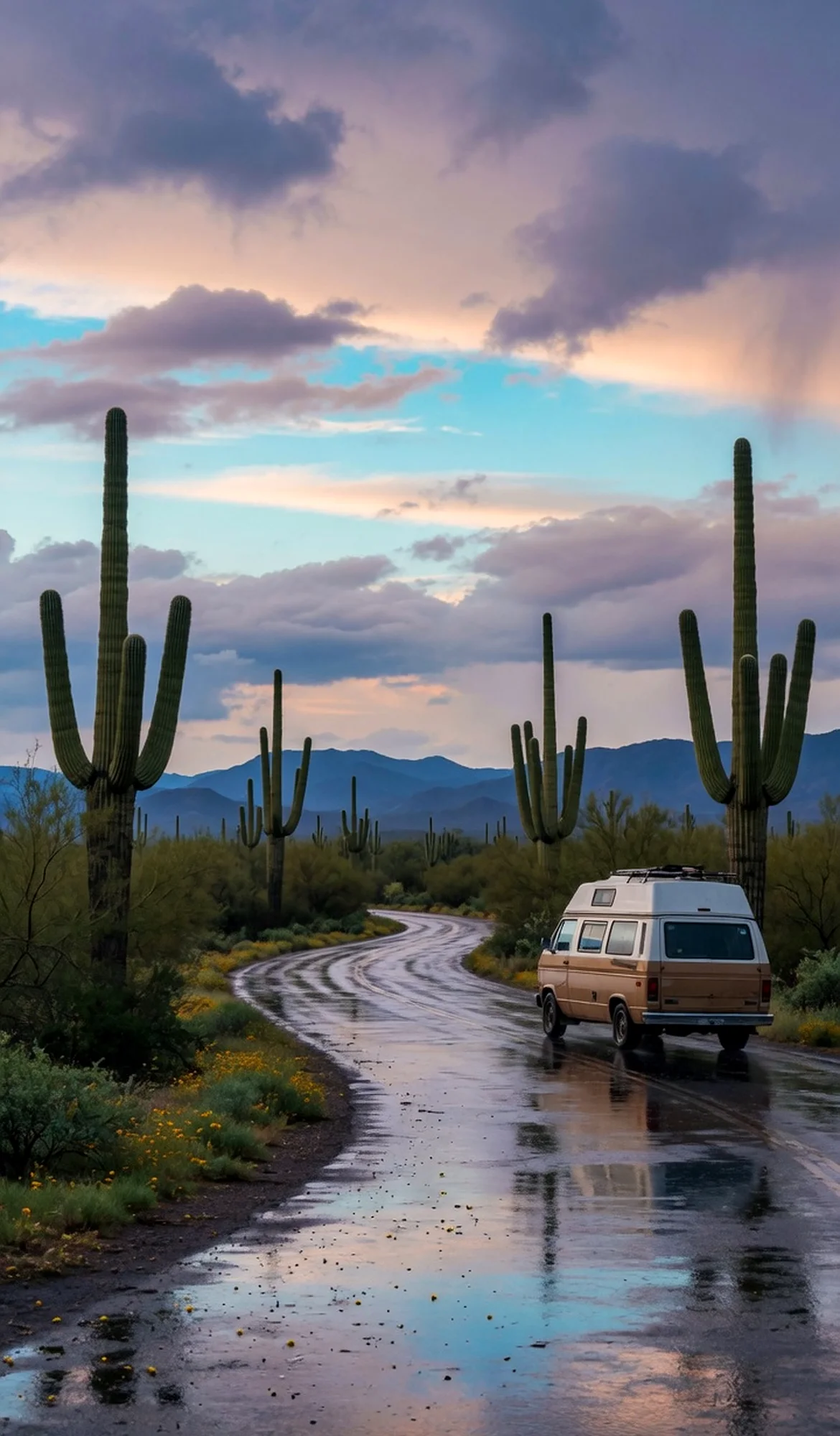
Step onto a landscape shaped by fire just a thousand years ago. Sunset Crater Volcano National Monument, managed by the National Park Service near Flagstaff, Arizona, protects the dramatic cinder cone and lava flows from Arizona's most recent volcanic eruption, which occurred around 1085 CE. Today, the black, rocky terrain tells a vivid story of destruction and rebirth, as hardy plants and animals slowly reclaim the land. This living volcanic monument offers a rare glimpse into the raw power of geology and the patient process of ecological recovery.
Best season — Spring and fall offer mild weather for hiking; summer afternoons can be hot, winter may bring snow.
What makes Sunset Crater Volcano National Monument unique?
It protects the landscape created by Arizona's most recent volcanic eruption, around 1085 CE, and showcases the ongoing ecological recovery of a cinder cone and lava flows.
- A 1,000-year-old cinder cone formed during Arizona's last volcanic eruption.
- Vast lava flows and spatter cones remain remarkably preserved.
- The monument highlights the slow return of plant and animal life to a volcanic landscape.
At a glance
The facts worth checking before you roll out
Conservative, source-minded facts for planning your visit — always worth confirming against current conditions before you travel.
Managing agency
National Park Service (U.S. Department of the Interior)
Defining feature
A volcanic cinder cone and surrounding lava flows in the San Francisco Volcanic Field, northern Arizona
What it protects
The landscape created by Arizona's most recent volcanic eruption (~1,000 years ago, c. 1085 CE) and its ongoing ecological recovery
Location
Near Flagstaff, Arizona (6400 U.S. 89, Flagstaff, AZ 86004)
On the ground
Sunset Crater Volcano National Monument protects a landscape dramatically shaped by volcanic activity around 1085 CE. Managed by the National Park Service near Flagstaff, Arizona, it preserves the cinder cone and lava flows of this recent eruption. The monument’s significance lies in showcasing both destructive forces and the subsequent slow process of ecological recovery over approximately one thousand years.
RV travelers to Sunset Crater Volcano can explore the preserved lava fields and observe how plant life is gradually returning to the volcanic terrain. The area offers opportunities to view spatter cones and evidence of past lava tubes, providing a unique look at geological features. Visitors experience an ongoing story of natural recovery within this striking landscape.
Spring and fall seasons generally provide comfortable weather for outdoor exploration at Sunset Crater Volcano. Summer afternoons can be quite warm, while winter months may bring snowfall to the area. Planning a visit during these shoulder seasons allows for enjoyable hiking and observation of the recovering ecosystem without extreme temperatures.
Consider establishing a basecamp in the general Flagstaff vicinity before venturing to Sunset Crater Volcano National Monument. This offers flexibility to explore other nearby attractions alongside your volcanic exploration. From this location, it’s possible to make a day trip to experience the monument's unique geological features and ongoing ecological story.
Official sources
- National Park Service — Sunset Crater Volcano National Monument National Park Service
Nearby & related
Keep planning Arizona
Sourced costs, campground directories, and the places worth a detour — the next layer of Arizona trip planning.
- Arizona RV rental costFuel · camping · tax, sourced
- Arizona RV-friendly campgroundsHookups, rig limits, booking tips
- Campervan & van rentals in ArizonaVan-life routes, rules & rigs
- RV rentals in ArizonaPickRV Wiki · 6 min read
- National recreation areasBig-water recreation guides
- Estuary reservesQuiet coastal reserves
- National grasslandsWide-open prairie drives
- RV lifehacksCamp-smarter field tricks
Planning an RV trip near Sunset Crater Volcano National Monument: An RV Traveler's Guide?
Was this guide helpful?