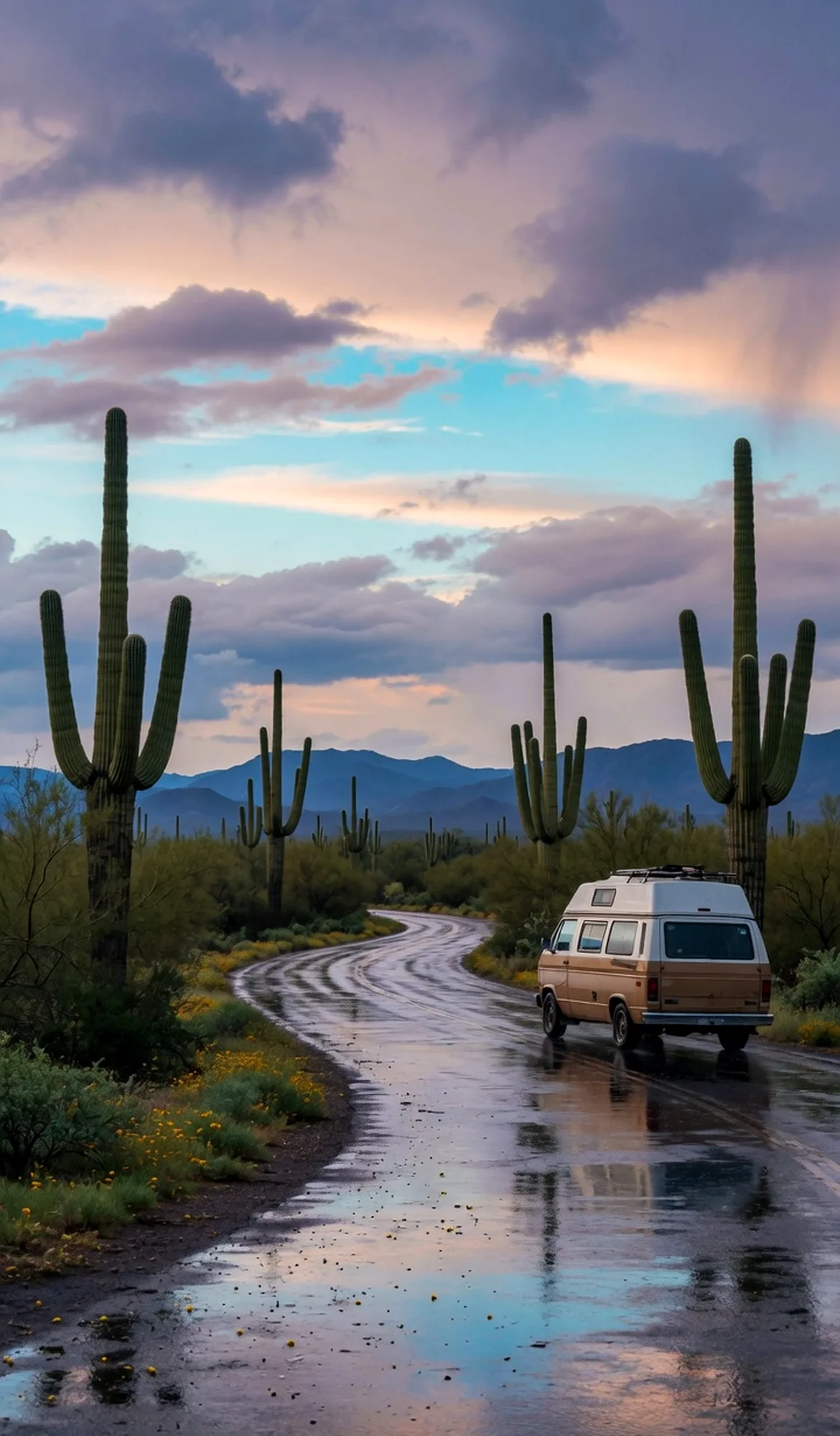
Tonto National Monument protects two intact Salado cliff dwellings, built into natural caves above the Salt River Valley. Built around 700 years ago, the stone-and-mud villages show how people farmed the Tonto Basin. The Lower Cliff Dwelling is an easy walk-in; the Upper Cliff Dwelling is guided-tour only. Both look out over high desert, old stonework, and Roosevelt Lake.
Best season — October through April, when temperatures are mild and ranger‑led tours of the Upper Cliff Dwelling are available.
What are the cliff dwellings at Tonto National Monument?
The monument contains two main dwellings built by the Salado culture in a natural cave system: the Lower Cliff Dwelling (20 rooms, self‑guided) and the Upper Cliff Dwelling (40 rooms, guided‑only). Both were constructed with stone, adobe mortar, and juniper beams around 1300–1450 CE. They provide a rare look at prehistoric agriculture, pottery, and trade networks in the Tonto Basin.
- Lower Cliff Dwelling: 20 rooms, accessible via a short paved trail
- Upper Cliff Dwelling: 40 rooms, reached by a 3‑mile round‑trip ranger‑led hike
- The dwellings offer insight into Salado lifeways, including maize farming and polychrome pottery
At a glance
The facts worth checking before you roll out
Conservative, source-minded facts for planning your visit — always worth confirming against current conditions before you travel.
Managing agency
National Park Service (U.S. Department of the Interior)
State
Arizona
Defining characteristic
Two well-preserved Salado-culture cliff dwellings in the northern Sonoran Desert, occupied roughly 1300-1450 CE in the Tonto Basin
Designation history
Established under the Antiquities Act of 1906 as one of the earliest national monuments
On the ground
Tonto National Monument preserves significant archaeological sites built by the Salado culture around 700 years ago. These cliff dwellings, constructed of stone and mud, provide a tangible connection to people who successfully farmed in the Tonto Basin. Protecting these villages is vital for understanding prehistoric life in the region, offering insights into ancient agriculture, pottery, and trade networks.
RV travelers explore the monument via a paved trail leading directly to the 20-room Lower Cliff Dwelling, allowing self-guided exploration. Accessing the larger 40-room Upper Cliff Dwelling requires participation in a ranger-led hike covering roughly three miles roundtrip. Both experiences offer panoramic views of Roosevelt Lake and the surrounding Mazatzal Mountains, combining cultural history with natural beauty.
The best time for RV travel to Tonto National Monument is October through April. During these months, temperatures are milder, creating more comfortable conditions for outdoor exploration. This timeframe also coincides with the availability of ranger-led tours to the Upper Cliff Dwelling, a key component of experiencing the full scope of this archaeological treasure.
Consider establishing a basecamp in an area offering convenient access to Tonto National Monument while enjoying broader Arizona landscapes. From there, plan a day trip dedicated to exploring both cliff dwellings and soaking in the views. This approach allows RVers to integrate the monument into a larger itinerary with flexibility for other regional attractions.
Official sources
- National Park Service — Tonto National Monument National Park Service
Nearby & related
Keep planning Arizona
Sourced costs, campground directories, and the places worth a detour — the next layer of Arizona trip planning.
- Arizona RV rental costFuel · camping · tax, sourced
- Arizona RV-friendly campgroundsHookups, rig limits, booking tips
- Campervan & van rentals in ArizonaVan-life routes, rules & rigs
- RV rentals in ArizonaPickRV Wiki · 6 min read
- Wild & scenic riversFree-flowing river trips
- BattlefieldsHallowed-ground history stops
- National memorialsMonumental road stops
- RV lifehacksCamp-smarter field tricks
Planning an RV trip near Tonto National Monument: An RV Traveler's Guide?
Was this guide helpful?