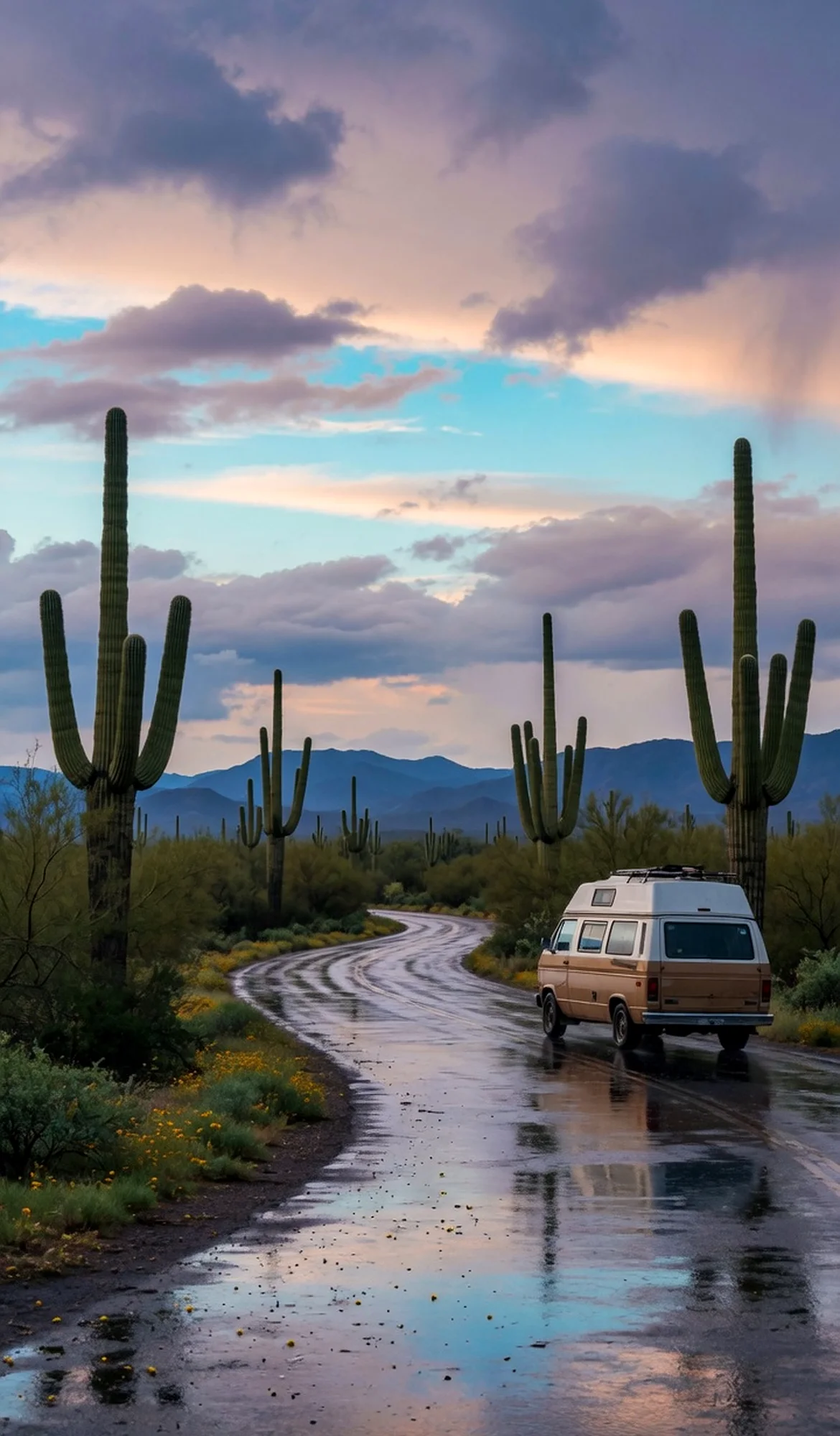
Chiricahua National Monument, tucked away in southeastern Arizona near Willcox, feels like another world. Here, ancient volcanic forces sculpted towering rhyolite pinnacles and delicately balanced rocks that rise from the desert landscape. Often called a 'wonderland of rocks,' this protected area also shelters rich cultural history—from Indigenous peoples and Apaches to Buffalo Soldiers, ranchers, and Civilian Conservation Corps workers. Explore a place where geology and human stories intertwine beneath wide Arizona skies.
Best season — Spring and fall offer mild temperatures and clear skies; summer brings monsoon storms, winter can have snow at higher elevations.
What is Chiricahua National Monument known for?
Chiricahua National Monument is known for its towering rhyolite pinnacles and balanced rocks, sculpted by ancient volcanic forces. Beyond geology, it protects diverse wildlife and a rich cultural history that includes Indigenous peoples, Apaches, Buffalo Soldiers, ranchers, and CCC workers.
- Towering rhyolite pinnacles and balanced rocks formed by ancient volcanic forces.
- Diverse wildlife and stunning desert landscapes in southeastern Arizona.
- Cultural layers: Indigenous peoples, Apaches, Buffalo Soldiers, ranchers, and CCC history.
At a glance
The facts worth checking before you roll out
Conservative, source-minded facts for planning your visit — always worth confirming against current conditions before you travel.
Managing agency
National Park Service (U.S. Department of the Interior)
Defining geological feature
Towering rhyolite pinnacles and balanced rocks shaped by ancient volcanic forces
What it protects
Volcanic rock formations, diverse wildlife, and cultural history (Indigenous peoples, Apaches, Buffalo Soldiers, ranchers, Civilian Conservation Corps)
Location
Southeastern Arizona (near Willcox, AZ)
On the ground
Chiricahua National Monument, located in southeastern Arizona near Willcox, preserves a unique landscape shaped by ancient volcanic activity. Towering rhyolite pinnacles and balanced rocks define the area, offering visitors a glimpse into geological forces at work over millennia. The monument also safeguards important cultural history tied to Indigenous peoples, Apaches, Buffalo Soldiers, ranchers, and Civilian Conservation Corps workers.
RV travelers explore Chiricahua by driving the scenic road through the heart of the rock formations. Opportunities exist to stop at viewpoints, hike among the pinnacles, and learn about the area’s diverse natural and cultural resources. The monument protects wildlife alongside its geological features, providing a setting for quiet observation and appreciation of the Arizona landscape.
The best times to visit Chiricahua are spring and fall when temperatures are mild and skies clear. Summer months can bring monsoon storms, potentially impacting travel within the monument. Winter may see snow at higher elevations, altering road conditions and hiking accessibility. Planning a trip with these seasonal changes in mind is important for RV travelers.
Consider establishing a basecamp in the general vicinity of Willcox to explore Chiricahua National Monument. This allows flexibility for day trips into the park while providing access to services needed by RVs. From this location, you can experience the monument’s rock formations and cultural layers at your own pace, returning each evening to comfortable accommodations.
Official sources
- National Park Service — Chiricahua National Monument National Park Service
Nearby & related
Keep planning Arizona
Sourced costs, campground directories, and the places worth a detour — the next layer of Arizona trip planning.
- Arizona RV rental costFuel · camping · tax, sourced
- Arizona RV-friendly campgroundsHookups, rig limits, booking tips
- Campervan & van rentals in ArizonaVan-life routes, rules & rigs
- RV rentals in ArizonaPickRV Wiki · 6 min read
- Historic sitesHistory worth the detour
- Wild & scenic riversFree-flowing river trips
- BattlefieldsHallowed-ground history stops
- Deep trip guidesLong-form seasonal playbooks
Planning an RV trip near Chiricahua National Monument: An RV Traveler's Guide?
Was this guide helpful?