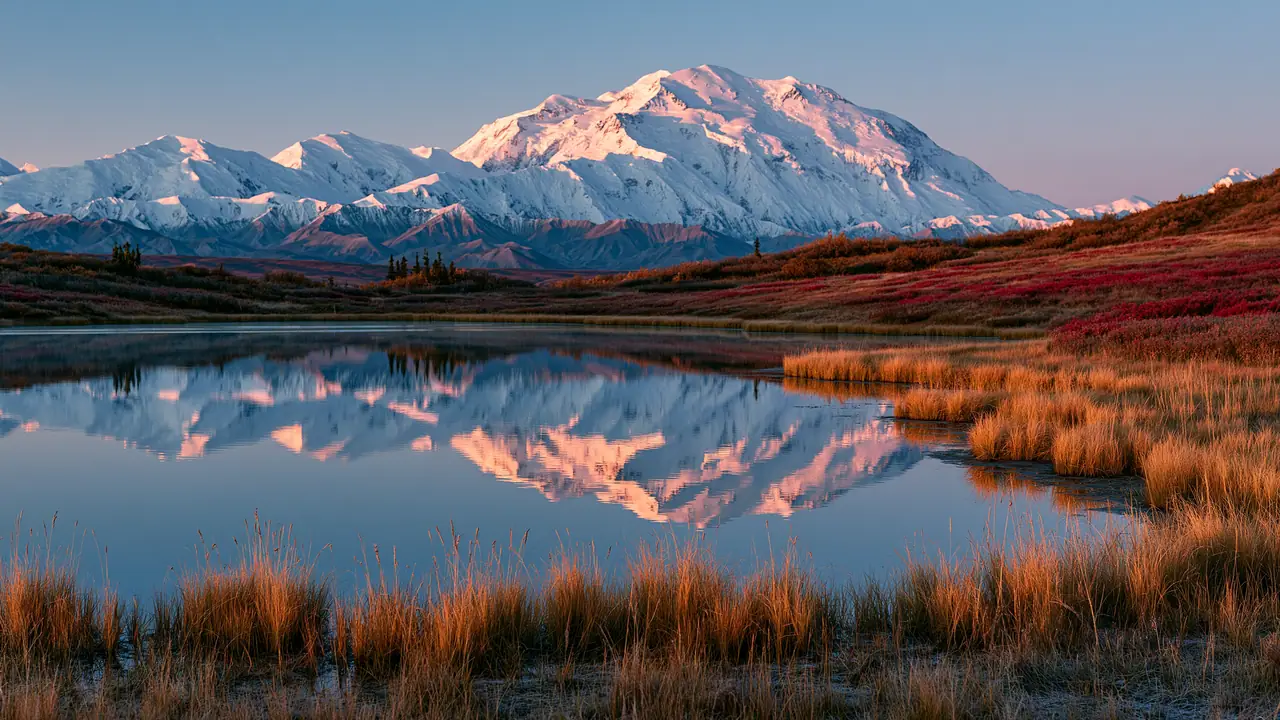
Kachemak Bay National Estuarine Research Reserve protects a pristine subarctic estuary on Alaska's southern Kenai Peninsula, about 150 miles south of Anchorage. Designated in 1999 and spanning approximately 372,000 acres, it is the largest reserve in the NOAA system, with more than 320 miles of shoreline featuring beaches, tidal flats, mud flats, wetlands, and glaciers. Visitors can kayak among tidewater glaciers, watch for whales and sea otters, and stroll through the gateway community's visitor center for exhibits on this dynamic coastal ecosystem.
Best season — Late May to early September offers the warmest weather, peak wildlife activity, and full visitor services. May and September bring fewer crowds and spectacular bird migrations. Winter is dramatic but many services are limited.
What can you do at Kachemak Bay NERR?
Paddle or cruise the bay to witness tidewater glaciers and wildlife such as sea otters, whales, and seabirds. A gateway visitor center features interpretive exhibits on the estuary. Shoreline walks reveal ever-changing tidal flats, beaches, and stunning views of the surrounding mountains.
- Kayak or boat tour to experience tidewater glaciers and marine wildlife.
- Visit the local visitor center for exhibits about the reserve's ecology.
- Walk the shoreline to discover tidal flats, beaches, and mountain scenery.
At a glance
The facts worth checking before you roll out
Conservative, source-minded facts for planning your visit — always worth confirming against current conditions before you travel.
Managing agency
NOAA National Estuarine Research Reserve System; managed locally by the University of Alaska Anchorage Alaska Center for Conservation Science
State / location
Alaska — about 150 miles south of Anchorage on the western coast of the Kenai Peninsula
Designated
1999
Size / defining characteristic
About 372,000 acres; the largest reserve in the system, covering more than 320 miles of shoreline with beaches, tidal flats, mud flats, wetlands, and glaciers
On the ground
Kachemak Bay National Estuarine Research Reserve protects a subarctic estuary on Alaska’s Kenai Peninsula, approximately 150 miles south of Anchorage. Designated as part of the NOAA system, this reserve encompasses roughly 372,000 acres and over 320 miles of shoreline. Its importance lies in preserving a dynamic coastal ecosystem featuring beaches, tidal flats, wetlands, and glaciers.
RV travelers to Kachemak Bay can explore by boat or on foot. Opportunities include witnessing tidewater glaciers and observing marine wildlife like sea otters and whales. A visitor center provides exhibits detailing the reserve’s ecology. Shoreline walks reveal changing tidal patterns, beaches, and views of surrounding mountains.
The period from late May to early September generally offers warmer weather and peak wildlife viewing opportunities within the reserve. These months also provide access to full visitor services. May and September present fewer crowds alongside impressive bird migrations. Winter brings dramatic scenery but with limited service availability.
Base yourself in a nearby community while exploring Kachemak Bay National Estuarine Research Reserve. From this location, plan day trips to experience the diverse coastal environment by boat or foot. The reserve’s vast size allows for varied exploration of its beaches, tidal flats, and glacial features.
Official sources
- NOAA — Kachemak Bay National Estuarine Research Reserve Government source
Nearby & related
Keep planning Alaska
Sourced costs, campground directories, and the places worth a detour — the next layer of Alaska trip planning.
- Alaska RV rental costFuel · camping · tax, sourced
- Alaska RV-friendly campgroundsHookups, rig limits, booking tips
- RV rental companies in AlaskaLocal hosts & outfitters, verified
- Campervan & van rentals in AlaskaVan-life routes, rules & rigs
- RV rentals in AlaskaPickRV Wiki · 6 min read
- Alaska RVPickRV Wiki · 14 min read
- Fossil sitesDeep-time road stops
- Petroglyph sitesAncient rock-art stops
Planning an RV trip near Kachemak Bay National Estuarine Research Reserve: An RV Traveler's Guide?
Was this guide helpful?