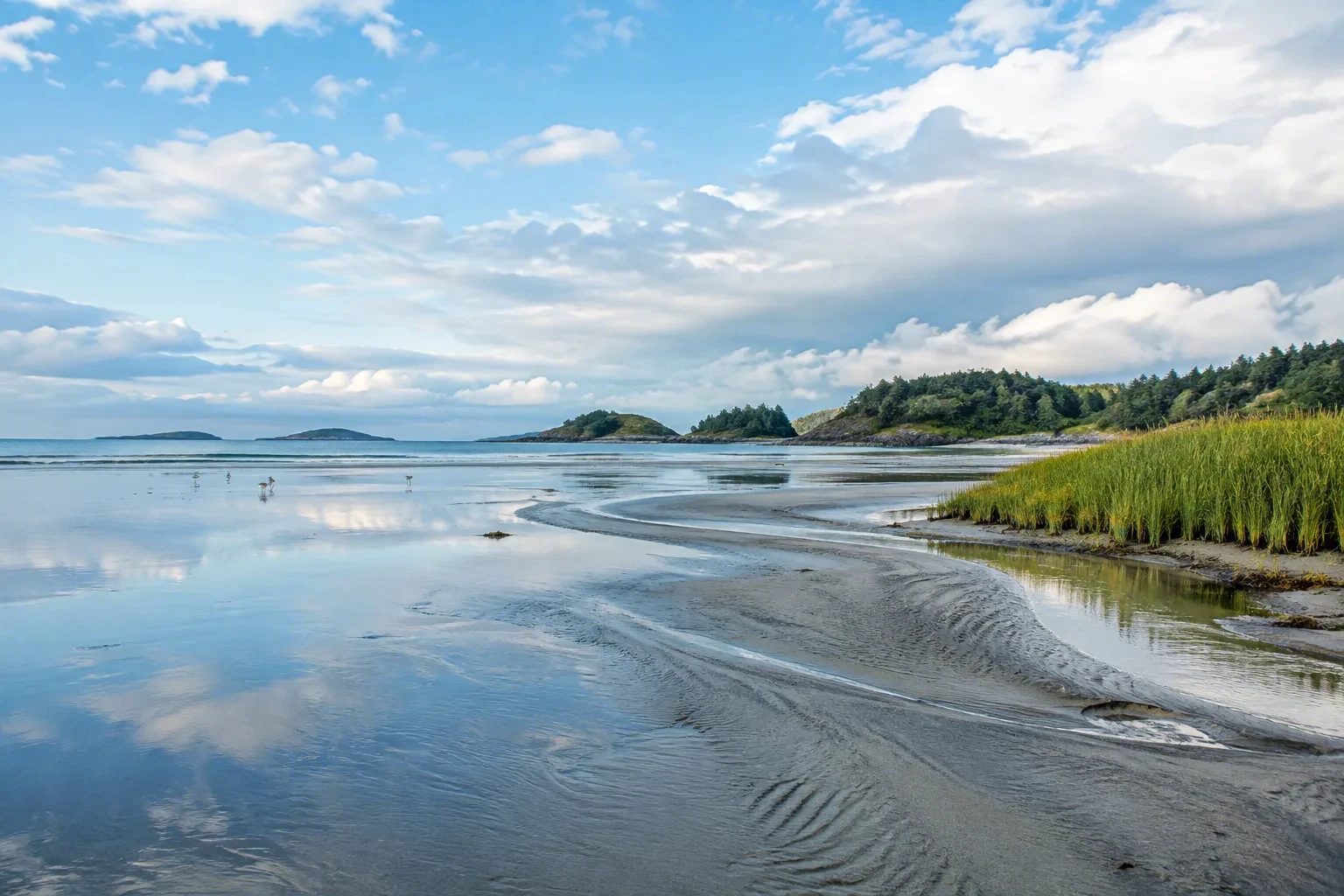
Managed by the National Park Service in Marin County, California, Point Reyes National Seashore spans approximately 71,000 acres of wild coastal headlands, sandy beaches, open grasslands, and forested ridges. This pristine landscape is a haven for wildlife: tule elk were reintroduced here in 1978, northern elephant seals have maintained a rookery since 1981, and gray whales migrate past its shores from December through May. Visitors seeking a true backcountry experience can hike or boat into secluded campsites, as the seashore offers no drive-in or RV camping within its boundaries.
Best season — Late summer and fall often offer clearer skies, while winter and spring provide peak whale and elephant seal viewing.
What makes Point Reyes National Seashore special?
Point Reyes is a rare coastal wilderness where wildlife thrives, from tule elk to elephant seals and migrating whales. Its backcountry-only camping preserves a true escape from crowded parks.
- Approximately 71,000 acres of headlands, beaches, grasslands, and forests.
- Tule elk reintroduced in 1978; northern elephant seal rookery since 1981.
- Gray whale migration visible from December through May.
At a glance
The facts worth checking before you roll out
Conservative, source-minded facts for planning your visit — always worth confirming against current conditions before you travel.
Managing agency
National Park Service (U.S. Department of the Interior), in Marin County, California
Signature wildlife
Tule elk (reintroduced 1978) and northern elephant seals (rookery since 1981); also gray whale migration Dec-May
Size
Approximately 71,000 acres (about 287 sq km) of coastal headlands, beaches, grasslands, and forested ridges
Camping
Hike-in and boat-in backcountry camping only (reservation/permit required) — no RV or drive-in camping within the seashore
On the ground
Point Reyes National Seashore, managed by the National Park Service in Marin County, California, preserves roughly 71,000 acres of diverse coastal terrain. This includes wild headlands, sandy beaches, grasslands and forested ridges. The area is significant for its wildlife populations and provides a critical habitat for species like tule elk, reintroduced in 1978, and the northern elephant seals established here since 1981.
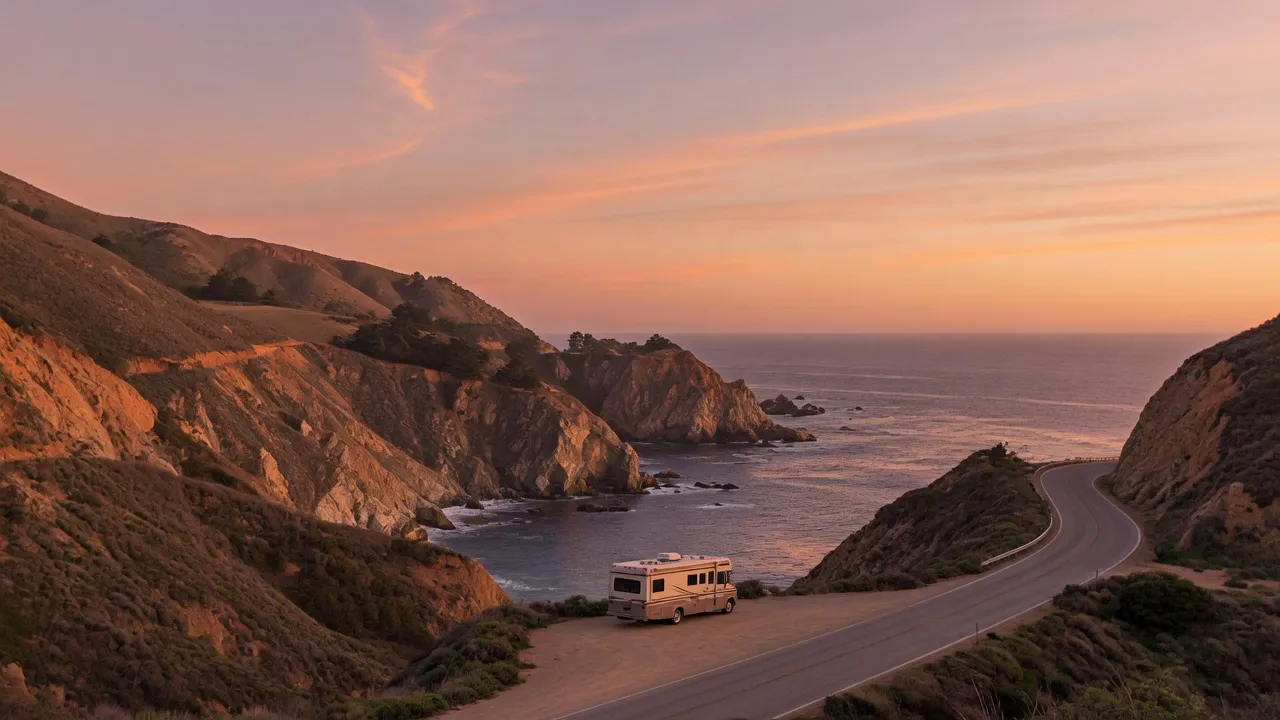
RV travelers experience Point Reyes primarily through day visits. Opportunities abound for observing wildlife; gray whales migrate past the shores from December to May. Hiking trails offer access to scenic overlooks and varied ecosystems. The seashore emphasizes backcountry immersion, as all camping requires hiking or boating into designated sites with necessary permits and reservations.
Late summer and fall generally present clearer conditions for exploration. However, winter and spring are ideal times to witness peak gray whale migrations and observe the elephant seal rookery. Weather along the coast can be unpredictable; layers of clothing are recommended throughout the year regardless of season. Planning a visit considering these seasonal variations enhances the experience.
Establishing a basecamp in nearby communities allows RV travelers convenient access to Point Reyes National Seashore. From this location, it’s possible to make day trips for hiking and wildlife viewing. Remember that overnight stays within the seashore itself are limited to backcountry sites accessed by foot or boat, requiring advance planning and appropriate gear for primitive camping.
Official sources
- National Park Service — Point Reyes National Seashore National Park Service
Nearby & related
Keep planning California
Sourced costs, campground directories, and the places worth a detour — the next layer of California trip planning.
- California RV rental costFuel · camping · tax, sourced
- California RV-friendly campgroundsHookups, rig limits, booking tips
- RV rental companies in CaliforniaLocal hosts & outfitters, verified
- Campervan & van rentals in CaliforniaVan-life routes, rules & rigs
- RV rentals in CaliforniaPickRV Wiki · 6 min read
- California Pacific Coast Highway 1 RVPickRV Wiki · 12 min read
- Sand dunesDune fields worth the climb
- Fossil sitesDeep-time road stops
Planning an RV trip near Point Reyes National Seashore: An RV Traveler's Guide?
Was this guide helpful?