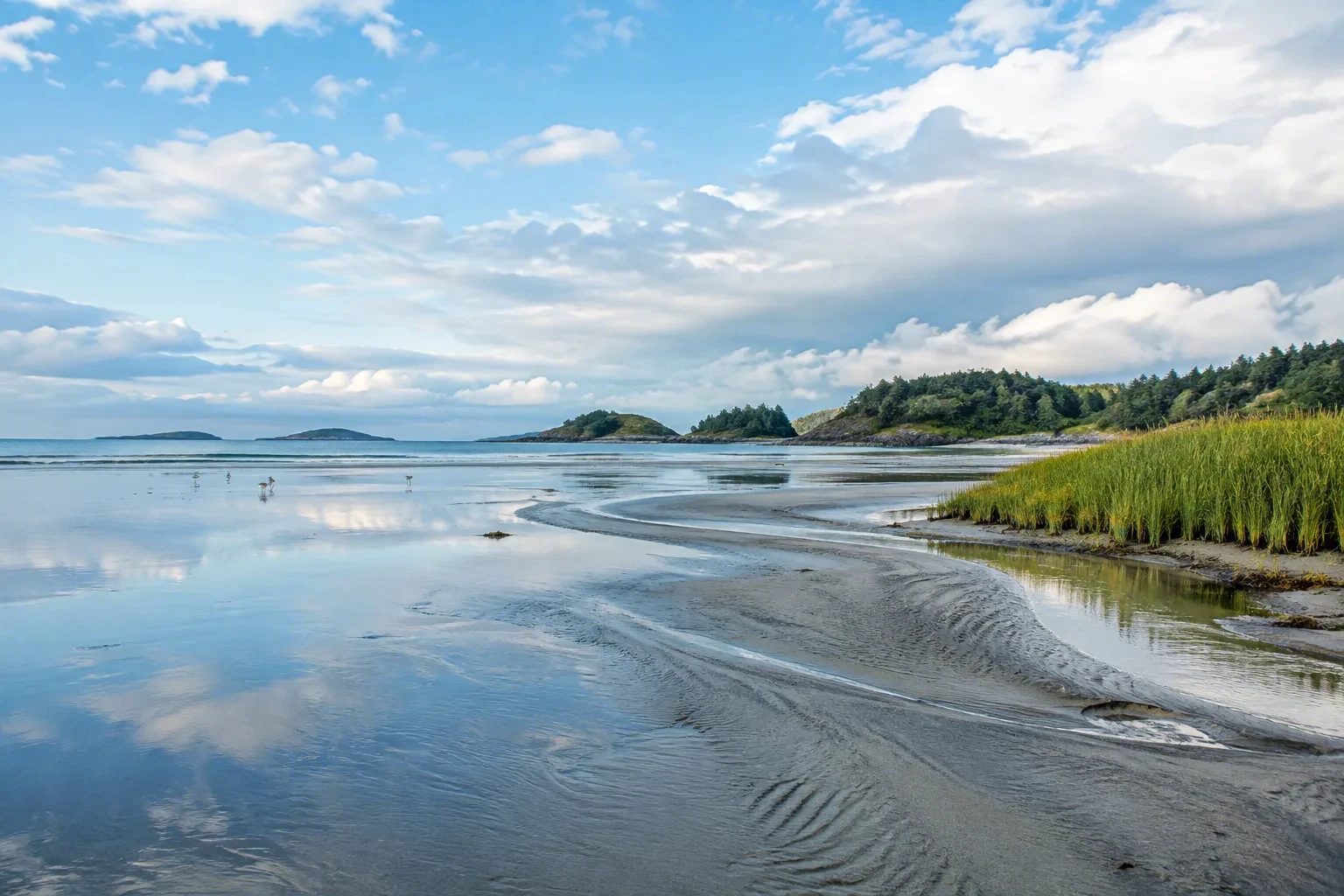
Welcome to Cumberland Island National Seashore, Georgia's largest and southernmost barrier island. Here, wild horses roam freely along pristine beaches and through maritime forests. With over 9,800 acres of Congressionally designated Wilderness, this island offers a truly untamed escape. Access is by boat or ferry only—no roads or bridges connect it to the mainland, so visitors leave behind the noise of everyday life and embrace solitude. Camping is limited to tent and backcountry sites; there are no RV or car camping options on the island itself. Overnight vehicle parking is available at the mainland visitor center.
Best season — Spring (March–May) and fall (September–November) for mild temperatures, lower humidity, and fewer insects. Wild horses are active year-round.
Can I camp on Cumberland Island with my RV?
No—RVs and car camping are not allowed anywhere on Cumberland Island. Only tent and backcountry camping are permitted, and you must arrive by boat or ferry.
- Ferry or boat access only—no road or bridge reaches the island
- Over 9,800 acres of Congressionally designated Wilderness for hiking and solitude
- Wild horses roam freely; tent and backcountry camping are the only options

At a glance
The facts worth checking before you roll out
Conservative, source-minded facts for planning your visit — always worth confirming against current conditions before you travel.
Managing agency
National Park Service (U.S. Dept. of the Interior)
Signature wildlife/feature
Wild horses (free-roaming, feral); Georgia's largest and southernmost barrier island
Designated Wilderness
Over 9,800 acres of Congressionally designated Wilderness
Access & camping
Boat/ferry access only — no road or bridge. Tent/backcountry camping exclusively; NO RV or car camping on the island (overnight vehicle parking at mainland visitor center)
On the ground
Cumberland Island National Seashore protects Georgia’s largest barrier island, a landscape of over 9,800 acres designated as Wilderness. This area preserves a unique coastal environment where wild horses roam freely amidst maritime forests and along undeveloped beaches. Access to the island is solely by boat or ferry; no roads connect it to the mainland, offering visitors a true escape from routine.
RV travelers experience Cumberland Island indirectly, utilizing the visitor center for access to the ferry system. Opportunities include hiking within the expansive Wilderness area and observing the island’s famous feral horses. Backcountry and tent camping are permitted, but RV or car camping is not available on the island itself; it is a place for embracing a primitive, undeveloped environment.
The most pleasant times to plan a visit are spring from March through May and fall from September to November. These seasons offer milder temperatures, reduced humidity, and fewer insects, enhancing outdoor exploration. The wild horses remain active throughout the year, providing consistent opportunities for observation regardless of season.
Consider establishing a basecamp on the mainland with convenient access to the ferry terminal. Overnight parking is available at the visitor center allowing you to explore Cumberland Island as a day trip or extended excursion. This approach provides RV travelers with comfortable accommodations while still experiencing the island’s natural beauty and solitude.
Official sources
- National Park Service — Cumberland Island National Seashore National Park Service
Nearby & related
Keep planning Georgia
Sourced costs, campground directories, and the places worth a detour — the next layer of Georgia trip planning.
- Georgia RV rental costFuel · camping · tax, sourced
- Georgia RV-friendly campgroundsHookups, rig limits, booking tips
- Campervan & van rentals in GeorgiaVan-life routes, rules & rigs
- Fossil sitesDeep-time road stops
- Petroglyph sitesAncient rock-art stops
- Wild-horse rangesMustang-range guides
- RV driving & licensingLicenses, lanes & low bridges
Planning an RV trip near Cumberland Island National Seashore: An RV Traveler's Guide?
Was this guide helpful?