Special / heritageCited official sources
Lewis & Clark expedition retrace
RV-friendly route following the 1804-1806 Corps of Discovery. With honest framing of Indigenous impact.
The Lewis and Clark Expedition (Corps of Discovery, 1804-1806) traveled 7,800 miles from St. Louis to the Pacific Ocean and back. The NPS Lewis and Clark National Historic Trail interprets the route across 11 states. The RV-driveable retrace covers about 4,000 miles east-bound or west-bound through MO, KS, NE, SD, ND, MT, ID, WA, OR. This is one of the great heritage routes — but the heritage is more complex than the 19th-century mythology suggests.
- Tier
- Special / heritage
- State
- Missouri
- Sources
- Cited official (.gov / .org)
Can I drive the Lewis & Clark Trail in an RV?
Approximately. The actual trail traveled by the Corps of Discovery was rivers (Missouri + Snake + Columbia) and overland portages. Modern highways parallel the route. From St. Louis, follow I-70 + I-29 + I-90 + US-2 + I-90 west. About 4,000 miles RV-friendly. Multiple NPS Lewis & Clark interpretive sites along the route. Plan 28-42 days minimum.
- 4,000-mile RV-driveable parallel
- NPS National Historic Trail
- 28-42 days minimum
- Multi-state interpretive sites
- Complex heritage — Indigenous + colonial
Indigenous nations along the route
The honest history
The Lewis and Clark Expedition is celebrated in American mythology as exploration. For the Indigenous nations the Corps encountered — Mandan, Hidatsa, Lakota, Salish, Nez Perce, Shoshone, Chinook, and many others — the expedition was the first contact in a process that would dispossess them of their lands within decades.
Sacagawea — the Shoshone woman whose translation made the expedition viable — is often reduced to a mythologized figure. The actual person was a young woman, married into the expedition, navigating between cultures under duress.
Travel with awareness. NPS Lewis and Clark interpretation has improved in recent years and now includes Indigenous perspectives. Visit the Bismarck ND area Mandan-Hidatsa villages (Knife River Indian Villages NHS) and the Salish-Kootenai Cultural Center on the Flathead Reservation. Engage the full history, not just the mythology.
Acknowledgements
- Mandan, Hidatsa, Arikara Nation
- Standing Rock Sioux Tribe
- Confederated Salish and Kootenai Tribes
- Nez Perce Tribe
- Shoshone-Bannock Tribes
- Lower Chinook Nation
Suggested 5-week RV retrace
Week 1: St. Louis → Kansas City → Omaha. Multiple interpretive sites.
Week 2: Omaha → Sioux Falls → Bismarck. Knife River Indian Villages NHS.
Week 3: Bismarck → Great Falls → Helena.
Week 4: Helena → Missoula → Lolo Pass.
Week 5: Lolo Pass → Lewiston → Walla Walla → Astoria. Fort Clatsop.
What NPS Lewis + Clark National Historic Trail doesn't tell you
NPS interpretation has improved. Older interpretive materials often centered the colonial perspective; newer materials center Indigenous experience as well.
- NPS Lewis + Clark NHT: Official trail.[source]
Frequently asked questions
- Where do I camp?
- Multiple state parks + federal sites along the route. Plan 4 weeks minimum reservation lead.
Authoritative sources
- National Park Service — find a park National Park Service
- America's Byways — Federal Highway Administration scenic byway program FHWA National Scenic Byways
Verify current conditions with state DOT 511 systems before departure. RV restrictions may change. Weather may close roads.
Cultural respect
This route crosses or commemorates lands and histories of Indigenous, African American, or other communities. Travel with cultural awareness. Visit tribal cultural centers and support tribal-owned businesses. Respect photography restrictions and sacred sites.
Planning an RV trip along Lewis & Clark expedition retrace?
Rent an RV in the 10 states Lewis & Clark expedition retrace crosses
This drive spans more than one state. Pick up where the road starts, or wherever the trip suits you.
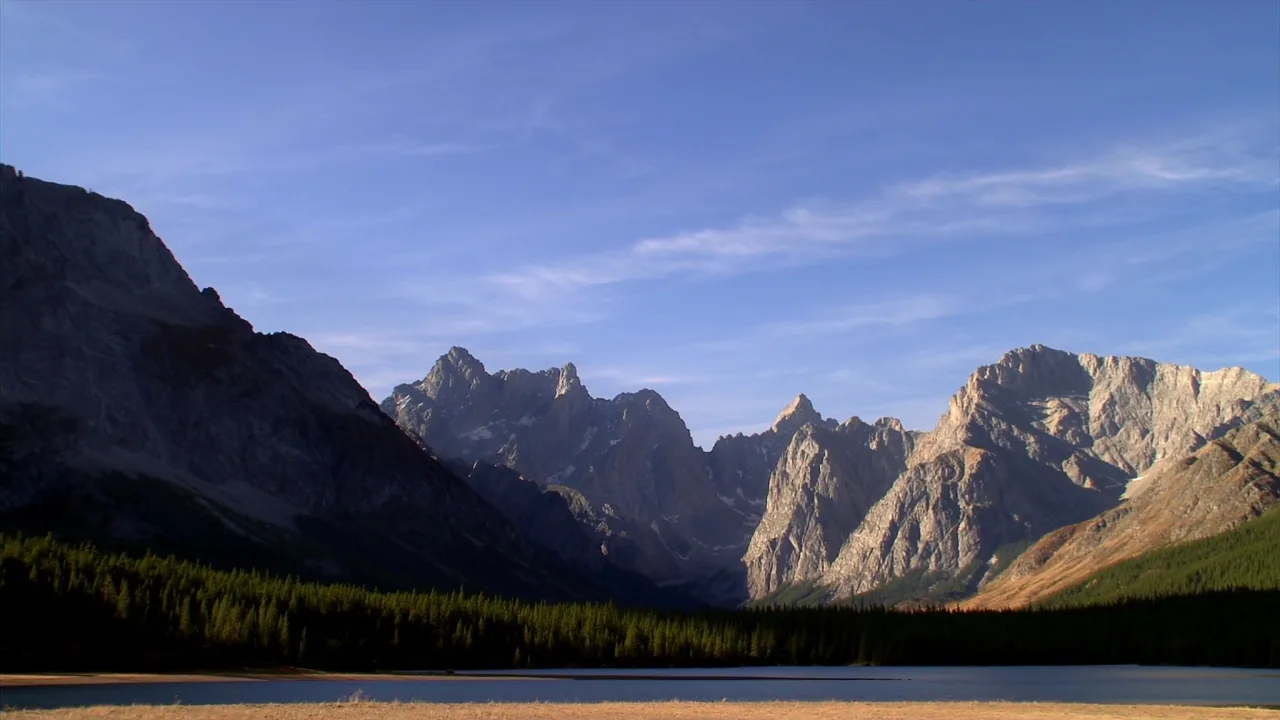
Idaho RV rentals
1 guide on this page cross it
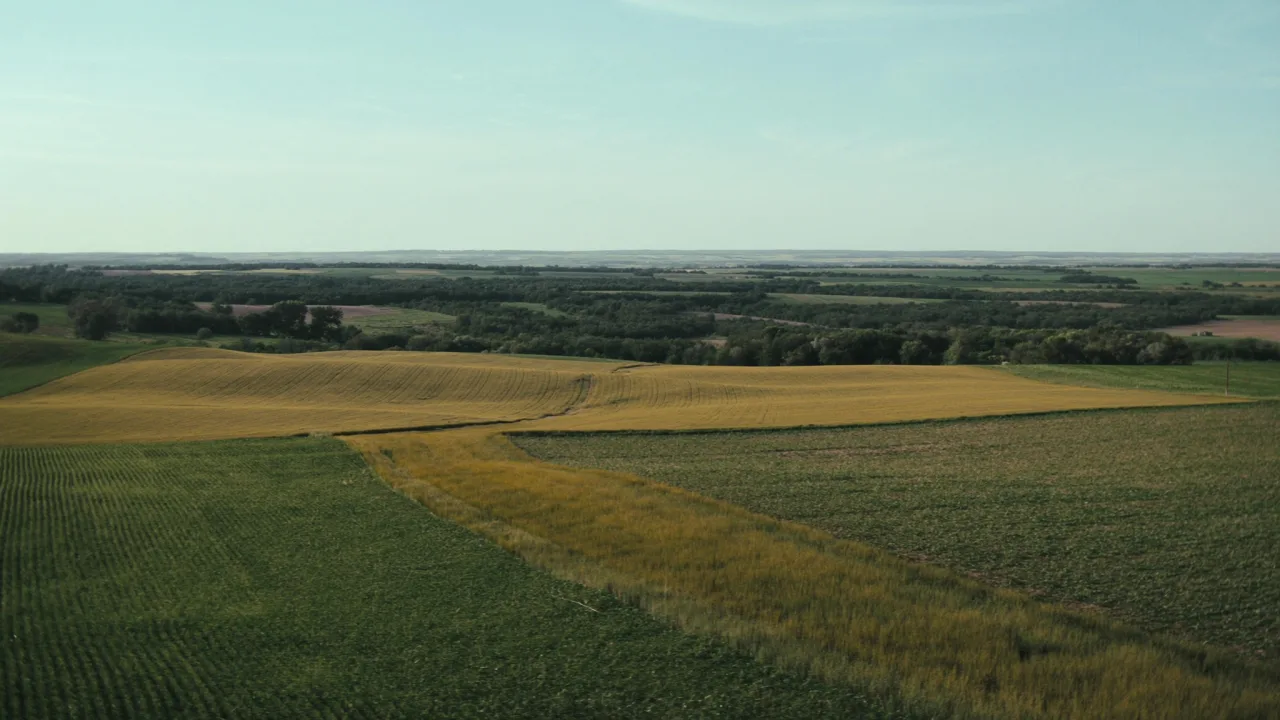
Iowa RV rentals
1 guide on this page cross it
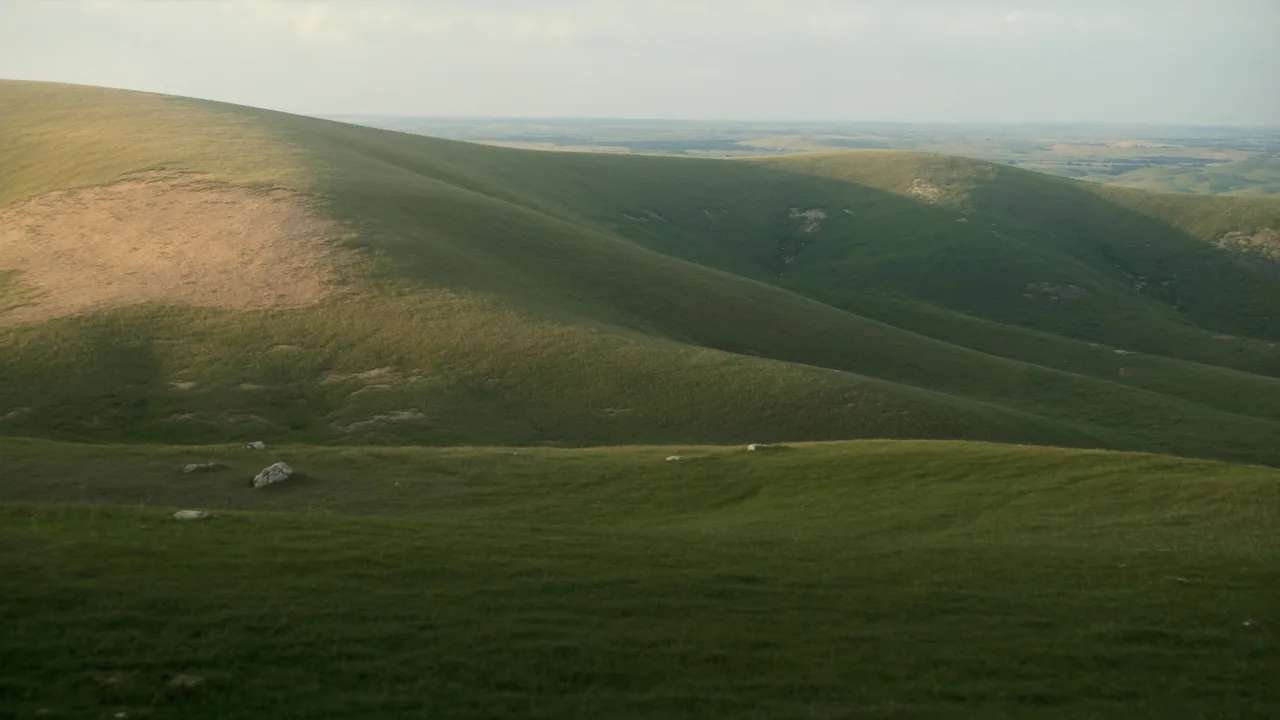
Kansas RV rentals
1 guide on this page cross it
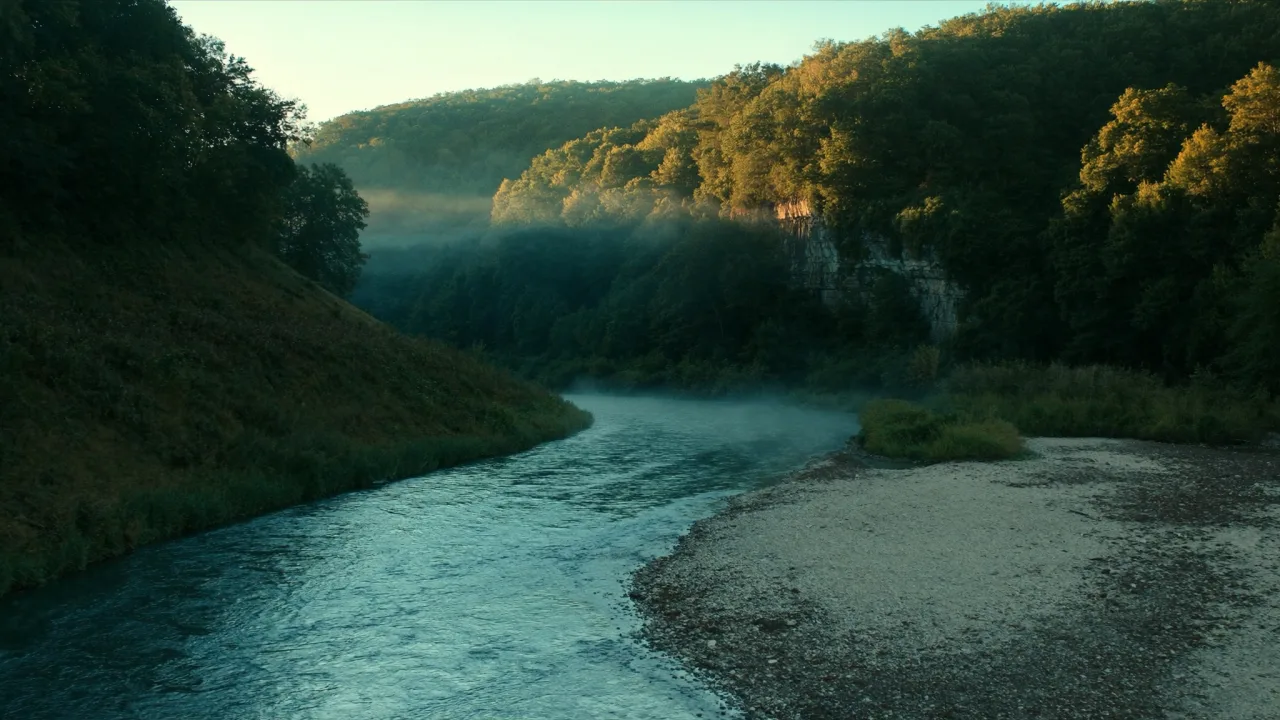
Missouri RV rentals
1 guide on this page cross it
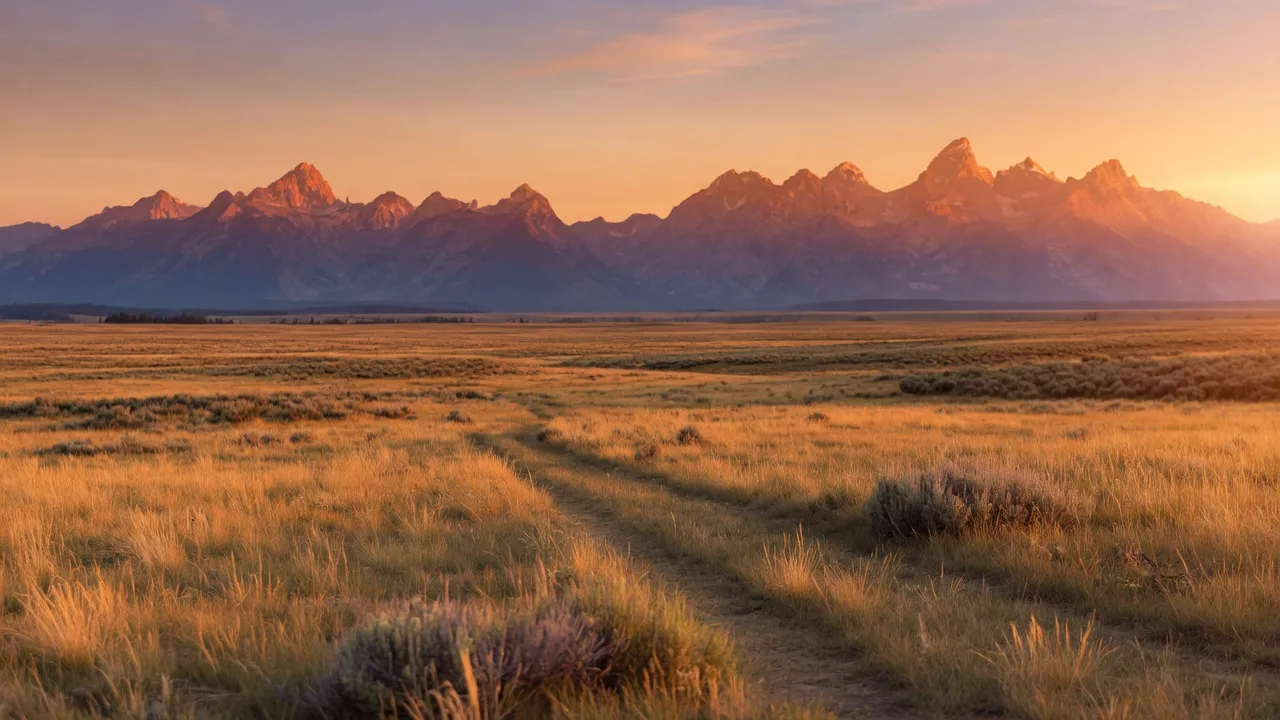
Montana RV rentals
1 guide on this page cross it
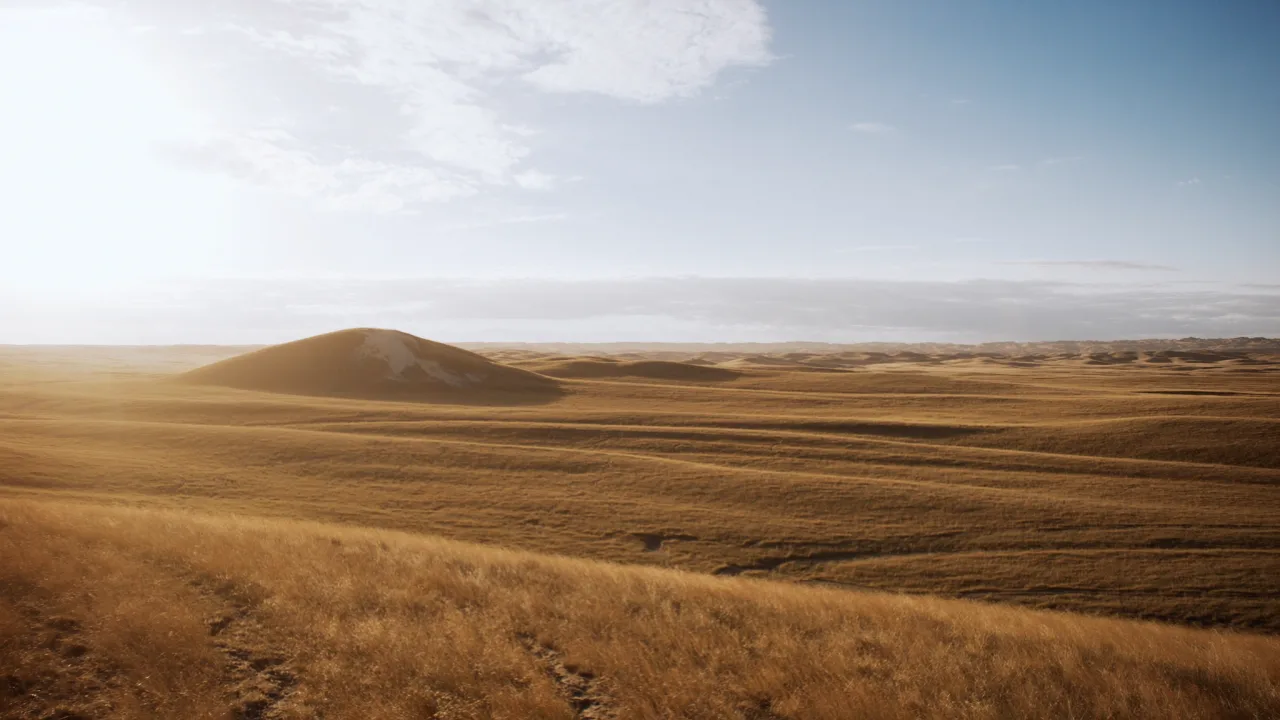
Nebraska RV rentals
1 guide on this page cross it
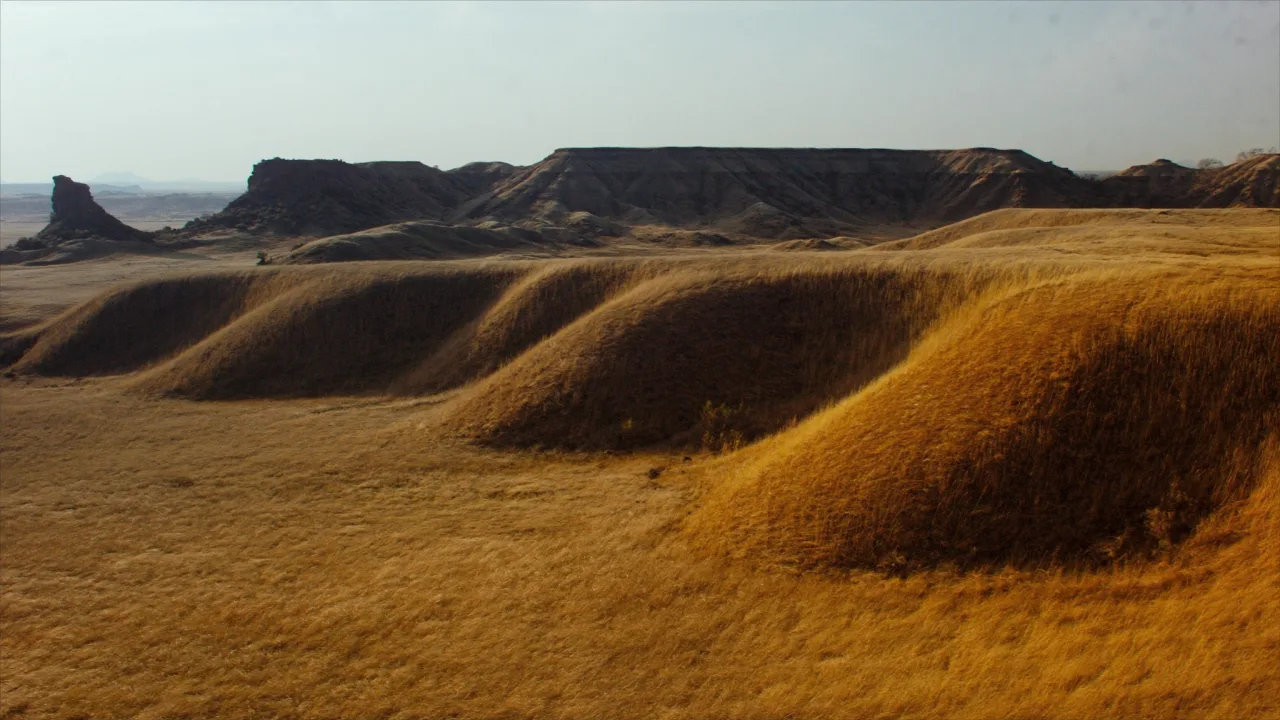
North Dakota RV rentals
1 guide on this page cross it
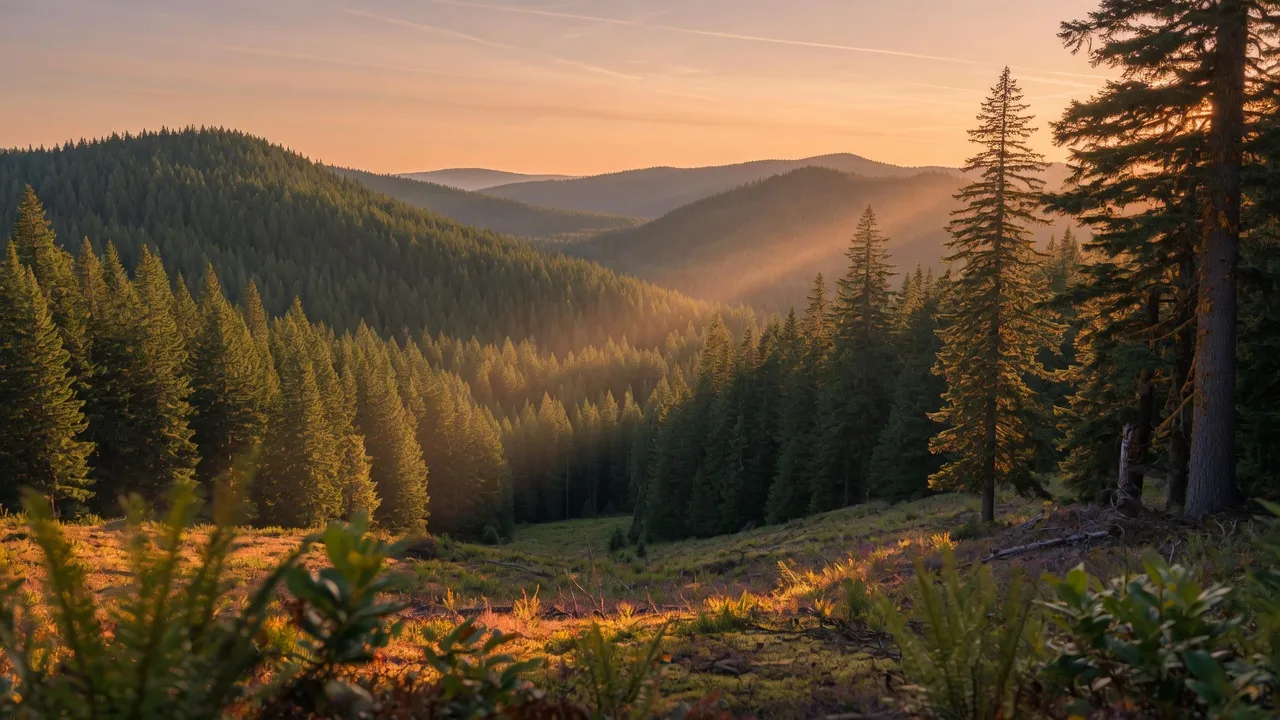
Oregon RV rentals
1 guide on this page cross it
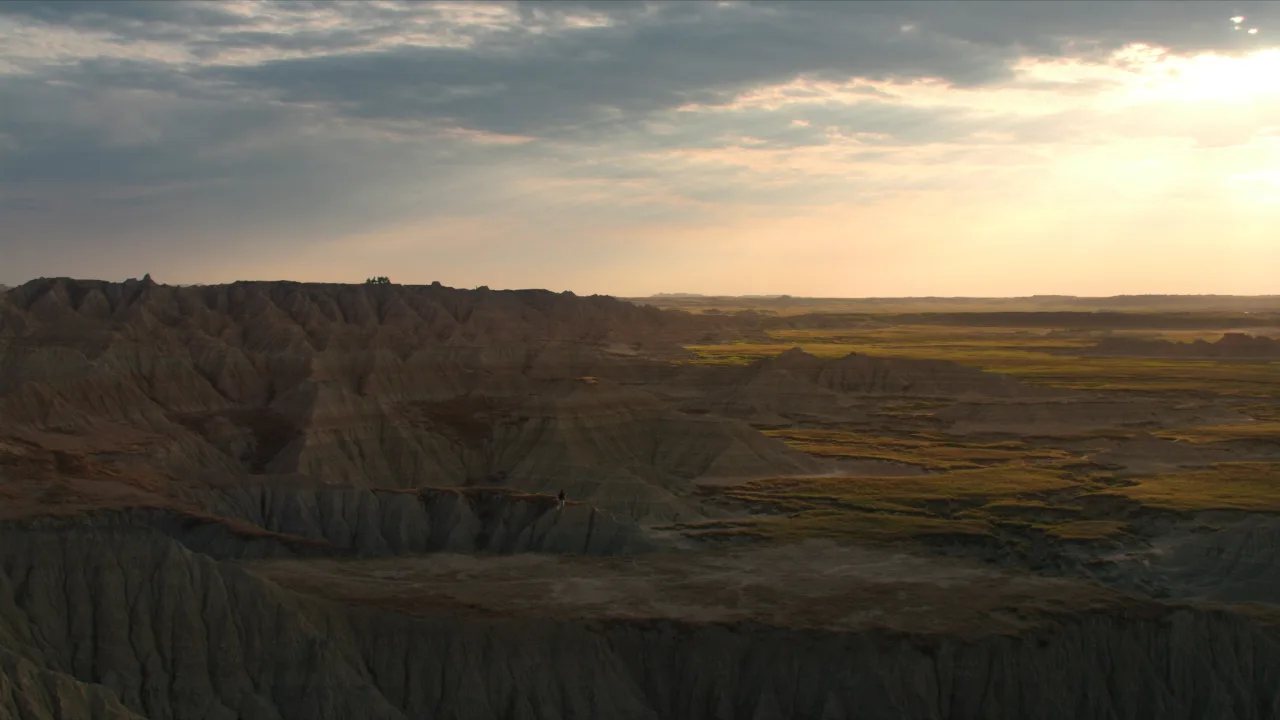
South Dakota RV rentals
1 guide on this page cross it
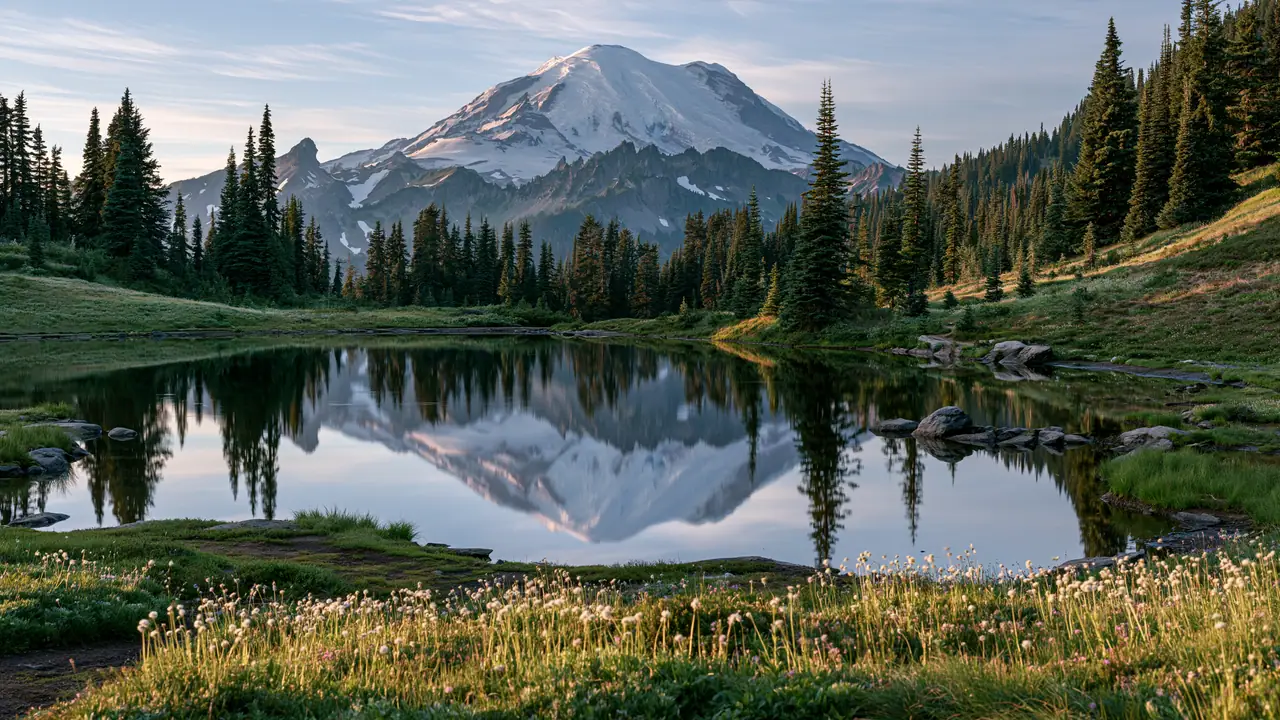
Washington RV rentals
1 guide on this page cross it
Not sure which state yet? Search every RV on PickRV.
Was this guide helpful?