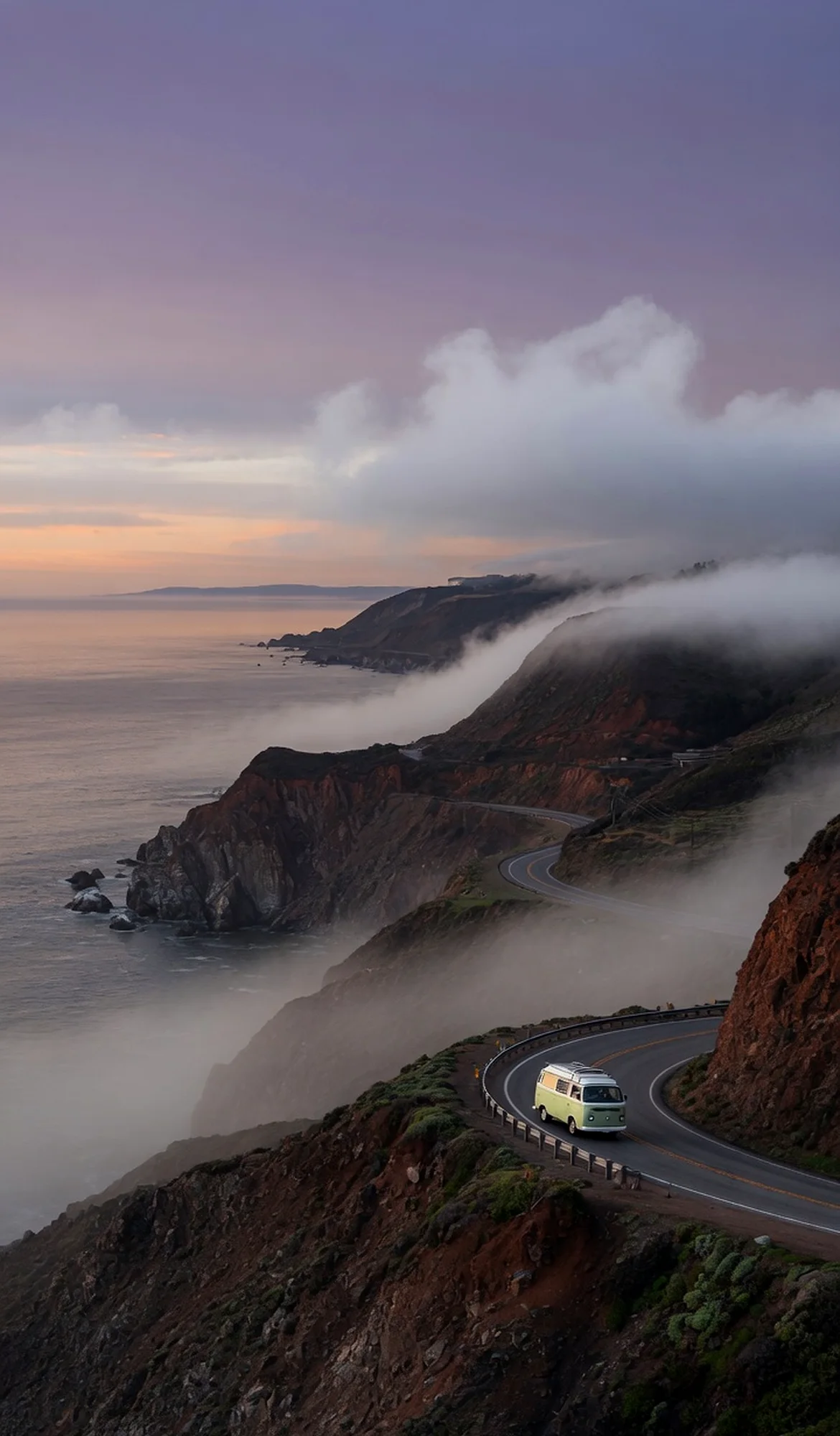
Just outside Los Angeles, the Santa Monica Mountains National Recreation Area protects one of the world’s rarest ecosystems—a Mediterranean-type landscape of chaparral, oak woodlands, and coastal sage scrub stretched across 157,700 acres. Here, rugged peaks plunge to sandy beaches, and over 500 miles of trails connect canyons, waterfalls, and ocean bluffs. It’s a place where urban bustle fades into bird song, bobcats roam, and endless Pacific views reward every climb, offering an accessible escape into a globally significant natural treasure.
Best season — Spring (March–May) for wildflower blooms and mild temperatures; fall offers clear, cool hiking weather.
What can visitors do at Santa Monica Mountains National Recreation Area?
Visitors explore a diverse landscape of trails, beaches, and scenic drives teeming with native plants and wildlife. The area combines mountain wilderness with Pacific coastline, all within reach of Los Angeles.
- Trek through canyons and along ocean bluffs on hundreds of miles of trails.
- Swim, surf, or tidepool at beaches like Leo Carrillo or El Matador.
- Watch for mule deer, bobcats, and hawks across varied habitats.
At a glance
The facts worth checking before you roll out
Conservative, source-minded facts for planning your visit — always worth confirming against current conditions before you travel.
Managing agency
National Park Service (U.S. Department of the Interior)
State
California (adjacent to Los Angeles)
Trails
More than 500 miles of trails; the Backbone Trail extends 67 miles across the range
Defining features
Malibu beaches, historic movie ranches, Native American cultural sites; long-running mountain lion research since 2002
On the ground
The Santa Monica Mountains National Recreation Area safeguards a rare Mediterranean ecosystem stretching across approximately 157,700 acres just outside Los Angeles. This landscape of chaparral, woodlands and coastal scrub features rugged peaks descending to sandy beaches. The area is significant for its diverse plant life, wildlife preservation, and connection between urban spaces and open wilderness.
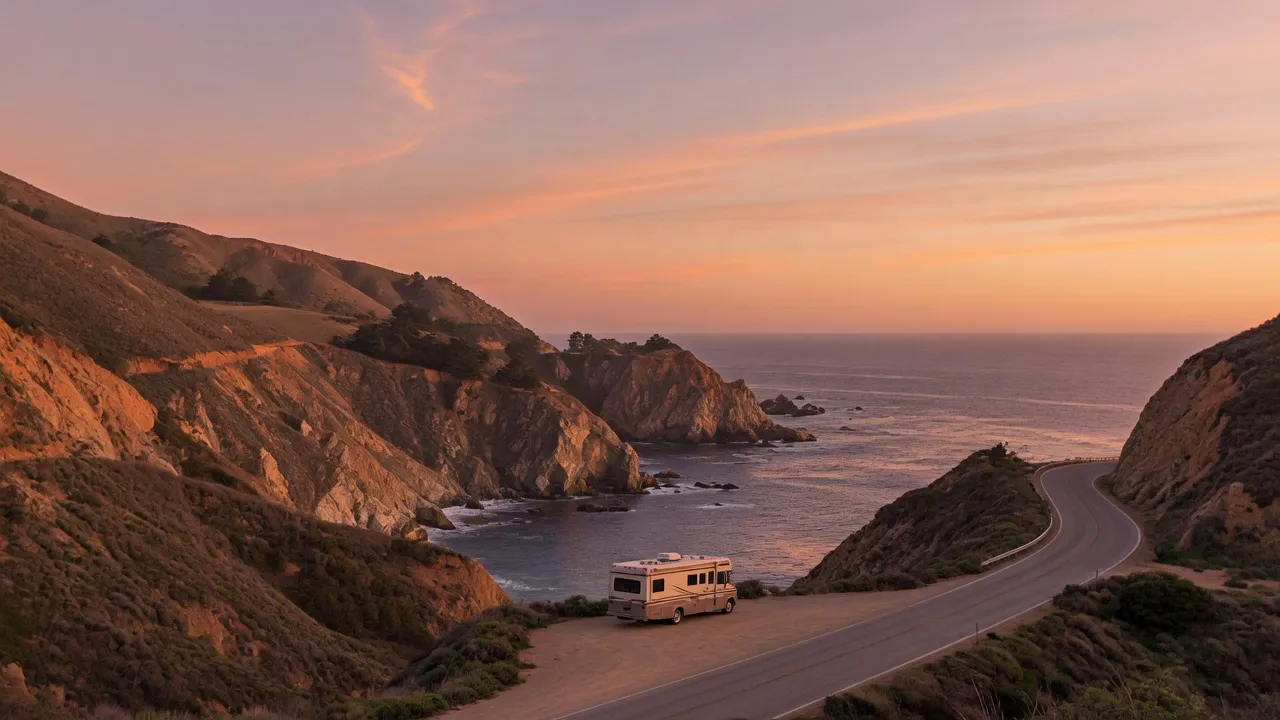
RV travelers often explore this National Recreation Area through hiking the more than 500 miles of trails, including the extensive Backbone Trail. Beach access allows swimming, surfing, and tide pooling along nearly 40 miles of shoreline. Wildlife viewing opportunities abound; mule deer, bobcats, and various bird species are frequently observed within its varied habitats.
Spring months, from March through May, bring wildflower blooms and mild temperatures ideal for exploration. Fall offers clear skies and cool conditions well-suited to hiking. The Mediterranean climate provides relatively pleasant weather throughout much of the year, though summer can experience warmer temperatures at lower elevations.
Consider establishing a basecamp in a nearby community while exploring this area. From there, access trailheads and beaches for day trips into the recreation area. This allows flexible exploration of canyons, ocean bluffs, and historic sites, returning each evening to established amenities outside the park boundaries.
Official sources
- National Park Service — Santa Monica Mountains National Recreation Area National Park Service
Nearby & related
Keep planning California
Sourced costs, campground directories, and the places worth a detour — the next layer of California trip planning.
- California RV rental costFuel · camping · tax, sourced
- California RV-friendly campgroundsHookups, rig limits, booking tips
- RV rental companies in CaliforniaLocal hosts & outfitters, verified
- Campervan & van rentals in CaliforniaVan-life routes, rules & rigs
- RV rentals in CaliforniaPickRV Wiki · 6 min read
- California Pacific Coast Highway 1 RVPickRV Wiki · 12 min read
- National preservesBackcountry-scale wilds
- Lakes & reservoirsWaterside camps & guides
Planning an RV trip near Santa Monica Mountains National Recreation Area: An RV Traveler's Guide?
Was this guide helpful?