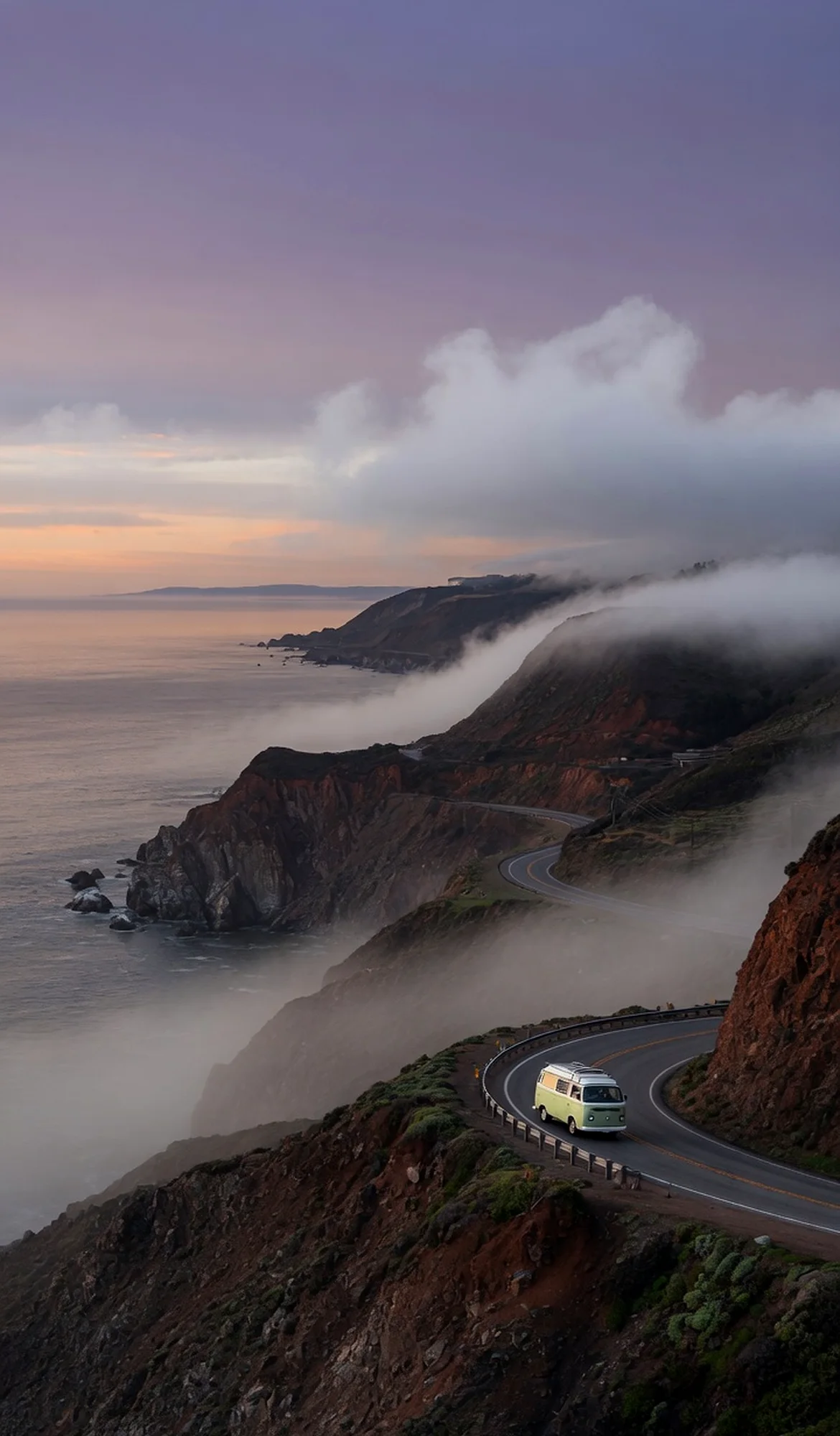
At the southern tip of Point Loma, Cabrillo National Monument commands dramatic ocean panoramas where the Pacific meets San Diego Bay. This windswept peninsula offers visitors a chance to explore coastal sage scrub, peer into rocky tide pools teeming with sea life, and scan the horizon for migrating gray whales in winter. Old Point Loma Lighthouse, a restored 19th-century beacon, stands as a sentinel to the past. The monument honors Juan Rodríguez Cabrillo’s 1542 voyage—the first European landing on the West Coast—while showcasing a vibrant marine protected area and panoramic views that stretch from Mexico to the Coronado Islands.
Best season — Year-round, with whale watching best from December to March and wildflower blooms peaking in spring. Clear winter days offer excellent visibility, while summer brings coastal fog in the morning. Low tide in any season reveals the tide pools.
What are the top things to do at Cabrillo National Monument?
Visitors explore tide pools filled with marine life, tour the historic Old Point Loma Lighthouse, and watch for migrating gray whales from the overlook. A statue of Juan Rodríguez Cabrillo overlooks the bay, and trails wind through native coastal sage scrub with panoramic views of San Diego’s skyline and the Pacific Ocean.
- Walk the Coastal Trail to the tidepool area during low tide to see anemones, crabs, and sea stars.
- Visit the Old Point Loma Lighthouse, restored to its 1880s appearance, and learn about lighthouse keepers.
- Scan the Pacific from the Whale Overlook for gray whale spouts and flukes in winter.
At a glance
The facts worth checking before you roll out
Conservative, source-minded facts for planning your visit — always worth confirming against current conditions before you travel.
Managing agency
National Park Service (U.S. Department of the Interior)
State
California
Defining characteristic
Commemorates Juan Rodriguez Cabrillo, who in 1542 became the first European to set foot on the West Coast of what is now the United States; site also includes the Old Point Loma Lighthouse, coastal trails, and tidepools
On the ground
Cabrillo National Monument commemorates the first European landing on the West Coast in 1542. Located at the southern tip of Point Loma, it offers sweeping views of the Pacific Ocean and San Diego Bay. The monument preserves coastal sage scrub habitat and a rich intertidal zone, providing insight into both natural and maritime history for visitors.
RV travelers to Cabrillo National Monument can explore the historic Old Point Loma Lighthouse, walk trails overlooking panoramic vistas, and observe marine life in the tide pools revealed at low tide. From December through March, the Whale Overlook provides opportunities to view migrating gray whales as they travel along the coast. The visitor center offers further information.
The monument is accessible year-round, though seasonal conditions vary. Gray whale watching is best during winter months, while spring brings wildflower blooms. Clear skies are most common in winter; summer mornings may be influenced by coastal fog. Checking tide charts will help plan visits to the intertidal areas for optimal viewing of marine creatures.
Consider establishing a basecamp in the Point Loma area to explore Cabrillo National Monument and other regional attractions. This allows flexibility for daily excursions, including timing visits with low tides or whale watching opportunities. The monument’s location provides access to San Diego's coastal scenery and maritime heritage.
Official sources
- National Park Service — Cabrillo National Monument National Park Service
Nearby & related
Keep planning California
Sourced costs, campground directories, and the places worth a detour — the next layer of California trip planning.
- California RV rental costFuel · camping · tax, sourced
- California RV-friendly campgroundsHookups, rig limits, booking tips
- RV rental companies in CaliforniaLocal hosts & outfitters, verified
- Campervan & van rentals in CaliforniaVan-life routes, rules & rigs
- California Pacific Coast Highway 1 RVPickRV Wiki · 12 min read
- RV rentals in CaliforniaPickRV Wiki · 6 min read
- Scenic landmarksBucket-list overlooks
- Wildlife refugesWildlife-watching stops
Planning an RV trip near Cabrillo National Monument: An RV Traveler's Guide?
Was this guide helpful?