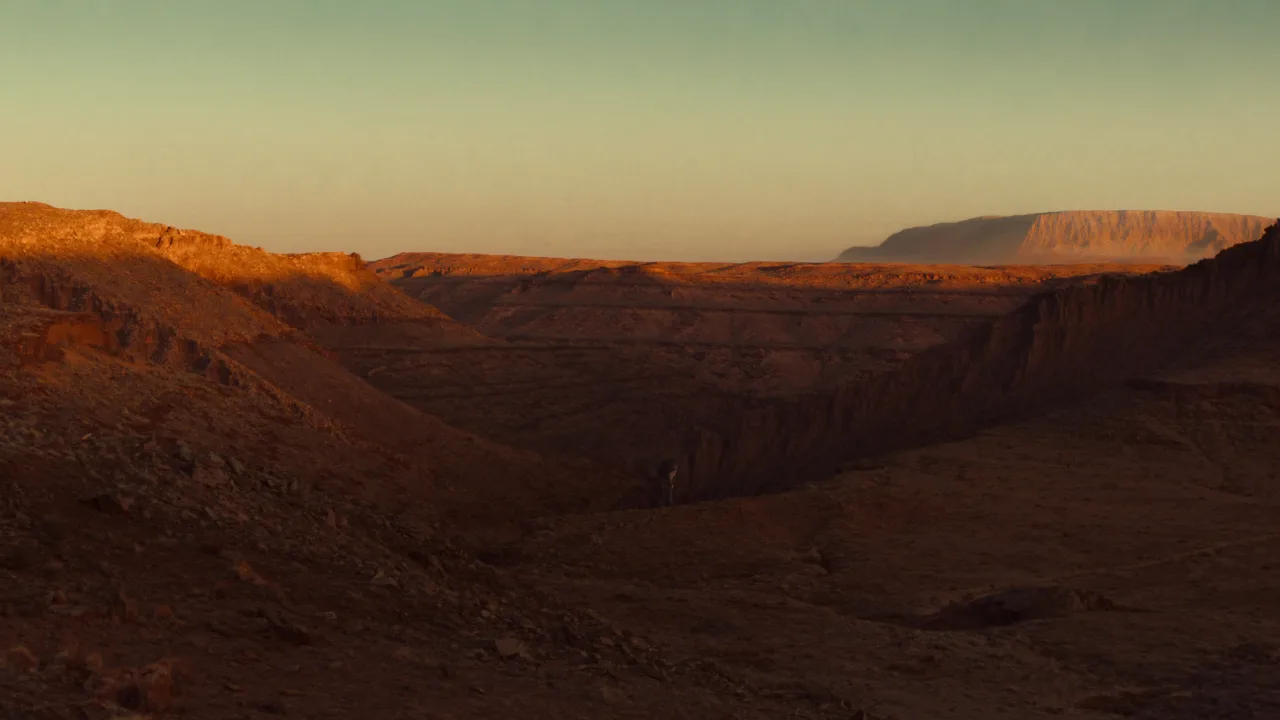
Rio Grande del Norte National Monument spans a volcanic plateau in northern New Mexico, where the Rio Grande has carved an 800-foot-deep gorge through dark basalt. The monument protects vast sagebrush plains, ancient petroglyphs, and the confluence of the Rio Grande and Red River. For RV travelers, it offers a dramatic landscape of big skies, wildlife like bighorn sheep and pronghorn, and access to scenic drives, hiking trails, and the river’s edge at established campgrounds.
Best season — Spring through fall; spring wildflowers and fall colors are particularly rewarding. Summers are hot but ideal for rafting; winters see snow at higher elevations.
What makes this monument worth visiting by RV?
The monument pairs a stark volcanic plateau with the lush ribbon of the Rio Grande Gorge, offering RV campers a front-row seat to New Mexico’s wild beauty. You can wake at a riverside campground, then spend the day hiking to petroglyphs, watching bighorn sheep, or floating the river—all beneath massive skies.
- Gaze into the 800-foot Rio Grande Gorge from the rim at La Junta Point.
- Look for desert bighorn sheep, elk, and golden eagles in the sagebrush plains.
- Explore ancient petroglyphs along the river and at the Wild Rivers area.
At a glance
The facts worth checking before you roll out
Conservative, source-minded facts for planning your visit — always worth confirming against current conditions before you travel.
Managing agency
Bureau of Land Management, Taos Field Office
State
New Mexico
Defining feature
The Rio Grande plunges through an 800-foot gorge at the edge of the Taos Plateau, with extinct volcanic cones and over 50 miles of Wild and Scenic River (Rio Grande and Red River)
Size
About 243,000 acres, including two congressionally designated wilderness areas (Rio San Antonio and Cerro del Yuta)
On the ground
Rio Grande del Norte National Monument protects a volcanic plateau in northern New Mexico, shaped by the Rio Grande carving an 800-foot gorge through basalt. This BLM monument preserves sagebrush plains and ancient petroglyphs alongside the river’s confluence with the Red River. It showcases a landscape of cultural and natural significance for visitors to explore.
RV travelers here can access scenic drives, hiking trails, and the river itself. Opportunities exist to view rim overlooks, hike into the gorge, or experience rafting on its gentle to moderate rapids. Wildlife viewing is popular; look for bighorn sheep, elk, and golden eagles across the sagebrush plains. Campgrounds provide a base for backcountry exploration.
The best time to visit spans spring through fall, with rewarding wildflower displays in springtime and colorful foliage during autumn. Summers offer hot conditions ideal for river activities. Higher elevations may experience snowfall in winter. Planning your trip around these seasonal changes enhances the experience of this high-desert landscape.
Consider establishing a basecamp in the area before venturing into the monument itself. From there, day trips allow exploration of overlooks, trails, and cultural sites. This approach provides comfortable RV accommodations while facilitating access to the diverse features within Rio Grande del Norte National Monument.
Official sources
- Bureau of Land Management — Rio Grande del Norte National Monument Bureau of Land Management
Nearby & related
Keep planning New Mexico
Sourced costs, campground directories, and the places worth a detour — the next layer of New Mexico trip planning.
- New Mexico RV rental costFuel · camping · tax, sourced
- New Mexico RV-friendly campgroundsHookups, rig limits, booking tips
- Campervan & van rentals in New MexicoVan-life routes, rules & rigs
- Sand dunesDune fields worth the climb
- Fossil sitesDeep-time road stops
- Petroglyph sitesAncient rock-art stops
- RV driving & licensingLicenses, lanes & low bridges
Planning an RV trip near Rio Grande del Norte National Monument: An RV Traveler's Guide?
Was this guide helpful?