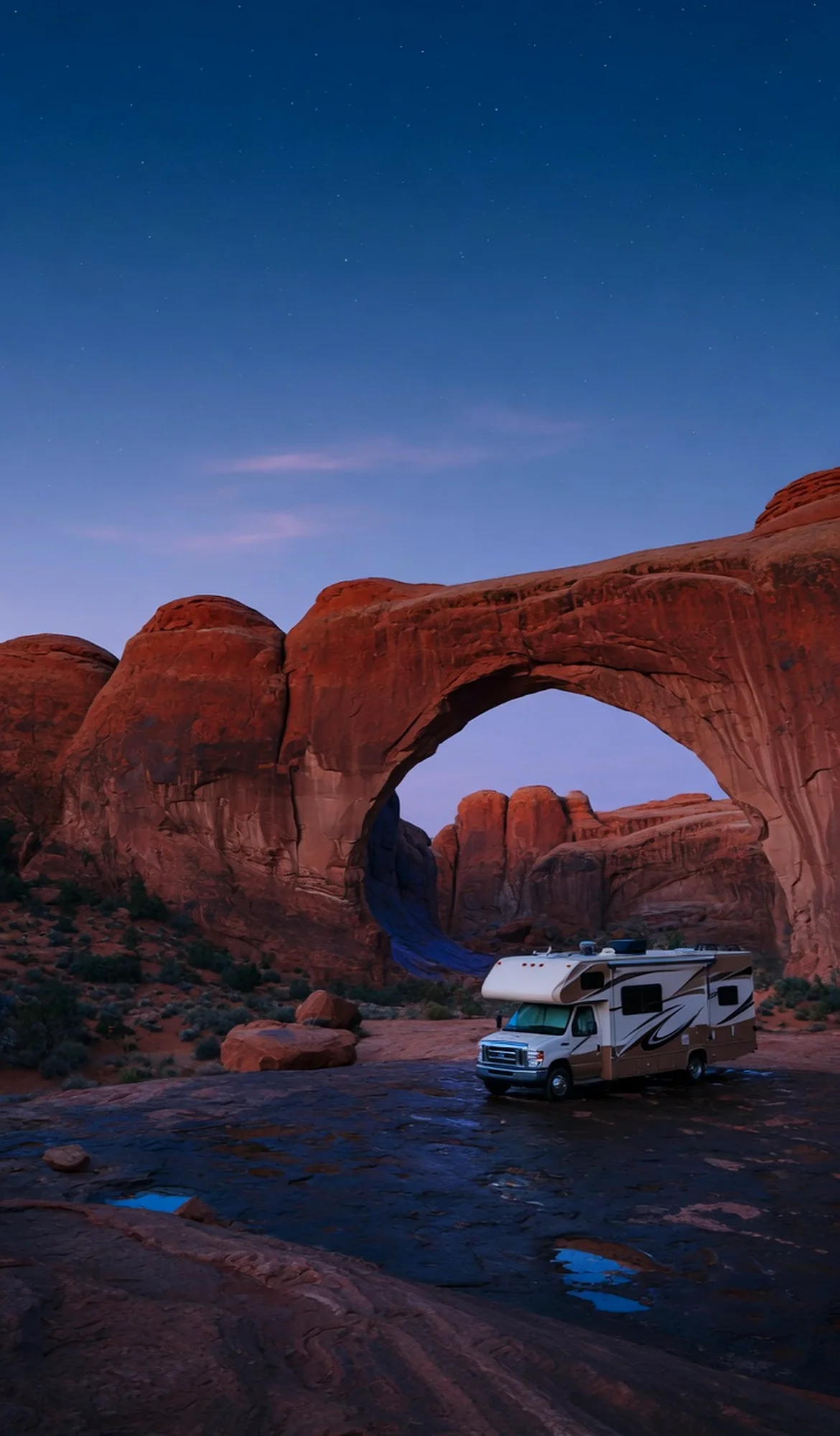
Bears Ears National Monument in southeastern Utah protects a vast cultural landscape of red-rock canyons, mesas, and buttes, sacred to many Native American Tribes. Jointly managed by the Bureau of Land Management and USDA Forest Service, this 1.36-million-acre monument offers RV travelers a chance to explore remote high-desert backcountry, dark night skies, and the iconic buttes that give the monument its name. Its quiet dirt roads lead to dispersed campsites and timeless archaeological treasures, making it a profound destination for connecting with both nature and ancient human history.
Best season — Spring and fall offer the mildest temperatures for exploring; summer is extremely hot at lower elevations and winter brings snow to the higher mesas and the Abajo Mountains.
What is Bears Ears National Monument known for?
Bears Ears preserves a remarkable concentration of Ancestral Puebloan cliff dwellings, rock art, and cultural sites across a dramatic sweep of southeastern Utah canyon country, co-managed by the Bureau of Land Management and USDA Forest Service.
- Jointly managed by the Bureau of Land Management and USDA Forest Service.
- Encompasses 1.36 million acres in San Juan County, southeast Utah.
- Sacred to many Native American Tribes for traditional and ceremonial uses.
At a glance
The facts worth checking before you roll out
Conservative, source-minded facts for planning your visit — always worth confirming against current conditions before you travel.
Managing agencies
Jointly managed by the Bureau of Land Management (Monticello Field Office) and USDA Forest Service (Manti-La Sal National Forest)
State / location
Southeast Utah, San Juan County
Size
1.36 million acres of public lands
Significance
Rich cultural heritage held sacred by many Native American Tribes for traditional and ceremonial uses
On the ground
Bears Ears National Monument protects a vast cultural landscape of 1.36 million acres in southeastern Utah, sacred to many Native American Tribes. Jointly managed by the Bureau of Land Management and USDA Forest Service, it preserves remarkable concentrations of Ancestral Puebloan sites including cliff dwellings and rock art. This area offers RV travelers an opportunity to experience remote high-desert backcountry and dark night skies.
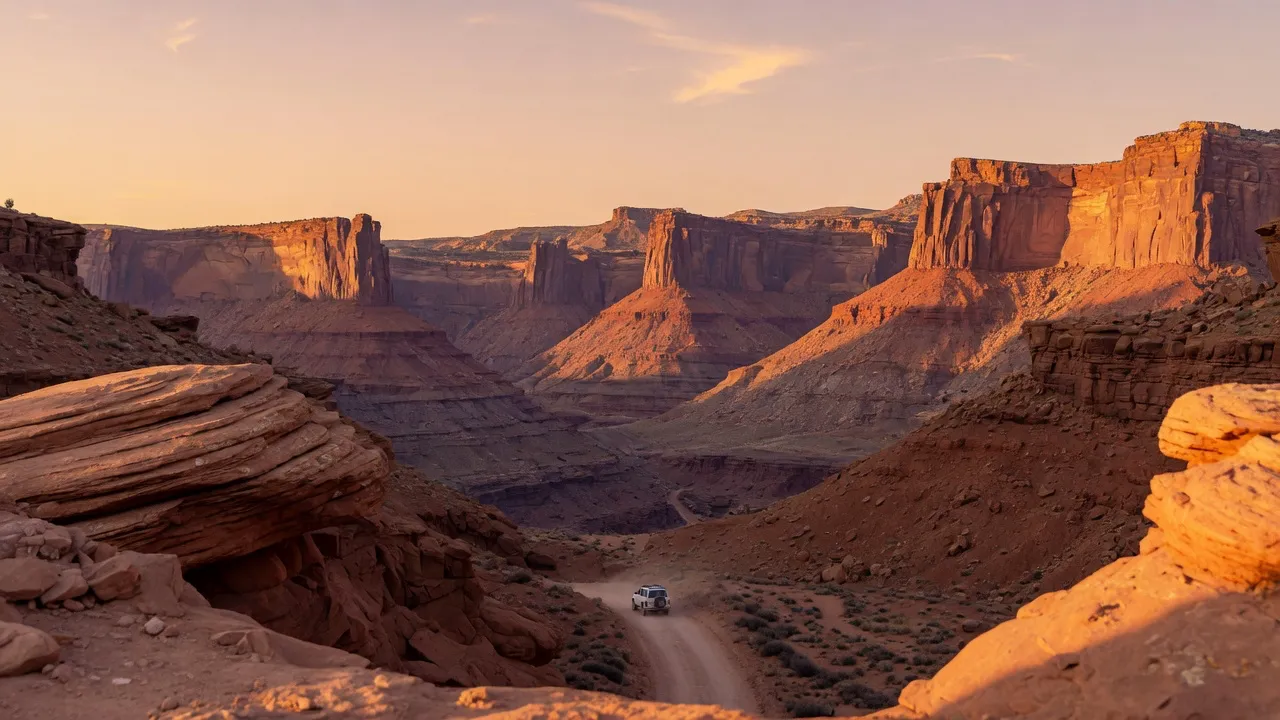
RV travel within Bears Ears centers around exploring its scenic byways and accessing dispersed camping opportunities on surrounding public lands. The monument’s dramatic canyons, mesas, and buttes provide a backdrop for experiencing the deep cultural heritage of the region. Travelers can appreciate ancient archaeological treasures while enjoying an immersive, off-the-beaten-path experience.
Spring and fall present the most favorable conditions with milder temperatures ideal for exploration. Summers are extremely hot at lower elevations, demanding careful planning. Winters bring snowfall to higher areas like mesas and mountains, potentially limiting access on unpaved roads. Consider these seasonal changes when scheduling your visit.
A basecamp established in a nearby area can provide convenient access to Bears Ears National Monument. From there, RV travelers can plan day trips into the monument via its quiet dirt roads. This allows exploration of the high-desert landscape while maintaining comfortable amenities and services outside the immediate backcountry.
Official sources
- Bureau of Land Management — Bears Ears National Monument Bureau of Land Management
Nearby & related
Keep planning Utah
Sourced costs, campground directories, and the places worth a detour — the next layer of Utah trip planning.
- Utah RV rental costFuel · camping · tax, sourced
- Utah RV-friendly campgroundsHookups, rig limits, booking tips
- Campervan & van rentals in UtahVan-life routes, rules & rigs
- Utah Mighty 5PickRV Wiki · 15 min read
- RV rentals in UtahPickRV Wiki · 6 min read
- Caves & cavernsShow-cave trip guides
- National monumentsProtected-land guides
- Scenic landmarksBucket-list overlooks
Planning an RV trip near Bears Ears National Monument: An RV Traveler's Guide?
Was this guide helpful?