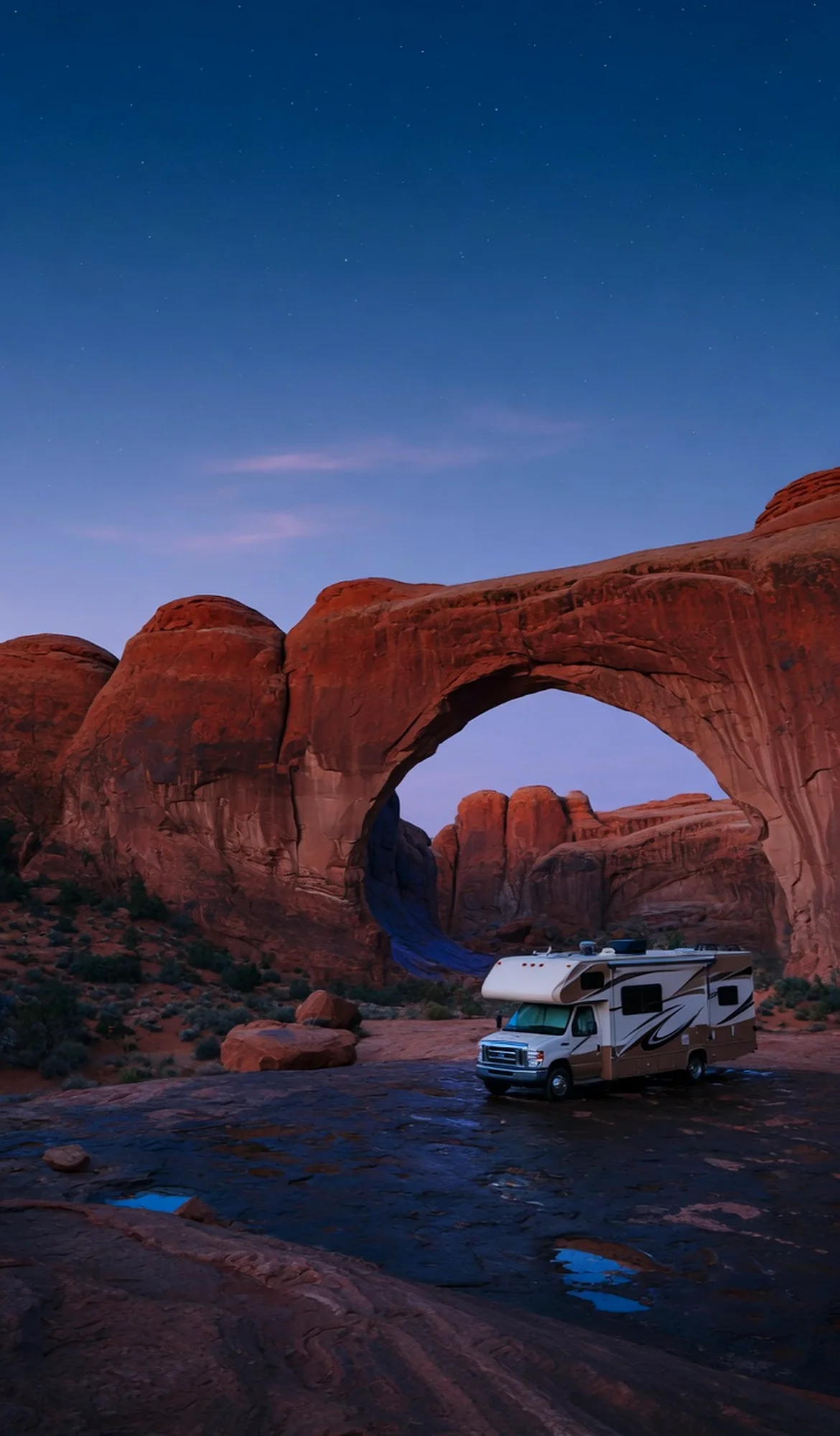
In the sagebrush hills of central Utah, Jurassic National Monument protects the Cleveland-Lloyd Dinosaur Quarry, a site with one of the densest concentrations of Jurassic dinosaur bones ever found. Over 12,000 fossils from at least 74 individual animals have been excavated here, with more than 75% from predators like Allosaurus. This puzzling assemblage, often called a predator trap, draws paleontologists and curious travelers. A visitor center and sheltered quarry exhibit offer glimpses of the bone bed, making this remote BLM monument a quiet, fascinating stop under big desert skies.
Best season — Spring and fall offer pleasant temperatures; summers are hot and winters can be cold with occasional snow. The quarry building provides shade in summer.
What makes the Cleveland-Lloyd Dinosaur Quarry so extraordinary?
It houses one of the densest Jurassic bone beds ever discovered, with over 12,000 bones compressed within a small area. Most belong to Allosaurus, a top predator. This unusual accumulation suggests a predator trap, where carnivores may have become trapped while scavenging, though scientists still debate the cause.
- Over 12,000 fossils from at least 74 individual dinosaurs have been recovered.
- A remarkable 75% of bones belong to predators, with over 46 Allosaurus individuals identified.
- The quarry preserves one of the densest Jurassic bone concentrations ever found.
At a glance
The facts worth checking before you roll out
Conservative, source-minded facts for planning your visit — always worth confirming against current conditions before you travel.
Managing agency
Bureau of Land Management, Utah
Defining characteristic
Site of the Cleveland-Lloyd Dinosaur Quarry, one of the densest concentrations of Jurassic-aged dinosaur bones ever found (over 12,000 fossils, at least 74 individual animals)
Notable detail
Over 75% of the bones come from predators such as Allosaurus fragilis (over 46 individuals identified)
On the ground
Jurassic National Monument preserves the Cleveland-Lloyd Dinosaur Quarry, a remarkably dense concentration of Jurassic dinosaur bones in central Utah. Over twelve thousand fossils representing at least seventy-four individual animals have been excavated here. This site offers paleontologists and visitors insight into an ancient ecosystem and the mystery surrounding its unusual fossil assemblage.
RV travelers come to this BLM monument for day use. The visitor center provides displays detailing the quarry’s history and findings, while a self-guided trail overlooks the excavation area. It's a destination appealing to those interested in prehistory and seeking quiet solitude within the high desert landscape, offering views of an arid environment.
The best times to visit are spring and fall when temperatures are moderate. Summers bring hot conditions though the quarry building offers shade. Winters can be cold with possible snow. Planning around these seasons ensures a more comfortable experience exploring this remote location and its unique paleontological resources.
Consider establishing a basecamp in a nearby area for several days to explore central Utah’s attractions, including Jurassic National Monument. This allows for leisurely visits without relocating frequently. The monument is best experienced as part of a broader itinerary encompassing the region's wide-open spaces and geological features.
Official sources
- Bureau of Land Management — Jurassic National Monument Bureau of Land Management
Nearby & related
Keep planning Utah
Sourced costs, campground directories, and the places worth a detour — the next layer of Utah trip planning.
- Utah RV rental costFuel · camping · tax, sourced
- Utah RV-friendly campgroundsHookups, rig limits, booking tips
- Campervan & van rentals in UtahVan-life routes, rules & rigs
- Utah Mighty 5PickRV Wiki · 15 min read
- RV rentals in UtahPickRV Wiki · 6 min read
- Historic sitesHistory worth the detour
- Wild & scenic riversFree-flowing river trips
- BattlefieldsHallowed-ground history stops
Planning an RV trip near Jurassic National Monument: An RV Traveler's Guide?
Was this guide helpful?