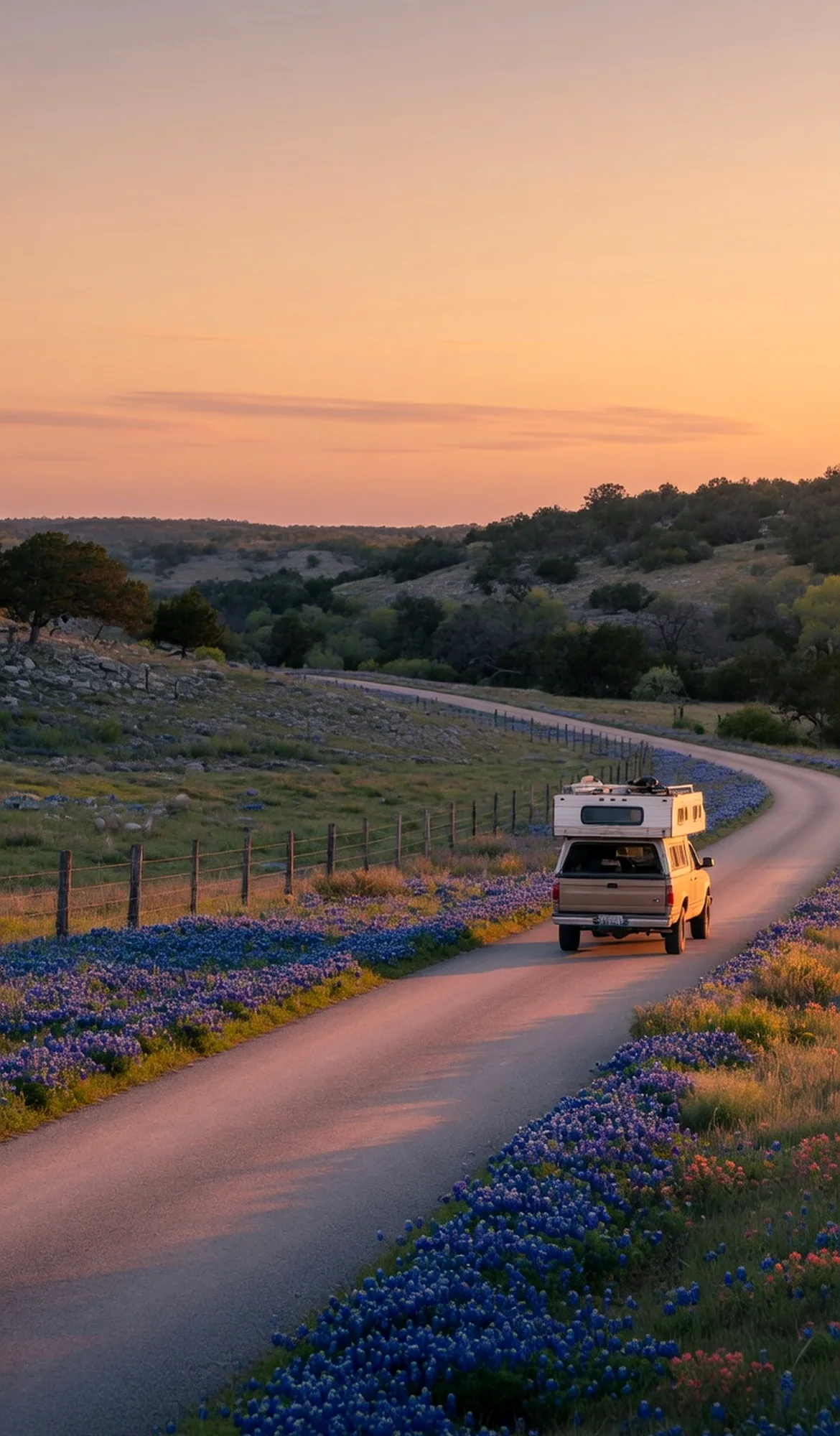
Tucked along the Rio Grande in deep South Texas, Santa Ana National Wildlife Refuge is a lush tangle of Tamaulipan thornscrub, resaca-filled wetlands, and towering Spanish moss-draped trees. Over 400 bird species have been recorded here, luring birdwatchers from across the globe with flashes of emerald green jays, great kiskadees, and Altamira orioles. A seasonal tram and quiet walking trails wind through a landscape where tropical and temperate worlds collide, offering intimate wildlife encounters just a short drive from McAllen.
What makes Santa Ana National Wildlife Refuge a premier birding destination?
It sits where subtropical, Gulf Coast, and Chihuahuan desert influences converge, hosting year-round tropical species rarely seen elsewhere in the U.S. A seasonal tram and 12 miles of walking trails provide access to dense thornscrub and resaca-edge woodlands, with over 400 bird species recorded—from green jays to occasional Mexican vagrants.
- Over 400 bird species, including tropical specialties like green jays and Altamira orioles
- Seasonal narrated tram tour through the refuge interior
- 12 miles of trails winding through rare Tamaulipan thornscrub and resacas
Managing agency
U.S. Fish & Wildlife Service
State
Texas (Alamo, Lower Rio Grande Valley)
Established
1943
Defining feature
World-class birding destination on a juncture of two major migratory flyways; home to green jays, chachalacas and great kiskadees, plus 300+ butterfly species
Santa Ana National Wildlife Refuge protects a rare subtropical ecosystem in South Texas, established in 1943 and managed by the U.S. Fish & Wildlife Service. It’s significant as a location where tropical and temperate environments meet, creating unique habitats along the Rio Grande. This junction attracts over 400 documented bird species, making it a globally recognized destination for birdwatchers.
RV travelers to Santa Ana NWR primarily engage in wildlife observation, especially birding. Twelve miles of trails and an accessible levee system allow visitors to explore the thornscrub and resaca edges. A seasonal tram tour offers a narrated experience through these habitats, suitable for both novice and experienced observers hoping to spot species like green jays or chachalacas.
The best time to visit is late winter through spring—February to April—when bird diversity peaks with mild temperatures. Fall also brings substantial migratory activity. The refuge experiences subtropical conditions; plan accordingly for warm weather, even during these preferred seasons. Check the availability of the seasonal tram before your arrival to maximize viewing opportunities.
Consider establishing a basecamp in the McAllen area and making day trips to Santa Ana NWR. This allows convenient access to the refuge while providing a wider range of services and amenities nearby. Plan for leisurely exploration, utilizing both the walking trails and the optional narrated tram tour to fully appreciate this unique Texas landscape.
Field timing · when to go
The seasons worth planning around
Wildlife makes this refuge worth the detour — and timing is everything. Here is the window the record calls out, with the peak seasons it names lit up.
- Winter Peak season
- Spring Peak season
- SummerOff-peak
- Fall Peak season
Peak timing
Late winter through spring (February–April) offers peak bird diversity and mild temperatures; fall also delivers a strong migratory pulse.
Official sources
- U.S. Fish & Wildlife Service — Santa Ana National Wildlife Refuge Government source
Nearby & related
Keep planning Texas
Sourced costs, campground directories, and the places worth a detour — the next layer of Texas trip planning.
- Texas RV rental costFuel · camping · tax, sourced
- Texas RV-friendly campgroundsHookups, rig limits, booking tips
- Campervan & van rentals in TexasVan-life routes, rules & rigs
- RV rentals in TexasPickRV Wiki · 6 min read
- BLM landsDispersed-camping country
- Historic sitesHistory worth the detour
- Wild & scenic riversFree-flowing river trips
- RV renter basicsFirst-rental fundamentals
Planning an RV trip near Santa Ana National Wildlife Refuge?
Was this guide helpful?