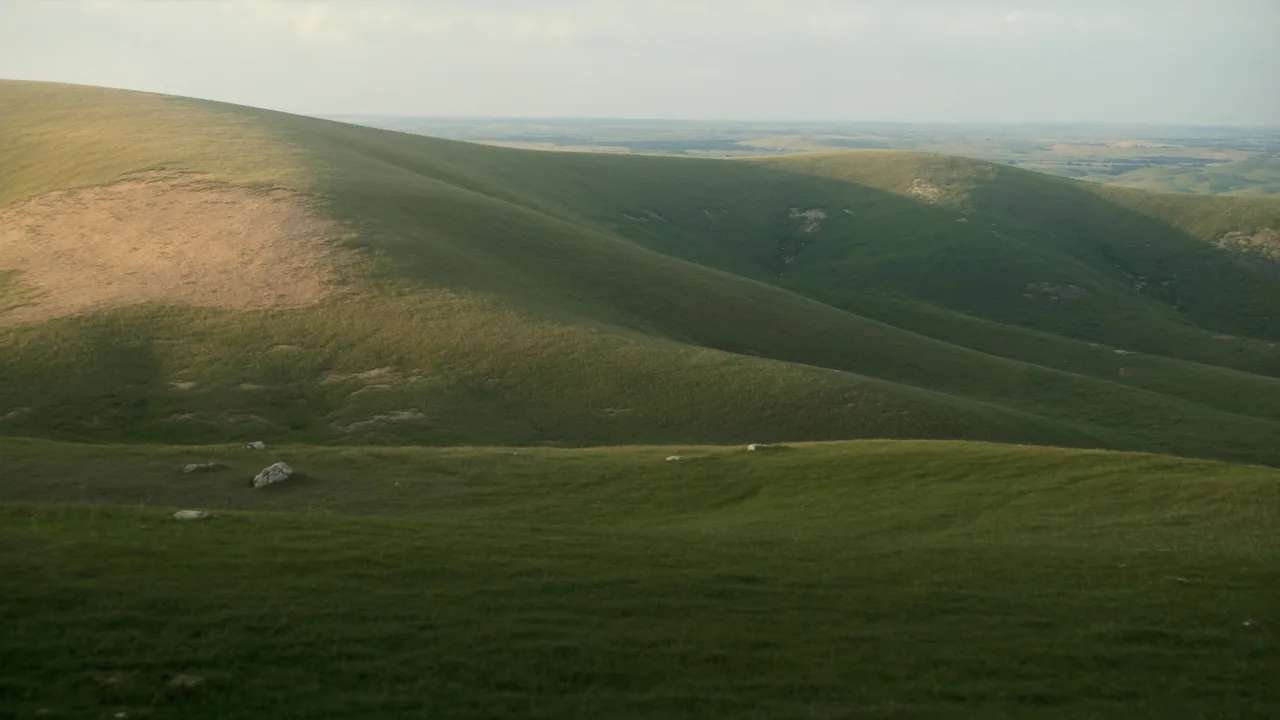
Quivira National Wildlife Refuge preserves a rare inland salt marsh landscape in central Kansas, creating a vital oasis for migratory birds on the Central Flyway. Expansive shallow wetlands, salt flats, and prairie grasslands host staggering numbers of sandhill cranes, shorebirds, and waterfowl each spring and fall. A scenic wildlife drive and numerous observation points offer intimate views of this dynamic ecosystem, where rare species like the whooping crane occasionally appear amid a constant chorus of avian life.
What makes Quivira National Wildlife Refuge special?
This interior salt marsh anchors the Central Flyway, providing crucial stopover habitat for hundreds of thousands of migratory birds. Its rare blend of saline wetlands, freshwater marshes, and uplands supports a remarkable diversity, including endangered whooping cranes, piping plovers, and immense flocks of sandhill cranes during spring and fall migrations.
- Extensive salt marsh ecosystem rare in Kansas
- Wildlife drive and observation platforms for easy viewing
- Major staging area for sandhill cranes and shorebirds
- Opportunity to see endangered whooping cranes in migration
Managing agency
U.S. Fish & Wildlife Service
State
Kansas (south central)
Established
1955
Defining feature
22,135 acres featuring a rare inland salt marsh and sand prairie; Wetland of International Importance
Quivira National Wildlife Refuge preserves a rare inland salt marsh landscape in south central Kansas. Established to conserve vital habitat, it serves as an important stopover for migratory birds traveling the Central Flyway. The refuge protects expansive wetlands and prairie grasslands, contributing to biodiversity and offering a unique ecological experience for visitors interested in avian life.
RV travelers explore Quivira primarily through its scenic wildlife drive. This route offers access to observation points where large concentrations of shorebirds, waterfowl, and sandhill cranes can be viewed. Foot trails provide further opportunities for closer observation within the refuge’s diverse habitats, making it a premier destination for birding enthusiasts.
The most rewarding times to visit are during spring and fall migration seasons, typically from March through May and September through November. Sandhill crane populations peak in both March and October, offering spectacular viewing. These periods showcase the greatest variety and abundance of avian species utilizing this crucial habitat as they continue their journeys.
Consider establishing a basecamp in the general area to facilitate multiple visits to Quivira National Wildlife Refuge. This allows for flexible exploration based on weather conditions and bird activity. The surrounding landscape offers opportunities for additional outdoor recreation, complementing a focused visit to observe the refuge’s unique ecosystem.
Field timing · when to go
The seasons worth planning around
Wildlife makes this refuge worth the detour — and timing is everything. Here is the window the record calls out, with the peak seasons it names lit up.
- WinterOff-peak
- Spring Peak season
- SummerOff-peak
- Fall Peak season
Peak timing
Spring and fall migration seasons, typically March–May and September–November, offer the greatest variety and abundance of birds, with sandhill cranes peaking in March and October.
Official sources
- U.S. Fish & Wildlife Service — Quivira National Wildlife Refuge Government source
Nearby & related
Keep planning Kansas
Sourced costs, campground directories, and the places worth a detour — the next layer of Kansas trip planning.
Planning an RV trip near Quivira National Wildlife Refuge?
Was this guide helpful?