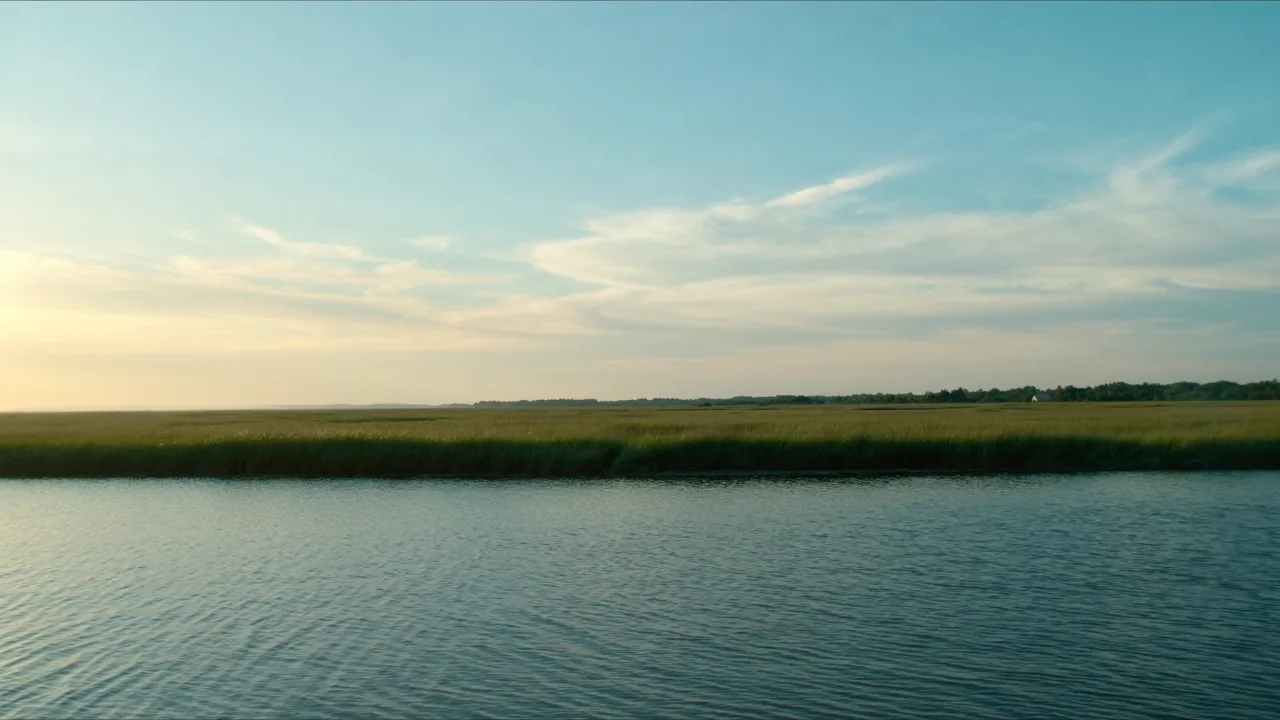
This vast expanse of tidal marsh, freshwater ponds, and loblolly pines along Maryland’s Eastern Shore protects a critical Chesapeake Bay ecosystem. Established in 1933, the refuge is famous for massive flocks of tundra swans, Canada geese, and ducks that descend each fall. Bald eagles nest here in significant numbers, and the rare Delmarva fox squirrel thrives among the trees. A wildlife drive and visitor center make it easy to experience the refuge’s wild heart.
What makes Blackwater National Wildlife Refuge a top birdwatching destination?
Its immense tidal marshes attract staggering numbers of migrating and wintering waterfowl—tundra swans, snow geese, and more than 20 duck species visible from the wildlife drive. The refuge also supports a dense bald eagle population and the rare Delmarva fox squirrel, making any visit a rich wildlife encounter.
- Thousands of tundra swans and snow geese winter in the refuge
- Bald eagles are commonly seen, with dozens of active nests
- The Delmarva fox squirrel, once endangered, has been successfully reintroduced
Managing agency
U.S. Fish & Wildlife Service
State
Maryland (12 miles south of Cambridge, on the Eastern Shore)
Established
1933, as a waterfowl sanctuary for birds migrating along the Atlantic Flyway
Defining characteristic
Rich tidal marsh, mixed hardwood and loblolly pine forests, and freshwater wetlands; a key wintering area for Canada geese and home to the largest East Coast breeding bald eagle population north of Florida
Blackwater National Wildlife Refuge protects a vital Chesapeake Bay ecosystem with its tidal marsh, forests, and ponds. Established to safeguard birds migrating along the Atlantic Flyway, it remains an important sanctuary for waterfowl and other wildlife. The U.S. Fish & Wildlife Service manages this area south of Cambridge, Maryland, preserving habitat for species like the Delmarva fox squirrel.
RV travelers explore Blackwater via a four-mile wildlife drive allowing views of marshland habitats. Hiking trails provide opportunities to further experience the refuge's diverse landscape. Birdwatching and wildlife photography are popular activities throughout the year; visitors can observe eagles, muskrats, and impressive concentrations of migrating birds.
The most significant waterfowl viewing occurs during fall and winter months. October through February brings large numbers of tundra swans, Canada geese, and various duck species to Blackwater. This period offers prime conditions for observing these migratory patterns within the refuge’s expansive wetlands.
Consider establishing a basecamp in the general vicinity south of Cambridge to facilitate visits to Blackwater National Wildlife Refuge. From this location, it is possible to dedicate time to exploring the refuge while also enjoying other attractions along Maryland's Eastern Shore. This approach allows for flexible exploration.
Field timing · when to go
The seasons worth planning around
Wildlife makes this refuge worth the detour — and timing is everything. Here is the window the record calls out, with the peak seasons it names lit up.
- Winter Peak season
- SpringOff-peak
- SummerOff-peak
- Fall Peak season
Peak timing
Fall and winter (October–February) for peak concentrations of tundra swans, geese, and ducks
Official sources
- U.S. Fish & Wildlife Service — Blackwater National Wildlife Refuge Government source
Nearby & related
Keep planning Maryland
Sourced costs, campground directories, and the places worth a detour — the next layer of Maryland trip planning.
Planning an RV trip near Blackwater National Wildlife Refuge?
Was this guide helpful?