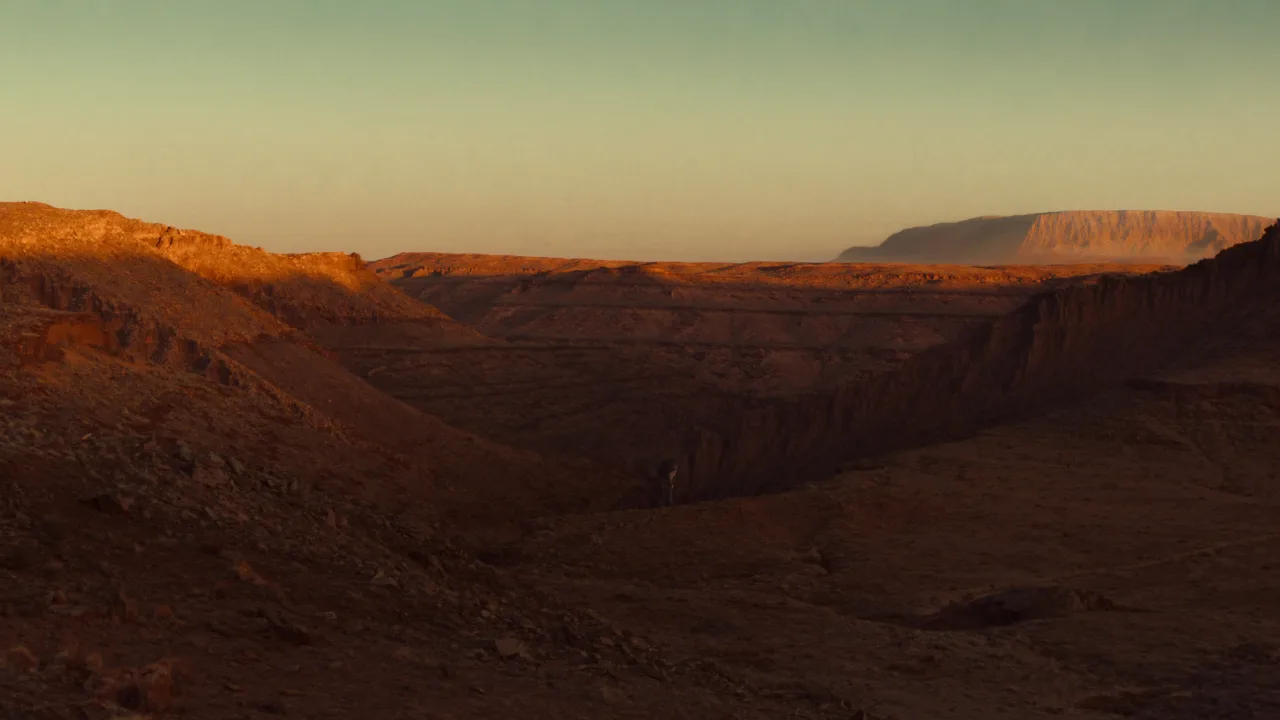
Pecos National Historical Park in New Mexico preserves a rich natural and cultural crossroads, including the ruins of Pecos Pueblo, Spanish Colonial missions, Santa Fe Trail ruts, and the battlefield of Glorieta Pass. For centuries people gathered here to trade and live, and today you can walk among weathered adobe walls, explore mission remnants, and feel the deep history across a quiet, open landscape.
Best season — Spring (April–May) and fall (September–October) offer mild weather and clear skies. Summer days can be warm with monsoon thunderstorms; winter provides solitude and occasional snow on the adobe ruins.
What can you see at Pecos National Historical Park?
You can see the adobe and stone ruins of Pecos Pueblo and a Spanish mission, with massive adobe walls still standing. The park also protects Santa Fe Trail wagon ruts and the landscape of the Battle of Glorieta Pass, all set in a broad, windswept high-desert basin.
- Preserves a natural and cultural crossroads
- Includes the ruins of Pecos Pueblo and Spanish Colonial missions
- Contains Santa Fe Trail sites and the Glorieta Pass battlefield
At a glance
The facts worth checking before you roll out
Conservative, source-minded facts for planning your visit — always worth confirming against current conditions before you travel.
Managing agency
National Park Service (U.S. Department of the Interior)
State
New Mexico
Historical significance
Preserves a natural and cultural crossroads, including Pecos Pueblo, Spanish Colonial missions, Santa Fe Trail sites, and the Battle of Glorieta Pass
On the ground
Pecos National Historical Park in New Mexico safeguards a significant cultural crossroads. The park preserves the ruins of Pecos Pueblo, remnants of Spanish Colonial missions, and visible traces of the Santa Fe Trail alongside the battlefield of Glorieta Pass. This landscape reveals centuries of interaction between people who once gathered to trade and establish lives here.
RV travelers explore the park through a self-guided walk among the remains of adobe structures. Visitors can observe kivas from Pecos Pueblo and the walls of the former Spanish mission, gaining insight into layered histories. The high-desert environment provides open views and encourages quiet contemplation of this historic place.
Spring months, April through May, and fall, September to October, generally offer pleasant weather for exploration. Summer brings warm temperatures with possible afternoon thunderstorms. Winter can be solitary, and occasionally the adobe ruins are touched by snow, offering a unique perspective on the landscape's history.
Consider establishing a basecamp in the surrounding area while visiting Pecos National Historical Park. This allows flexible access to the park for exploration, as well as opportunities to experience other regional attractions. A central location simplifies day trips and provides a comfortable return point after a day spent among historical ruins.
Official sources
- National Park Service — Pecos National Historical Park National Park Service
Nearby & related
Keep planning New Mexico
Sourced costs, campground directories, and the places worth a detour — the next layer of New Mexico trip planning.
- New Mexico RV rental costFuel · camping · tax, sourced
- New Mexico RV-friendly campgroundsHookups, rig limits, booking tips
- Campervan & van rentals in New MexicoVan-life routes, rules & rigs
- BLM landsDispersed-camping country
- Wild & scenic riversFree-flowing river trips
- BattlefieldsHallowed-ground history stops
- Deep trip guidesLong-form seasonal playbooks
Planning an RV trip near Pecos National Historical Park: An RV Traveler's Guide?
Was this guide helpful?