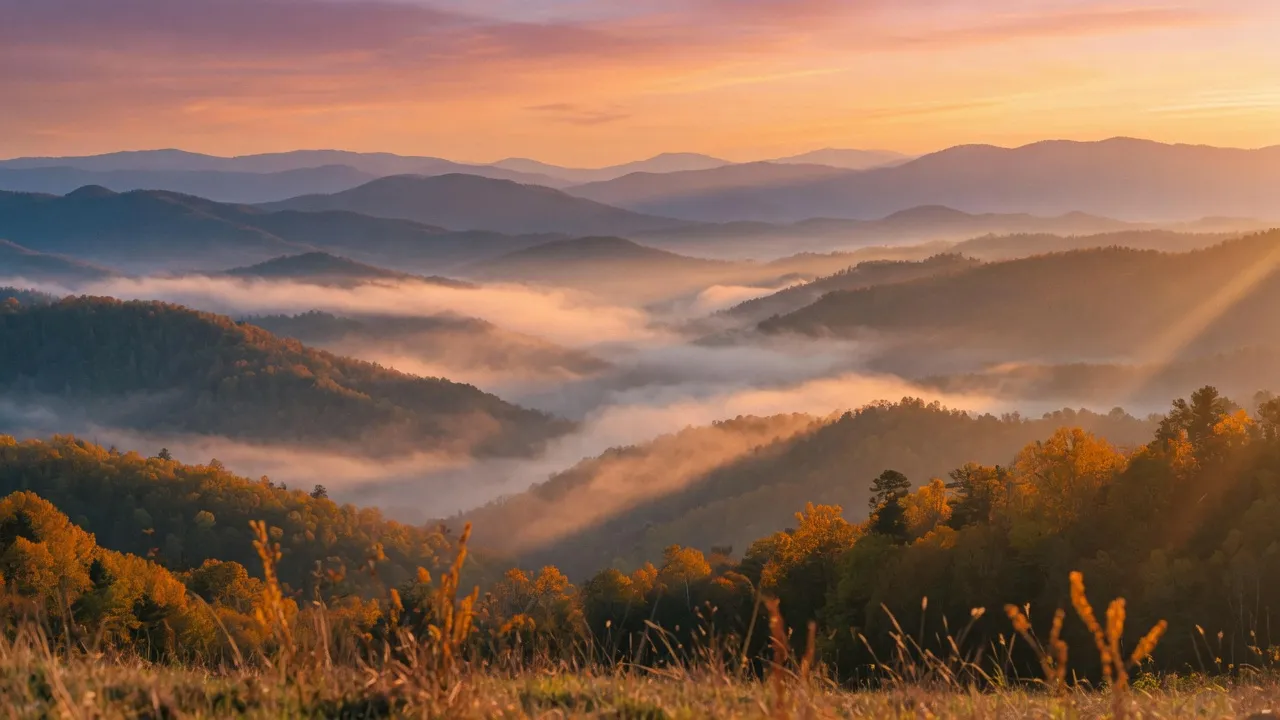
The Manhattan Project National Historical Park commemorates the three secret communities—Oak Ridge, Los Alamos, and Hanford—where the world’s first atomic bombs were developed. Spread across Tennessee, New Mexico, and Washington, the park preserves sites of uranium and plutonium production, weapons design, and the towns that supported this historic effort. Each location offers a distinct window into the science, secrecy, and human stories of the nuclear age, inviting reflection on one of history’s most profound chapters.
Best season — Spring and fall offer mild temperatures for touring outdoor sites; summer can be hot in Los Alamos and Hanford.
What can visitors see at the Manhattan Project NHP?
Visitors can tour historic facilities, laboratories, and preserved communities where the atomic bomb was developed. Each park unit highlights a distinct part of the story—uranium processing, weapons design, or plutonium production—through exhibits and original places.
- Experience the three secret Manhattan Project communities in Tennessee, New Mexico, and Washington
- See sites where uranium and plutonium were processed and the bomb was designed
- Discover the science, secrecy, and human stories behind the nuclear age
At a glance
The facts worth checking before you roll out
Conservative, source-minded facts for planning your visit — always worth confirming against current conditions before you travel.
Managing agency
National Park Service (U.S. Department of the Interior)
States
New Mexico, Washington, and Tennessee (Los Alamos, Hanford, Oak Ridge)
Historical significance
Commemorates the development of the world's first atomic bombs at three secret communities, ushering in the nuclear age
On the ground
Manhattan Project National Historical Park commemorates the secret communities of Oak Ridge, Los Alamos, and Hanford where the first atomic bombs were developed. This park preserves sites related to uranium and plutonium production, weapons design, and the towns supporting this effort. It offers a unique opportunity to reflect on a pivotal moment in history and its lasting consequences.
RV travelers explore the three distinct units of this park—Oak Ridge in Tennessee, Los Alamos in New Mexico, and Hanford in Washington—each showcasing a different aspect of the Manhattan Project’s story. Visitors can tour historic facilities and laboratories, observing preserved communities where crucial work took place during World War II. Exhibits detail both scientific advancements and personal experiences.
The best seasons for visiting are spring and fall when temperatures remain mild, ideal for outdoor exploration. Summer months in Los Alamos and Hanford can bring significant heat. Planning visits around these conditions will enhance comfort while touring the sites and learning about the project’s history and impact on the world.
Consider establishing a basecamp within reasonable driving distance of all three park units to facilitate comprehensive exploration. This allows for day trips to each location, accommodating varying travel preferences. From this central point, RV travelers can spend real time with the science, secrecy, and human stories behind one of history's most profound chapters.
Official sources
- National Park Service — Manhattan Project National Historical Park National Park Service
Nearby & related
Keep planning Tennessee
Sourced costs, campground directories, and the places worth a detour — the next layer of Tennessee trip planning.
- Tennessee RV rental costFuel · camping · tax, sourced
- Tennessee RV-friendly campgroundsHookups, rig limits, booking tips
- Campervan & van rentals in TennesseeVan-life routes, rules & rigs
- National preservesBackcountry-scale wilds
- Lakes & reservoirsWaterside camps & guides
- Hot springsSoak-worthy road stops
- RV driving & licensingLicenses, lanes & low bridges
Planning an RV trip near Manhattan Project National Historical Park: An RV Traveler's Guide?
Was this guide helpful?