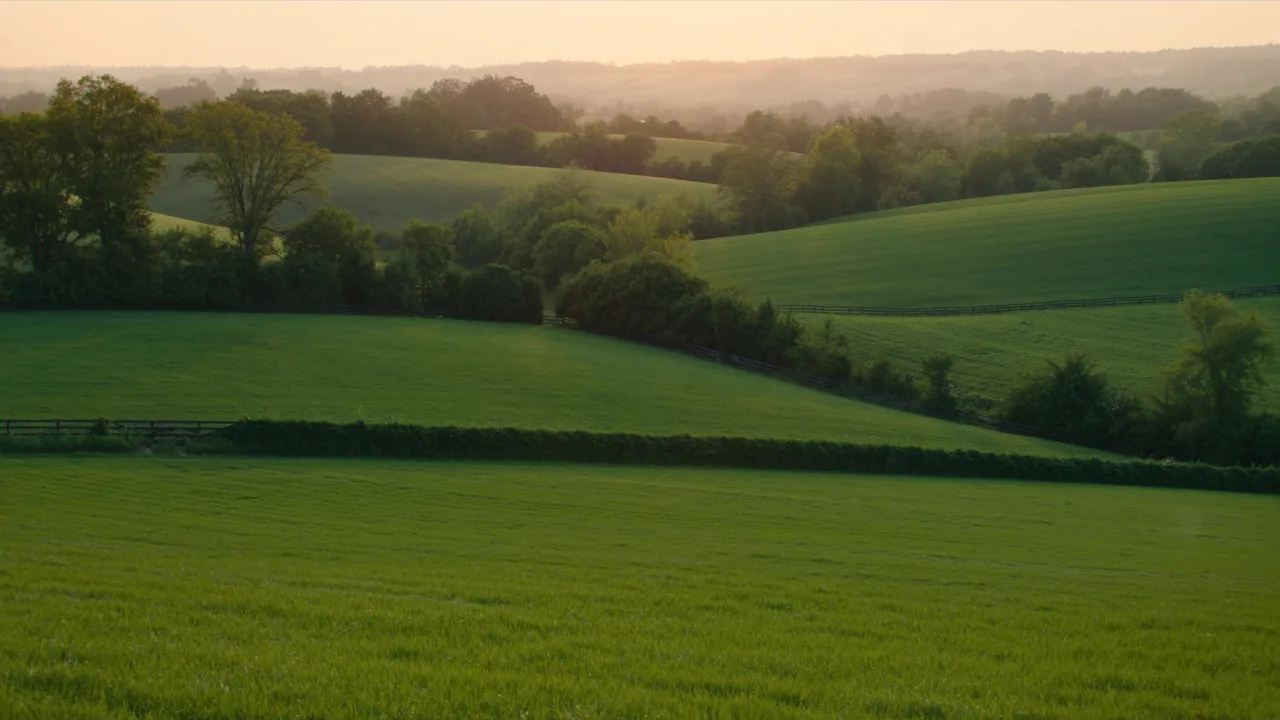
Cumberland Gap National Historical Park preserves the storied mountain pass that funneled roughly 300,000 settlers through the Appalachians into the American interior. Spanning about 14,000 acres across Kentucky, Tennessee, and Virginia, this tri-state wilderness offers nearly 85 miles of trails. From the Pinnacle Overlook, visitors gaze across three states. Trails wind through hardwood forests along historic migration routes, while the surrounding landscape echoes with the footsteps of pioneers. It’s a place where geology, wildlife, and the westward movement converge, offering RV travelers a quiet yet profound connection to early America.
Best season — spring and fall for mild temperatures and colorful foliage; summer is popular but humid
What can RV travelers experience at Cumberland Gap?
RV travelers can explore the historic pass where roughly 300,000 settlers crossed the Appalachians. From Pinnacle Overlook, they can survey Kentucky, Tennessee, and Virginia. With nearly 85 miles of trails and nearby camping, the park offers a scenic and historic destination.
- Roughly 300,000 pioneers used this gap as the first great gateway to the west.
- The park spans about 14,000 acres and contains nearly 85 miles of hiking trails.
- From overlooks, you can gaze across Kentucky, Tennessee, and Virginia.
At a glance
The facts worth checking before you roll out
Conservative, source-minded facts for planning your visit — always worth confirming against current conditions before you travel.
Managing agency
National Park Service (U.S. Department of the Interior)
States
Kentucky, Tennessee, and Virginia
Significance
Cumberland Gap was the first great gateway to the west, through which roughly 300,000 people crossed the Appalachians to settle America
Size
About 14,000 acres of wilderness with nearly 85 miles of trails (per NPS page)
On the ground
Cumberland Gap National Historical Park preserves a significant mountain pass, historically used by approximately 300,000 settlers entering the American interior. Spanning roughly 14,000 acres across Kentucky, Tennessee and Virginia, this park commemorates the nation’s westward expansion. The landscape represents a convergence of geology, wildlife, and the stories of those who forged a new life.
RV travelers to Cumberland Gap can experience both scenic drives and access nearly 85 miles of trails. A key feature is Pinnacle Overlook, offering views across three states. Exploring this area provides an immersive connection to pioneer heritage and Appalachian history, with opportunities for outdoor recreation alongside historical reflection.
The best times to visit are spring and fall when temperatures are mild and the foliage displays vibrant colors. Summer brings popularity but also increased humidity. Planning a trip during these shoulder seasons can offer pleasant conditions for hiking and exploring the park’s varied terrain.
Consider establishing a basecamp in a nearby location, allowing convenient access to Cumberland Gap while enjoying additional regional attractions. From this central point, RV travelers can easily dedicate time to experiencing the park's trails, overlooks, and historical significance within the tri-state area.
Official sources
- National Park Service — Cumberland Gap National Historical Park National Park Service
Nearby & related
Keep planning Kentucky
Sourced costs, campground directories, and the places worth a detour — the next layer of Kentucky trip planning.
- Kentucky RV rental costFuel · camping · tax, sourced
- Kentucky RV-friendly campgroundsHookups, rig limits, booking tips
- Campervan & van rentals in KentuckyVan-life routes, rules & rigs
- Lakes & reservoirsWaterside camps & guides
- Hot springsSoak-worthy road stops
- Ghost townsBoom-and-bust detours
- Deep trip guidesLong-form seasonal playbooks
Planning an RV trip near Cumberland Gap National Historical Park: An RV Traveler's Guide?
Was this guide helpful?