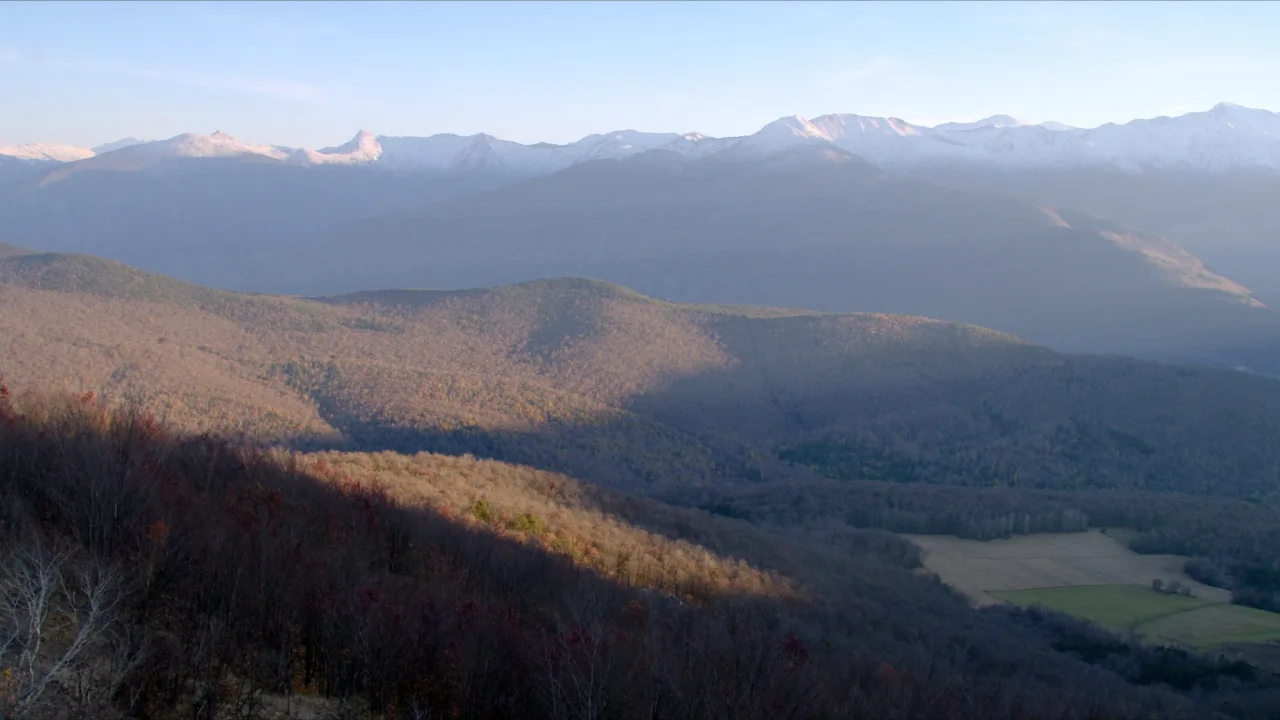
The Hudson River National Estuarine Research Reserve protects four remarkable tidal freshwater wetlands along a 100-mile stretch of the Hudson. Piermont Pier, Iona Island, Tivoli Bays, and Stockport Flats collectively shelter vital fish nurseries, waterfowl, and bald eagles. Walk boardwalks into marsh landscapes, launch a kayak into quiet side channels, or scan mudflats for migrating shorebirds. The reserve reveals a freshwater estuary where ocean tides meet upland rivers, creating a rich mosaic just north of New York City. RV travelers can use nearby Hudson Valley campgrounds to explore all four sites at a relaxed pace.
Best season — Spring through fall; birding peaks during spring and fall migrations, while paddling and trail conditions are best from late spring through early fall.
What can I do at the Hudson River National Estuarine Research Reserve?
Visitors explore four distinct wetland sites offering boardwalk strolls, birding, and gentle paddling. The reserve’s tidal freshwater marshes and sheltered bays attract bald eagles, osprey, and migratory waterfowl, making it a standout destination for naturalists and kayakers on the Hudson.
- Walk the Piermont Pier boardwalk for sweeping views of the Tappan Zee and expansive marsh
- Paddle through the sheltered backwaters and channels of Tivoli Bays
- Look for bald eagles, osprey, and migrating warblers at Iona Island and Stockport Flats
At a glance
The facts worth checking before you roll out
Conservative, source-minded facts for planning your visit — always worth confirming against current conditions before you travel.
Managing agency
NOAA National Estuarine Research Reserve System; managed by the New York State Department of Environmental Conservation
State/Region
New York; four coastal wetland sites along 100 miles of the Hudson River estuary
Defining characteristic
Freshwater and brackish tidal wetlands and uplands; home to more than 200 species of fish and river-dependent wildlife
Designated
1982
On the ground
The Hudson River National Estuarine Research Reserve safeguards four tidal freshwater wetlands spanning 100 miles of the river. These areas are crucial habitats for fish nurseries, waterfowl, and bald eagles. The reserve demonstrates where ocean tides meet upland rivers, creating a unique ecosystem just north of New York City. Its preservation ensures ongoing ecological research and public access.
RV travelers explore the Reserve by accessing its four sites: Piermont Pier, Iona Island, Tivoli Bays, and Stockport Flats. Boardwalks offer views of marsh landscapes while trails provide opportunities for hiking. Paddlers can launch kayaks into quiet channels. The Reserve is an eBird hotspot and provides calm waters away from larger river traffic.
The best time to visit extends from spring through fall. Birding enthusiasts will find peak activity during spring and fall migrations. Warmer months offer ideal conditions for paddling and comfortable exploration of the trails. Tidal fluctuations affect access to some areas, creating constantly changing vistas within the Reserve’s marshlands.
Base yourself in a Hudson Valley location and plan day trips to each of the four reserve sites at your own pace. Boardwalks and interpretive signage make self-guided tours accessible. Focus on experiencing the unique tidal landscapes and observing wildlife native to this freshwater estuary along the Hudson River.
Official sources
- NOAA — Hudson River National Estuarine Research Reserve Government source
Nearby & related
Keep planning New York
Sourced costs, campground directories, and the places worth a detour — the next layer of New York trip planning.
Planning an RV trip near Hudson River National Estuarine Research Reserve: An RV Traveler's Guide?
Was this guide helpful?