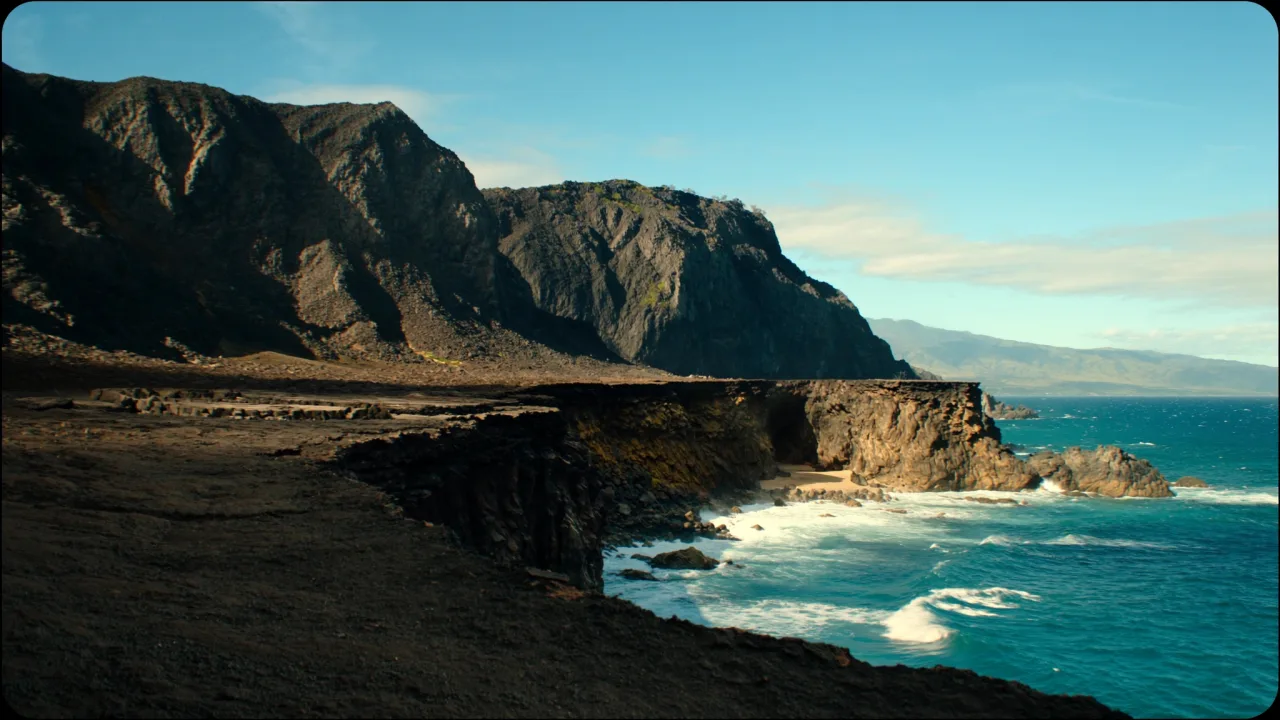
RVers exploring Oʻahu can discover Heʻeia National Estuarine Research Reserve, designated in 2017 on the windward coast. This 1,385-acre reserve safeguards a mix of upland, estuarine, and marine habitats, including the Heʻeia stream, coral reefs, and sand flats within Kaneʻohe Bay. Endangered species such as the Hawaiian stilt, moorhen, coot, duck, and hoary bat find refuge here. Paddle along the calm estuary, watch for rare birds, or simply soak in the coastal beauty where science and conservation come alive.
Best season — Year-round tropical climate; calmer waters typically April–October, winter swells can affect kayaking.
What makes Heʻeia NERR special to visit?
It’s a living laboratory where 1,385 acres of stream, reef, and sand flat habitats support rare native wildlife, and where NOAA and the University of Hawaiʻi collaborate on estuarine research and education against a stunning windward Oʻahu backdrop.
- Spans 1,385 acres of upland, estuarine, and marine environments on Oʻahu’s windward side.
- Provides critical habitat for endangered Hawaiian waterbirds, including the stilt, moorhen, and coot, as well as the hoary bat.
- Features the Heʻeia stream, coral reefs, and sand flats within the larger Kaneʻohe Bay ecosystem.
At a glance
The facts worth checking before you roll out
Conservative, source-minded facts for planning your visit — always worth confirming against current conditions before you travel.
Managing agency
NOAA National Estuarine Research Reserve System; managed in partnership with the University of Hawai'i Institute of Marine Biology
State / location
Hawaii — windward side of O'ahu, within the He'eia estuary and part of Kane'ohe Bay
Designated
2017
Size / defining characteristic
1,385 acres of upland, estuarine, and marine habitats including the He'eia stream, coral reefs, and sand flats; protects endangered species such as the Hawaiian stilt, moorhen, coot, duck, and hoary bat
On the ground
Heʻeia National Estuarine Research Reserve, established in 2017 on Oʻahu’s windward coast, preserves 1,385 acres of diverse habitats. These include upland areas transitioning to estuarine and marine environments within Kaneʻohe Bay. The reserve is significant as a site for ongoing research conducted by NOAA and the University of Hawaiʻi, focused on coastal ecosystems.
RV travelers can experience Heʻeia through water-based activities like kayaking along the calm estuary. Opportunities also exist to observe native Hawaiian wildlife, including endangered species such as the stilt, moorhen, coot, duck, and hoary bat. Access and available activities are best confirmed with official reserve resources prior to visiting.
Oʻahu’s climate is tropical year-round; however, conditions at Heʻeia favor calmer waters for paddling between April and October. Winter months may bring larger swells affecting the bay. Planning a visit considering these seasonal variations can enhance enjoyment of water activities within the reserve's boundaries.
Consider establishing a basecamp somewhere on Oʻahu to explore Heʻeia alongside other island attractions. The reserve is easily accessible for a day trip, allowing RVers to enjoy its unique coastal environment and research focus before returning to their chosen location. Check current access details before your visit.
Official sources
- NOAA — Heʻeia National Estuarine Research Reserve Government source
Nearby & related
Keep planning Hawaii
Sourced costs, campground directories, and the places worth a detour — the next layer of Hawaii trip planning.
Planning an RV trip near Heʻeia National Estuarine Research Reserve: An RV Traveler's Guide?
Was this guide helpful?