Special / heritageCited official sources
Trail of Tears commemorative drive
Honoring the 1838-1839 forced removal. Multi-state heritage route with respect.
The Trail of Tears was the forced removal of approximately 60,000 Indigenous people — primarily Cherokee, but also Muscogee Creek, Seminole, Chickasaw, and Choctaw — from their ancestral homelands in the Southeastern US to Indian Territory (Oklahoma) in 1830-1850. Approximately 4,000 Cherokee died during the removal. The NPS Trail of Tears National Historic Trail interprets multiple route variants spanning nine states.
- Tier
- Special / heritage
- State
- Tennessee
- Sources
- Cited official (.gov / .org)
How should I approach a Trail of Tears RV trip?
With reverence. This is a commemorative drive, not a tourist circuit. The Trail of Tears commemorates one of the most catastrophic events in US history. Visit the major interpretive sites: New Echota State Historic Site (GA, last Cherokee capital), Trail of Tears National Historic Trail interpretive centers, the Cherokee National Capitol in Tahlequah OK. Engage with current Cherokee, Muscogee, Choctaw, Chickasaw, and Seminole nations whose descendants live in Oklahoma and the Southeast. This trip should center living tribal communities, not be a 'tour' of pain.
- Approach with reverence
- Multi-state interpretive sites
- Honor living tribal nations
- New Echota GA + Tahlequah OK
- Cherokee Nation cultural tourism
Five Civilized Tribes removal
Centering tribal nations today
The Cherokee Nation (Oklahoma), Eastern Band of Cherokee Indians (North Carolina), United Keetoowah Band of Cherokee Indians (Oklahoma), Muscogee (Creek) Nation, Seminole Nation, Chickasaw Nation, and Choctaw Nation all maintain contemporary tribal governments. Multiple operate cultural centers, museums, and welcomed-visitor sites.
Visit those sites. Support tribal-owned businesses. Acknowledge that the Trail of Tears was not the end of these nations — they are living, sovereign communities today.
Cherokee Nation Cultural Tourism, Choctaw Nation Cultural Center, Chickasaw Cultural Center, and Muscogee (Creek) Nation Cultural Center all welcome visitors. Visit with appropriate cultural humility.
Acknowledgements
- Cherokee Nation
- Eastern Band of Cherokee Indians
- United Keetoowah Band of Cherokee Indians
- Muscogee (Creek) Nation
- Seminole Nation
- Chickasaw Nation
- Choctaw Nation
What NPS Trail of Tears NHT + tribal nations doesn't tell you
NPS interpretation has improved. Tribal nation-managed cultural centers are the more meaningful interpretive resource.
Frequently asked questions
- How should I behave at interpretive sites?
- With reverence. This is comparable to visiting Holocaust memorial sites. Don't photograph people without consent. Don't treat as photo opportunity.
Authoritative sources
- National Park Service — find a park National Park Service
- America's Byways — Federal Highway Administration scenic byway program FHWA National Scenic Byways
Verify current conditions with state DOT 511 systems before departure. RV restrictions may change. Weather may close roads.
Cultural respect
This route crosses or commemorates lands and histories of Indigenous, African American, or other communities. Travel with cultural awareness. Visit tribal cultural centers and support tribal-owned businesses. Respect photography restrictions and sacred sites.
Planning an RV trip along Trail of Tears commemorative drive?
Rent an RV in the 8 states Trail of Tears commemorative drive crosses
This drive spans more than one state. Pick up where the road starts, or wherever the trip suits you.

Alabama RV rentals
1 guide on this page cross it

Arkansas RV rentals
1 guide on this page cross it

Georgia RV rentals
1 guide on this page cross it

Kentucky RV rentals
1 guide on this page cross it
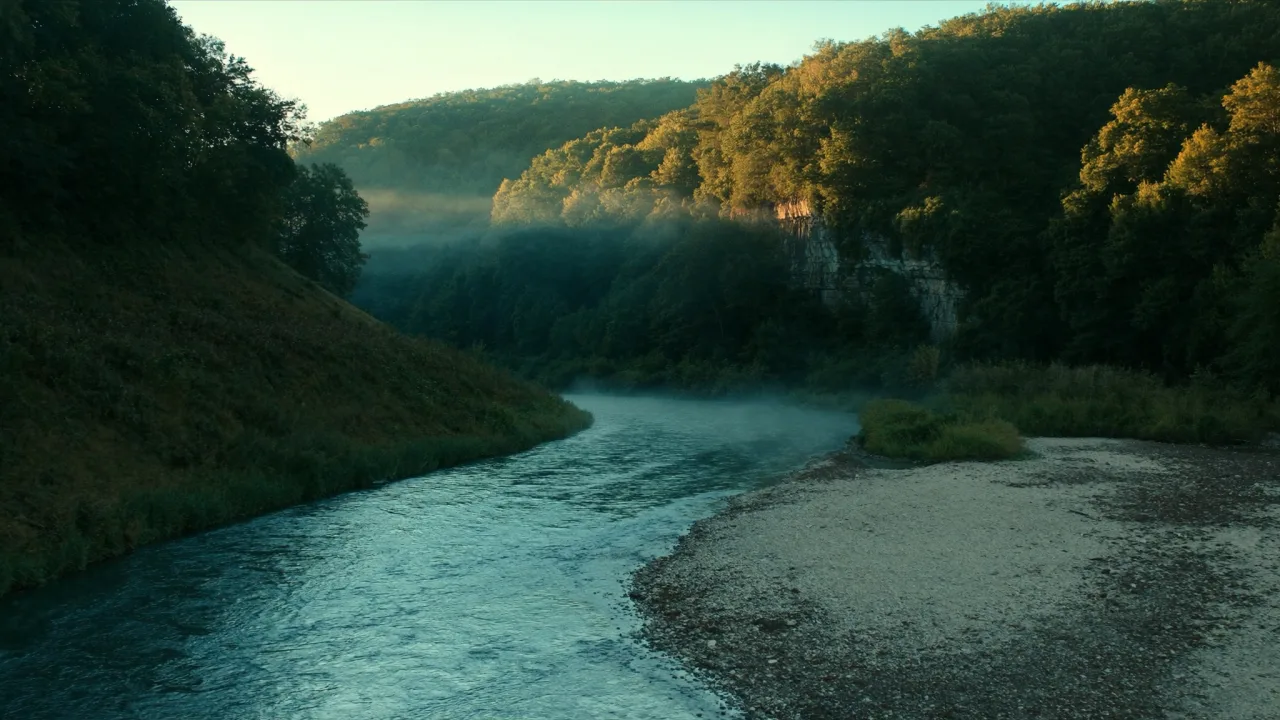
Missouri RV rentals
1 guide on this page cross it

North Carolina RV rentals
1 guide on this page cross it
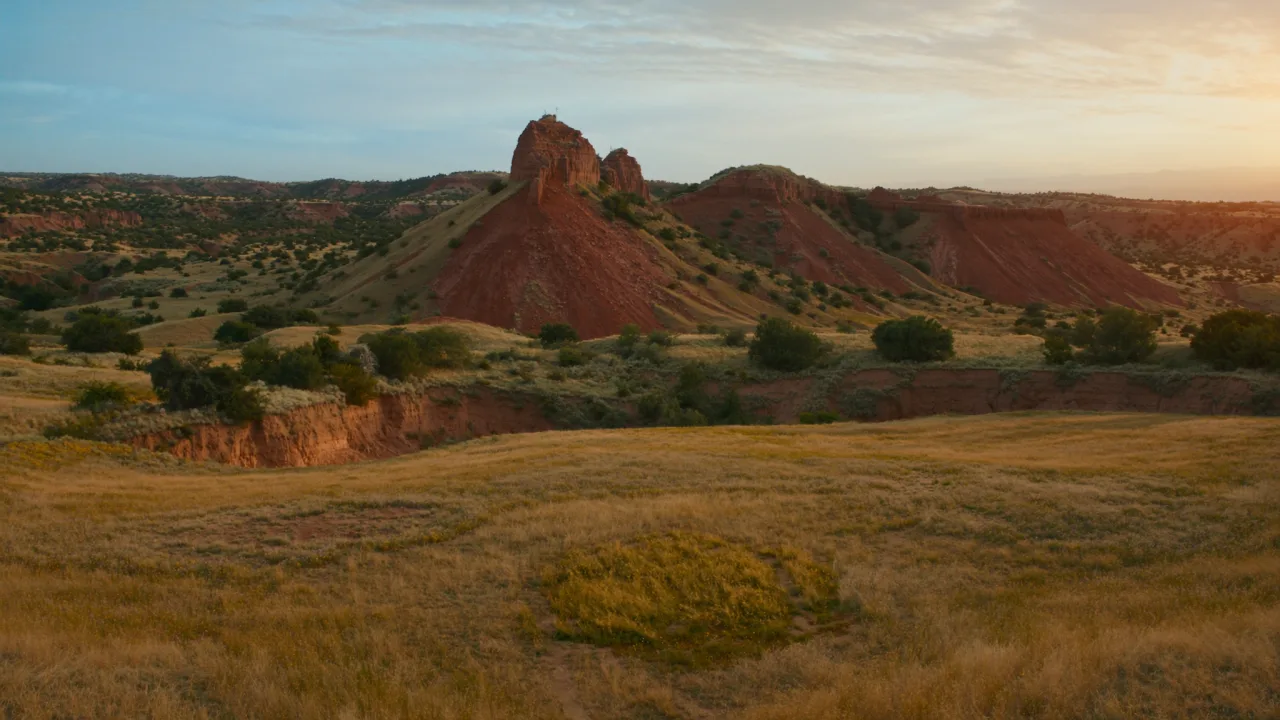
Oklahoma RV rentals
1 guide on this page cross it

Tennessee RV rentals
1 guide on this page cross it
Not sure which state yet? Search every RV on PickRV.
Was this guide helpful?