Fuel + logisticsCited official sources
Towed vehicle fuel + flat-tow rules
Dinghy towing reality for RV travelers.
Many RV travelers tow a 'dinghy' vehicle behind their motorhome for local exploration. The towed vehicle is typically flat-towed (4-down with all wheels on the ground), trailer-towed (vehicle on a trailer), or dolly-towed (front wheels on a dolly, rear on the ground). Each has fuel + maintenance implications.
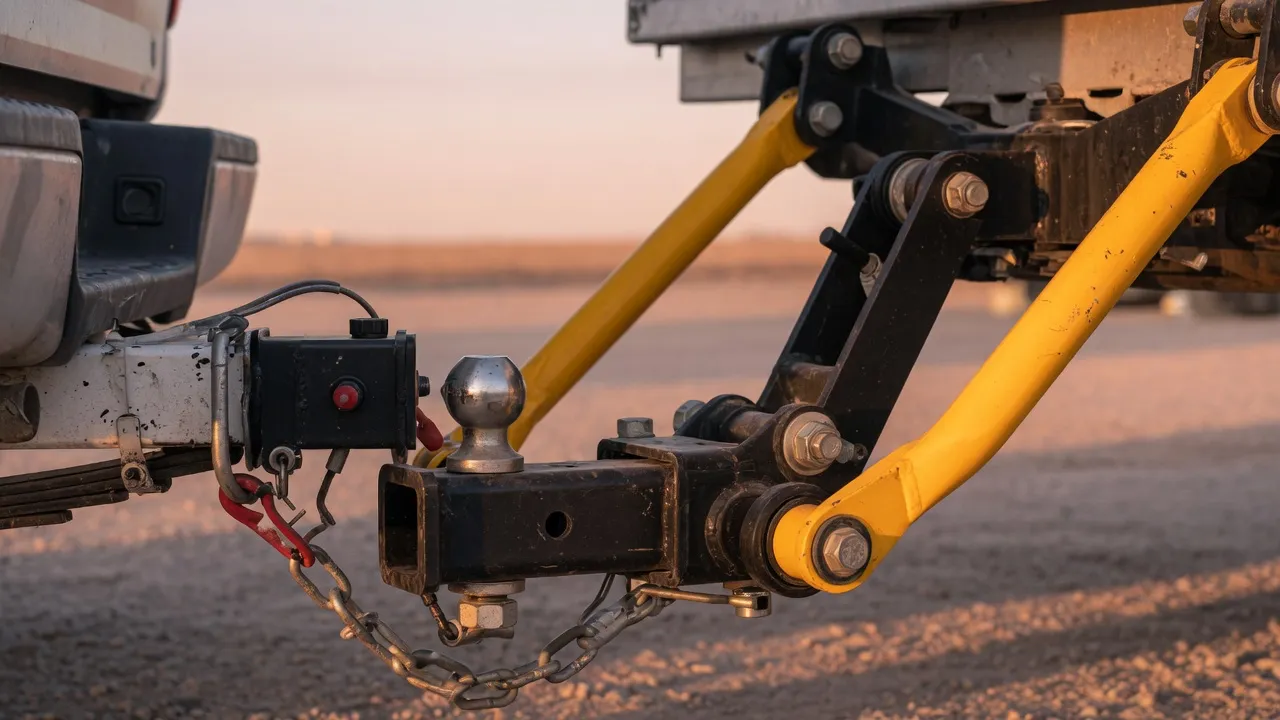
Frame: a general RV subject photograph — not a place on this route.
- Tier
- Fuel + logistics
- Sources
- Cited official (.gov / .org)
Does my towed vehicle use fuel while being towed?
No — flat-towed vehicles use no fuel during the tow. The engine is off, transmission in neutral. The towed vehicle is freewheeling on its own tires. Maintenance reality is that flat-towed vehicles need their odometers monitored (some accumulate tow miles which may affect warranty), and their tires wear normally during the tow. Some vehicles cannot be flat-towed due to transmission design.
- Flat-tow: no fuel use
- Engine off, transmission neutral
- Tire wear normal
- Some vehicles not flat-towable
- Odometer accumulation varies
Flat-tow compatibility
Verify the towed vehicle's owner's manual for flat-tow specifications. Many automatic transmissions are not flat-towable — towing damages the transmission.
Common 4-down flat-tow vehicles: Jeep Wrangler (manual or 4WD), Ford Edge (specific models), Honda CR-V (manual), Mini Cooper. Verify your specific year and trim.
What MotorHome magazine + dinghy guides doesn't tell you
MotorHome publishes annual flat-tow guides covering the latest compatible vehicles.
- MotorHome flat-tow guide: Annual reference.[source]
Frequently asked questions
- Can I flat-tow an EV?
- Most EVs are not flat-towable due to drivetrain. Some specific models OK. Verify owner's manual.
Authoritative sources
Verify current conditions with state DOT 511 systems before departure. RV restrictions may change. Weather may close roads.
Planning an RV trip along Towed vehicle fuel + flat-tow rules?
Was this guide helpful?