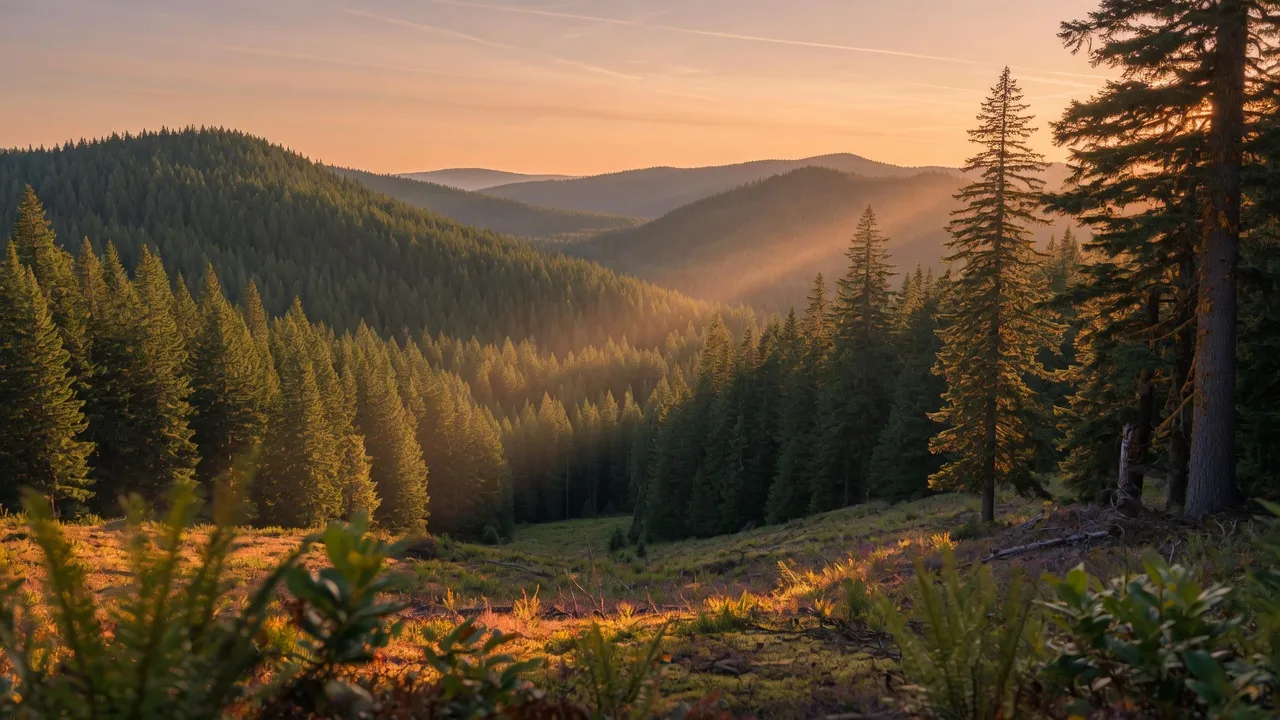
Managed by the U.S. Fish & Wildlife Service, Malheur National Wildlife Refuge sprawls across over 187,000 acres of southeastern Oregon's high desert and northern Great Basin. Located about 32 miles south of Burns, this vast protected landscape is a vital stopover for migratory birds on the Pacific Flyway. Ducks and geese share the water with colonial nesters — avocets, stilts, herons, pelicans, and terns. It is quiet and expansive out here, and the birds are the show.
What makes Malheur National Wildlife Refuge a premier birding destination?
Its location on the Pacific Flyway and vast, undisturbed habitat attract millions of migratory birds each season, offering exceptional viewing of waterfowl and colonial nesters.
- Encompasses over 187,000 acres of high desert and wetlands.
- Hosts iconic colonial nesting birds like avocets, pelicans, and terns.
- Located approximately 32 miles south of Burns, Oregon, in the Great Basin.
Managing agency
U.S. Fish & Wildlife Service (USFWS)
Location
Southeastern Oregon high desert, northern Great Basin, ~32 miles south of Burns, OR
Size
Over 187,000 acres
Signature wildlife
Migratory birds on the Pacific Flyway — waterfowl, colonial nesting birds (avocets, stilts, ducks, geese, herons, pelicans, terns)
Malheur National Wildlife Refuge, managed by the U.S. Fish & Wildlife Service, protects over 187,000 acres of high desert and wetlands in southeastern Oregon. It’s a critical point on the Pacific Flyway, ensuring continued habitat for migratory birds. The refuge provides essential resting and feeding grounds, supporting large populations traveling between breeding and wintering areas.
RV travelers to Malheur typically focus on wildlife observation and photography. Opportunities abound to view waterfowl like ducks and geese alongside colonial nesting species such as avocets, stilts, herons, pelicans, and terns. The remoteness keeps visits quiet and unhurried.
The best times to visit are spring (March–May) and fall (September–October), coinciding with peak bird migrations. Summer offers viewing of nesting birds but can be quite warm in the high desert. Winter brings a quieter, colder landscape, though wildlife is still present. Planning around these seasonal changes enhances your experience.
Burns, Oregon — approximately 32 miles north — is the natural basecamp for day trips into the refuge. The area is big enough that repeat visits to different sections keep paying off.
Field timing · when to go
The seasons worth planning around
Wildlife makes this refuge worth the detour — and timing is everything. Here is the window the record calls out, with the peak seasons it names lit up.
- Winter Peak season
- Spring Peak season
- Summer Peak season
- Fall Peak season
Peak timing
Spring (March–May) and fall (September–October) for peak migrations. Summer is hot but good for nesting birds; winter is cold and quiet.
Official sources
- U.S. Fish & Wildlife Service — Malheur National Wildlife Refuge Government source
Nearby & related
Keep planning Oregon
Sourced costs, campground directories, and the places worth a detour — the next layer of Oregon trip planning.
- Oregon RV rental costFuel · camping · tax, sourced
- Oregon RV-friendly campgroundsHookups, rig limits, booking tips
- Campervan & van rentals in OregonVan-life routes, rules & rigs
- RV rentals in OregonPickRV Wiki · 6 min read
- National grasslandsWide-open prairie drives
- LighthousesCoast-road waypoints
- Sand dunesDune fields worth the climb
- RV lifehacksCamp-smarter field tricks
Planning an RV trip near Malheur National Wildlife Refuge?
Was this guide helpful?