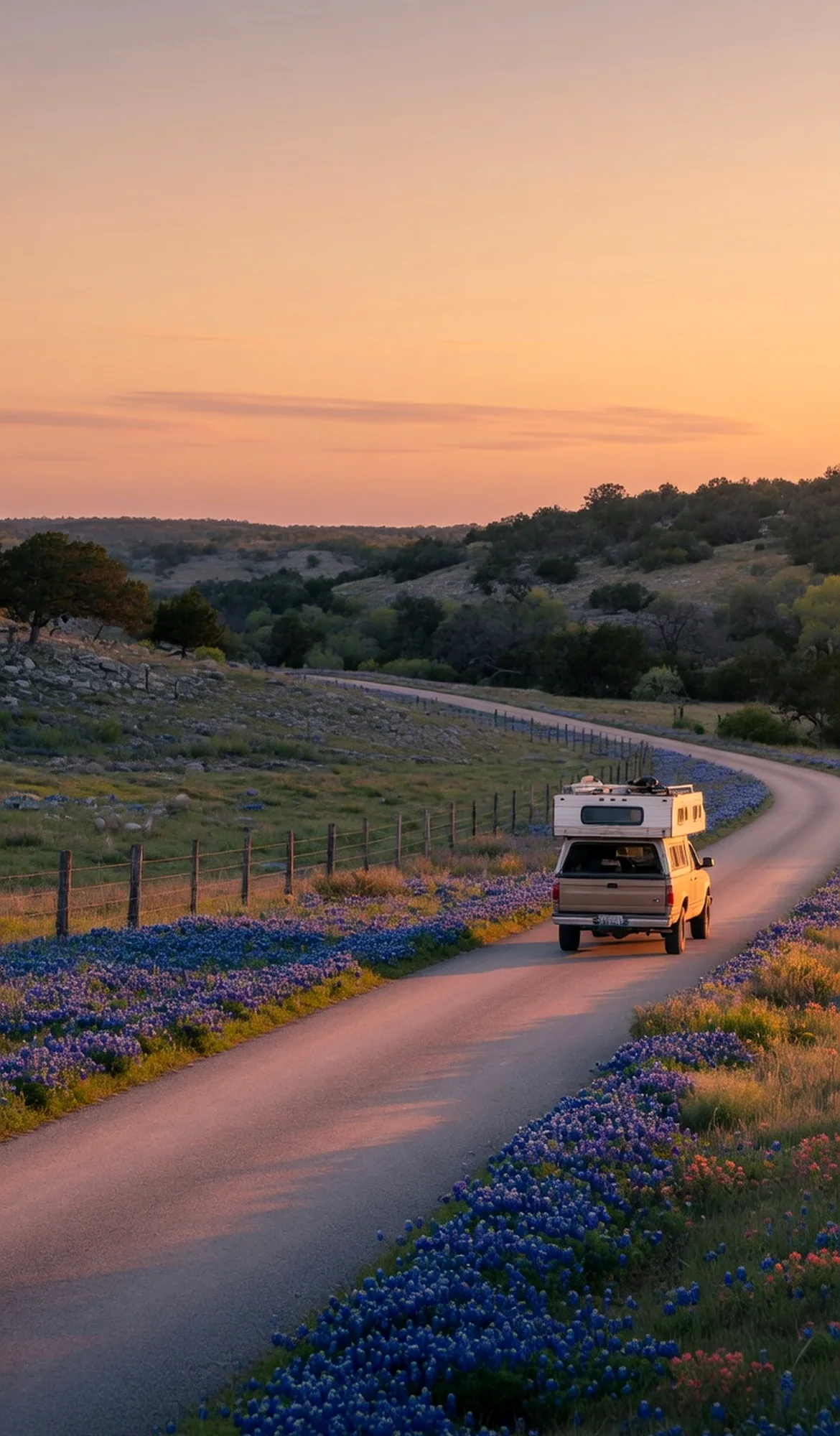
Big Thicket National Preserve protects a biologically rich landscape where pine uplands, bayous, and hardwood forests intertwine. Its multiple units harbor wetlands and thickets that support four kinds of carnivorous plants and diverse wildlife. With over 30 miles of hiking trails, visitors can wander quiet, green corridors. An RV road trip through southeast Texas offers a chance to slow down and experience this compelling convergence of natural communities.
Best season — Spring and fall offer mild temperatures, peak bird migration, and lower insect activity; wildflowers bloom in spring, and fall brings subtle color changes.
What makes Big Thicket National Preserve so biologically diverse?
The preserve protects a rare overlap of habitats that blend forests, wetlands, and other ecosystems, supporting a wide range of species. This includes four types of carnivorous plants and abundant wildlife, accessible through over 30 miles of trails across multiple units. The varied landscapes create a uniquely biodiverse setting.
- Home to four kinds of carnivorous plants
- Contains over 30 miles of hiking trails across multiple units
- Protects a rich mix of ecosystems and wildlife
At a glance
The facts worth checking before you roll out
Conservative, source-minded facts for planning your visit — always worth confirming against current conditions before you travel.
Managing agency
National Park Service (U.S. Department of the Interior)
State
Texas
Defining characteristic
Protects diverse ecosystems and wildlife; home to four kinds of carnivorous plants, with over 30 miles of hiking trails across multiple preserve units
On the ground
Big Thicket National Preserve safeguards a biologically rich landscape in southeast Texas where diverse ecosystems converge. This preserve protects an unusual intersection of pine uplands, bayous and hardwood forests. It’s important because it harbors wetlands and thickets supporting unique wildlife, including four kinds of carnivorous plants. RV travel here offers a chance to experience these compelling natural communities.
RV travelers explore Big Thicket by linking its multiple units, accessing over 30 miles of hiking trails and waterways. The preserve invites slow-paced journeys with opportunities for both hiking and paddling. Visitors can witness the rich intersection of habitats while experiencing abundant wildlife within this Texas landscape. Access is spread across several distinct areas.
Spring and fall offer the most agreeable conditions for visiting, bringing mild temperatures alongside peak bird migration patterns and lessened insect activity. Wildflowers bloom during springtime, adding color to the trails, while autumn provides subtle seasonal changes in foliage. Planning a visit around these seasons allows for comfortable exploration of the preserve’s ecosystems.
Consider establishing a basecamp in a nearby community as you explore Big Thicket's dispersed units. This approach enables day trips to various trailheads and access points within the preserve, providing flexibility for hiking and experiencing different habitats. RVers can easily integrate this natural area into a broader Texas road trip itinerary.
Official sources
- National Park Service — Big Thicket National Preserve National Park Service
Nearby & related
Keep planning Texas
Sourced costs, campground directories, and the places worth a detour — the next layer of Texas trip planning.
- Texas RV rental costFuel · camping · tax, sourced
- Texas RV-friendly campgroundsHookups, rig limits, booking tips
- Campervan & van rentals in TexasVan-life routes, rules & rigs
- RV rentals in TexasPickRV Wiki · 6 min read
- National grasslandsWide-open prairie drives
- LighthousesCoast-road waypoints
- Sand dunesDune fields worth the climb
- RV lifehacksCamp-smarter field tricks
Planning an RV trip near Big Thicket National Preserve: An RV Traveler's Guide?
Was this guide helpful?