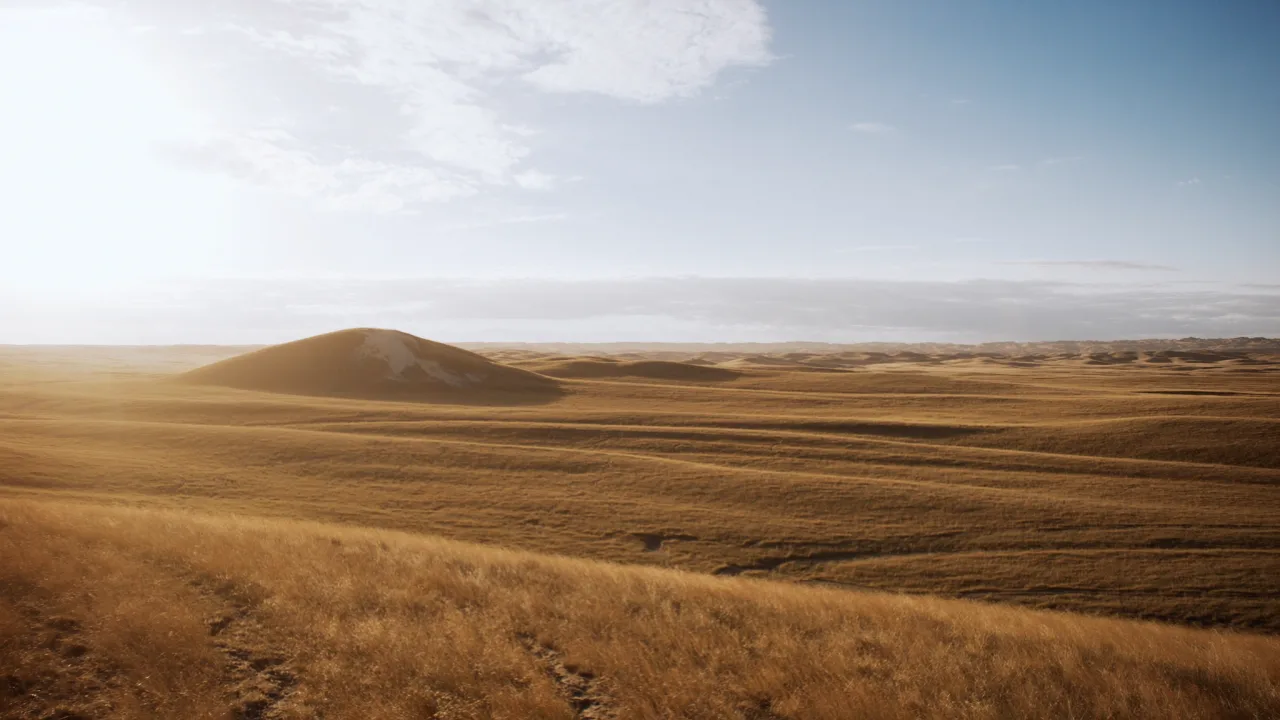
Rising prominently from the Nebraska plains, Scotts Bluff National Monument is a striking landmark that once guided pioneers along the Oregon, California, and Mormon Trails. Its towering bluff, reaching roughly 800 feet above the North Platte River, offers sweeping views of the surrounding landscape. Managed by the National Park Service, this site protects about 3,000 acres of geological wonders, paleontological treasures, and human history, preserving a tangible link to America's westward expansion. Visiting here feels like stepping back into the stories of the trailblazers who passed beneath its cliffs.
Best season — Spring and fall for mild temperatures and clear skies
What makes Scotts Bluff a must-see landmark?
Its sheer bluff rising about 800 feet above the river was a pivotal sight for pioneers. The monument’s 3,000 acres protect a deep layer of human and natural history, from fossils to trail ruts.
- Towering roughly 800 feet above the North Platte River, the bluff was a key landmark on the Oregon, California, and Mormon Trails.
- The monument covers about 3,000 acres of high plains badlands with exposed rock layers full of ancient fossils.
- Managed by the National Park Service, it preserves stories of Indigenous peoples, pioneers, and the rugged landscape of western Nebraska.
At a glance
The facts worth checking before you roll out
Conservative, source-minded facts for planning your visit — always worth confirming against current conditions before you travel.
Managing agency
National Park Service (U.S. Department of the Interior)
Defining feature
A prominent bluff towering ~800 feet above the North Platte River; a historic landmark on the Oregon, California, and Mormon Trails
What it protects
~3,000 acres of geological, paleontological, and human history in western Nebraska
On the ground
Scotts Bluff National Monument preserves roughly 3,000 acres of western Nebraska’s high plains. This landmark is a prominent bluff rising approximately 800 feet above the North Platte River. It served as a crucial guide for pioneers traveling the Oregon, California, and Mormon Trails, offering a visible sign of progress during their westward journeys.
RV travelers explore the monument by driving along the park road, stopping at overlooks to view the dramatic landscape. Hiking trails provide access to different perspectives on the bluff and surrounding badlands. The visitor center offers exhibits detailing the area’s geological history, paleontological finds, and stories of those who traversed this historic route.
The best seasons to visit are spring and fall when temperatures are mild and skies generally clear. This allows for comfortable exploration of the trails and scenic views. Conditions can be variable, so checking current forecasts is advised before arriving at the monument’s roughly 3,000 acres.
Consider establishing a basecamp in a nearby community to explore Scotts Bluff National Monument and other regional attractions. The monument's location provides an opportunity for day trips while enjoying the amenities of a more settled area. This approach allows for flexible scheduling around weather and personal preferences.
Official sources
- National Park Service — Scotts Bluff National Monument National Park Service
Nearby & related
Keep planning Nebraska
Sourced costs, campground directories, and the places worth a detour — the next layer of Nebraska trip planning.
Planning an RV trip near Scotts Bluff National Monument: An RV Traveler's Guide?
Was this guide helpful?