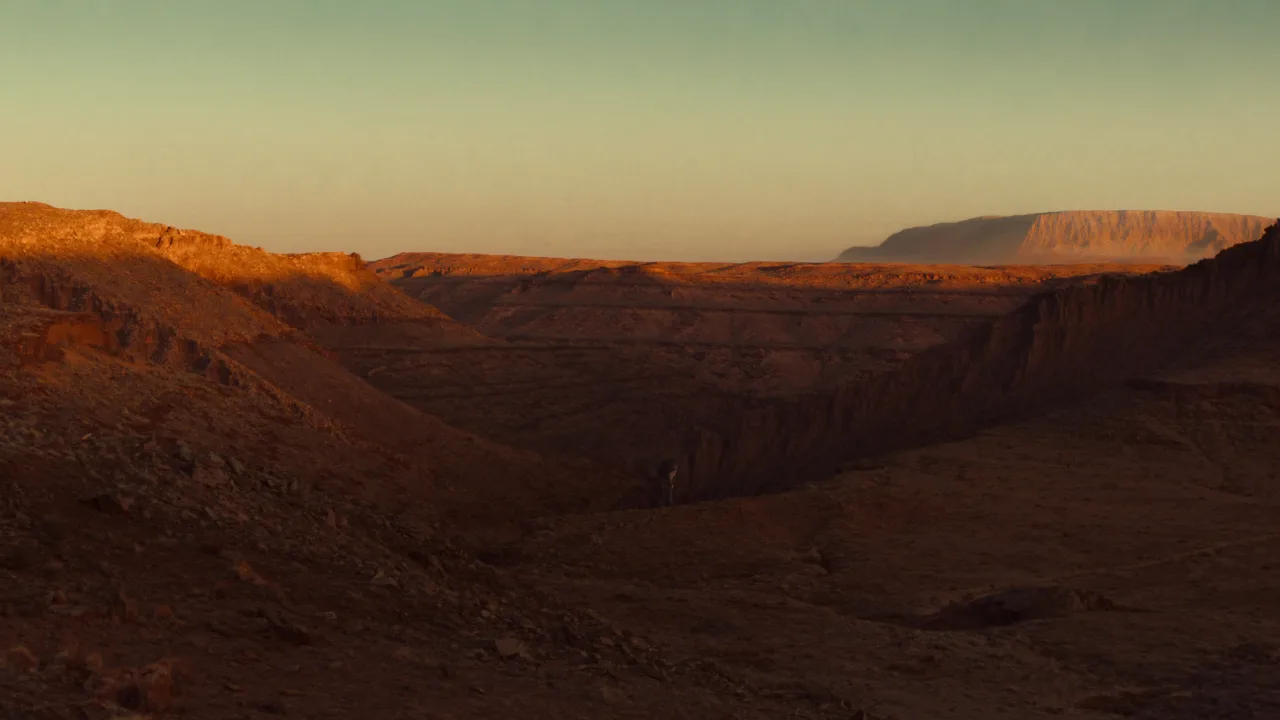
El Morro National Monument safeguards a towering sandstone bluff that has served as a landmark for centuries. Ancestral Puebloans built a village atop the mesa, while Spanish explorers and American pioneers left their marks carved into the soft rock. A reliable natural pool at its base made it a vital stop. Today, visitors walk the Inscription Loop to see over 2,000 signatures and petroglyphs, then climb the Headland Trail to explore Atsinna ruins and sweeping views.
Best season — Spring (April–May) and fall (September–October) offer mild temperatures for hiking, and the pool often holds water from winter snowmelt.
What makes El Morro National Monument unique?
The monument centers on Inscription Rock, a 200-foot sandstone bluff bearing over 2,000 carved names, dates, and messages left by travelers from the 1600s to the 1900s. Alongside these historic signatures are older petroglyphs, and atop the mesa, the ruins of a 500-room Ancestral Puebloan village overlook the ancient pool that made the site a desert oasis.
- View centuries-old Spanish and Anglo inscriptions.
- Explore Atsinna, a 13th-century pueblo with over 500 rooms.
- Hike the Headland Trail for desert views and the hidden pool.
At a glance
The facts worth checking before you roll out
Conservative, source-minded facts for planning your visit — always worth confirming against current conditions before you travel.
Managing agency
National Park Service (U.S. Department of the Interior)
State
New Mexico
Defining characteristic
A sandstone bluff (Inscription Rock) with a reliable waterhole where ancestral Puebloans, Spanish, and American travelers carved over 2,000 signatures, dates, messages, and petroglyphs
Designation history
Established December 8, 1906 as the second national monument created under the Antiquities Act
On the ground
El Morro National Monument protects a significant sandstone bluff, historically vital due to a perennial pool at its base. For centuries it served as a landmark for Ancestral Puebloans and later, Spanish explorers and American pioneers. The monument’s importance lies in the over 2,000 inscriptions and petroglyphs carved into the rock—a unique record of passage through the area.
RV travelers come to El Morro to experience this tangible history. The Inscription Loop trail provides access to view the historic carvings directly on the bluff face. Hikers can also explore the Atsinna ruins atop the mesa via the Headland Trail, offering views of the ancient pueblo and surrounding desert landscape. It's a place for walking and connecting with past journeys.
The best times to visit El Morro are spring (April–May) and fall (September–October). These seasons offer more moderate temperatures ideal for hiking the trails. The pool at the monument’s base is often replenished by winter snowmelt, though its presence varies depending on precipitation. Plan accordingly for desert conditions.
Consider establishing a basecamp in the surrounding area to explore El Morro and other regional attractions. This allows flexible day trips to experience the monument without relocating frequently. The high desert landscape offers opportunities for scenic drives and outdoor recreation beyond the National Monument’s boundaries.
Official sources
- National Park Service — El Morro National Monument National Park Service
Nearby & related
Keep planning New Mexico
Sourced costs, campground directories, and the places worth a detour — the next layer of New Mexico trip planning.
- New Mexico RV rental costFuel · camping · tax, sourced
- New Mexico RV-friendly campgroundsHookups, rig limits, booking tips
- Campervan & van rentals in New MexicoVan-life routes, rules & rigs
- National grasslandsWide-open prairie drives
- LighthousesCoast-road waypoints
- Sand dunesDune fields worth the climb
- Deep trip guidesLong-form seasonal playbooks
Planning an RV trip near El Morro National Monument: An RV Traveler's Guide?
Was this guide helpful?