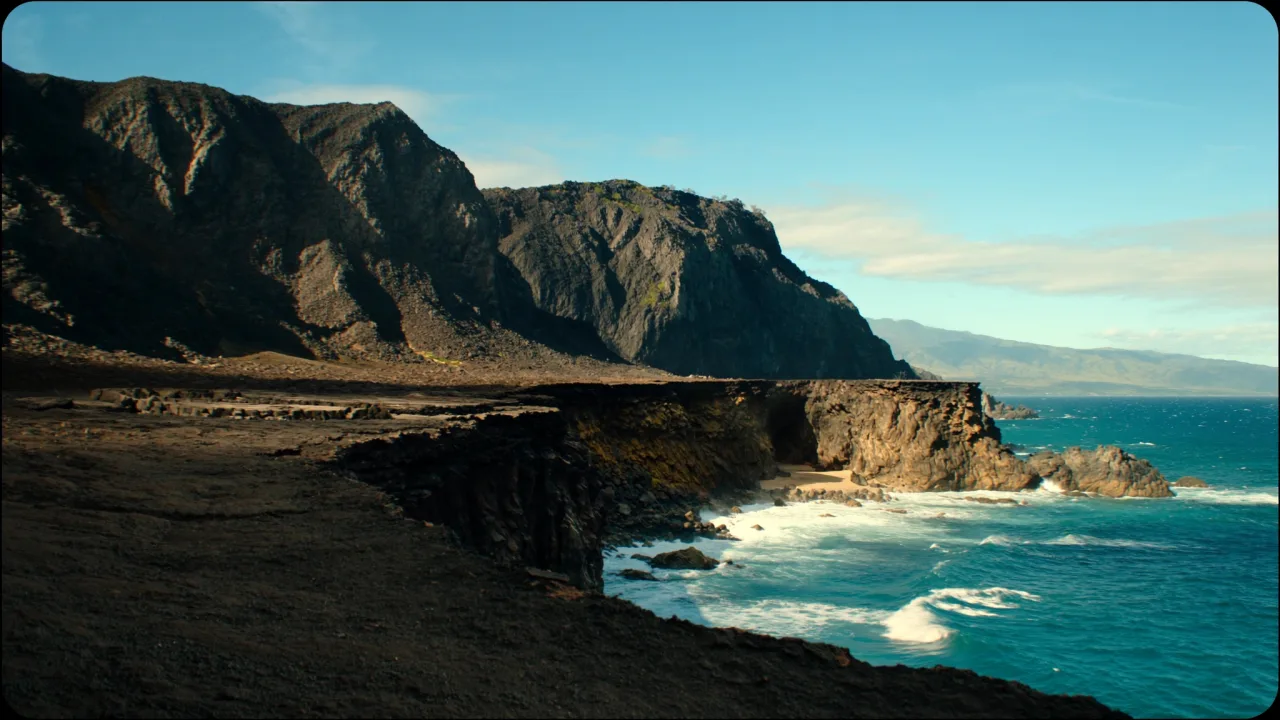
On the remote Kalaupapa Peninsula of Molokai, steep sea cliffs enclose a quiet village with a profound story. In 1866, the Kingdom of Hawaii began sending people with Hansen’s disease to this forced-isolation settlement. Over time, a resilient community emerged, and today the national historical park preserves their homes, churches, and gravesites, sharing a poignant legacy of sorrow and strength.
Best season — Year-round tropical climate; dry, pleasant conditions are typical April–October, though weather can change quickly. Current access details are on the official site.
Why is Kalaupapa National Historical Park significant?
It preserves the historic isolation settlement for Hansen’s disease patients, established in 1866. The remote village tells the story of those exiled and the community they built, as more than 8,000 people, mostly Native Hawaiians, died there.
- The isolation settlement began in 1866 for people with Hansen’s disease.
- More than 8,000 individuals, mostly Native Hawaiians, died at the site.
- The park occupies a remote peninsula on Molokai’s north shore.
At a glance
The facts worth checking before you roll out
Conservative, source-minded facts for planning your visit — always worth confirming against current conditions before you travel.
Managing agency
National Park Service (U.S. Department of the Interior)
Location
Kalaupapa Peninsula, north shore of Molokai, Hawaii
Significance
Preserves the site of the forced-isolation settlement where people with Hansen's disease (leprosy) were banished beginning in 1866; more than 8,000 people, mostly Hawaiians, died there
On the ground
Kalaupapa National Historical Park occupies a remote peninsula on Molokai’s north shore. Established in 1866, it preserves the history of a forced-isolation settlement for people with Hansen’s disease. The park safeguards homes, churches and gravesites, acknowledging a poignant legacy of both sorrow and the resilience demonstrated by those exiled there. Over 8,000 individuals, primarily Native Hawaiians, died at this location.
RV travelers do not drive directly into Kalaupapa National Historical Park. Access is limited and requires either a guided tour or obtaining special permission from the National Park Service. These tours often involve mule rides along steep cliffs or hiking trails. Visitors learn about the settlement’s history through ranger-led programs and by viewing preserved structures, understanding the lives of those who resided there.
Molokai enjoys a year-round tropical climate. Pleasant, drier conditions are generally experienced from April to October. However, weather patterns can shift quickly, so checking current access details on the official National Park Service website is essential before planning a visit. The remote nature of the park requires careful logistical preparation regardless of season.
Consider establishing a basecamp elsewhere on Molokai while visiting Kalaupapa. This allows for flexible exploration and provides easier access to services. From this location, arrange transportation for your guided tour or permitted access to the peninsula. Remember that advance planning is crucial due to limited availability and accessibility within the park itself.
Official sources
- National Park Service — Kalaupapa National Historical Park National Park Service
Nearby & related
Keep planning Hawaii
Sourced costs, campground directories, and the places worth a detour — the next layer of Hawaii trip planning.
Planning an RV trip near Kalaupapa National Historical Park: An RV Traveler's Guide?
Was this guide helpful?