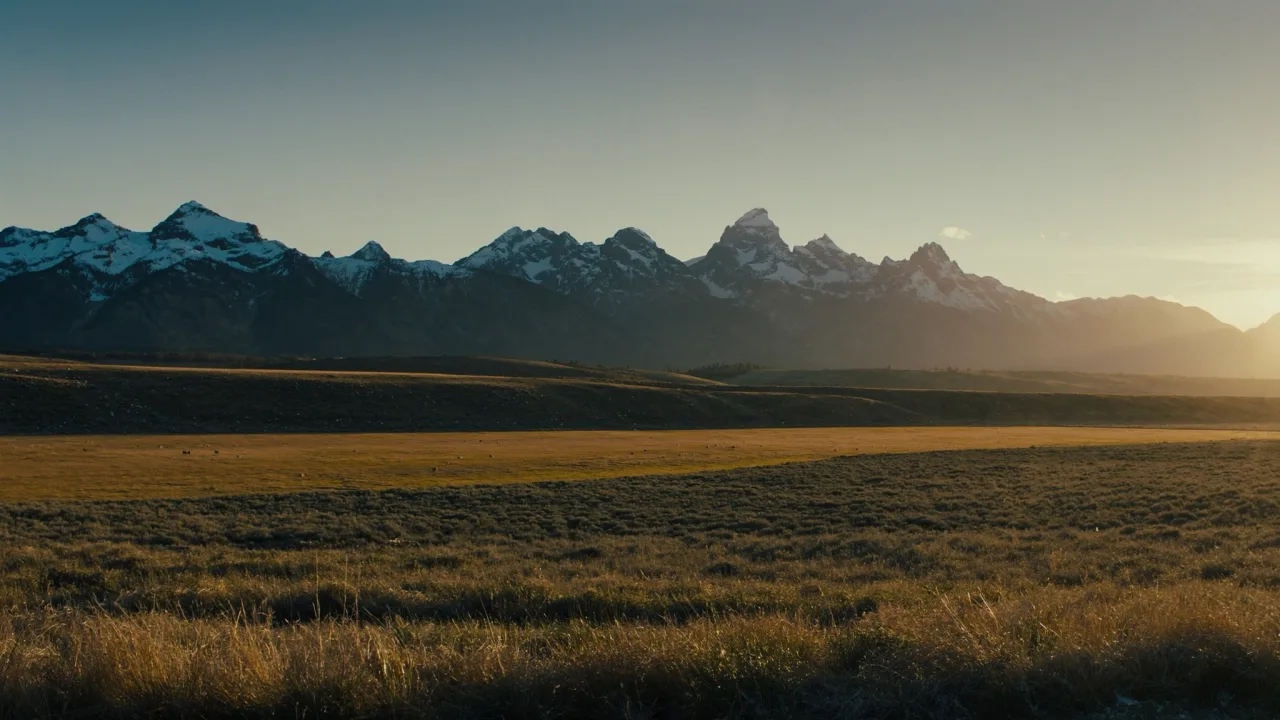
Fort Laramie National Historic Site preserves the remains of a remote 19th-century army post that grew from a private fur trading fort in 1834 into the largest and best-known military post on the Northern Plains before being abandoned in 1890. The garrison witnessed the collision of cultures—emigrant wagon trains, Plains Indian tribes, traders, and soldiers. Today visitors can explore restored buildings and the sweeping parade ground, feeling the deep historical resonance of this crossroads where paths of empire and settlement converged.
Why is Fort Laramie a must-see for history-loving RVers?
Fort Laramie immerses you in the dramatic story of westward expansion, the fur trade, and Plains Indian relations. Explore its restored buildings and sweeping parade ground to grasp its role as a haven for weary emigrants and a crossroads of cultures.
- Began as a private fur trading fort in 1834
- Grew into the largest and best-known military post on the Northern Plains
- Abandoned by the army in 1890, leaving a rich collection of original structures
At a glance
The facts worth checking before you roll out
Conservative, source-minded facts for planning your visit — always worth confirming against current conditions before you travel.
Managing agency
National Park Service (U.S. Department of the Interior)
State
Wyoming
What it preserves
A former military post that began as a private fur trading fort in 1834 and grew into the largest and best-known military post on the Northern Plains before its abandonment in 1890
Founded as fur trading fort
1834 (stated on page)
On the ground
Fort Laramie National Historic Site preserves a former military post established in 1834 as a private fur trading fort. It became the largest and best-known military installation on the Northern Plains, witnessing significant interactions between emigrant wagon trains, Plains Indian tribes, traders, and soldiers. Understanding this history reveals a crucial crossroads of cultures during westward expansion.
RV travelers explore Fort Laramie by touring the original buildings and walking the broad parade ground. These spaces offer insight into 19th-century frontier life. Visitors can experience the site’s historical resonance as they consider its role in supporting emigrants and facilitating diplomacy, a place where paths of empire and settlement converged.
The best time for RV travel to Fort Laramie is late spring through early fall. This period provides access to the historic site with more favorable weather conditions. The post was abandoned by the army in 1890, leaving behind original structures that are accessible during these months allowing for a better experience.
Consider establishing a basecamp within Wyoming and making Fort Laramie a day trip. This allows flexibility to explore other regional attractions alongside the historic site. RVers can then return each evening to their chosen location, providing a comfortable rhythm for experiencing the area’s history and landscape.
Official sources
- National Park Service — Fort Laramie National Historic Site National Park Service
Nearby & related
Keep planning Wyoming
Sourced costs, campground directories, and the places worth a detour — the next layer of Wyoming trip planning.
- Wyoming RV rental costFuel · camping · tax, sourced
- Wyoming RV-friendly campgroundsHookups, rig limits, booking tips
- Campervan & van rentals in WyomingVan-life routes, rules & rigs
- RV rentals in WyomingPickRV Wiki · 6 min read
- Wild-horse rangesMustang-range guides
- BLM landsDispersed-camping country
- Wild & scenic riversFree-flowing river trips
- Deep trip guidesLong-form seasonal playbooks
Planning an RV trip near Fort Laramie National Historic Site: An RV Traveler's Guide?
Was this guide helpful?