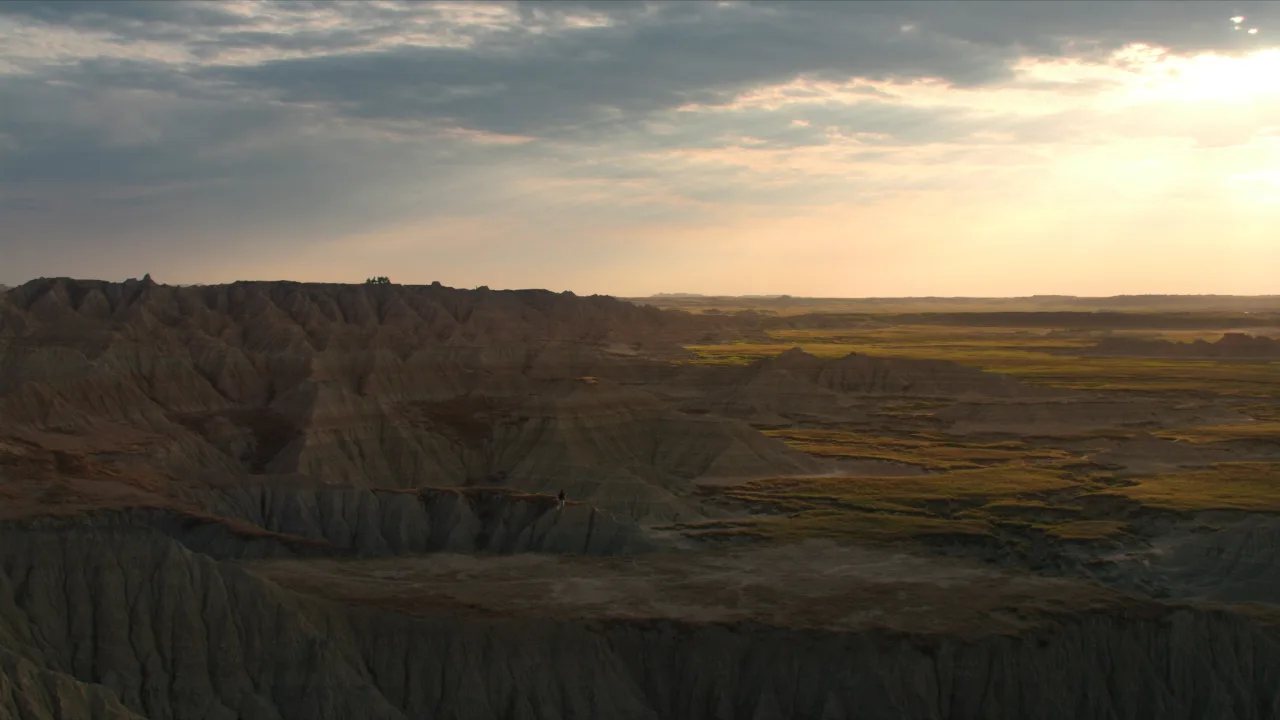
Anchored in northwestern South Dakota, Grand River National Grassland unfurls a sea of mixed-grass prairie, sagebrush steppe, and rolling buttes. Part of the vast Dakota Prairie Grasslands, this remote expanse offers sweeping big-sky views, legendary sunsets, and an audible stillness broken only by songbirds and wind. Pronghorn antelope, mule deer, and sharp-tailed grouse move through the open range, while prairie dog towns bustle below. For RVers seeking true solitude, the grassland rewards unhurried exploration on gravel roads and opens silent, star-filled nights far from any city glow.
Best season — Spring for wildflowers and bird migrations, autumn for crisp air and golden light; summers warm but rewarding for those who relish open-sky solitude.
What makes Grand River National Grassland special for RV travelers?
Grand River National Grassland offers RV travelers a rare chance to camp under immense dark skies amid a vast working prairie, where wildlife roams freely and solitude is abundant. With minimal development and dispersed camping, it feels remote and peaceful.
- Encompasses 154,783 acres in northwestern South Dakota’s Perkins, Corson, and Ziebach counties.
- Managed by the U.S. Forest Service as part of the Dakota Prairie Grasslands.
- Named for the Grand River, whose north and south forks converge within the grassland.
At a glance
The facts worth checking before you roll out
Conservative, source-minded facts for planning your visit — always worth confirming against current conditions before you travel.
Managing agency
U.S. Forest Service, administered as part of the Dakota Prairie Grasslands
State
Northwestern South Dakota (Perkins, Corson, and Ziebach counties)
Size
154,783 acres (241.85 square miles)
Name origin
Named for the Grand River, whose north and south forks meet within the grassland
On the ground
Grand River National Grassland, part of the Dakota Prairie Grasslands managed by the U.S. Forest Service, secures a portion of northwestern South Dakota’s prairie landscape. This expansive grassland, encompassing portions of Perkins, Corson and Ziebach counties, conserves native ecosystems along the Grand River watershed. It's a place to experience the scale of the Great Plains and appreciate its subtle beauty.
RV travelers here focus on simple pleasures: dispersed camping opportunities allow for quiet stays amongst the sagebrush steppe and rolling buttes. Birding is popular, with sharp-tailed grouse among the species present. Undemanding drives along gravel roads reveal the landscape, while seasonal hunting adds another recreational option. The grassland emphasizes a connection to America’s prairie heritage.
The best times to visit are spring for wildflowers and bird migrations, or autumn when crisp air complements golden light. Summers offer warm conditions, suitable for those who appreciate open-sky solitude. Be prepared for variable weather patterns common to the Great Plains. This remote location offers dark skies throughout much of the year.
Consider establishing a basecamp in a nearby community before venturing into the grassland. From there, plan day trips to explore different areas and access dispersed camping locations within the USFS-managed land. This approach allows for convenient access to amenities while still enjoying the quiet remoteness of Grand River National Grassland.
Official sources
- U.S. Forest Service — Grand River National Grassland USDA Forest Service
Nearby & related
Keep planning South Dakota
Sourced costs, campground directories, and the places worth a detour — the next layer of South Dakota trip planning.
- South Dakota RV rental costFuel · camping · tax, sourced
- South Dakota RV-friendly campgroundsHookups, rig limits, booking tips
- Campervan & van rentals in South DakotaVan-life routes, rules & rigs
- Estuary reservesQuiet coastal reserves
- LighthousesCoast-road waypoints
- Sand dunesDune fields worth the climb
- RV lifehacksCamp-smarter field tricks
Planning an RV trip near Grand River National Grassland: An RV Traveler's Guide?
Was this guide helpful?